
New York, March 1, 2026 — According to Parliament News, that International flight delays are intensifying across major aviation hubs as geopolitical instability, restricted airspace corridors, and operational congestion combine to disrupt global mobility. Aviation authorities confirm that international flight delays are affecting thousands of passengers daily, with ripple effects extending far beyond the regions where tensions first escalated.
From North America to Europe, the Middle East, and Asia, carriers are adjusting flight paths, revising schedules, and issuing advisories to travelers. Industry experts warn that international flight delays could persist if diplomatic efforts fail to stabilize critical air corridors.
Escalating Tensions Reshape Global Aviation Routes
The recent surge in international flight delays stems largely from airspace restrictions imposed due to rising geopolitical tensions. When certain regions become high risk for civilian aviation, airlines must reroute aircraft along longer and more complex paths.
Modern commercial aviation depends on carefully optimized flight corridors designed to minimize fuel consumption and travel time. When those corridors become unavailable, aircraft are redirected through alternative airspace, often shared by multiple international carriers. The result is immediate congestion and cascading international flight delays.
Air traffic controllers are tasked with managing increased traffic density in corridors that were not originally designed for such volume. Even small disruptions can multiply rapidly across continents due to the interconnected nature of global aviation networks.
Operational Strain on Airlines
Airlines operate under strict scheduling frameworks. Aircraft are assigned to multiple flights per day, with precise turnaround times at each airport. When one segment is delayed, subsequent departures are impacted.
International flight delays often begin with a single rerouted aircraft but can expand across an airline’s entire route network. Longer flight times reduce fleet availability and complicate crew scheduling, particularly when pilots and flight attendants approach regulated duty hour limits.
Airlines are deploying additional operational resources to manage passenger rebooking and minimize disruption. However, even the most efficient carriers are facing pressure as international flight delays extend across multiple time zones.
Congestion at Major Global Hubs
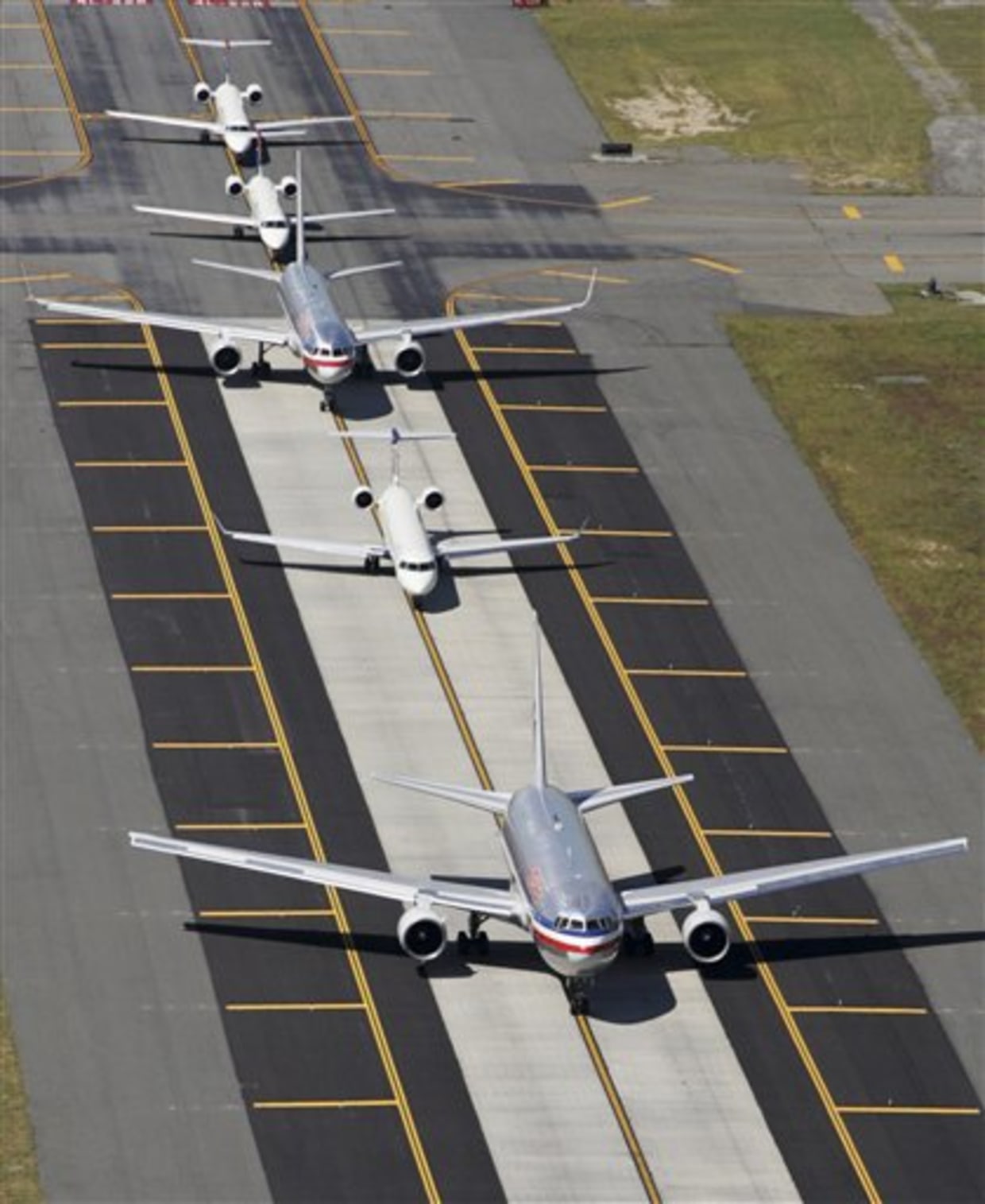
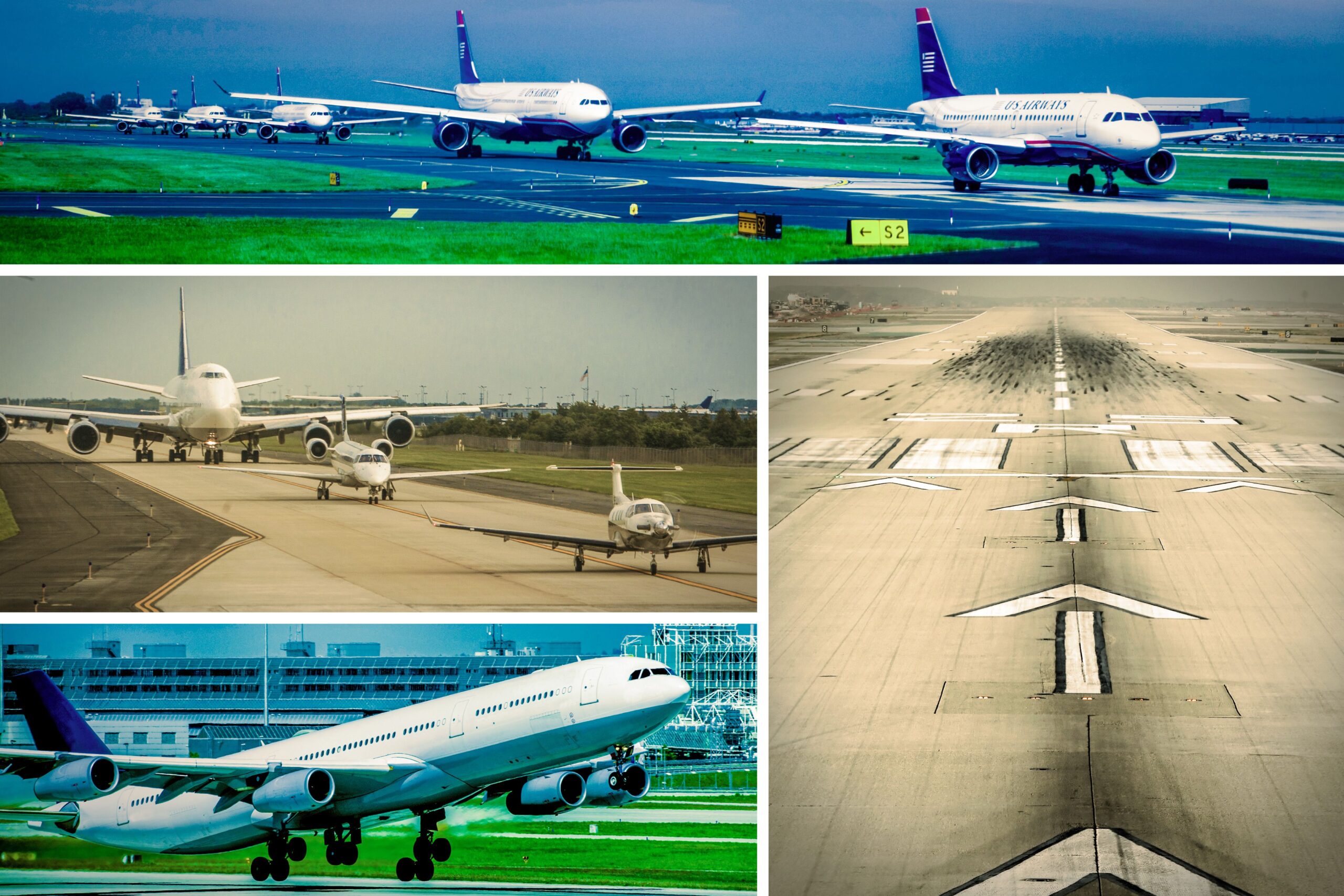
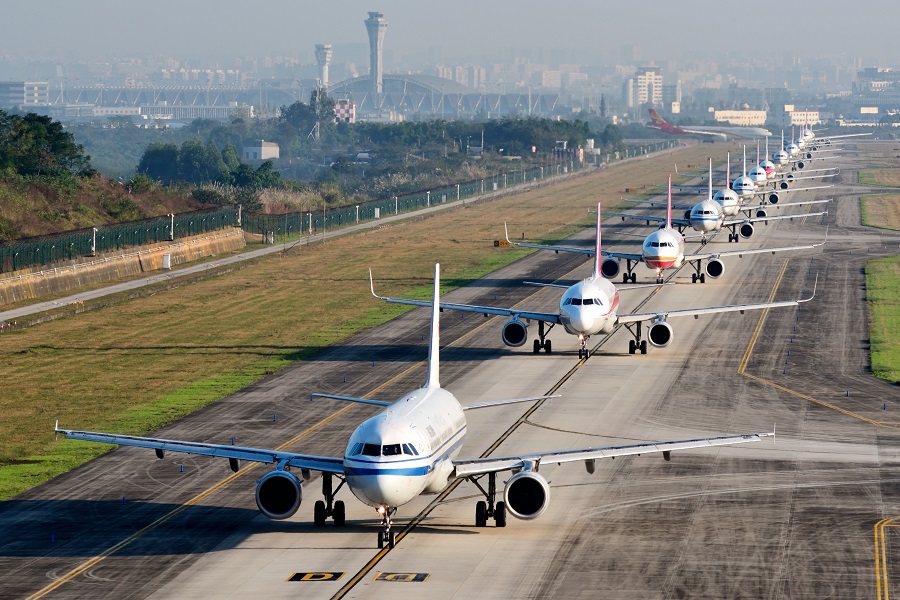
Airport operators in New York, London, Frankfurt, Dubai, and Singapore are reporting higher than normal congestion levels. Runways are operating near maximum capacity during peak hours, and gate assignments are tightly managed to avoid further gridlock.
Passengers are experiencing longer security lines, delayed baggage handling, and extended boarding processes. International flight delays have also affected inbound aircraft, creating scheduling backlogs that can last for days.
Airport authorities emphasize that safety standards remain uncompromised. While operations may slow, aviation regulators prioritize caution when managing increased traffic volumes in alternative corridors.
Economic Repercussions Across the Industry
The financial cost of international flight delays is mounting. Airlines face higher fuel expenses due to extended flight paths, as well as compensation claims from passengers entitled to refunds or accommodation under international travel regulations.
Tourism dependent economies are also feeling the effects. Hotels, conference organizers, and travel agencies report cancellations linked to uncertain travel schedules. International flight delays have discouraged some travelers from booking overseas trips altogether.
Market analysts note that airline stock prices have shown volatility in response to ongoing disruptions. Investors are closely monitoring developments to assess the duration and severity of the aviation slowdown.
Cargo and Supply Chain Disruptions
Air travel supports not only passenger mobility but also global commerce. Many cargo shipments rely on space within passenger aircraft holds. When international flight delays occur, cargo schedules are affected as well.
Pharmaceutical supplies, electronics components, and perishable goods face timing challenges. Businesses operating on just in time inventory models must adjust logistics strategies to accommodate unpredictable arrival windows.
Industry groups warn that prolonged international flight delays could create secondary supply chain disruptions if conditions persist for an extended period.
Passenger Experience in a Time of Uncertainty
Travelers are adapting to the new reality of unpredictable schedules. Many are booking flights with longer connection times to reduce the risk of missed transfers. Travel insurance sales have increased as passengers seek additional protection.
Airlines recommend monitoring real time flight updates and arriving at airports earlier than usual. While staff are working diligently to assist customers, the volume of disruptions tied to international flight delays has tested customer service capacity.
Families traveling for vacations, students studying abroad, and business professionals attending international meetings are among those most affected by the ongoing uncertainty.
Air Traffic Control and International Coordination
International aviation authorities are coordinating closely to manage increased traffic density. Notices to air missions are issued when airspace restrictions change, allowing airlines to adjust flight plans accordingly.
Air traffic control centers rely on satellite monitoring and radar systems to maintain safe separation between aircraft. International flight delays often occur as a precautionary measure when security assessments indicate elevated risk.
One senior aviation safety official stated,
“Our responsibility is to protect passengers and crew at all costs, even if that means accepting temporary international flight delays while we assess evolving conditions.”
Government Response and Diplomatic Engagement
Governments are actively engaged in diplomatic discussions aimed at stabilizing airspace corridors. International civil aviation organizations are facilitating communication between affected nations and commercial carriers.
Policy experts suggest that long term resolution will depend on broader geopolitical developments. While aviation authorities can mitigate operational strain, sustained relief from international flight delays requires diplomatic progress.
National transportation departments are also advising citizens to review travel advisories before booking overseas trips.
Historical Comparison of Aviation Disruptions
The current surge in international flight delays invites comparison to previous aviation crises. During the volcanic eruption in Iceland in 2010, European airspace closures grounded thousands of flights. Similarly, after major geopolitical conflicts in past decades, rerouted aircraft faced prolonged congestion and logistical strain.
However, the interconnected digital infrastructure of 2026 distinguishes today’s situation. Airlines now rely heavily on integrated scheduling algorithms and global reservation systems. When international flight delays occur, they propagate through digital networks within minutes, affecting travelers worldwide almost instantly.
While history demonstrates aviation resilience, it also shows that recovery timelines vary depending on the duration and intensity of external pressures.
Airline Strategies for Stabilization
Airlines are implementing contingency measures to reduce operational strain. Some carriers are deploying reserve aircraft and standby crews to absorb scheduling disruptions.
Fleet managers are adjusting aircraft rotations to prioritize high demand routes. Meanwhile, customer service platforms are expanding digital support tools to streamline rebooking processes.
International flight delays have accelerated conversations within the industry about enhancing route flexibility and strengthening predictive analytics systems to anticipate future disruptions.
The Human Dimension of Aviation Disruption
Behind every delayed flight is a traveler with plans disrupted. Airport terminals have become temporary gathering spaces where uncertainty replaces itinerary precision.
Some passengers remain patient, recognizing the safety implications behind operational decisions. Others express frustration as missed connections disrupt carefully planned journeys.
Despite the challenges, aviation professionals emphasize the industry’s resilience. Pilots, ground crews, air traffic controllers, and customer service teams continue working extended hours to navigate the complexities of international flight delays.
Global Markets and Investor Reactions
Financial markets are watching aviation trends closely. Airline shares have experienced fluctuations reflecting investor concerns about sustained operational disruption.
Energy prices also play a role, as longer flight routes increase fuel demand. International flight delays can indirectly influence broader economic indicators when tourism, trade, and corporate travel activity decline.
Economic analysts predict that stabilization in key air corridors could restore investor confidence relatively quickly if geopolitical tensions ease.
Technology and Aviation Resilience
Advances in aviation technology are helping mitigate disruption. Modern aircraft are capable of flying longer routes efficiently, and satellite based navigation systems enable dynamic rerouting.
Data analytics platforms allow airlines to simulate congestion scenarios and adjust schedules proactively. Although international flight delays remain significant, technological tools provide greater flexibility than in previous decades.
Industry leaders stress the importance of continued investment in resilient infrastructure to withstand future uncertainties.
Looking Ahead Toward Recovery
The trajectory of international flight delays will largely depend on diplomatic outcomes and security assessments in affected regions. If tensions de escalate, airspace corridors could reopen gradually, allowing airlines to restore optimized routes.
Aviation authorities remain cautiously optimistic that global travel will stabilize before the end of 2026. However, they acknowledge that flexibility and contingency planning will remain essential components of operational strategy.
Travel experts advise passengers to remain informed and adaptable when booking international journeys in the coming months.
When Global Skies Mirror Global Stability
The surge in international flight delays serves as a powerful reminder that aviation does not operate in isolation from world events. The skies above reflect the state of global diplomacy, economic cooperation, and security conditions.
As New York and other international hubs continue managing heavy congestion, the aviation industry demonstrates both vulnerability and resilience. While passengers experience temporary disruption, the broader system remains committed to safety and coordination.
Ultimately, restoring seamless global connectivity will require both operational excellence and diplomatic progress. Until then, international flight delays remain a defining feature of the 2026 aviation landscape.