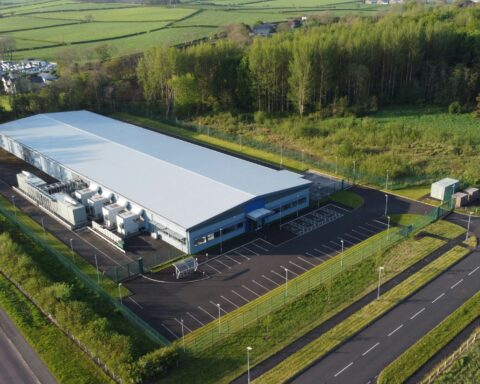
UAE, March 2, 2026 — According to Parliament News, that Bahrain data center issues triggered significant concern across the Gulf region this week after power instability and connectivity interruptions disrupted cloud dependent services in Bahrain and the United Arab Emirates. Businesses operating in finance, logistics, ecommerce, healthcare technology, and government platforms experienced intermittent slowdowns, prompting rapid mitigation measures from infrastructure operators.
Although services were restored within hours, the event placed renewed focus on infrastructure resilience, cross border digital dependency, and the growing importance of uninterrupted cloud availability in the Middle East’s expanding digital economy.
Early Signs of Disruption Across the Region
The first indicators of Bahrain data center issues appeared through latency alerts issued by enterprise monitoring systems. Companies reported slower response times from cloud hosted applications, including payment gateways, internal dashboards, and customer facing portals.
Bahrain serves as a regional cloud hub, hosting advanced infrastructure that supports clients across the Gulf Cooperation Council. When instability affects such a strategic facility, the ripple effects extend beyond national borders.
Organizations in the UAE that rely on distributed cloud environments experienced temporary performance degradation. However, no confirmed data breaches or permanent data losses were reported.
Power Fluctuations and Infrastructure Stress
Technical assessments revealed that Bahrain data center issues were linked to upstream power fluctuations and short term telecommunications congestion. Data centers are designed with multiple redundancy layers, including generator backups and battery storage systems. Even so, external grid instability can create momentary strain.
Engineers activated failover systems and rerouted workloads to unaffected availability zones. Backup systems functioned as designed, yet high demand and routing adjustments briefly affected application performance.
Infrastructure experts noted that hyperscale facilities operate on finely tuned synchronization between power supply, cooling systems, and networking hardware. Any irregularity, even short lived, can produce cascading latency effects.
Enterprise Response and Business Continuity
Corporate technology teams immediately implemented continuity protocols in response to Bahrain data center issues. Businesses with multi region cloud deployments experienced limited disruption, as workloads automatically shifted between environments.
Smaller enterprises operating within a single regional zone faced greater operational pressure. Payment processing platforms and ecommerce checkouts temporarily slowed, prompting customer support teams to issue advisories.
An infrastructure operations manager stated,
“Our teams acted swiftly to stabilize the environment, and contingency measures performed as expected. The interruption was temporary, and full operational stability was restored within established recovery objectives.”
The response reflected a coordinated engineering effort rather than systemic collapse.

Regional Economic Significance
The Gulf region has invested billions in digital transformation initiatives. Bahrain has positioned itself as a competitive cloud destination due to regulatory flexibility and strategic geographic placement.
When Bahrain data center issues occur, they attract scrutiny because the region’s economic modernization relies heavily on uninterrupted digital services. Financial institutions, airline management systems, government portals, and logistics operators depend on real time data access.
While the incident was brief, perception plays a powerful role in investor and enterprise confidence. Infrastructure reliability remains central to regional competitiveness.
Cross Border Connectivity in the UAE
Although the disruption originated in Bahrain, interconnected infrastructure in the UAE registered temporary slowdowns. Cloud architectures often span multiple territories to optimize efficiency and redundancy.
UAE based firms operating hybrid models were able to distribute traffic to unaffected nodes. This flexibility reduced customer facing impact and demonstrated the value of diversified hosting strategies.
Technology analysts observed that Bahrain data center issues underscore the necessity of cross jurisdiction resilience planning in increasingly interconnected digital economies.
Cybersecurity Review and System Integrity
Security monitoring teams confirmed that Bahrain data center issues were not linked to cyber intrusion or malicious activity. No unauthorized access or data compromise was detected.
However, geopolitical tensions in surrounding regions heightened sensitivity to infrastructure events. Digital resilience today encompasses both cybersecurity protection and physical infrastructure stability.
Experts recommend continuous monitoring and stress testing during periods of regional instability. Even non malicious infrastructure disturbances can create conditions that resemble security incidents until verified otherwise.
Regulatory Oversight and Government Engagement
Authorities in Bahrain and the UAE initiated joint reviews following Bahrain data center issues to assess grid reliability, telecommunications redundancy, and contingency coordination.
Regulatory frameworks in the Gulf require critical infrastructure facilities to maintain layered resilience protocols. Post incident analysis will likely focus on strengthening grid integration and ensuring telecommunications routing diversity.
Government statements emphasized long term digital stability as a national priority, particularly as Gulf economies expand into technology driven sectors.
Market Reaction and Investor Confidence
Global investors monitor infrastructure events closely. Bahrain data center issues prompted discussion among analysts but did not trigger major financial volatility.
Market observers noted that short term disruptions, when resolved quickly, rarely alter long term investment outlooks. Confidence remains anchored in the region’s sustained digital growth and strong infrastructure investment.
Nevertheless, events of this nature serve as reminders that cloud based economies depend on physical systems vulnerable to external stressors.

Human Impact Behind the Systems
Behind technical dashboards and infrastructure diagrams are engineers, analysts, and support teams working under pressure when Bahrain data center issues arise. Long shifts and rapid troubleshooting sessions characterized the restoration effort.
Customer service representatives fielded inquiries from concerned clients seeking clarity. Transparent communication helped prevent misinformation and preserve trust.
For small business owners relying on digital storefronts, even brief interruptions can feel significant. The event reinforced the importance of accessible disaster recovery strategies for organizations of all sizes.
Historic Comparison with Past Infrastructure Events
Bahrain data center issues in 2026 invite comparison to earlier regional infrastructure incidents that tested digital resilience. In previous years, localized power disturbances in various global technology hubs revealed how tightly connected cloud ecosystems have become.
For example, major data center interruptions in other parts of the world during the last decade exposed vulnerabilities in single region deployment models. Those events prompted a shift toward multi zone architecture and cross border replication strategies.
While the Gulf’s infrastructure performance has generally remained stable, this recent disruption echoes lessons learned globally. Resilience evolves through experience, and each event contributes to stronger contingency planning frameworks.
Engineering Redundancy and Technical Safeguards
Modern data centers in Bahrain operate with multiple safeguards, including dual power feeds, on site fuel reserves, battery backup systems, and redundant network carriers.
During Bahrain data center issues, automated systems redistributed workloads and maintained operational continuity within predefined tolerance levels. Engineers conducted root cause diagnostics to prevent recurrence.
Infrastructure experts emphasize that no system can guarantee absolute uptime. However, layered resilience significantly reduces risk exposure and accelerates recovery.
Digital Growth Trajectory in the Gulf
Despite Bahrain data center issues, the Gulf’s digital transformation remains on a strong upward trajectory. Governments continue investing in smart infrastructure, artificial intelligence research, fintech innovation, and cross border ecommerce platforms.
Cloud adoption rates are expected to increase as enterprises modernize operations. Demand for low latency computing, data analytics, and real time processing continues to expand.
Industry leaders argue that temporary disruptions should be viewed as catalysts for stronger infrastructure design rather than setbacks.
Strategic Lessons for Enterprises
Organizations across Bahrain and the UAE are reviewing continuity strategies in light of Bahrain data center issues. Multi region replication, diversified carrier partnerships, and proactive monitoring systems are becoming essential components of risk management.
Executives increasingly treat infrastructure resilience as a board level priority rather than a purely technical matter. Digital dependency requires governance alignment across departments.
The event also highlights the importance of transparent communication during service disruptions. Maintaining stakeholder confidence depends on clarity and swift updates.

Broader Implications for Cloud Sovereignty
Bahrain data center issues contribute to ongoing discussions about digital sovereignty and regional data hosting strategies. Nations across the Gulf are evaluating how to balance local hosting with international redundancy.
Cloud sovereignty initiatives aim to ensure regulatory compliance while preserving performance efficiency. Regional collaboration may strengthen shared infrastructure standards.
As geopolitical complexity evolves, digital resilience will remain intertwined with national economic strategy.
Looking Ahead to Reinforced Stability
In 2026, Bahrain data center issues may ultimately be remembered as a pivotal reinforcement point for Gulf infrastructure strategy. Restoration efforts demonstrated effective contingency execution and strong coordination between technical teams.
Future investments are expected to focus on grid modernization, predictive maintenance technologies, and expanded cross region redundancy.
The Gulf’s digital economy continues to expand, supported by sustained infrastructure investment and regulatory oversight. While disruptions are inevitable in complex systems, proactive resilience planning positions the region for long term stability and growth.