

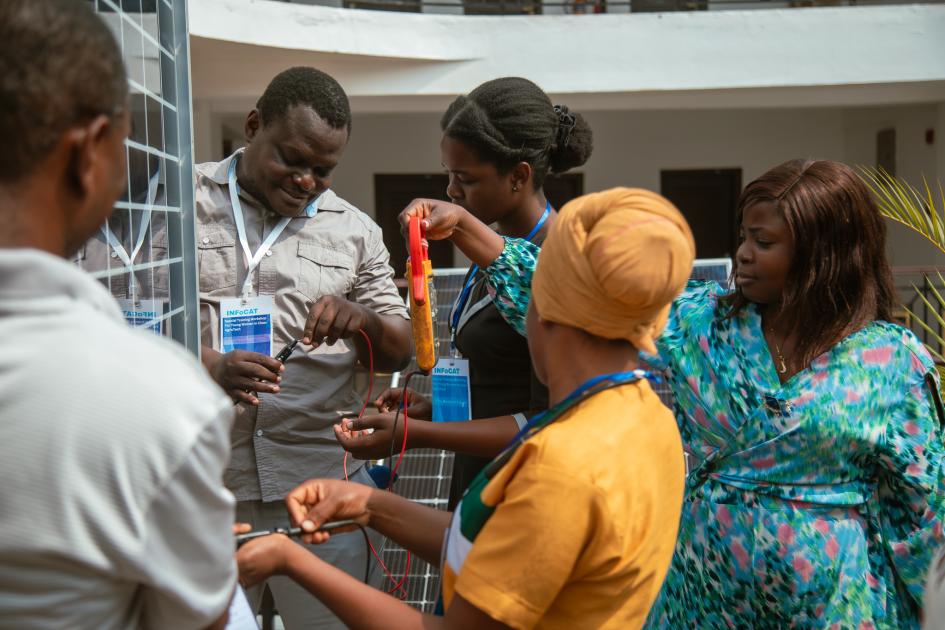
Nairobi, Kenya – March 2, 2026 – According to Parliament News, that Female entrepreneurship growth is accelerating across emerging markets, with Nairobi standing out as one of Africa’s most dynamic innovation centers. In early 2026, policymakers, investors, and development institutions are increasingly identifying female entrepreneurship growth as a core driver of inclusive economic transformation.
Recent business registration and financing data show that female entrepreneurship growth is outpacing overall small enterprise formation in several urban markets. Access to digital finance, international funding initiatives, and technology enabled business models are contributing to this upward trajectory.
As global institutions prioritize gender inclusive economic strategies, female entrepreneurship growth is emerging as a measurable indicator of sustainable development progress.
Capital Access Expands Across Emerging Markets
Access to capital remains one of the most decisive variables influencing female entrepreneurship growth. For decades, women entrepreneurs faced structural barriers including limited collateral ownership, restricted inheritance rights, and smaller professional networks.
In 2026, a combination of public and private funding initiatives is narrowing that gap. Multilateral lenders, regional development banks, and venture capital funds are channeling more resources toward women led enterprises. Female entrepreneurship growth benefits from blended finance models that reduce perceived lending risk for commercial banks.
Digital lending platforms have also broadened reach. Mobile banking adoption across Africa and South Asia has enabled women entrepreneurs to secure working capital without relying solely on traditional branch banking infrastructure. The link between financial inclusion and female entrepreneurship growth is increasingly supported by data.
Digital Innovation as a Catalyst
Technology adoption is a powerful enabler of female entrepreneurship growth. Online marketplaces, cloud based accounting systems, and digital payment platforms lower entry barriers and expand customer reach.
In Nairobi’s technology corridor, women are launching ventures in fintech, agritech, health technology, and creative industries. Female entrepreneurship growth in these sectors demonstrates how digital infrastructure can level competitive landscapes.
Entrepreneurs are leveraging social media marketing and e commerce platforms to bypass traditional retail limitations. With mobile penetration high across urban Africa, digital ecosystems amplify visibility and revenue potential.
Policy Reforms Supporting Enterprise
Regulatory reforms play a critical role in accelerating female entrepreneurship growth. Simplified business registration systems, reduced licensing costs, and targeted procurement policies encourage formalization and compliance.
In Kenya, government backed initiatives prioritize women owned enterprises in public procurement programs. Female entrepreneurship growth is often highlighted in national development frameworks as a strategy for job creation and poverty reduction.
Tax incentives and micro enterprise support programs further reinforce participation. Policy clarity reduces uncertainty and improves investor confidence.
Education and Mentorship Networks
Financial capital alone does not guarantee success. Female entrepreneurship growth depends equally on access to education and mentorship.
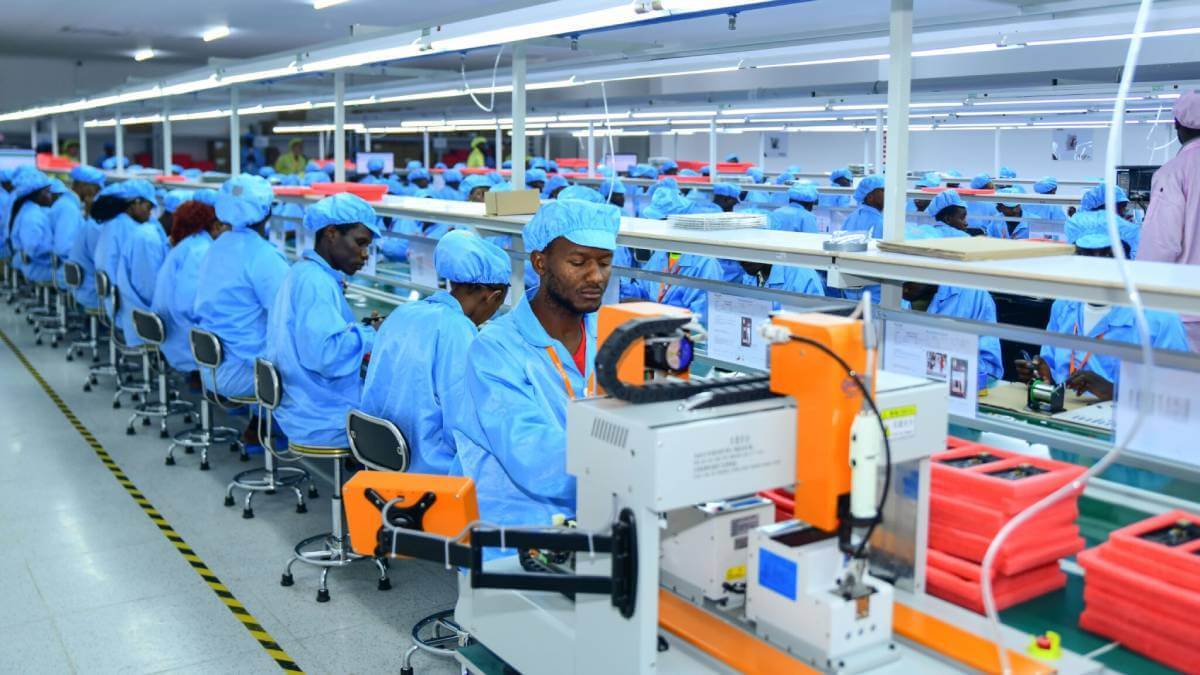
Business development programs now provide training in financial literacy, governance, digital marketing, and export readiness. Universities and private accelerators are expanding leadership workshops tailored to women entrepreneurs.
Mentorship networks connect emerging founders with experienced executives who provide strategic guidance. As more women gain access to professional development, female entrepreneurship growth transitions from informal micro operations to scalable enterprises with regional and global reach.
Economic Impact and Job Creation
The economic ripple effects of female entrepreneurship growth extend well beyond individual firms. Women owned businesses frequently reinvest profits locally, supporting employment, education, and healthcare outcomes within communities.
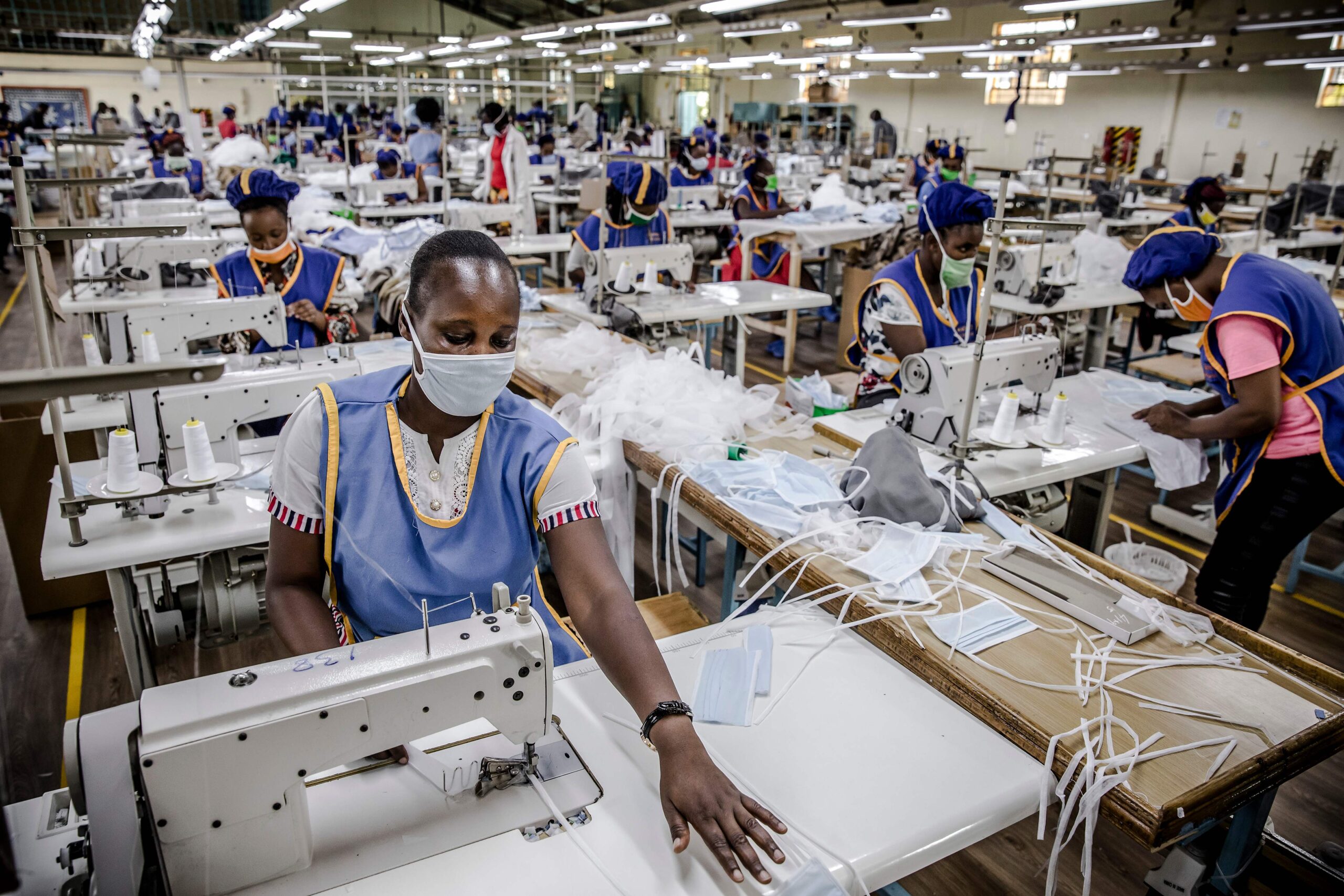
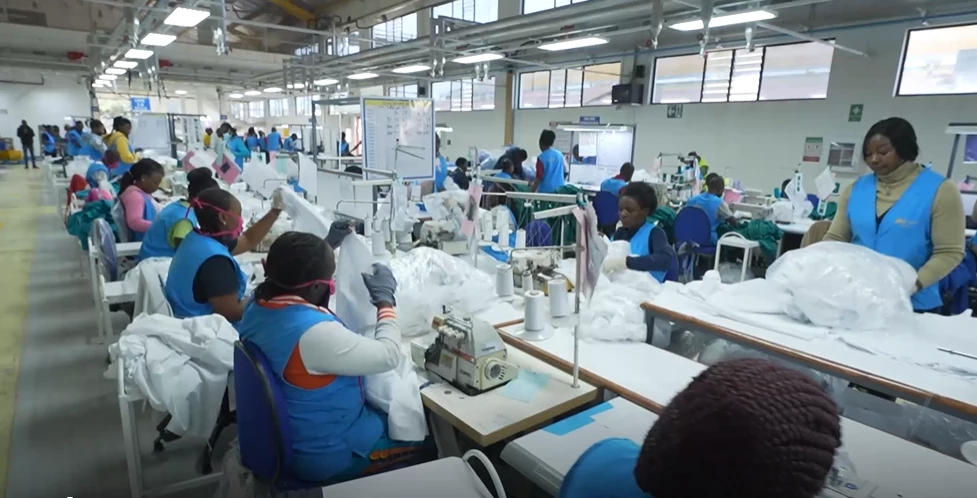
In Nairobi’s manufacturing and service sectors, expanding women led enterprises are generating new jobs and strengthening supply chains. Female entrepreneurship growth therefore contributes directly to broader economic resilience.
Research indicates that improving gender parity in entrepreneurship can significantly increase national GDP, particularly in developing economies where labor participation gaps remain wide.
Regional Expansion Beyond Kenya
While Nairobi represents a focal point, female entrepreneurship growth is evident across Africa, South Asia, and Latin America.
In India, digital payment infrastructure has enabled rural women to formalize businesses previously confined to informal markets. In Latin America, export oriented women led enterprises are leveraging trade partnerships to enter global supply chains.
These patterns illustrate that female entrepreneurship growth reflects a structural transformation rather than a localized trend.
Challenges and Structural Barriers
Despite momentum, challenges persist. Venture capital allocation remains disproportionately skewed toward male founders. Cultural norms in certain regions continue to restrict women’s economic participation.
Female entrepreneurship growth also depends on reliable infrastructure. Connectivity gaps in rural areas can limit digital expansion opportunities. Addressing these disparities requires coordinated policy and private sector collaboration.
Financial literacy gaps and limited access to high value networks remain additional hurdles for scaling enterprises.
Investor Confidence and ESG Alignment
Institutional investors increasingly align portfolios with environmental social governance principles. Gender lens investing has emerged as a recognized strategy within sustainable finance.
Female entrepreneurship growth benefits from this shift. Venture funds and development institutions are launching capital pools specifically targeting women led enterprises.
One regional investment advisor stated,
“Female entrepreneurship growth represents one of the most underutilized yet powerful engines of sustainable economic expansion in emerging markets.”
This quote reflects growing investor consensus that inclusive growth models produce measurable financial and social returns.
Historical Comparison of Progress
Two decades ago, women entrepreneurs in many developing countries operated primarily in informal sectors with limited pathways to scale. Access to structured credit was rare, and regulatory frameworks seldom prioritized gender equality in economic participation.
Comparing that period to 2026 highlights a remarkable shift. Female entrepreneurship growth today unfolds within ecosystems supported by digital finance, international funding partnerships, and policy reforms designed to reduce systemic barriers. The transition from informal micro enterprise dominance in the early 2000s to today’s scalable, technology driven ventures underscores how rapidly inclusive strategies can reshape economic landscapes.
This historical comparison emphasizes that sustained commitment to infrastructure, education, and policy reform yields measurable transformation over time.
Social Transformation Through Enterprise
Beyond economic metrics, female entrepreneurship growth influences societal norms. Financial independence expands women’s decision making power within households and communities.
Entrepreneurial success stories inspire younger generations to pursue business education and leadership roles. Female entrepreneurship growth thus contributes to long term cultural shifts toward gender equity.
Community networks and women led business associations amplify collective visibility and collaboration.
Global Partnerships and Cross Border Trade
International trade agreements and regional economic blocs provide additional pathways for female entrepreneurship growth. Export readiness programs equip women entrepreneurs to access foreign markets.
Cross border digital platforms enable small enterprises to serve global customers. Female entrepreneurship growth increasingly intersects with global supply chains and technology ecosystems.
Partnerships between multinational corporations and local women owned suppliers further integrate inclusive practices into global commerce.
Outlook for the Remainder of 2026
Analysts anticipate continued female entrepreneurship growth throughout 2026, supported by digital transformation and expanding investment frameworks. However, sustained progress depends on transparent monitoring and consistent policy implementation.
Governments are publishing gender disaggregated data to evaluate funding impact. Private investors are tracking performance metrics to assess scalability.
If these collaborative efforts persist, female entrepreneurship growth may define emerging market economic narratives for the decade ahead.
Beyond Capital Building a Generation of Economic Architects
The evolution of female entrepreneurship growth in 2026 represents more than increased funding allocations or higher registration numbers. It signals a generational transformation in how economic participation is structured across developing markets.
Nairobi’s vibrant startup ecosystem demonstrates that when access to capital aligns with education, mentorship, and digital infrastructure, barriers can be dismantled systematically. Women entrepreneurs are not only launching businesses but also redefining leadership, innovation, and community investment models.
Female entrepreneurship growth is shaping a future in which inclusive opportunity becomes foundational rather than aspirational. As global markets continue adapting to technological change and demographic shifts, empowering women entrepreneurs may prove to be one of the most decisive strategies for sustainable and resilient economic progress.