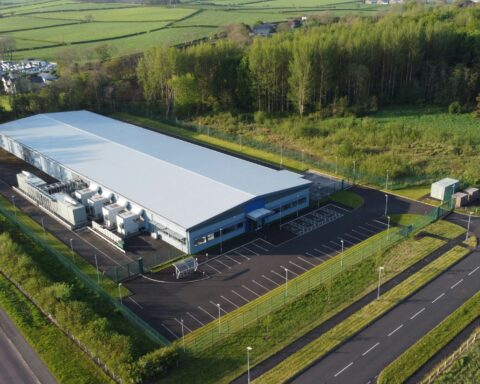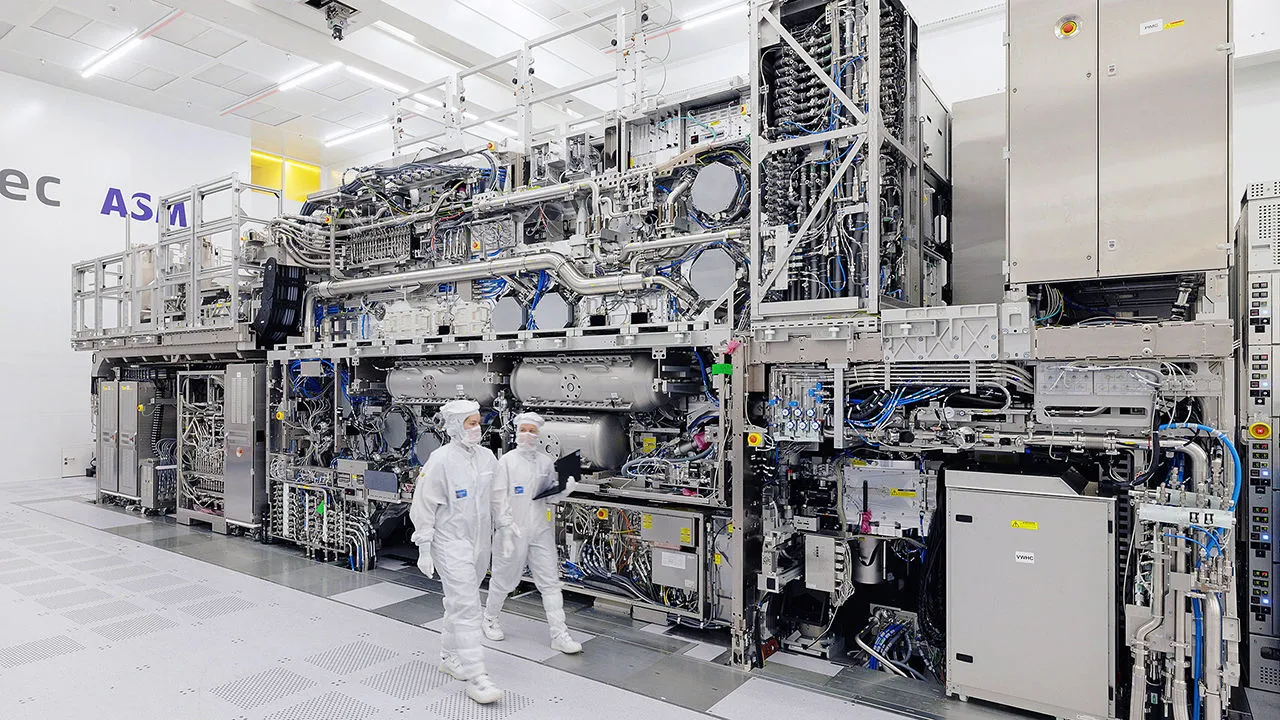
Eindhoven, Netherlands – March 2, 2026 – According to Parliament News, that AI semiconductor manufacturing is entering a decisive expansion phase as artificial intelligence adoption accelerates worldwide. In 2026, AI semiconductor manufacturing has become central to Europe’s industrial strategy, particularly in Eindhoven, where advanced lithography, precision engineering, and high technology research converge.
Rising demand for artificial intelligence systems across data centers, defense platforms, healthcare analytics, and autonomous mobility has intensified global competition for advanced chips. AI semiconductor manufacturing now plays a defining role in economic growth, digital infrastructure, and geopolitical positioning.
Facility upgrades and equipment deployments across the Netherlands indicate sustained investment momentum, reinforcing Europe’s commitment to strengthening AI semiconductor manufacturing capacity.
Artificial Intelligence Driving Chip Demand
The rapid expansion of generative AI models and cloud computing infrastructure has dramatically increased the need for high performance processors. AI semiconductor manufacturing supports this surge by enabling the production of specialized accelerators optimized for machine learning workloads.
Modern AI applications require enormous computational throughput combined with energy efficiency. AI semiconductor manufacturing therefore prioritizes transistor density, memory bandwidth, and thermal management.
As enterprises integrate artificial intelligence into business operations, the demand outlook for AI semiconductor manufacturing remains strong through late 2026 and beyond.
Lithography Innovation at the Core
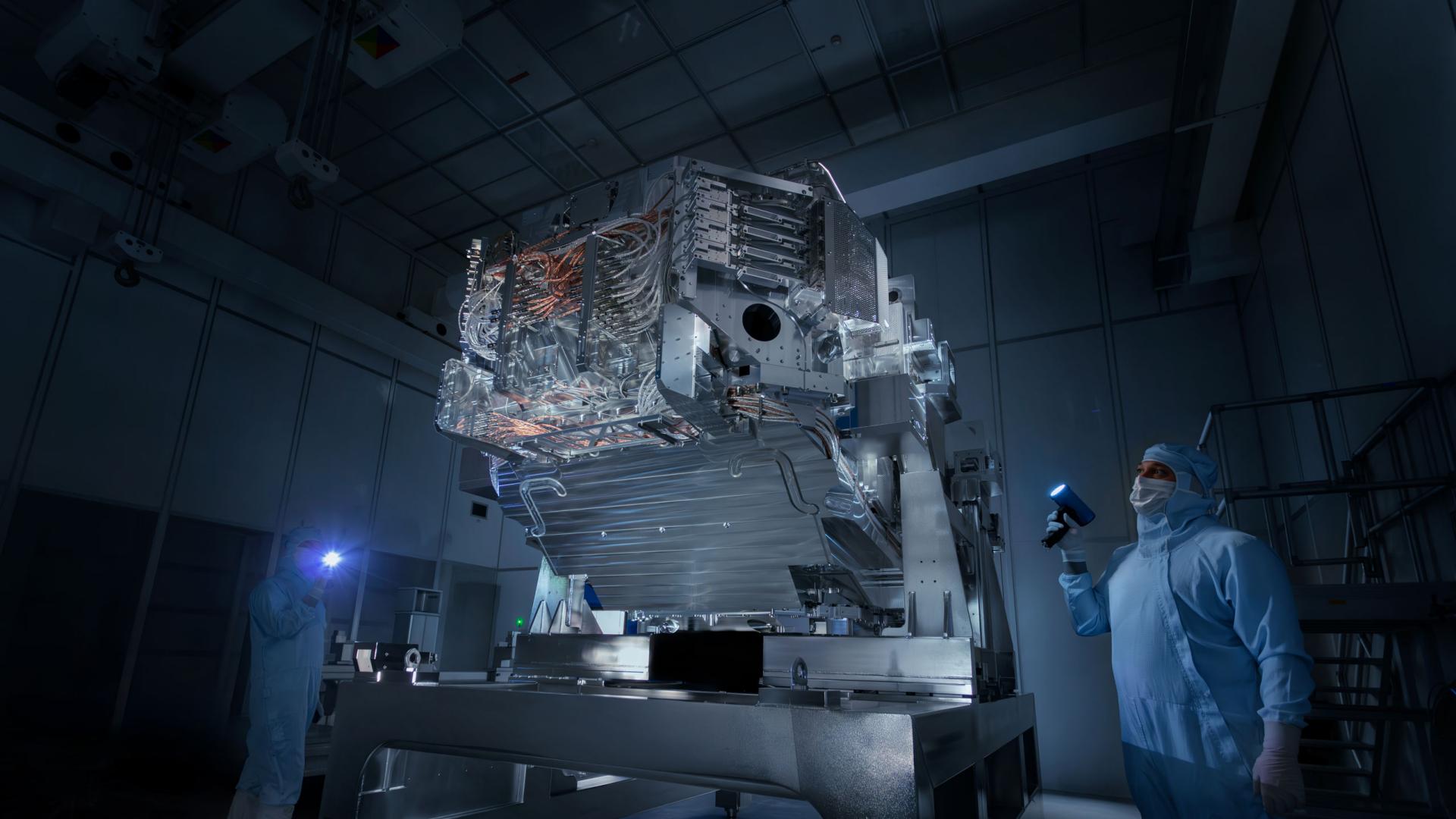
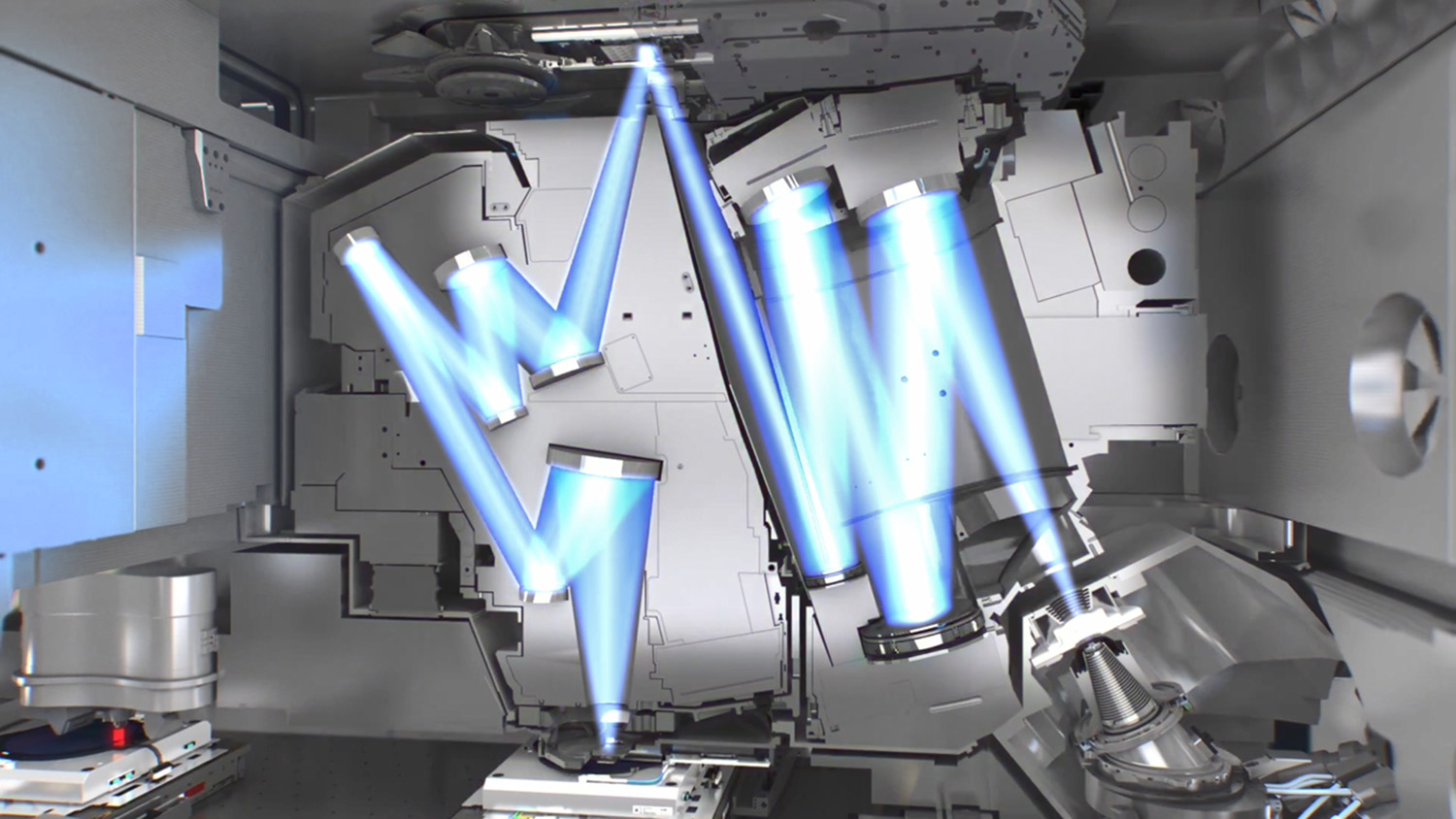
Advanced lithography systems remain foundational to semiconductor progress. Extreme ultraviolet technology enabled critical scaling milestones, yet AI semiconductor manufacturing now requires even higher resolution and precision.
High numerical aperture systems are enhancing pattern accuracy at nanometer dimensions. AI semiconductor manufacturing integrates these optical innovations with computational lithography software capable of predicting and correcting pattern variations before wafers are produced.
The fusion of hardware precision and algorithmic modeling has become a defining characteristic of AI semiconductor manufacturing, reducing defect rates and improving production yields.
Advanced Packaging and System Integration
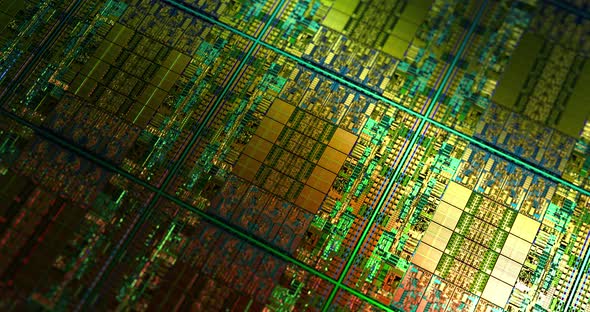
While transistor scaling continues, packaging innovation has become equally important. AI semiconductor manufacturing increasingly incorporates chiplet architectures and three dimensional stacking techniques.
These integration methods allow multiple specialized components to operate as unified systems. AI semiconductor manufacturing thus evolves from simple scaling strategies toward holistic system level design.
Improved packaging reduces latency, enhances power efficiency, and supports AI accelerators designed for massive parallel processing.
Supply Chain Strategy and Industrial Policy
Semiconductor supply chains span Europe, Asia, and North America. AI semiconductor manufacturing holds strategic significance because it underpins artificial intelligence capabilities across industries.
European policymakers have prioritized domestic production capacity to reduce external dependency. Eindhoven’s innovation ecosystem reflects how regional clustering strengthens AI semiconductor manufacturing resilience.
Export controls and global trade dynamics increasingly influence investment decisions. Governments view AI semiconductor manufacturing as essential infrastructure rather than purely commercial enterprise.
Investment Momentum in 2026
Capital expenditure in semiconductor fabrication has reached historic levels entering 2026. AI semiconductor manufacturing represents a substantial portion of new equipment orders and facility expansions.
Foundries are upgrading cleanrooms, installing advanced inspection tools, and expanding research partnerships. Financial analysts observe that AI semiconductor manufacturing drives not only hardware procurement but also software development for process optimization.
Investor confidence remains closely tied to the continued expansion of AI semiconductor manufacturing capacity.
Engineering Challenges at Atomic Scale
Producing chips at atomic scale tolerances presents significant technical hurdles. AI semiconductor manufacturing must maintain precision while increasing throughput and managing operational costs.
Defect detection systems rely on sophisticated imaging technology combined with machine learning algorithms. AI semiconductor manufacturing now incorporates artificial intelligence into its own quality control processes.
Thermal stability and power distribution also require meticulous engineering. Overcoming these challenges ensures that AI semiconductor manufacturing remains scalable and sustainable.
Sustainability and Energy Efficiency
As artificial intelligence infrastructure expands, energy consumption becomes a pressing concern. AI semiconductor manufacturing seeks to minimize environmental impact through efficient process design and reduced material waste.
Modern facilities integrate renewable energy sources and water recycling systems. AI semiconductor manufacturing improvements in yield efficiency decrease the need for reprocessing, lowering overall energy use per wafer.
Balancing performance growth with sustainability objectives defines the next stage of industry evolution.
Analyst Perspective
Industry observers describe 2026 as a turning point. One Amsterdam based semiconductor analyst stated,
“AI semiconductor manufacturing is redefining global industrial strategy, and the nations that lead in fabrication precision will shape the future of artificial intelligence.”
This assessment reflects the growing recognition that manufacturing capability determines competitive advantage in the digital economy.
Economic and Strategic Implications
Advanced chip production influences employment levels, technological independence, and long term economic stability. High performance processors now power industries ranging from medical diagnostics and scientific research to autonomous transportation and secure communications.
Ongoing investment in next generation fabrication strengthens domestic supply chains and supports the creation of highly skilled jobs. Governments increasingly recognize semiconductor capacity as essential infrastructure tied directly to national resilience and innovation leadership.
As artificial intelligence becomes embedded in daily life, from consumer applications to industrial automation, advanced chip production grows inseparable from a country’s ability to compete on the global stage.
Outlook Through Late 2026
Industry projections point to continued expansion through the remainder of 2026. Equipment installations, facility upgrades, and cleanroom construction schedules indicate sustained growth in fabrication capacity.
Although geopolitical uncertainty and trade dynamics may affect timing, the underlying demand for AI driven processing capability remains strong. Production growth is widely expected to influence industrial competitiveness well beyond this year.
The New Frontier of Intelligent Production
The expansion of advanced chip fabrication in Eindhoven during 2026 represents a pivotal moment in industrial transformation. Artificial intelligence has shifted production priorities from incremental transistor shrinkage toward fully optimized system design and extreme precision engineering.
Improvements in lithography, packaging integration, and defect detection enhance the computational backbone of modern digital systems. Semiconductor innovation now sits at the intersection of engineering, economic policy, and technological advancement, shaping progress far beyond regional borders.
As artificial intelligence continues transforming global industries, advanced chip fabrication will remain central to powering this technological evolution.