

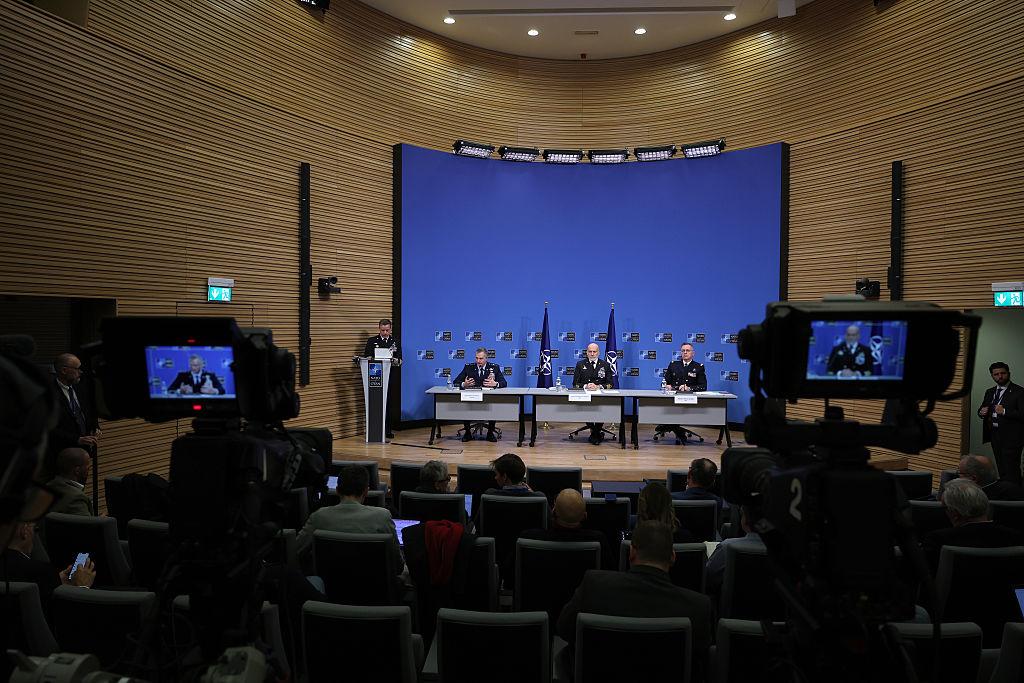
European military cooperation moves into a critical new phase after France confirms expanded defense coordination with Cyprus in 2026.
The decision follows heightened security concerns near a British sovereign base in Larnaca, reinforcing Mediterranean stability.
Officials describe the move as a strategic step to strengthen regional deterrence and protect shared European security interests.
LARNACA, Cyprus — March 3, 2026 — According to Parliament News, that European Military Cooperation entered a new phase this week as France confirmed coordinated defensive support to Cyprus following heightened security concerns near a British sovereign base on the island. The development underscores a broader shift in how European nations are responding to emerging aerial threats across strategically sensitive regions.
The announcement reflects growing attention to unmanned aerial systems and the vulnerabilities they expose. In 2026, policymakers increasingly view collective readiness as essential to regional stability. European Military Cooperation has therefore moved beyond symbolic alignment and into practical, technology driven security reinforcement.
• France confirms expanded defensive coordination with Cyprus
• Drone related concerns prompt rapid allied consultation
• Mediterranean security integration accelerates in 2026
Security Dynamics in the Eastern Mediterranean
The Eastern Mediterranean remains one of the most strategically important corridors linking Europe to the Middle East and North Africa. Cyprus occupies a central geographic position in this network. British sovereign base areas on the island support operations that span surveillance, logistics, and humanitarian missions.
Recent drone related concerns near one of these facilities prompted immediate review by allied defense authorities. Even limited aerial incursions near critical infrastructure can raise alarms in today’s security environment. Officials characterized the response as precautionary rather than reactive.
European Military Cooperation played a central role in ensuring that communication between governments remained swift and coordinated. The ability to align resources quickly has become a defining feature of modern European defense strategy.
France Expands Its Mediterranean Engagement
France has steadily reinforced its strategic footprint across Southern Europe and the Mediterranean basin. The decision to support Cyprus reflects a wider commitment to deterrence through partnership.
Defense experts note that counter drone systems typically rely on layered detection capabilities. Radar, signal interception, and electronic disruption form the backbone of modern aerial defense. These technologies allow authorities to detect and neutralize unauthorized drones without affecting civilian aviation.
European Military Cooperation frameworks facilitate the sharing of such technology among member states. By pooling expertise and infrastructure, participating countries strengthen collective resilience while reducing redundancy in spending.
French officials emphasized that the deployment to Cyprus is defensive in character and designed to protect shared assets rather than escalate tensions.
Cyprus Reinforces National Stability
For Cyprus, security and economic confidence are closely intertwined. The island’s economy depends on tourism, shipping, and international finance. Stability in airspace and maritime corridors is therefore essential.
Authorities confirmed that integration of advanced systems will be conducted in phases to ensure compatibility with existing monitoring infrastructure. Training exercises are expected to continue throughout 2026 to refine interoperability.
European Military Cooperation allows Cyprus to benefit from allied technical expertise while preserving sovereign control over its territory. Analysts suggest that visible preparedness may deter future attempts to test vulnerabilities in the region.
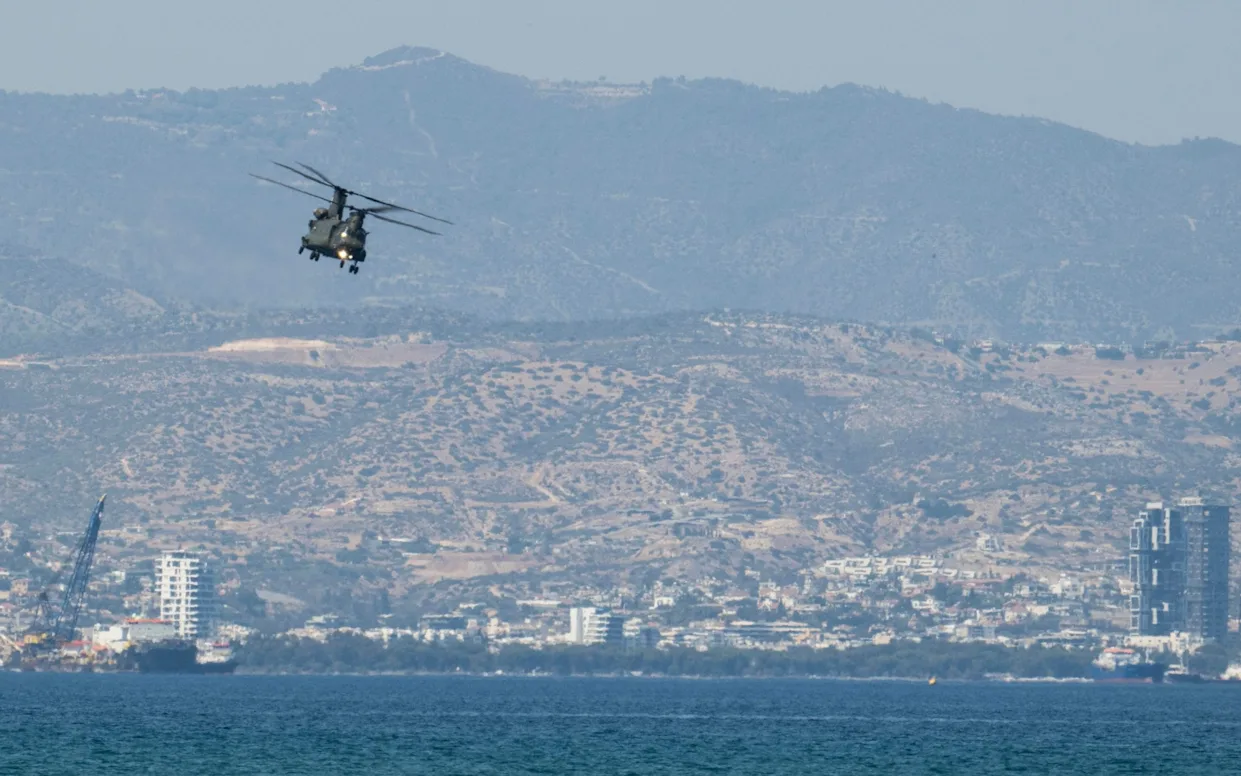
The British Sovereign Base Factor
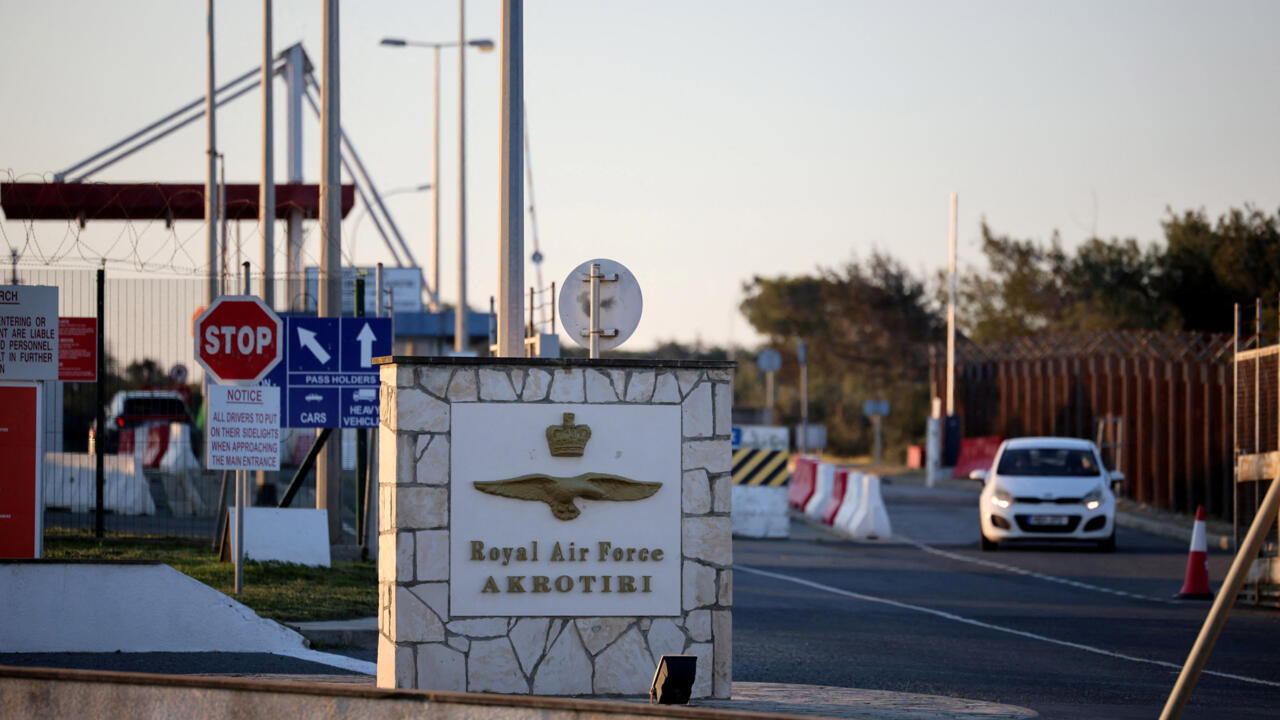
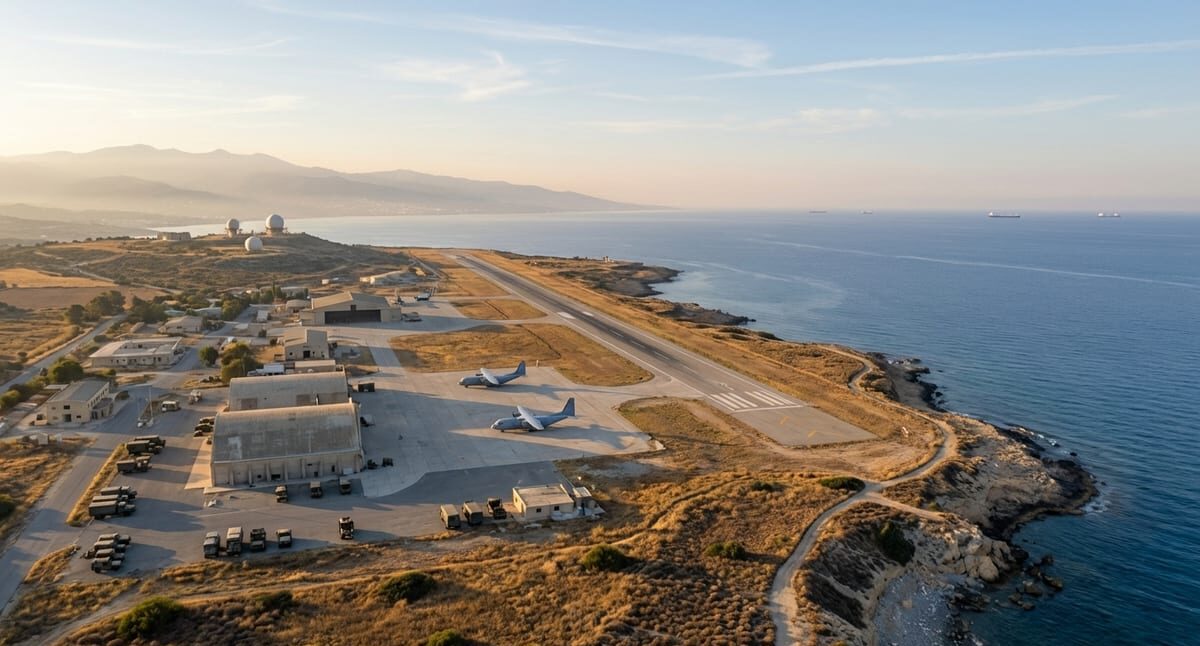
British sovereign base areas in Cyprus serve as operational hubs for regional missions. Their presence elevates the island’s strategic importance within the broader European security framework.
When reports of suspicious drone activity surfaced, consultations among British, French, and Cypriot officials were immediate. Modern defense doctrine prioritizes transparency and joint assessment when incidents involve shared interests.
European Military Cooperation ensures that facilities operated by one ally but located within another’s territory are protected through coordinated planning. This reduces duplication and enhances response time in sensitive scenarios.
While officials have not released operational specifics, they described the review process as thorough and forward looking.
Technology Reshaping Defense Strategy
The proliferation of commercial drone technology has altered global defense calculations. Small unmanned systems can be deployed at low cost and may evade traditional radar systems designed for larger aircraft.
As a result, governments have invested in specialized detection platforms capable of identifying irregular flight patterns and radio signals. These systems are designed to distinguish between civilian recreational drones and unauthorized surveillance devices.
European Military Cooperation increasingly emphasizes innovation. Joint research programs, simulation exercises, and shared procurement strategies enable participating states to adapt quickly to evolving risks.
Defense planners note that the technological landscape will continue to evolve. Preparedness therefore requires ongoing calibration and collaboration.
Historical Comparison: Then and Now
During the Cold War, European security coordination was shaped largely by rigid alliance structures and ideological confrontation. Mediterranean defense planning revolved around state based military threats and conventional force deployments.
In contrast, the 2026 Cyprus development reflects a new era of flexibility and technological adaptation. European Military Cooperation today addresses risks that are decentralized, asymmetric, and often technologically driven rather than purely territorial.
Where earlier defense strategies focused on deterrence through visible troop presence, modern cooperation centers on intelligence sharing, digital surveillance, and rapid technological integration. The shift highlights how European security frameworks have matured from static alignment to dynamic partnership.
Political and Diplomatic Reactions
Political leaders across Europe expressed support for coordinated defensive action. Statements emphasized unity, vigilance, and proportionality.
A senior European defense official said,
“Our collective security depends on preparedness and partnership, and we will continue strengthening cooperation to safeguard shared interests.”
The remark reflects the prevailing philosophy underpinning European Military Cooperation. Rather than relying on unilateral action, European governments increasingly favor coordinated frameworks that distribute responsibility and reduce risk of miscalculation.
Diplomatic observers argue that such visible solidarity also sends a deterrent message without escalating rhetoric.
Economic Implications and Public Communication
Security enhancements often intersect with economic considerations. Cyprus relies heavily on uninterrupted tourism flows and maritime trade. Officials were quick to reassure airlines, shipping companies, and investors that the new measures will not disrupt civilian activity.
Coordination between defense authorities and civil aviation regulators remains a priority. Safeguarding commercial routes while strengthening military readiness requires careful planning.
European Military Cooperation includes established protocols for balancing these interests. Transparent communication helps prevent misinformation and reinforces public confidence in government oversight.
Broader Mediterranean Strategy
The Cyprus initiative may serve as a model for future deployments in other sensitive regions. The Mediterranean continues to face complex geopolitical pressures, including maritime disputes and evolving technological risks.
European Military Cooperation enables rapid mobilization of expertise without requiring permanent large scale installations. Deployable counter drone systems provide flexible coverage based on threat assessments.
Defense analysts expect continued joint exercises across the region in 2026 and beyond. These simulations allow allied forces to refine coordination mechanisms and test new technologies in realistic scenarios.
Long Term Outlook for European Defense Integration
Looking ahead, European Military Cooperation is likely to expand in scope. Artificial intelligence driven detection platforms and integrated digital monitoring systems are already under discussion among defense planners.
The Cyprus development illustrates how proactive measures can prevent escalation. Rather than waiting for confirmed attacks, allied governments are choosing to reinforce defenses in anticipation of potential threats.
This forward leaning approach reflects lessons learned from recent global security incidents. Preparedness reduces uncertainty and strengthens deterrence.
A Strategic Turning Point for Regional Stability
The reinforcement of defenses in Cyprus represents more than a technical adjustment. It symbolizes a broader transformation in European security thinking.
European Military Cooperation has evolved into a cornerstone of regional stability. By aligning strategy, technology, and diplomatic engagement, European nations are creating a unified framework capable of addressing emerging risks.
The Mediterranean remains a vital corridor for trade, energy, and security operations. Protecting infrastructure in this region carries implications far beyond national borders.
As 2026 progresses, policymakers will continue evaluating the effectiveness of enhanced monitoring systems. Early indicators suggest that collaborative approaches are strengthening resilience without provoking unnecessary tension.
In an era defined by rapid technological change, adaptability has become the defining trait of successful defense policy. European Military Cooperation embodies that adaptability, combining innovation with alliance discipline.
The Cyprus case demonstrates that collective vigilance can reinforce stability. Through measured coordination and sustained partnership, European governments are shaping a security environment designed to deter disruption while maintaining balance.
The events unfolding in Larnaca mark a significant chapter in Europe’s evolving defense narrative. Cooperation, once primarily diplomatic in tone, now operates as an operational reality.
As regional dynamics continue to shift, the emphasis on unity and preparedness will likely define the next phase of Mediterranean policy. European Military Cooperation stands at the center of that transformation, guiding the continent toward a more integrated and resilient future.