Detroit, United States, March 3, 2026 — According to Parliament News, that Automotive innovation strategy has moved to the forefront of executive decision making as global manufacturers reshape operations for a new era of electrification, software integration, and environmental accountability. While cost controls and strategic resets remain part of the conversation, innovation is emerging as the anchor that defines long term growth.
Across engineering campuses and advanced research centers in Detroit, teams are refining battery systems, developing intelligent vehicle platforms, and securing intellectual property that could determine industry leadership for years to come. The renewed emphasis on automotive innovation strategy reflects recognition that transformation cannot occur without sustained technological progress.
Manufacturers face rising expectations from consumers, regulators, and investors. Vehicles must be cleaner, safer, smarter, and increasingly connected. Meeting those expectations requires not only capital investment but also cultural commitment to engineering excellence.
A Delicate Balance Between Discipline and Discovery
Strategic realignment often brings difficult decisions. Companies evaluate global footprints, streamline product portfolios, and tighten financial oversight. Yet amid these recalibrations, automotive innovation strategy remains protected as a priority.
Executives acknowledge that research and development spending must be targeted and efficient. However, scaling back innovation risks surrendering competitive ground to rivals. In 2026, leadership teams appear determined to avoid that outcome.
Instead of broad spending reductions, many firms are refining their approach. Investment is concentrated on electric powertrains, advanced driver assistance systems, energy storage, and digital architecture. This disciplined focus strengthens innovation pipelines while preserving financial stability.
Electrification Shapes the Road Ahead
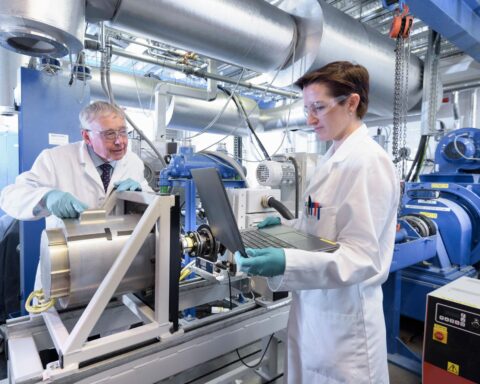
Electric mobility has become central to automotive innovation strategy worldwide. Battery efficiency, charging speed, and range optimization are now primary benchmarks of competitiveness. In Detroit’s research hubs, engineers are working to improve thermal management systems and extend battery lifespan.
Automakers are also exploring solid state battery chemistry and lightweight composite materials. These technologies promise improved safety and performance while reducing environmental impact.
The urgency behind electrification is driven by tightening emissions regulations and shifting consumer sentiment. Drivers increasingly expect sustainable alternatives without sacrificing performance. Automotive innovation strategy must therefore align technological progress with evolving market demands.
Software Is the New Engine
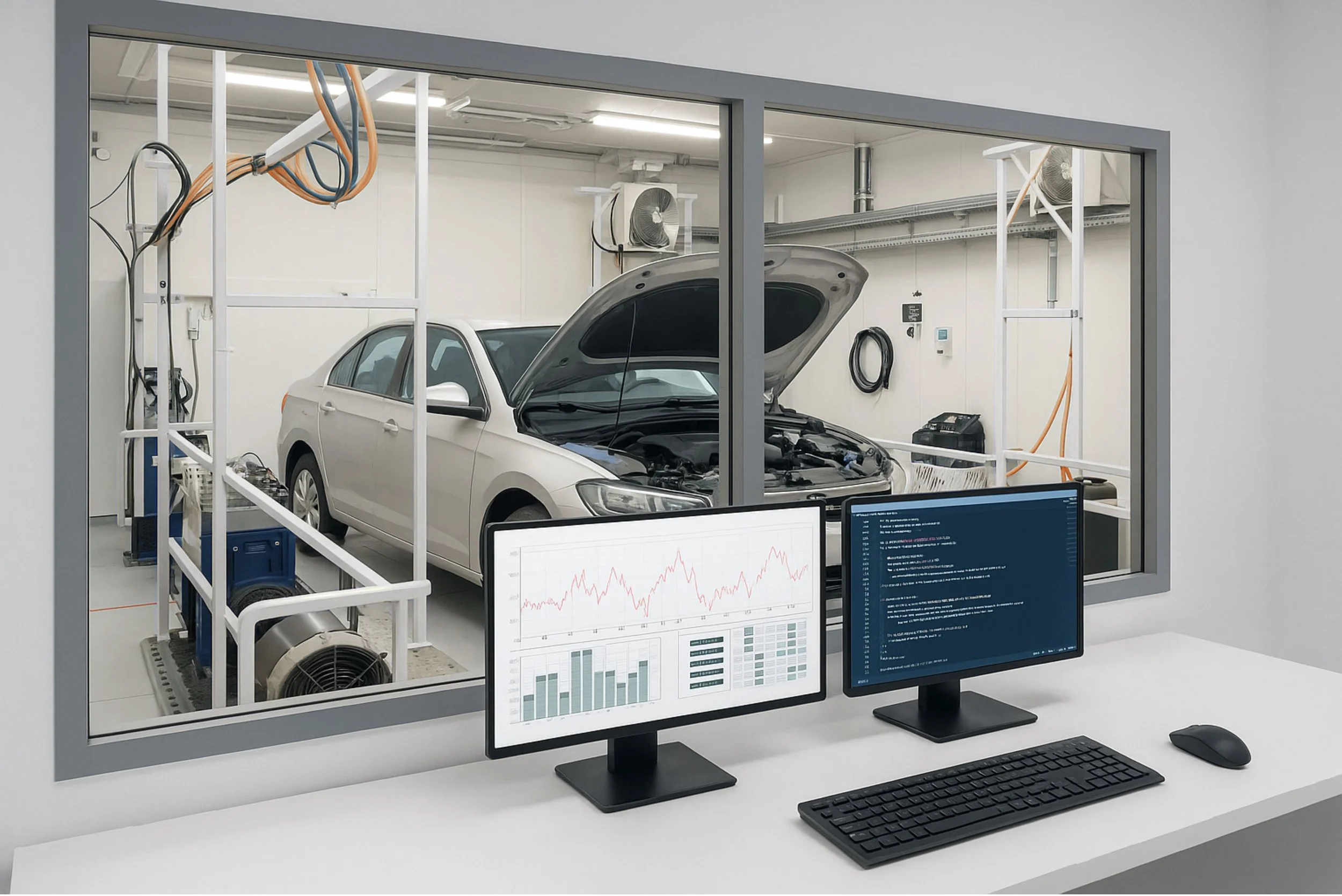
Vehicles are no longer defined solely by mechanical engineering. Software development has become a critical pillar of automotive innovation strategy. From real time diagnostics to advanced infotainment ecosystems, digital capabilities shape user experience.
Connected vehicles rely on secure data transmission and integrated cloud platforms. Over the air updates allow manufacturers to enhance features long after vehicles leave the factory floor. This ongoing digital relationship with customers represents both opportunity and responsibility.
Cybersecurity has emerged as a priority. Protecting vehicle networks from external threats is essential to maintaining trust. Investment in secure software architecture strengthens brand credibility and supports regulatory compliance.

Patents as Competitive Armor
Intellectual property remains a powerful strategic asset. A strong patent portfolio signals depth of research and technological leadership. Automotive innovation strategy frequently includes proactive patent filings to safeguard advancements in propulsion, connectivity, and autonomous systems.
Patents also provide leverage in partnership negotiations. As collaboration becomes more common across battery suppliers, semiconductor manufacturers, and artificial intelligence firms, ownership of proprietary technology strengthens bargaining power.
Financial analysts often view patent activity as a forward looking indicator of growth potential. Companies that maintain consistent filings demonstrate confidence in their innovation pipeline.
Workforce Transformation and Talent Development
Behind every breakthrough lies a workforce adapting to new technological demands. Automotive innovation strategy depends on attracting engineers skilled in software coding, battery chemistry, robotics, and data analytics.
Universities in Michigan and across the United States are expanding programs focused on electric mobility and artificial intelligence. Partnerships between academia and industry are accelerating research commercialization.
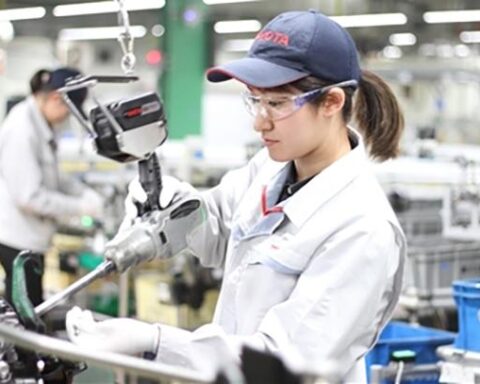
Companies are also investing in retraining programs for existing employees. Technicians accustomed to internal combustion systems are learning to assemble and maintain electric drivetrains. This human dimension underscores that innovation is not solely about machines but about people evolving alongside technology.
Market Reaction and Investor Outlook
Financial markets in 2026 are closely monitoring research pipelines. Investors seek reassurance that transformation strategies will generate long term returns rather than temporary disruption.
Automotive innovation strategy often influences valuation models. Firms demonstrating sustained advancement in electric platforms and digital integration tend to command stronger investor confidence.
However, markets remain cautious. Capital intensity is high, and global economic conditions can shift quickly. Executives must balance optimism with realistic projections to maintain credibility.
Supply Chain Reinvention
Recent years exposed vulnerabilities in automotive supply networks. Semiconductor shortages disrupted production and highlighted dependency risks. As a result, automotive innovation strategy now includes supply chain resilience as a core objective.
Manufacturers are diversifying sourcing partners and investing in predictive analytics to monitor inventory levels. Domestic production of key components has gained strategic importance.
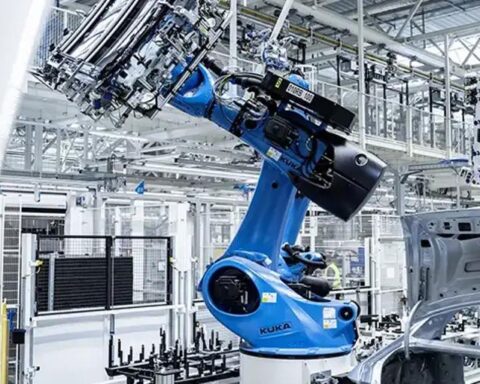
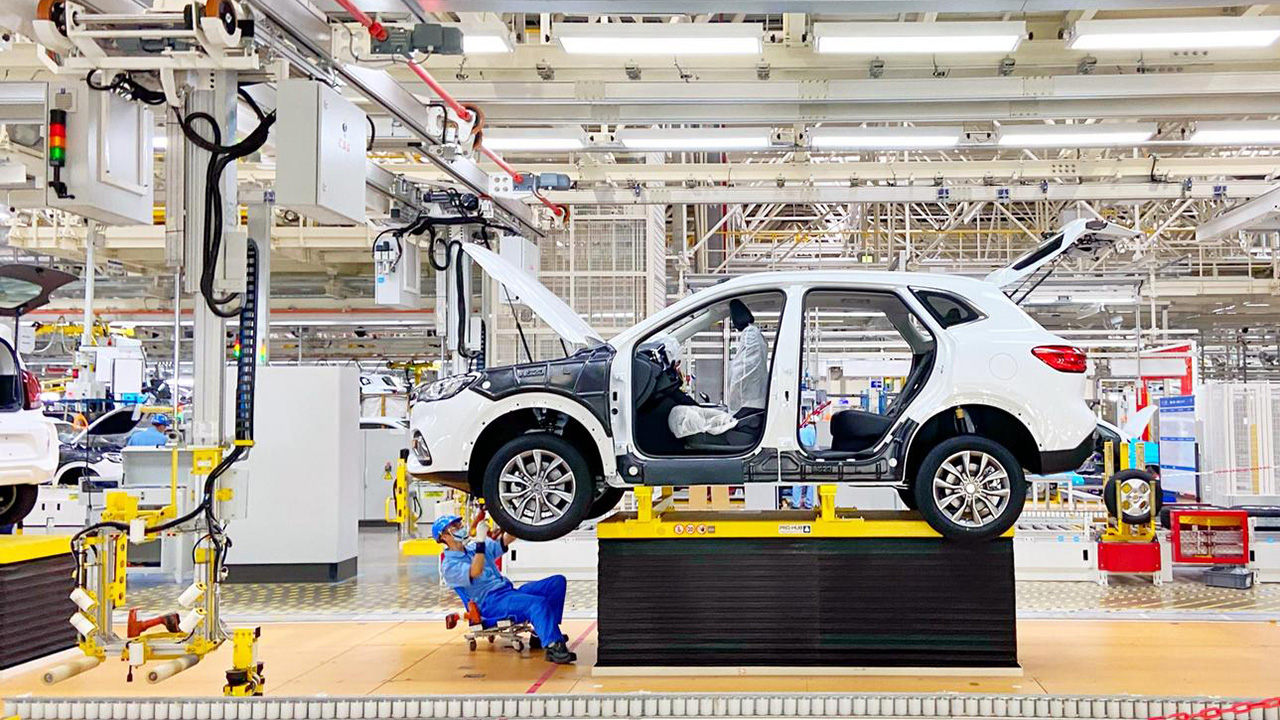
Advanced manufacturing technologies such as additive printing and robotics enhance flexibility. Factories equipped with adaptive systems can pivot more efficiently when disruptions occur.
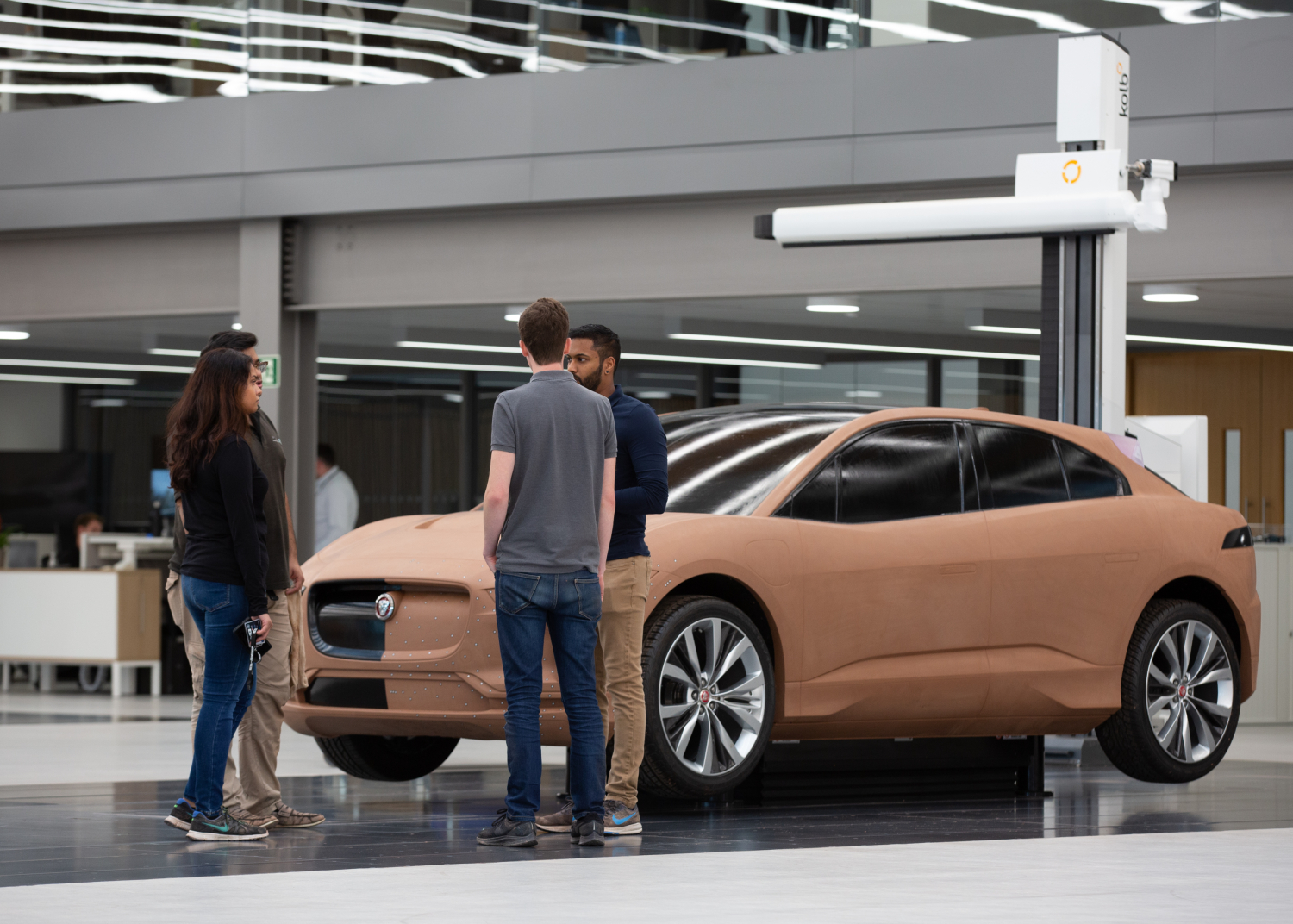
A Historical Comparison of Industrial Transformation
The automotive sector has experienced transformative moments before. The introduction of the assembly line in the early twentieth century revolutionized mass production. Decades later, fuel efficiency mandates reshaped vehicle design during energy crises. Each era required adaptation and bold leadership.
Today’s transformation differs in scope but echoes those earlier shifts. The convergence of electrification, artificial intelligence, and connectivity represents a multi layered evolution rather than a single breakthrough. Unlike past transitions driven primarily by mechanical innovation, modern automotive innovation strategy integrates digital ecosystems and sustainability principles simultaneously.
History suggests that companies willing to invest during uncertain times often emerge stronger. The current wave of technological change may define industry leadership for the next generation, much as assembly line innovation defined the last century.
One Industry Voice on the Future
A senior Detroit based executive recently remarked,
“Our automotive innovation strategy is about building vehicles that reflect how people will live and move ten years from now, not how they moved ten years ago.”
This statement captures the forward thinking mindset shaping 2026. Leaders recognize that anticipating future needs requires courage and sustained commitment. Innovation is framed not as optional experimentation but as an essential pillar of survival.
Environmental Responsibility and Long Term Vision
Sustainability considerations increasingly guide automotive innovation strategy. Manufacturers are reducing carbon footprints across production facilities and exploring recyclable battery materials.
Lifecycle assessments are influencing design decisions. Vehicles must not only operate cleanly but also minimize environmental impact during manufacturing and disposal. Companies adopting circular economy models aim to recover valuable materials and reduce waste.
Environmental performance now influences investor decisions as well. Firms demonstrating credible sustainability roadmaps often gain access to broader capital pools.
Global Competition Intensifies
Competition remains fierce across international markets. Established automakers face pressure from emerging electric vehicle brands and technology driven entrants. To remain competitive, companies are accelerating innovation timelines.
Automotive innovation strategy must account for diverse consumer preferences. While some markets prioritize affordability, others demand advanced connectivity features and premium electric performance.
Strategic alliances have become more common. Collaborations enable shared development costs while expanding global reach. Yet protecting proprietary technology remains essential.
The Road Ahead Is Complex
Uncertainty continues to shape the global economic environment. Geopolitical tensions, shifting trade agreements, and technological disruptions can alter competitive dynamics quickly.
Automotive innovation strategy must therefore remain adaptable. Companies that cultivate agility alongside discipline are better positioned to navigate volatility.
Leadership teams in Detroit emphasize scenario planning and flexible engineering platforms. Vehicles designed with modular architecture allow adaptation across markets without complete redesign.
Beyond Engineering Blueprints
Innovation extends beyond technical schematics. It reflects corporate culture, workforce morale, and societal responsibility. Automotive innovation strategy represents a commitment to progress grounded in human ambition.
Engineers working late hours to refine battery cooling systems, software developers debugging connected platforms, and factory technicians mastering robotic assembly lines all contribute to the broader narrative of reinvention.
In 2026, Detroit stands as both symbol and laboratory of transformation. The city that once defined mechanical mass production now pioneers digital mobility and sustainable design.
The journey forward will demand resilience, patience, and continued investment. Yet momentum suggests that the industry is prepared to embrace change rather than resist it.
If current trends persist, automotive innovation strategy may not only secure competitiveness but also redefine how society experiences transportation in the decades ahead.