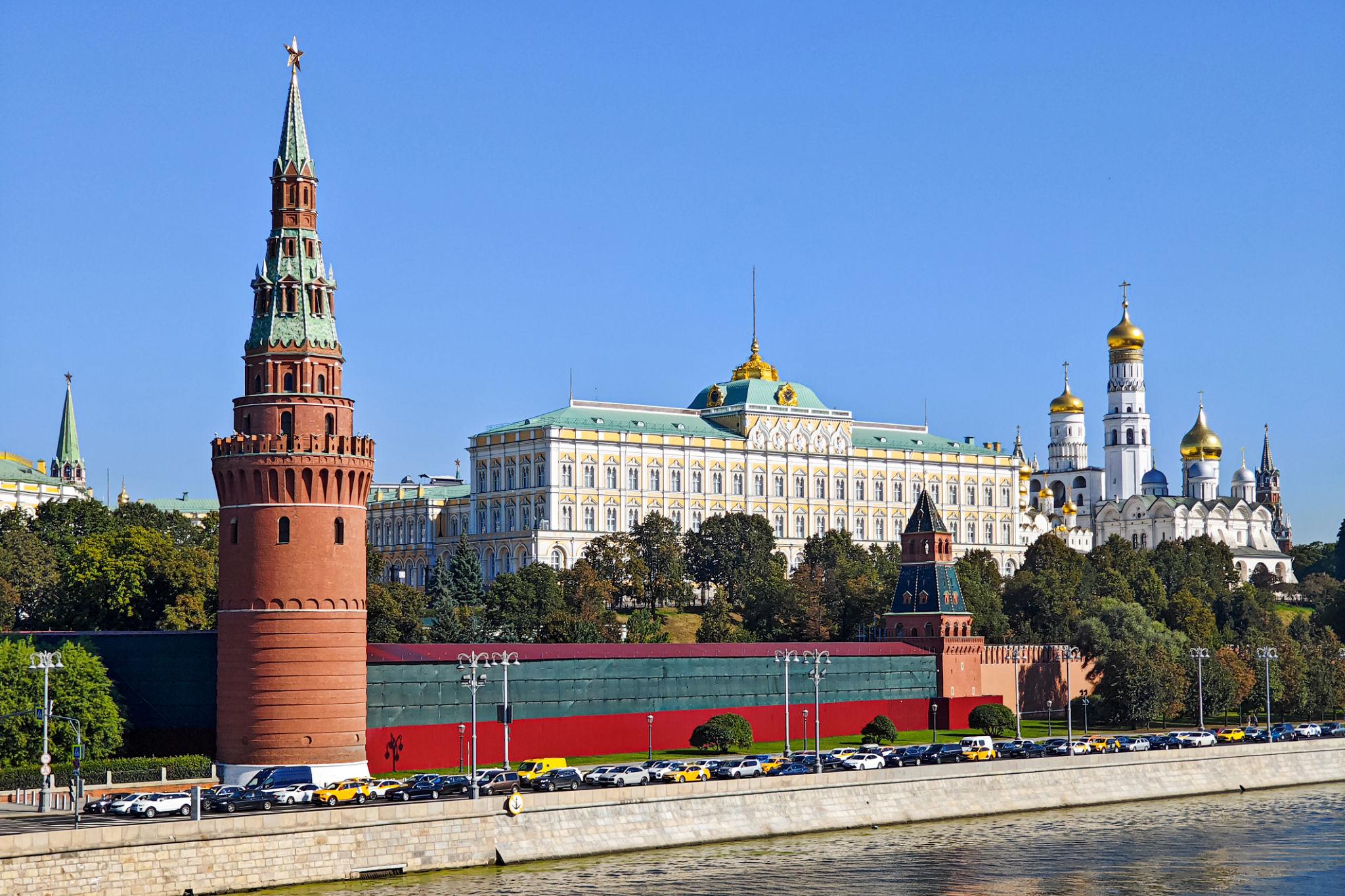
Russia foreign policy in 2026 is reshaping global alliances from Moscow as leaders outline new strategic priorities.
Officials emphasize sovereignty, economic resilience, and expanded partnerships across Asia and the Middle East.
Analysts say the evolving direction could significantly influence global diplomacy and security stability.
Moscow, March 3, 2026 — According to Parliament News, that Russia foreign policy has entered a new phase marked by strategic recalibration, expanded partnerships, and visible efforts to reshape global influence. Officials in the Russian capital have framed this year as one of disciplined adjustment rather than dramatic overhaul. The message coming from Moscow is consistent: sovereignty, security balance, and economic independence remain central pillars.
At the same time, Russia foreign policy is responding to a rapidly changing international environment. Sanctions, shifting alliances, energy transitions, and regional conflicts have altered the diplomatic landscape. Leaders are signaling that adaptability, not isolation, defines the country’s approach in 2026.
Strategic Sovereignty as a Core Principle
The first noticeable shift in Russia foreign policy is a stronger emphasis on strategic sovereignty. Policymakers are reinforcing the idea that national decisions must be shielded from external pressure. This does not mean disengagement from the global system, but rather a preference for partnerships that are mutually beneficial and balanced.
Government representatives consistently describe sovereignty as non negotiable. In practice, this principle shapes negotiations, trade agreements, and defense cooperation. Russia foreign policy now prioritizes alliances where Moscow perceives equal respect for its security concerns.
Domestic audiences often view this focus as a defense of national dignity. International observers, however, see it as part of a broader effort to reshape global power structures.
Energy Diplomacy in a Changing Market
Energy continues to play a defining role in Russia foreign policy. Oil and gas exports remain essential to economic stability, yet global markets are evolving. Renewable energy transitions, fluctuating demand, and pricing volatility require flexibility.
In 2026, Moscow is deepening long term supply agreements with Asian and Middle Eastern partners. Infrastructure investments are being directed toward alternative export routes to reduce dependency on traditional corridors. Russia foreign policy uses energy not simply as a revenue source but as a diplomatic instrument.
Economic resilience has become as important as influence. By diversifying customers and payment systems, officials aim to protect national revenue streams against geopolitical uncertainty.
Expanding Asian Partnerships
A third powerful shift involves expanding engagement across Asia. Russia foreign policy increasingly prioritizes cooperation with China, India, and Southeast Asian economies. Trade corridors linking Eurasian markets are receiving renewed attention.
Security dialogue with Asian partners has also intensified. Joint military exercises and technology cooperation agreements reflect deeper integration. Moscow’s outreach suggests a long term strategy to anchor itself in the fastest growing economic region in the world.
Analysts argue that Asia offers both opportunity and leverage. As Western relations remain complex, diversified partnerships strengthen Moscow’s negotiating position globally.
Recalibrating Relations With Europe
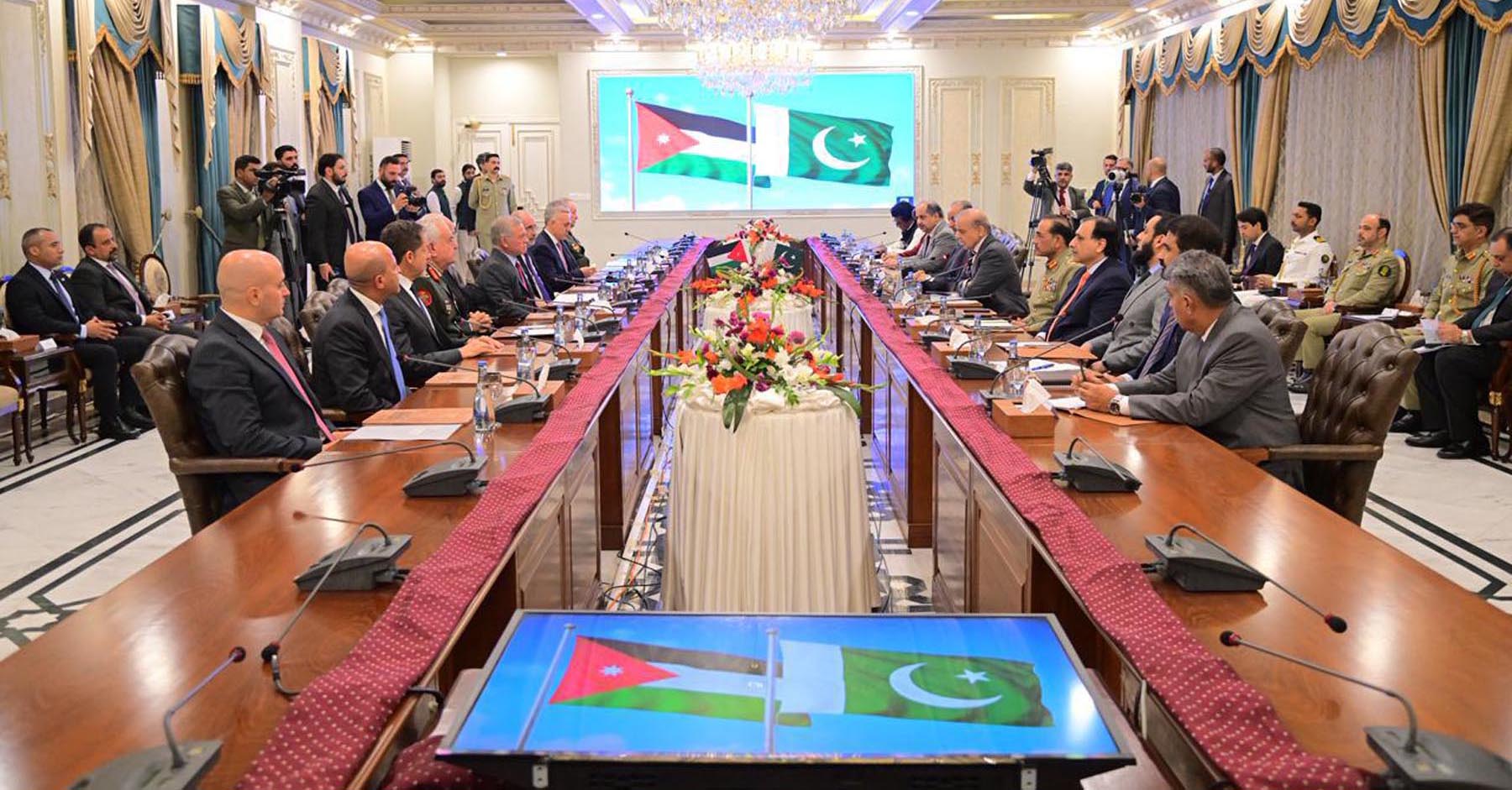
Relations with Europe remain cautious but open. Diplomatic channels continue despite disagreement on security architecture and regional conflicts. Russia foreign policy in 2026 reflects a balancing act between deterrence and dialogue.
Trade persists in select sectors, particularly energy and agriculture, demonstrating that economic ties endure even during political strain. European governments vary in their approaches, with some advocating pragmatic engagement while others maintain stricter positions.
Moscow emphasizes that regional stability requires mutual recognition of security concerns. The tone is firm but avoids overt escalation.
Middle East Mediation and Military Presence
The Middle East remains an arena where Russia foreign policy seeks influence through diplomacy and strategic presence. Moscow maintains active relationships with Iran, Turkey, and Gulf states. The objective appears to be positioning Russia as a consistent actor capable of speaking with all sides.
Military coordination in specific conflict zones underscores continued involvement. At the same time, economic agreements in infrastructure and energy projects reinforce long term ties.
Balancing competing regional interests requires careful diplomacy. Observers note that Moscow’s approach often blends pragmatism with calculated visibility.
Sanctions Adaptation and Economic Realignment
Sanctions imposed in previous years have significantly influenced Russia foreign policy planning. Instead of retreating, policymakers have redirected trade flows and strengthened domestic industries.
Alternative payment systems and currency arrangements have reduced reliance on Western financial institutions. Partnerships with emerging economies now occupy a larger share of total trade.
While economic challenges remain, adaptation measures have reduced vulnerability. Officials frame these efforts as proof of resilience and strategic patience.
Defense Modernization and Strategic Deterrence
Defense modernization continues to underpin Russia foreign policy. Investments in advanced systems and cyber capabilities signal commitment to deterrence. Officials argue that credible defense capacity prevents instability.
Military doctrine updates emphasize readiness and technological innovation. While critics warn of arms competition, Moscow insists that preparedness ensures balance rather than provocation.
Strategic deterrence remains intertwined with diplomatic leverage, shaping negotiations and alliance dynamics.
Historical Comparison: Echoes of the Post Cold War Era
A meaningful historical comparison can be drawn between today’s Russia foreign policy and the early post Cold War period of the 1990s. During that era, Russia sought integration into Western institutions while managing internal economic transition. The strategy emphasized cooperation and structural reform, yet often struggled with economic instability and shifting security arrangements.
In contrast, 2026 reflects a more assertive and self defined posture. Rather than seeking integration under existing frameworks, Russia foreign policy now advocates multipolar balance and institutional reform. The shift from reactive adaptation to proactive positioning marks a significant evolution in diplomatic identity.
This comparison highlights how historical experiences shape contemporary decisions. Lessons from earlier decades influence today’s emphasis on sovereignty and diversified alliances.

Domestic Drivers of External Strategy
Domestic economic stability and public opinion influence Russia foreign policy. Government messaging emphasizes national resilience and technological independence.
Industrial modernization initiatives and workforce stability programs intersect with external partnerships. Officials argue that foreign policy must directly support domestic development.
A senior policy adviser recently stated,
“Our foreign policy must strengthen our sovereignty while opening pathways for economic growth and long term stability.”
This single remark captures the dual focus on protection and progress that defines current strategy.
Information Strategy and Global Narrative
Public diplomacy plays an increasing role. Russia foreign policy includes targeted communication campaigns aimed at shaping international perception.
Broadcasting networks, digital outreach, and cultural exchanges contribute to narrative influence. The objective is to present Moscow as a rational actor advocating balanced global governance.
Managing perception does not replace policy but complements it. In an interconnected world, narrative power influences diplomatic outcomes.
Climate Policy and Arctic Development
Climate diplomacy has emerged as a new dimension. Arctic development projects highlight environmental considerations alongside economic opportunity. Melting ice routes create new shipping corridors, increasing strategic relevance.
Russia foreign policy now integrates climate discussions into broader energy planning. While maintaining fossil fuel exports, policymakers acknowledge global pressure for environmental accountability.
Balancing economic interests with climate expectations presents complex challenges.
Cybersecurity and Emerging Threats
Cybersecurity remains a sensitive domain. Mutual suspicion between major powers limits cooperation. Russia foreign policy includes calls for international frameworks to regulate digital conflict, though consensus remains elusive.
Experts warn that cyber miscalculation could escalate tensions rapidly. Establishing trust mechanisms will likely become a priority in future negotiations.
Institutional Reform Advocacy
Russian representatives continue advocating reform of international institutions. They argue that governance structures should reflect contemporary power realities rather than outdated configurations.
This advocacy forms a central component of Russia foreign policy messaging in 2026. Calls for equitable representation resonate with developing nations seeking greater voice in global decision making.
Whether reform materializes depends on multilateral consensus, but the argument shapes diplomatic positioning.
Public Perception and National Identity
Public opinion influences policy sustainability. Citizens closely monitor global developments, aware that diplomatic decisions affect economic opportunity and security.
Messaging often emphasizes cultural continuity and national pride. Russia foreign policy is presented domestically as a shield protecting identity in a competitive world.
Internationally, perceptions vary. Supporters view Moscow as defending multipolar balance, while critics express concern about assertiveness.
Economic Outlook and Long Term Vision
Looking ahead, Russia foreign policy aims to secure long term stability through diversified alliances and strategic patience. Economic planners emphasize technology partnerships and domestic production growth.
Geopolitical transformation unfolds gradually. Analysts caution against expecting immediate breakthroughs. Instead, incremental adjustments define the trajectory.
The Quiet Architecture of Influence
Beyond high profile summits and headline announcements lies a quieter process. Infrastructure corridors, trade networks, and cultural exchange programs gradually reshape influence patterns.
In 2026, Moscow appears focused on building durable frameworks rather than pursuing short term spectacle. Russia foreign policy reflects calculated effort to balance strength with engagement.
The coming years will reveal whether these powerful shifts produce stability or deepen rivalry. For now, the direction is clear: sovereignty remains central, partnerships are diversifying, and strategic patience guides decision making.
As global power dynamics evolve, Russia foreign policy stands at a crossroads shaped by history, resilience, and ambition. The choices made in Moscow this year may resonate far beyond its borders for decades to come.