

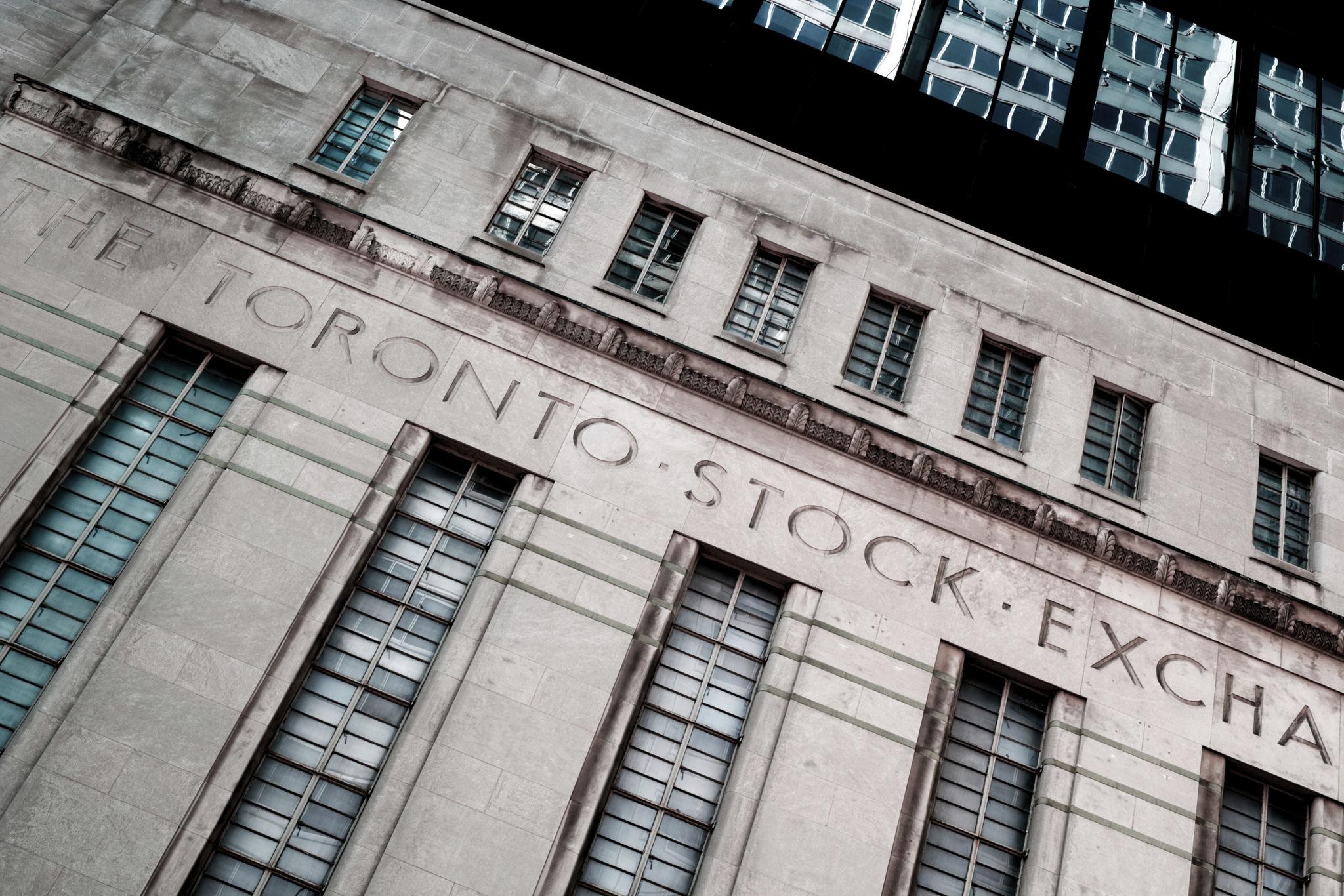
Toronto, March 3, 2026 — According to Parliament News, that The Canadian stock market is facing renewed pressure as global tensions intensify and volatility spreads across international exchanges. Investors opened the week navigating sharp price swings, fluctuating commodity prices, and rising uncertainty linked to geopolitical instability.
The mood on Bay Street reflects a cautious recalibration rather than outright panic. Traders are watching global headlines, central bank signals, and energy markets for clues about where momentum may shift next. While short term declines have unsettled some investors, others view the pullback as part of a broader market cycle.
Understanding what is unfolding requires looking beyond daily headlines. Beneath the surface, several warning signs are shaping expectations for the months ahead.
Rising Global Tensions Are Fueling Volatility
International conflict has once again reminded markets how quickly sentiment can change. Escalating tensions in key energy producing regions have pushed oil prices higher and rattled equity markets worldwide.
Because Canada is deeply tied to commodity exports and global trade flows, the Canadian stock market often reacts quickly to geopolitical stress. Financial institutions, industrial firms, and growth oriented sectors have felt the immediate impact.
Volatility is not new to investors, but the pace of recent swings has intensified. Sharp moves in futures markets overnight have translated into unpredictable openings in Toronto. Many traders are prioritizing capital preservation while waiting for clearer signals.
Energy Prices Create Opportunity and Risk
Canada’s economy is uniquely positioned when oil prices surge. Energy producers may benefit from higher crude prices, yet the broader economic implications are more complex.
Elevated fuel costs can strain consumer budgets and corporate margins. Transportation, manufacturing, and retail sectors may face rising expenses that reduce profitability. That balancing act explains why gains in oil stocks do not automatically stabilize the Canadian stock market.
Investors are weighing short term sector strength against long term inflationary pressures. If higher energy prices persist, central banks could face renewed challenges managing inflation without harming growth.
Financial Institutions Under Pressure
Banks represent a significant share of market capitalization in Toronto. When concerns about economic growth emerge, financial stocks often react swiftly.
Loan growth, mortgage activity, and consumer spending are all closely tied to broader economic confidence. If global instability slows business investment or dampens consumer optimism, earnings expectations may shift.
However, Canada’s banking system remains well regulated and comparatively resilient. Many analysts emphasize that current volatility does not equate to systemic weakness. Instead, it reflects forward looking caution as investors reassess risk.
Technology and Growth Stocks Repricing
Technology and high growth sectors are particularly sensitive to interest rate expectations and global risk sentiment. When uncertainty rises, investors often rotate toward more defensive holdings.
Although Canada’s technology footprint is smaller than that of the United States, it has grown steadily in recent years. Companies focused on artificial intelligence, clean energy, and digital services have attracted significant capital.
Recent market turbulence has prompted some repricing in these areas. Investors are looking for strong balance sheets and consistent cash flow rather than speculative growth narratives.

Shifting Investor Psychology
Markets are driven as much by emotion as by economic data. Fear, optimism, and uncertainty can amplify price movements.
The Canadian stock market is currently reflecting a more cautious mindset. Retail investors are paying closer attention to portfolio diversification, while institutional managers are adjusting exposure to cyclical sectors.
Periods like this often test long term conviction. Experienced investors understand that volatility can create opportunity, but patience becomes essential.
Historical Comparison: Lessons From Past Turbulence
Financial markets have faced similar crossroads before. During the global financial crisis of 2008 and the early months of the pandemic in 2020, Canadian equities experienced steep declines followed by eventual recoveries.
In both instances, uncertainty dominated headlines, and volatility spiked dramatically. Yet as policy responses stabilized conditions and economic clarity returned, markets gradually regained footing. The current environment differs in its specific causes, but history suggests that resilience often follows periods of intense stress.
The Human Side of Market Swings
Behind every data point are real people. Retirement savings, business investments, and family financial plans are tied to market performance.
For many Canadians, watching portfolio values fluctuate can feel personal. Financial advisors across Toronto report increased client calls seeking reassurance and guidance. The focus is not only on returns but on protecting long term goals.
Short term volatility does not necessarily alter retirement timelines or educational savings plans. Maintaining perspective becomes crucial when headlines grow dramatic.
Corporate Earnings Will Set the Tone
Upcoming earnings reports will provide insight into how businesses are navigating uncertainty. Revenue growth, margin stability, and forward guidance will help investors evaluate whether caution is justified.
Export oriented firms may discuss the impact of currency fluctuations and shifting global demand. Energy companies could highlight production levels and hedging strategies. Banks are likely to address credit quality and consumer activity.
Transparency from corporate leaders often helps calm markets. Clear communication can reduce speculation and restore confidence.

Currency and Trade Dynamics
The Canadian dollar often moves alongside commodity prices and global risk appetite. A weaker currency can support exporters but increase costs for imports.
Investors monitor currency trends as part of broader portfolio allocation decisions. International capital flows can amplify market swings, especially during uncertain periods.
Trade relationships remain a key factor. Canada’s economic health is closely tied to its largest trading partners, making global stability particularly important.
Central Bank Policy and Inflation Signals
A Quote From Market Analysts
Market analyst Rachel Turner summarized the current mood by stating,
“The volatility we are seeing reflects uncertainty rather than structural weakness. Investors are cautious, but Canada’s economic foundation remains intact.”
Her perspective captures the balance between concern and resilience shaping market conversations in Toronto.

Looking Ahead Through the Remainder of 2026
The coming months will likely bring continued headline driven fluctuations. Diplomatic developments, commodity trends, and economic data releases will shape sentiment.
Stability may gradually return if geopolitical tensions ease and inflation remains contained. Alternatively, further escalation could prolong uncertainty.
For now, the Canadian stock market stands at a pivotal moment in 2026. The five warning signs outlined above do not guarantee a downturn, but they highlight areas demanding careful attention.
Investors, policymakers, and corporate leaders alike understand that markets are cyclical. Resilience often emerges from periods of stress, and adaptability remains one of Canada’s economic strengths.
As Toronto’s financial district continues to navigate this environment, the broader message is clear: caution and confidence can coexist. Markets may fluctuate, but long term stability is built on fundamentals, discipline, and informed decision making.