
Johannesburg, March 3, 2026 — According to Parliament News, that Drug manufacturing margins are under significant strain this year as pharmaceutical companies confront rising costs, pricing constraints, and operational complexity. In 2026, Johannesburg has become a central point of discussion for executives and analysts tracking how drug manufacturing margins are shaping the future of healthcare production across Africa and beyond.
The pressure is not limited to one company or one region. It reflects a broader global pattern. While demand for medicines remains strong, the economics of producing them have grown more challenging. Drug manufacturing margins are increasingly influenced by cost volatility, regulatory expectations, and competitive procurement systems.
Industry leaders emphasize that pharmaceutical manufacturing is both a business and a public responsibility. Companies must generate sustainable returns while ensuring access to safe and affordable medicines. That balance has become harder to maintain as drug manufacturing margins narrow under financial and regulatory weight.
Rising Input Costs Reshape the Equation
One of the clearest forces affecting drug manufacturing margins in 2026 is the steady increase in input costs. Active pharmaceutical ingredients, specialized chemicals, sterile packaging materials, and transportation expenses have all climbed. Energy prices in particular have weighed heavily on production facilities that require strict temperature control and continuous operation.
Manufacturing plants cannot simply reduce energy consumption without compromising product integrity. As a result, companies absorb higher utility bills that directly compress drug manufacturing margins. Even small percentage increases in raw material costs can significantly affect profitability in high volume generic production.
In Johannesburg, executives describe the situation as manageable but persistent. Companies are renegotiating supplier contracts and exploring alternative sourcing strategies, yet price volatility continues to challenge forecasting models.
The Challenge of Generic Competition
Generic medicines play a vital role in global healthcare systems, but they operate within tight economic boundaries. Governments and hospital networks prioritize affordability, which places downward pressure on contract pricing.
Drug manufacturing margins are especially vulnerable in competitive generic markets. When multiple suppliers bid for large procurement contracts, pricing can fall to minimal profitability levels. Manufacturers must then rely on efficiency and scale to sustain returns.
In emerging markets, procurement policies often emphasize lowest cost bids. While this approach expands patient access, it also forces producers to operate with lean financial cushions. Drug manufacturing margins can shrink rapidly when price reductions outpace cost optimization.
Regulatory Compliance and Quality Investments
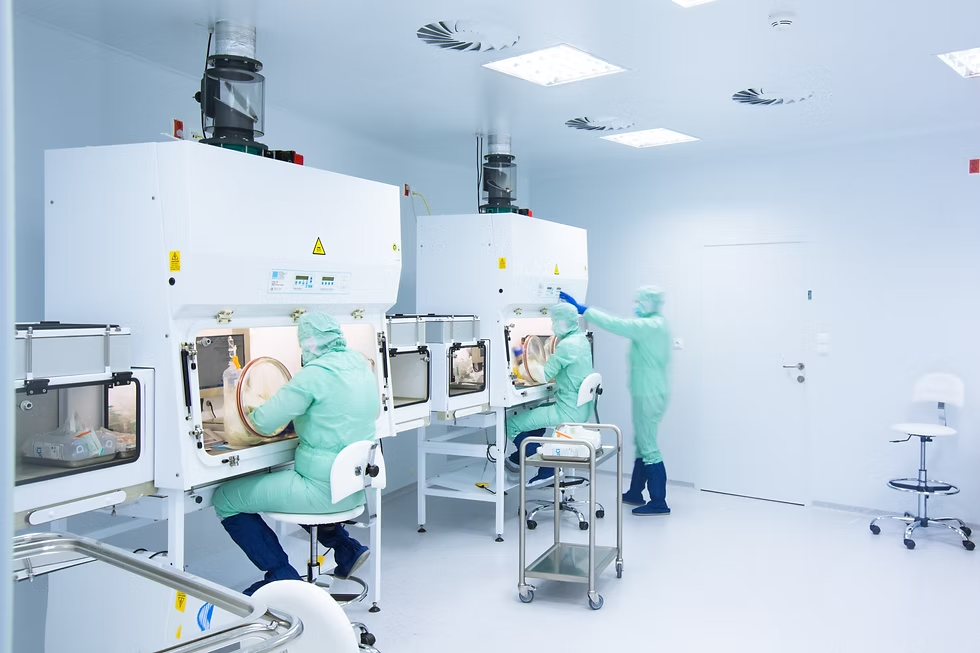
Pharmaceutical manufacturing is governed by rigorous standards designed to protect patient safety. Facilities must comply with local and international regulations that require continuous monitoring, validation, and documentation.
Investing in compliance systems, digital tracking tools, and quality assurance upgrades is not optional. However, these investments carry significant financial weight. Drug manufacturing margins often reflect the cost of maintaining regulatory excellence.
In 2026, several companies in Johannesburg have accelerated digital transformation efforts to enhance traceability and reduce human error. While these upgrades promise long term efficiency gains, they initially increase capital expenditure, temporarily tightening drug manufacturing margins.
Labor Costs and Workforce Development
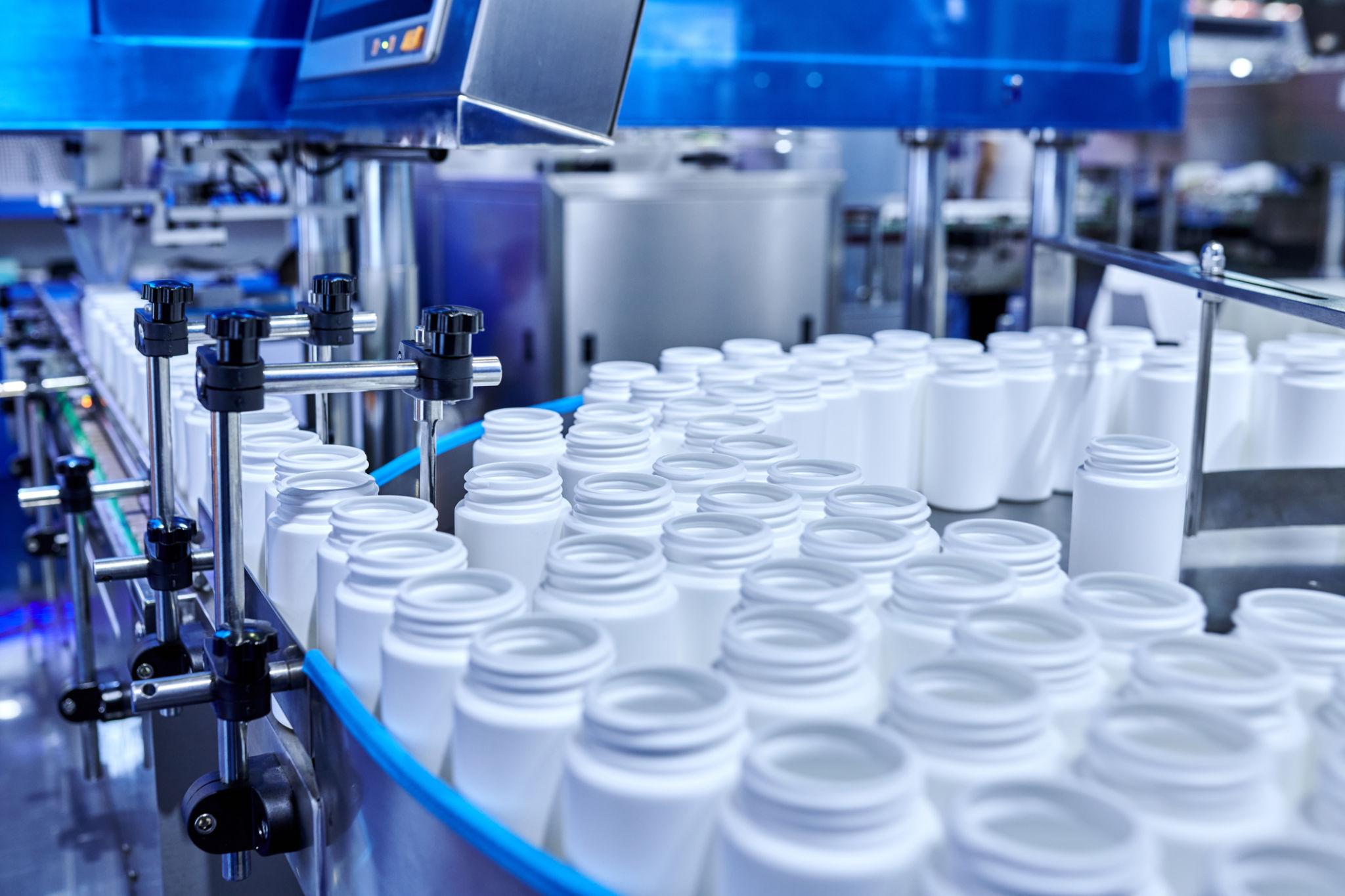
Skilled labor remains at the heart of pharmaceutical production. Engineers, pharmacists, laboratory technicians, and compliance officers are essential to ensuring product quality and operational efficiency.
Competition for experienced professionals has intensified, particularly in specialized fields such as sterile injectable manufacturing and biologics processing. Wage growth, training programs, and retention incentives add to operational costs.
Drug manufacturing margins are influenced not only by salaries but also by the broader need to cultivate a highly trained workforce. Companies recognize that investment in human capital strengthens long term resilience, yet short term profitability can be affected during expansion phases.
Currency Fluctuations and Global Exposure
Many pharmaceutical companies operate across borders, importing raw materials and exporting finished products. Currency volatility introduces another layer of unpredictability.
When local currencies weaken against major global currencies, imported ingredients become more expensive. Conversely, exports may become more competitive internationally. Drug manufacturing margins fluctuate in response to these shifts.
Financial hedging strategies help mitigate risk, but they cannot eliminate uncertainty entirely. In Johannesburg’s financial community, currency exposure remains a key topic when evaluating the sustainability of drug manufacturing margins.
Supply Chain Resilience After Global Disruptions
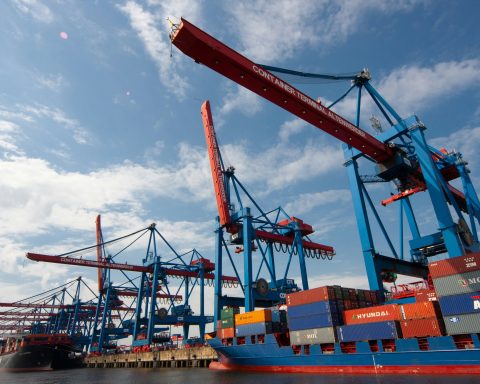
Recent years have underscored the fragility of global supply chains. Delays in shipping, shortages of specialized ingredients, and geopolitical tensions have prompted companies to reassess sourcing strategies.
Diversifying suppliers and increasing local production capacity enhance resilience but require additional investment. Maintaining buffer inventories and redundant systems improves reliability while adding cost layers that influence drug manufacturing margins.
Executives argue that resilience has become as important as efficiency. The lesson learned from previous disruptions is clear: stability often carries a price.
Investor Expectations and Financial Discipline
Investors closely monitor drug manufacturing margins as indicators of operational health. Stable or improving margins signal effective cost management and competitive strength. Declines, however, can prompt concerns about structural weakness.
In 2026, financial analysts in Johannesburg emphasize transparency. Clear communication about cost drivers and strategic investments can preserve investor confidence even during periods of compression.
One senior healthcare strategist commented,
“Margins tell a story not just about profits, but about discipline and long term planning.”
That perspective highlights the importance of managing expectations in a volatile environment.
Historical Comparison
The current environment invites comparison to earlier cycles in pharmaceutical manufacturing. During the early 2000s, rising regulatory standards and global expansion required heavy capital investment, temporarily narrowing margins before stabilizing operations. More recently, the post financial crisis years saw similar pressure when governments tightened healthcare budgets while compliance expectations intensified.
The difference in 2026 lies in the combined weight of cost inflation, global supply uncertainty, and digital transformation requirements. Drug manufacturing margins today are influenced by more interconnected variables than in previous decades. Yet history suggests that periods of compression often precede structural efficiency gains. Companies that adapt strategically can emerge stronger after transitional phases.
Balancing Public Health and Profitability
Pharmaceutical manufacturing is uniquely positioned between commercial objectives and societal responsibility. Affordable access to medicines remains a central priority for policymakers and healthcare providers.
Drug manufacturing margins must support reinvestment in research, facility modernization, and quality control. Without sustainable returns, innovation pipelines may slow. At the same time, excessive pricing is neither politically nor ethically viable.
Finding equilibrium requires collaboration between governments and industry. Transparent procurement processes and predictable regulatory frameworks can help stabilize drug manufacturing margins while maintaining patient access.
Technology as a Path to Efficiency
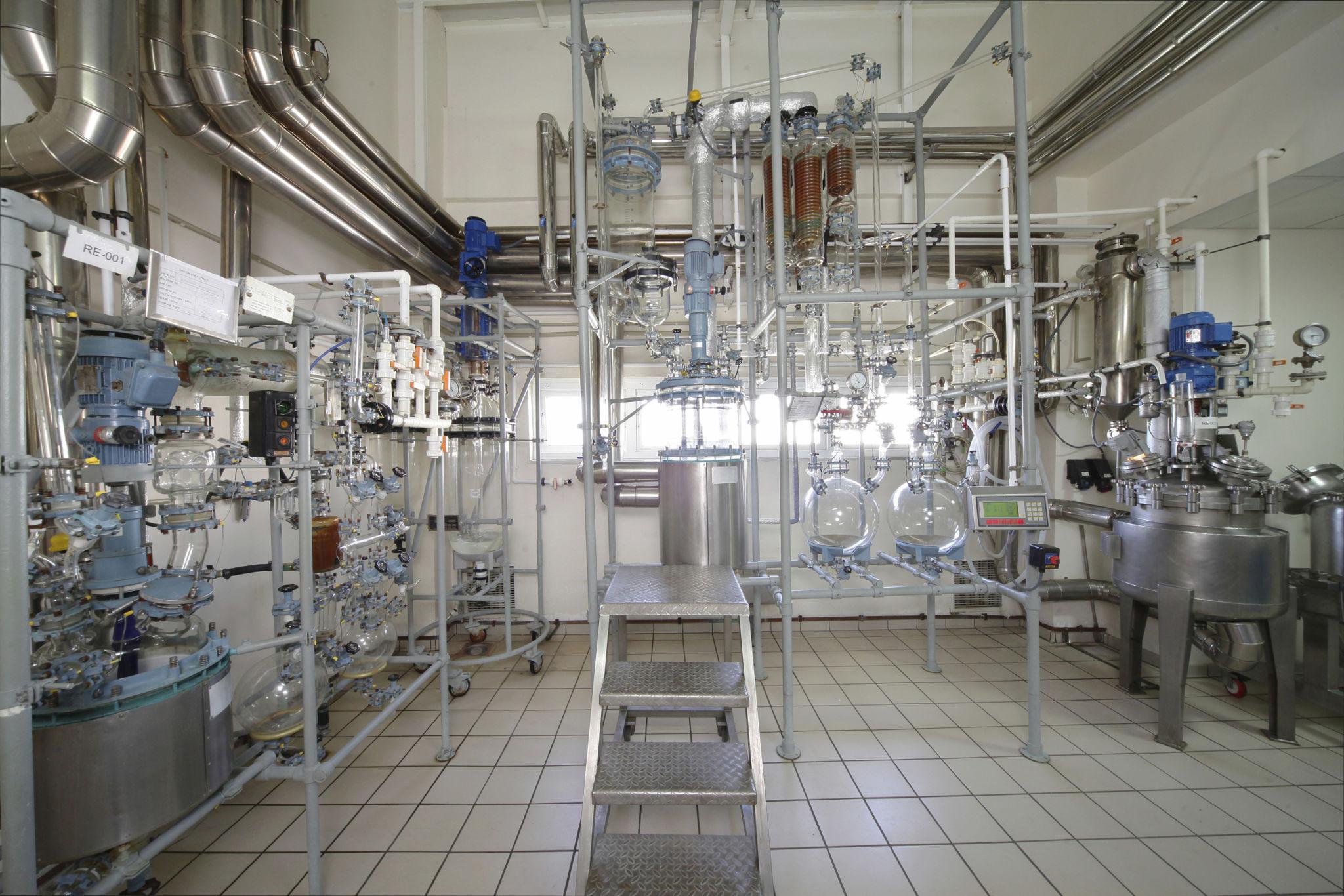
Automation, artificial intelligence, and data analytics are transforming production lines. Smart sensors monitor equipment performance in real time, reducing downtime and waste. Predictive maintenance algorithms minimize costly disruptions.
These technologies hold potential to strengthen drug manufacturing margins by improving productivity. However, adoption requires upfront investment and skilled personnel.
In Johannesburg, several manufacturers are piloting advanced manufacturing systems designed to enhance precision and reduce material loss. While early results are promising, financial benefits will materialize gradually.
Long Term Demand Fundamentals
Despite financial headwinds, demand fundamentals remain solid. Population growth, urbanization, and expanded healthcare coverage continue to drive medicine consumption across Africa and globally.
Drug manufacturing margins may experience cyclical fluctuations, but structural healthcare needs provide long term support. Chronic disease management, vaccination programs, and hospital expansion all require reliable pharmaceutical supply.
Companies that maintain operational discipline during challenging periods are often better positioned to capture growth when economic conditions stabilize.
A New Era of Measured Growth
As 2026 progresses, executives in Johannesburg and beyond are adapting to a new financial environment. The conversation around drug manufacturing margins has shifted from rapid expansion to measured sustainability.
Efficiency initiatives, strategic partnerships, and diversified product portfolios are becoming central to resilience strategies. The industry is recalibrating expectations while preserving its essential mission.
This transitional phase may ultimately strengthen the sector. By confronting cost pressures directly and investing in long term solutions, manufacturers can build a more stable foundation for the future.
Beyond the Numbers A Test of Endurance
Drug manufacturing margins represent more than accounting figures. They reflect the delicate balance between innovation, affordability, and operational excellence.
In 2026, Johannesburg stands at the intersection of these forces. The pressures facing manufacturers are real, yet the industry’s adaptability offers reassurance. History demonstrates that periods of strain often lead to structural improvements.
The coming years will determine how effectively companies transform challenge into opportunity. For now, drug manufacturing margins remain a central measure of resilience in an evolving global healthcare landscape.