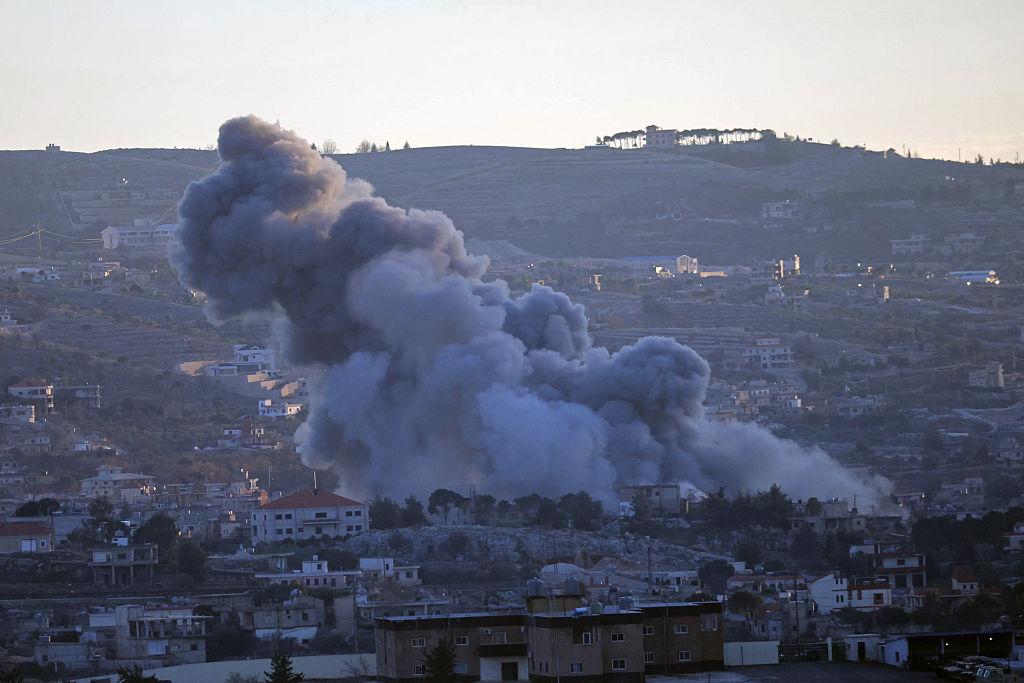
Lebanon — March 4, 2026 — According to Parliament News, that The latest escalation along the Middle East frontier has brought renewed attention to Israel Lebanon border violence, as military strikes and exchanges near southern Lebanon have intensified concerns about regional stability. Local officials confirmed that overnight military activity damaged several structures and caused casualties in communities near the border, while international leaders urged restraint amid fears that tensions could spread beyond the immediate conflict zone.
Residents across southern Lebanon reported hearing aircraft overhead followed by explosions that echoed across several villages. Emergency services quickly responded to affected areas, transporting injured individuals to nearby hospitals and assessing damage to homes and infrastructure.
Security analysts say the situation demonstrates how quickly Israel Lebanon border violence can disrupt fragile peace along one of the most sensitive frontiers in the Middle East. While both sides maintain defensive positions and surveillance capabilities in the region, even limited incidents can trigger broader geopolitical concerns.
Border Communities Experience Renewed Fear
The latest incidents have once again placed civilians living near the frontier at the center of geopolitical tensions. Residents in several Lebanese villages reported that schools temporarily closed and families sought shelter after the explosions were heard overnight.
For communities in the region, the reality of Israel Lebanon border violence has shaped daily life for decades. Farmers, shop owners, and families living near the frontier frequently experience sudden disruptions when tensions rise.
Local humanitarian groups say repeated cycles of military escalation make it difficult for communities to rebuild and maintain stability. Infrastructure damage, reduced economic activity, and security concerns have forced many residents to adapt to uncertain living conditions.
Despite these challenges, many families remain determined to stay in their homes, hoping that diplomatic efforts will eventually lead to a more stable future along the border.
Military Developments Near the Frontier
Defense officials indicated that recent operations were conducted in response to perceived threats originating from locations close to the border. Military authorities stated that surveillance data suggested militant infrastructure was being used to coordinate activities that could threaten nearby territories.
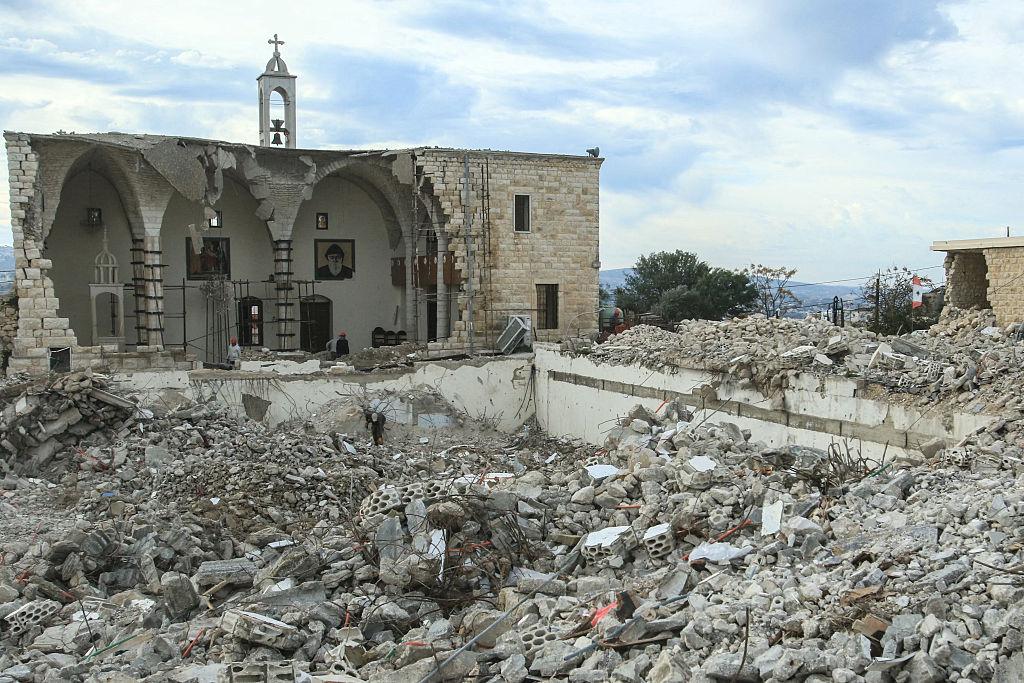
The strikes targeted specific locations believed to have strategic importance. Shortly after the operations began, reports emerged confirming casualties and structural damage.
Observers monitoring the situation say the events represent another chapter in the ongoing Israel Lebanon border violence, where cycles of attack and response often escalate quickly.
Military forces on both sides remain on high alert, reinforcing positions and increasing aerial monitoring in the region.
International Reaction and Diplomatic Pressure
Governments across Europe, North America, and the Middle East responded quickly to reports of renewed clashes. Diplomatic officials called for restraint and emphasized the need for immediate efforts to prevent further escalation.
The United Nations peacekeeping mission operating in southern Lebanon has increased monitoring activities to track developments along the frontier. Officials from the organization reiterated the importance of maintaining ceasefire agreements designed to reduce tensions.
Global leaders have expressed concern that Israel Lebanon border violence could trigger wider instability if retaliatory actions continue. The international community has repeatedly stressed the importance of dialogue and negotiation to prevent the conflict from expanding.
Diplomatic channels remain active as governments seek ways to de-escalate the situation and protect civilians living near the border.
Strategic Importance of the Border Region
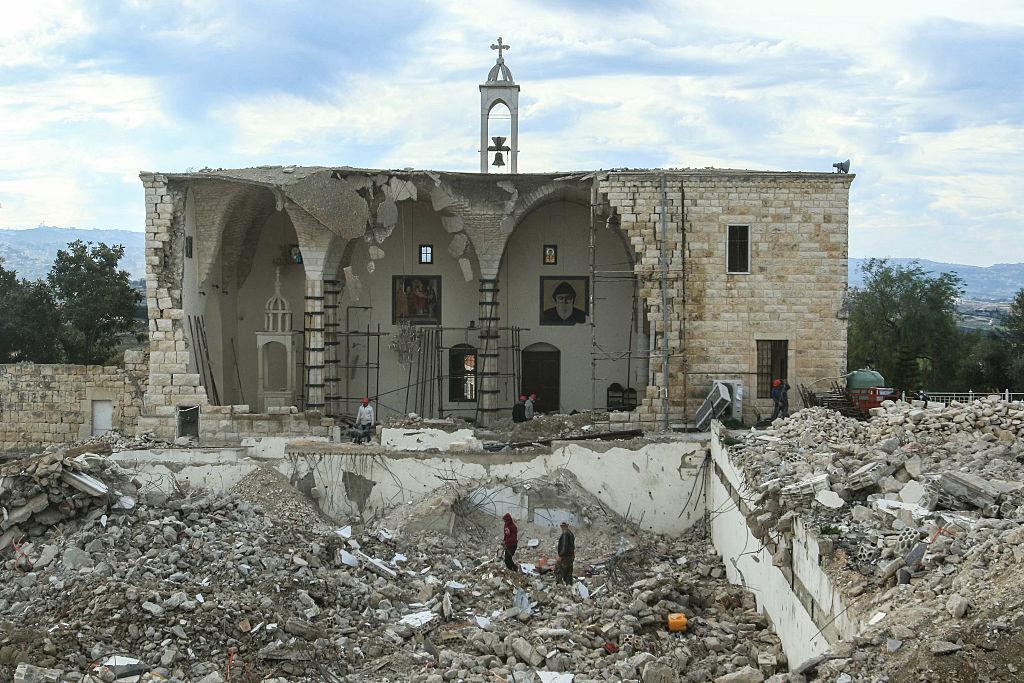
The frontier separating Israel and Lebanon remains one of the most strategically sensitive zones in the Middle East. Its mountainous terrain, dense villages, and nearby military positions create conditions where even minor incidents can escalate quickly. As a result, the region has repeatedly become a focal point of Israel Lebanon border violence whenever tensions rise.
Security experts note that Israel Lebanon border violence is rarely limited to the immediate frontier. Instead, it often reflects broader geopolitical rivalries and security concerns that influence the entire region.
Because of this reality, the area has become central to regional defense planning and diplomatic strategy. Military leaders closely analyze developments tied to Israel Lebanon border violence, knowing that any instability can shift the balance of security across the Middle East.
Diplomats also recognize that Israel Lebanon border violence can quickly affect relations between neighboring countries and international allies. A single escalation may trigger diplomatic responses from global powers with strategic interests in the region.
For that reason, governments and international organizations constantly monitor conditions along the frontier. Whenever Israel Lebanon border violence intensifies, diplomatic channels are typically activated in an effort to prevent the situation from escalating into a broader regional conflict.
Historical Comparison Shows a Pattern of Escalation
The current events cannot be fully understood without examining historical conflicts that shaped the region. The frontier between Israel and Lebanon has witnessed multiple military confrontations over the past several decades.
One of the most significant examples occurred during the 2006 conflict between Israel and Hezbollah. That war caused widespread destruction across southern Lebanon and resulted in major displacement of civilians before an international ceasefire eventually brought the fighting to an end.
In many ways, today’s Israel Lebanon border violence mirrors earlier periods when tensions escalated rapidly due to cross border attacks and retaliatory strikes. Just as in previous conflicts, the latest developments demonstrate how fragile stability remains along the frontier.
The historical pattern suggests that without sustained diplomatic engagement, localized incidents can quickly evolve into larger confrontations.
Economic and Social Consequences of Instability
Beyond the immediate security concerns, recurring clashes also carry significant economic and social consequences for communities living near the border.
Tourism, agriculture, and local commerce often suffer whenever tensions increase. Businesses in border regions frequently close temporarily during periods of heightened military activity.
The persistence of Israel Lebanon border violence has made long term investment difficult in many communities. Infrastructure projects are often delayed or abandoned due to security risks.
Local leaders have repeatedly emphasized the need for stability in order to attract investment and rebuild economic confidence in the region.
Regional Security Concerns Continue to Grow
The situation along the border is closely monitored by governments throughout the Middle East because any escalation could influence regional alliances and security strategies.
Military experts say the presence of multiple armed actors in the region increases the complexity of the conflict environment. This dynamic makes it difficult to predict how incidents related to Israel Lebanon border violence might evolve.
Some analysts warn that prolonged instability could encourage further military responses or provoke additional actors to become involved in the conflict.
These concerns have prompted renewed diplomatic engagement among several countries seeking to prevent the crisis from expanding.
Quote From Security Expert
A regional security expert commented on the situation, saying,
“Conflicts along sensitive borders rarely remain isolated. When tensions rise in such a strategically important region, every development carries implications that extend far beyond the immediate area.”
Diplomatic Efforts Continue Behind the Scenes
While military developments dominate headlines, diplomatic negotiations continue quietly in the background. International mediators are attempting to encourage communication between the parties involved in order to reduce the likelihood of further confrontation.
Peacekeeping forces stationed in southern Lebanon remain responsible for monitoring ceasefire conditions and reporting any violations that occur along the frontier.
Many diplomats believe that sustained negotiation and dialogue remain the only viable path to reducing Israel Lebanon border violence and preventing a broader conflict.
Although diplomatic progress can be slow, history shows that coordinated international engagement can play an important role in maintaining stability.
Communities Seek Stability and Security
For residents living along the frontier, the conflict represents more than geopolitical headlines. It affects daily routines, economic opportunities, and the overall sense of security within their communities.
Families in southern Lebanon and northern Israel continue to hope that political leaders will prioritize long term stability over continued cycles of confrontation.
Local leaders have called for stronger humanitarian support and reconstruction efforts to help communities recover from repeated disruptions caused by Israel Lebanon border violence.
Many residents say they remain resilient despite the uncertainty, determined to rebuild their lives and maintain their communities.
The Future of the Border Remains Uncertain
As international observers continue to watch developments closely, the coming weeks will likely determine whether tensions decrease or intensify.
Military forces remain on alert, and diplomatic discussions continue among global leaders seeking to prevent further escalation. Analysts believe the region has reached a critical moment where strategic decisions made by political leaders could shape the future of the frontier.
The persistence of Israel Lebanon border violence demonstrates how historical grievances, regional politics, and modern security challenges remain deeply intertwined.
For the international community, the priority remains preventing localized incidents from triggering a broader regional confrontation that could destabilize the Middle East even further.
A Frontier That Continues to Shape Middle East Security
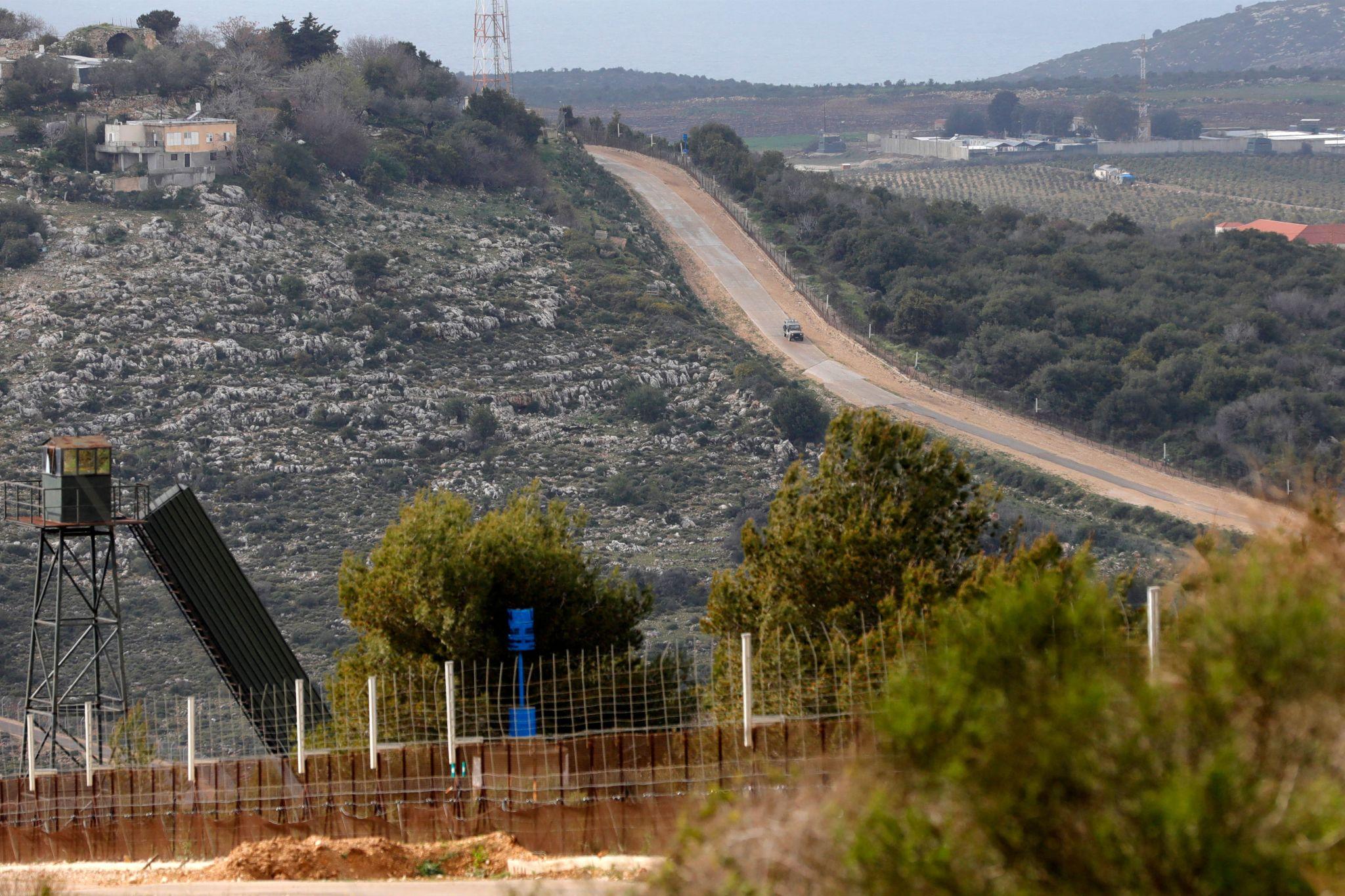
The Israel Lebanon border has long served as one of the most closely watched geopolitical fault lines in the world. Each confrontation reinforces how delicate the balance between stability and conflict remains.
While diplomatic efforts continue, the latest developments highlight the ongoing challenges facing leaders who must navigate complex security concerns and historical tensions.
Ultimately, resolving the issues that fuel Israel Lebanon border violence will require sustained political commitment, international cooperation, and a long term vision focused on peace and stability for the communities that live along the frontier.
For now, the region remains tense, and the world continues to watch carefully as events unfold along one of the most sensitive borders in global politics.