

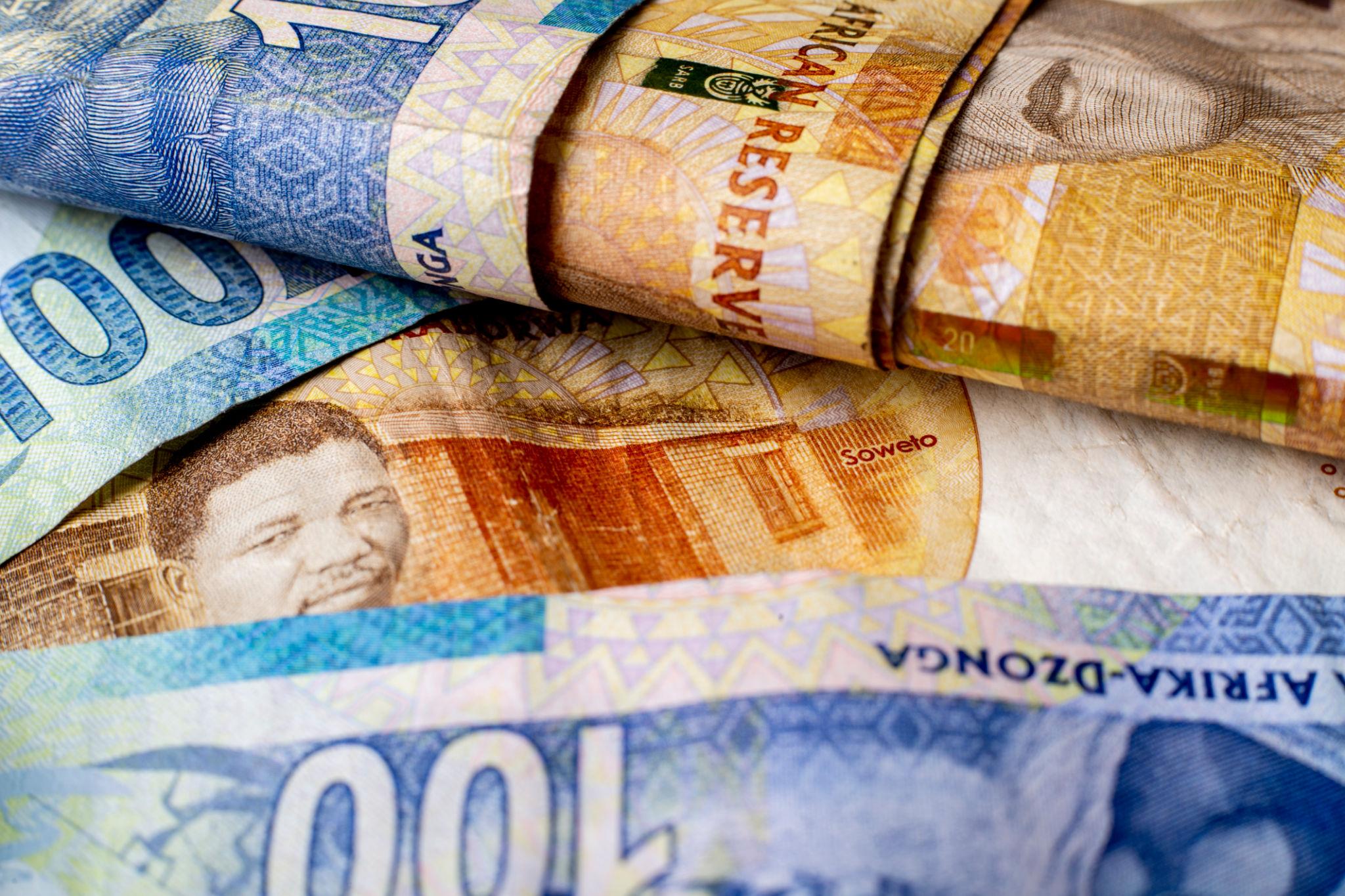
Investors are closely monitoring the rand currency outlook as geopolitical tensions and commodity prices influence global financial markets.
Currency traders are assessing emerging market risks and opportunities in 2026.
Analysts say volatility may continue as global economic signals shape investor sentiment.
JOHANNESBURG, March 4, 2026 — According to Parliament News, that Global financial markets are paying renewed attention to the rand currency outlook as investors analyze geopolitical tensions, commodity demand, and emerging market capital flows. The South African rand has long been one of the most actively traded emerging market currencies, making it a key indicator of investor sentiment toward developing economies.
Currency traders across Europe, Asia, and North America frequently monitor the rand currency outlook because the currency often reacts quickly to global financial developments. This sensitivity makes it both an opportunity and a risk for investors seeking exposure to emerging markets.
In recent trading sessions, the rand has experienced moderate fluctuations as investors weigh international geopolitical developments alongside economic indicators from South Africa. Analysts say the rand currency outlook is closely tied to global investor confidence and the overall direction of commodity markets.
Why the Rand Matters in Global Currency Markets
The South African rand occupies a unique position within global foreign exchange markets. Unlike many developing world currencies, it is traded heavily by international banks, hedge funds, and institutional investors.
Because of this liquidity, the rand currency outlook often reflects global financial sentiment more quickly than many other emerging market currencies. Traders frequently use it as a proxy for broader risk appetite across developing economies.
Several key factors influence currency movement in South Africa:
- Commodity export performance
- Global economic growth
- Monetary policy decisions
- Foreign investment flows
- Political and economic stability
Each of these factors contributes to how analysts interpret the rand currency outlook and determine potential future currency movements.
Commodity Markets Play a Central Role
South Africa’s economy is heavily influenced by its natural resources sector, which produces some of the world’s most valuable metals and minerals. Gold, platinum, palladium, and coal exports all contribute significantly to national income.
Because commodities are such a major component of the economy, the rand currency outlook often moves alongside global commodity prices. When demand for metals increases, export revenues typically rise, strengthening the country’s currency.
Gold prices in particular have historically played an important role. During times of global uncertainty, investors often purchase gold as a safe asset. Since South Africa is a major gold producer, increased demand can indirectly support the national currency.
In addition, the country dominates global platinum production. Industrial demand for platinum from automotive and manufacturing industries helps sustain export revenues that influence the rand currency outlook.
Geopolitical Tensions and Currency Volatility
Currency markets rarely operate in isolation. Political and geopolitical developments can have immediate effects on investor confidence and financial market stability.
The rand currency outlook has recently drawn attention as global investors evaluate developments in several geopolitical regions that could influence trade routes, energy supplies, and inflation expectations.
When geopolitical tensions rise, investors often move money into traditionally safer assets such as U.S. Treasury bonds, the U.S. dollar, or gold. These shifts can temporarily weaken emerging market currencies.
However, when tensions stabilize or global risk sentiment improves, investors frequently return to higher yield assets. This renewed investment can strengthen emerging market currencies and influence the rand currency outlook.

Interest Rates and Monetary Policy Influence
Monetary policy decisions made by South Africa’s central bank are another major factor shaping the currency’s trajectory. Interest rates determine how attractive a currency is to global investors seeking returns on their investments.
When interest rates are relatively high compared with those in developed economies, investors may allocate more capital into the country’s financial markets. This inflow of investment can strengthen the national currency.
The South African Reserve Bank has historically maintained a cautious and disciplined approach to inflation control. Because of this stability, many analysts view the rand currency outlook as closely tied to expectations surrounding inflation and interest rates.
If the central bank continues to manage inflation effectively while maintaining competitive interest rates, investor confidence could provide support for the currency.
Global Capital Flows Shape Currency Movement
Foreign investment plays an essential role in emerging market economies. Large institutional investors constantly adjust their portfolios depending on global financial conditions.
The rand currency outlook is particularly sensitive to these capital flows because South Africa maintains relatively open and liquid financial markets compared with many developing economies.
When global investors feel confident about economic growth, they often increase their exposure to emerging markets in search of higher returns. This inflow of capital can strengthen currencies and support financial markets.
However, during periods of uncertainty or tightening global financial conditions, investors may reduce exposure to emerging markets. These shifts can lead to currency volatility and influence the rand currency outlook.
Economic Challenges Still Facing South Africa
Despite its strengths, South Africa continues to face structural economic challenges that influence long term investor confidence.
Economic growth has been inconsistent over the past decade, and issues such as unemployment, infrastructure limitations, and electricity supply disruptions have weighed on the economy.
Government reform initiatives have attempted to address these problems, but progress has been gradual. These structural factors remain important considerations when analysts evaluate the rand currency outlook.
Long term stability will depend on continued economic reform, infrastructure investment, and improvements in business confidence.
Historical Comparison Shows a Pattern of Volatility
A historical comparison reveals that the South African rand has experienced cycles of strength and weakness tied closely to global economic conditions. During the commodity boom of the early 2000s, strong demand for minerals helped strengthen the currency significantly.
However, the global financial crisis of 2008 triggered a sharp decline in emerging market currencies, including the rand, as investors rapidly shifted funds toward safer assets.
In the years that followed, the currency experienced repeated swings depending on global economic growth, commodity demand, and domestic economic policy decisions. This historical perspective helps explain why analysts closely examine the rand currency outlook whenever global uncertainty increases.
Understanding these patterns allows investors to better anticipate how global economic developments may influence the currency.
Traders Balance Risk and Opportunity
Professional currency traders often view the South African currency as both a risk and an opportunity. The currency’s volatility means it can deliver strong returns during periods of global economic optimism.
At the same time, sudden geopolitical or economic shocks can lead to rapid declines in emerging market currencies.
The rand currency outlook therefore attracts both long term investors and short term traders who seek to capitalize on currency fluctuations.
Many traders analyze macroeconomic indicators, commodity markets, and geopolitical developments before making investment decisions related to emerging market currencies.
Analysts Offer Cautious Forecasts
Financial institutions and currency analysts remain cautious about predicting the future direction of emerging market currencies. Global economic conditions remain uncertain, and many variables could influence currency movements in the months ahead.
The rand currency outlook will likely depend on several major developments:
- Global interest rate trends
- Commodity market demand
- Geopolitical stability
- Domestic economic reforms
- Global investment flows
Each of these factors will shape investor sentiment and influence how financial markets assess emerging market risk.

A Currency Reflecting Global Confidence
Ultimately, the South African rand often acts as a reflection of broader investor confidence in emerging markets.
The rand currency outlook is shaped not only by domestic economic performance but also by global economic trends, geopolitical developments, and commodity market dynamics.
As international markets continue navigating economic uncertainty, investors will likely keep a close watch on South Africa’s currency as an indicator of emerging market opportunity.
In the evolving landscape of global finance, the rand currency outlook will remain a key signal for traders and policymakers seeking to understand how risk and opportunity are shifting across the world economy.