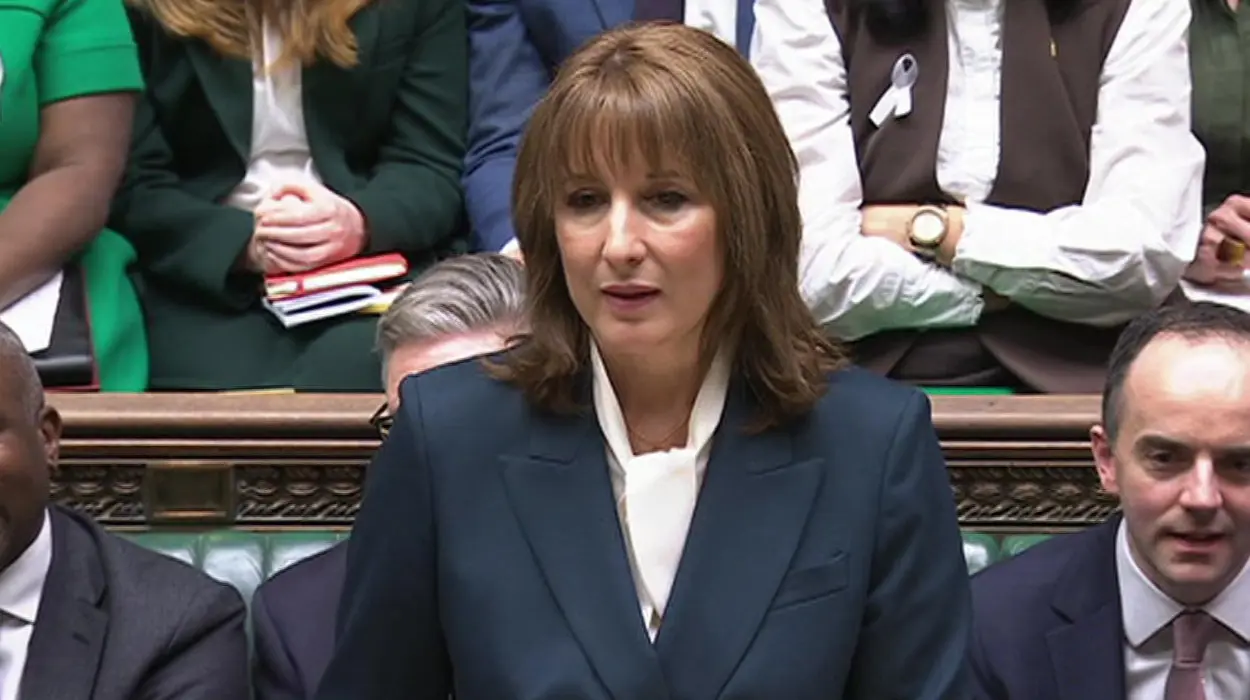
The Chancellor of the Exchequer delivered the 2026 Spring Statement to the House of Commons yesterday. This Treasury update sets out the current fiscal trajectory of the United Kingdom, including the publication of independent forecasts.
In a blow to the Government, the Office for Budget Responsibility (OBR) revised the gross domestic product (GDP) growth forecast downward. The new projection stands at just 1.1% for the current fiscal period.
While suggesting that the primary drivers for the downwards revision were persistent supply-side constraints and global geopolitical instability. The Chancellor warned that the ongoing conflict in the Middle East would exert upward pressure on global energy price were also to blame – as higher energy costs directly influence domestic inflation, impacting everything from transport to agriculture.
Importantly, the Government made no new significant tax, instead remaining focused on existing structures (tax rates). However, even without new headline tax increases, the total tax burden is projected to reach 38.5% of GDP by the year 2031. This figure represents a historic high for the British economy. The mechanism driving this increase is fiscal drag.
Fiscal drag occurs when tax thresholds remain frozen while nominal incomes rise. The personal allowance remains fixed at £12,570. Higher-rate thresholds also remain unchanged. As wages increase to match inflation, more taxpayers move into higher tax brackets. This process increases total tax receipts without legislative rate changes. Policy analysis suggests this strategy is central to the Government’s fiscal consolidation plan. The government seeks to reduce the national debt-to-GDP ratio through these automated revenue increases.
This strategy is not without risk, as the OBR estimates that be the fiscal year 2030-31, an additional one million pensioners will pay income tax. This shift is a direct consequence of the state pension exceeding the frozen personal allowance of £12,570. The triple lock mechanism ensures pension increases correlate with inflation or wage growth. Since the tax-free threshold is not indexed, the state pension will eventually cross this limit. This result transforms the state pension into a taxable income source for a larger segment of the population – a population that is more likely to vote and which has already forced the Government to U-turn over its winter fuel payments policy.
Other challenges facing the Chancellor include health and defence spending. The OBR cautions that current funding levels face “sustainability challenges”. Demographic shifts and an ageing population increase the demand for medical services. This demand necessitates higher resource allocation to the National Health Service. The Spring Statement maintains current departmental expenditure limits. However, the OBR warns that these limits may be insufficient to meet future healthcare requirements without significant public sector productivity improvements.
While a commitment to significantly increase defence spending to 2.5% and then to 3% as the global security outlook appears more uncertain than at anytime since the collapse of the Soviet Union, is still to be funded. The OBR noted that this commitment adds to the overall spending pressures on the exchequer.
But even as the Chancellor stood up to give her statement, questions over the figures rang out. The conflict in the Middle East that erupted on Saturday has already sent oil and gas prices skywards, has seen stock markets tumble and will act as a significant drag on the global economy.
Should the war continue for more than a month, there will be further significant pressure on energy costs as oil reserves dwindle, oil production is impacted and the closing of the Strait of Hormuz forces shipping to take a much longer route. This could easily force up inflation, with matched increases in interest rates from the Bank of England, raising the cost of borrowing and debt servicing.
This is important as debt interest payments already consume a significant portion of the Government’s annual budget. Any increase in these costs will quickly eat up the Chancellor’s “fiscal headroom”, leading to either further tax increase or cuts to spending, both of which would be politically difficult for both No 10 and No 11.
Further problems facing the Chancellor include stalled business investment, with forecasts offering no positive headlines, above-inflation public sector demands, and high levels of unemployment, which look set to continue.
For her part, the Chancellor hopes that by rigidly sticking to her plans and providing certainty for business and investors, she can buck the forecasts and deliver not just better growth but that all-important feel-good factor to ordinary voters ahead of the next general election.