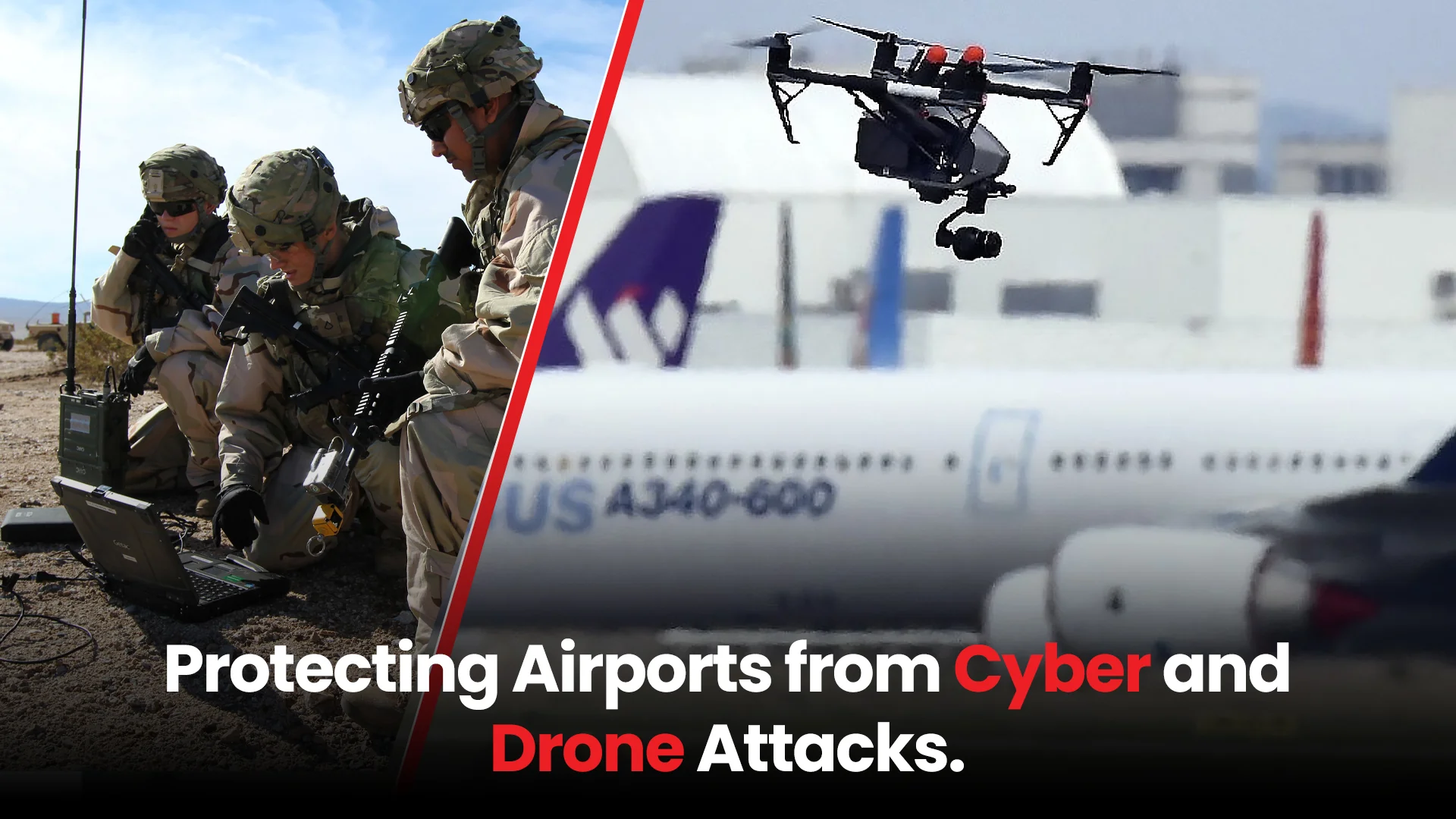
Baku, Azerbaijan — March 5, 2026 — Parliament News — An Azerbaijan drone crash incident near airport infrastructure outside the capital left several civilians injured and triggered an urgent investigation by aviation and security authorities. Emergency crews responded quickly to the scene after an unmanned aircraft fell in a populated area close to airport operations.
Officials secured the location while investigators began analyzing debris from the drone to determine the cause of the crash and how it entered the airspace near the airport.
• Drone crashed near airport zone outside Baku
• Civilians injured during the incident
• Aviation and security authorities launched investigation
The incident immediately raised concerns about aviation safety and drone activity near sensitive infrastructure.
Drone Crash Occurs Near Airport Security Zone
Authorities confirmed the Azerbaijan drone crash incident occurred near the perimeter of a major airport serving the capital city. Witnesses described hearing a sudden explosion-like sound before smoke appeared in the area where the drone crashed.
Emergency responders arrived quickly to treat injured individuals and establish a secure perimeter around the crash site.
Airport security teams coordinated with local law enforcement to ensure no additional hazards remained in the area.
Officials stated that the crash occurred outside the main runway zone and did not interfere with aircraft departures or arrivals.
Nevertheless, aviation safety specialists immediately began assessing the situation to ensure that the airspace remained secure.
Civilians Injured as Emergency Teams Respond
Medical authorities confirmed that several civilians were injured during the Azerbaijan drone crash incident.
Emergency teams provided immediate assistance at the scene before transporting victims to nearby hospitals for additional treatment.
Doctors described the injuries as moderate but not life threatening.
Local residents said the crash created confusion as people initially struggled to understand what had happened.
One witness described the moment the drone fell from the sky.
“There was a loud noise followed by smoke rising near the airport area. People came outside quickly to see what had happened.”
Authorities said the priority during the response was protecting civilians and ensuring the crash area remained secure.
Investigation Begins Into Drone Origin
Security agencies quickly launched an investigation following the Azerbaijan drone crash incident.
Investigators began collecting fragments of the aircraft to analyze its navigation systems, propulsion components, and communication equipment.
Drone technology relies on complex guidance systems that control flight paths through satellite navigation and remote communication signals.
If these systems fail or lose connection with operators, drones may lose stability and crash.
Authorities are also examining radar data and surveillance footage that may help reconstruct the drone’s final flight path before impact.
Officials said determining the drone’s origin and operational purpose is a key part of the investigation.
Aviation Authorities Review Airspace Safety
The Azerbaijan drone crash incident has prompted aviation authorities to examine the safety of the surrounding airspace.
Airports maintain strict regulations designed to prevent unauthorized aircraft from entering areas used by commercial flights.
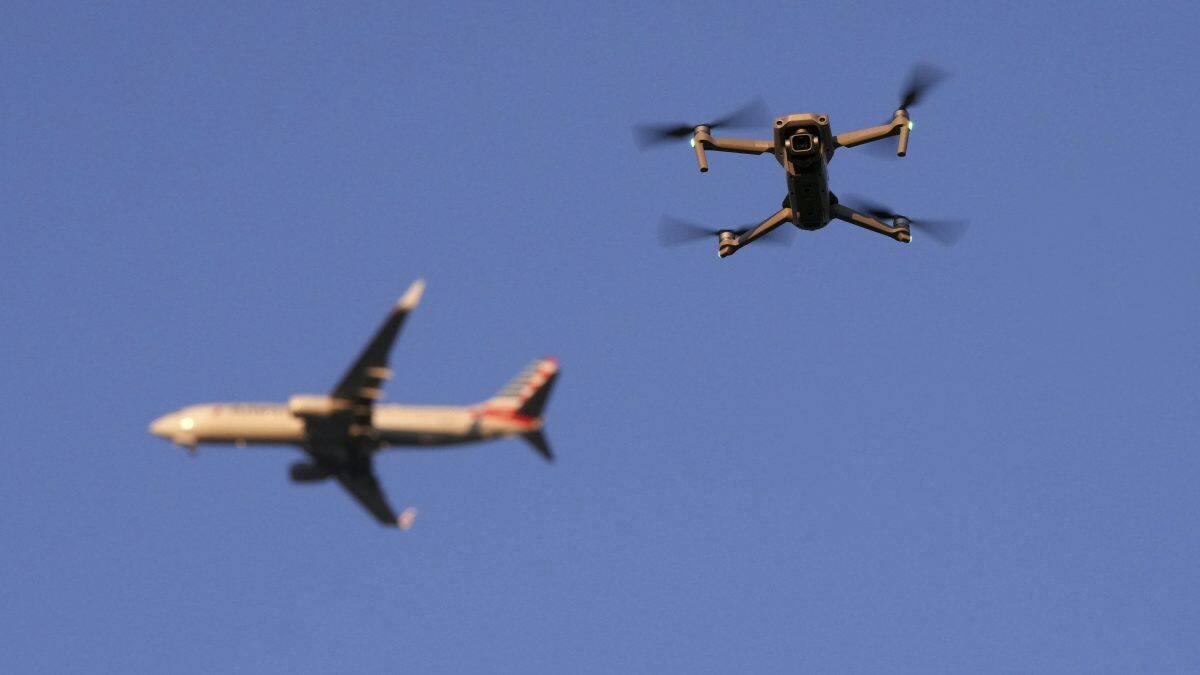
Even small drones can create dangerous situations if they appear near flight paths used by passenger aircraft.
Aviation experts say incidents involving drones near airports must be analyzed carefully to prevent future safety risks.
Authorities confirmed that airport operations continued normally after security teams verified that runways and flight routes were not affected.
Security Implications for the Region
The Azerbaijan drone crash incident has also drawn attention because of regional security concerns involving drone technology.
Unmanned aerial systems have become an increasingly important tool in surveillance, border monitoring, and military operations.
At the same time, the technology introduces new challenges for governments attempting to control airspace security.
Security analysts say the crash highlights the importance of monitoring systems capable of detecting drones entering restricted zones.
Understanding how the drone entered the area near the airport will help investigators determine whether the incident resulted from technical failure or other factors.
Emergency Response Demonstrates Rapid Coordination
Emergency responders acted quickly following the Azerbaijan drone crash incident.
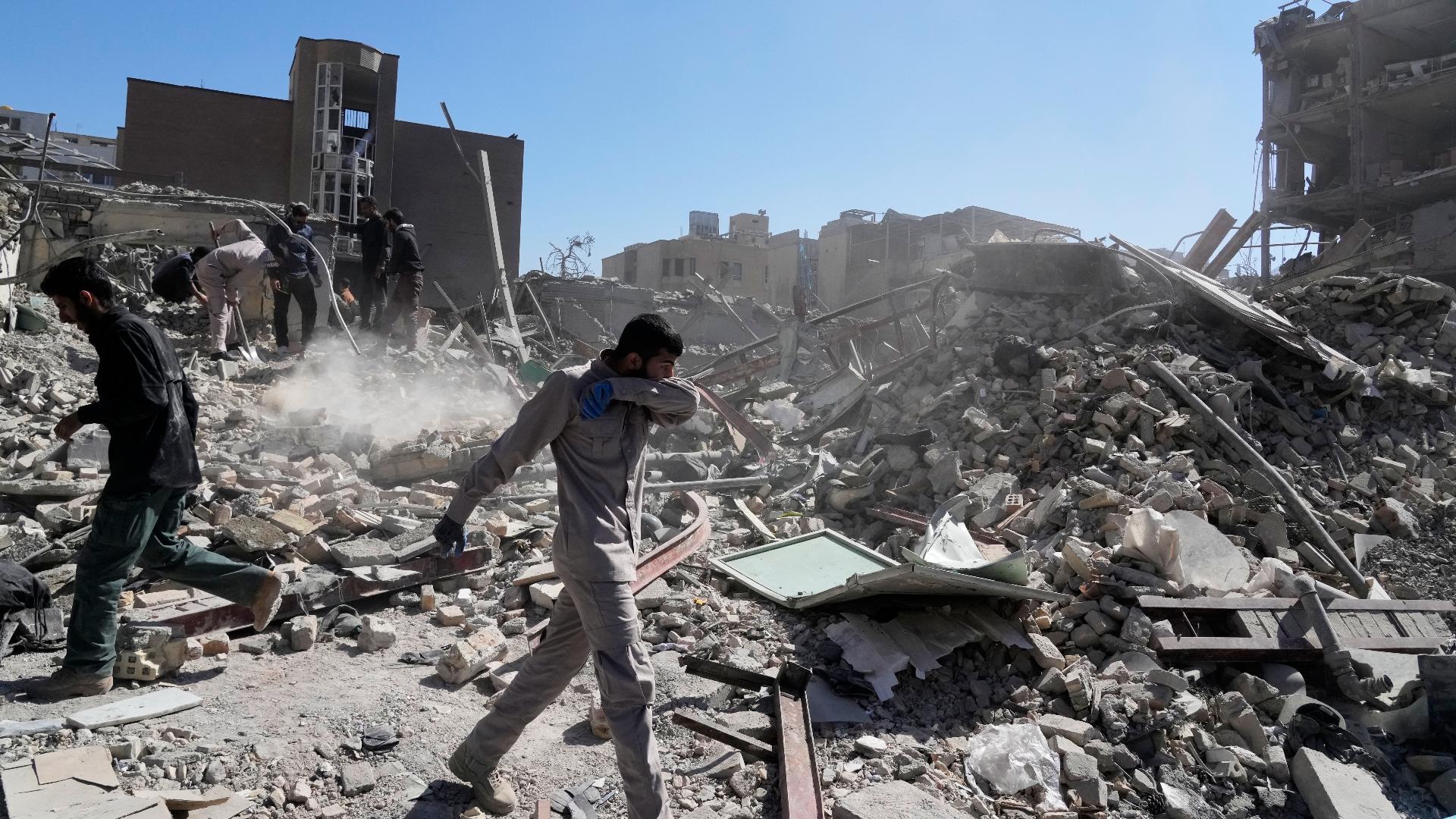
Police, firefighters, medical teams, and aviation security personnel coordinated efforts to secure the crash location and provide assistance to injured civilians.
Authorities closed several nearby roads while investigators examined the wreckage.
Emergency teams also ensured that no hazardous materials or damaged equipment posed additional risks to residents living nearby.
Officials praised the coordinated response that allowed the situation to be stabilized quickly.
International Aviation Experts Observe the Case
The Azerbaijan drone crash incident has drawn attention from aviation analysts and drone technology experts worldwide.
Incidents involving drones near airports are considered important case studies because they highlight emerging challenges in airspace management.
Modern aviation relies on advanced radar systems and monitoring networks designed to detect unauthorized aircraft.
However, drones can sometimes operate at altitudes and flight patterns that make them difficult to detect immediately.
Experts believe the investigation will provide valuable insights into improving drone monitoring systems.
History of Drone Incidents Near Airports
The Azerbaijan drone crash incident is not the first example of unmanned aircraft appearing near major aviation infrastructure.
Over the past decade, several countries have experienced drone related incidents near airports that raised safety concerns.
In some cases, drones were operated by hobbyists unaware of airspace restrictions. In other situations, technical malfunctions caused drones to enter restricted areas unexpectedly.
Aviation authorities around the world have responded by introducing stricter drone regulations and developing technology capable of detecting unauthorized aircraft.
These measures are designed to prevent incidents that could interfere with passenger aircraft operations.
The current investigation may help authorities improve monitoring systems that protect critical aviation infrastructure.
Drone Technology and Its Rapid Expansion
The Azerbaijan drone crash incident highlights the rapid growth of drone technology in recent years.
Drones are now widely used across industries including agriculture, infrastructure inspection, filmmaking, and emergency response.
Military and security agencies also rely heavily on unmanned aircraft for surveillance and reconnaissance.
While these technologies provide significant benefits, they also require careful regulation to ensure safe operation.
Experts say governments must continue developing policies that balance technological innovation with aviation safety.
Investigators Analyze Drone Components
Experts examining the debris from the Azerbaijan drone crash incident are focusing on key systems that control drone operation.
These include navigation software, communication transmitters, onboard sensors, and propulsion mechanisms.
By analyzing these components, investigators can determine whether the aircraft experienced mechanical failure, navigation malfunction, or communication loss.
Technical specialists often reconstruct the drone’s final flight path using recovered electronic data.
This analysis may take several days before investigators reach definitive conclusions.
Regional Authorities Strengthen Monitoring Systems
The Azerbaijan drone crash incident has prompted regional authorities to review drone monitoring systems near sensitive infrastructure.
Airports and security agencies increasingly rely on radar technology capable of detecting unmanned aircraft entering restricted airspace.
Advanced detection systems can identify drone signals and alert authorities when aircraft appear near protected zones.
Governments around the world continue investing in these technologies to protect aviation infrastructure and public safety.
Security analysts say such monitoring systems will play a crucial role in preventing similar incidents in the future.
Global Implications for Drone Safety
The Azerbaijan drone crash incident illustrates how drone technology can influence aviation safety discussions worldwide.
As the number of drones operating globally continues to increase, governments face growing challenges in managing airspace security.
International aviation organizations have introduced guidelines designed to regulate drone operations near airports and urban areas.
These regulations aim to ensure that unmanned aircraft operate safely while minimizing risks to passenger aviation.
Experts say the lessons learned from incidents like this can help improve safety standards across the global aviation industry.
When the Sky Over Baku Suddenly Changed
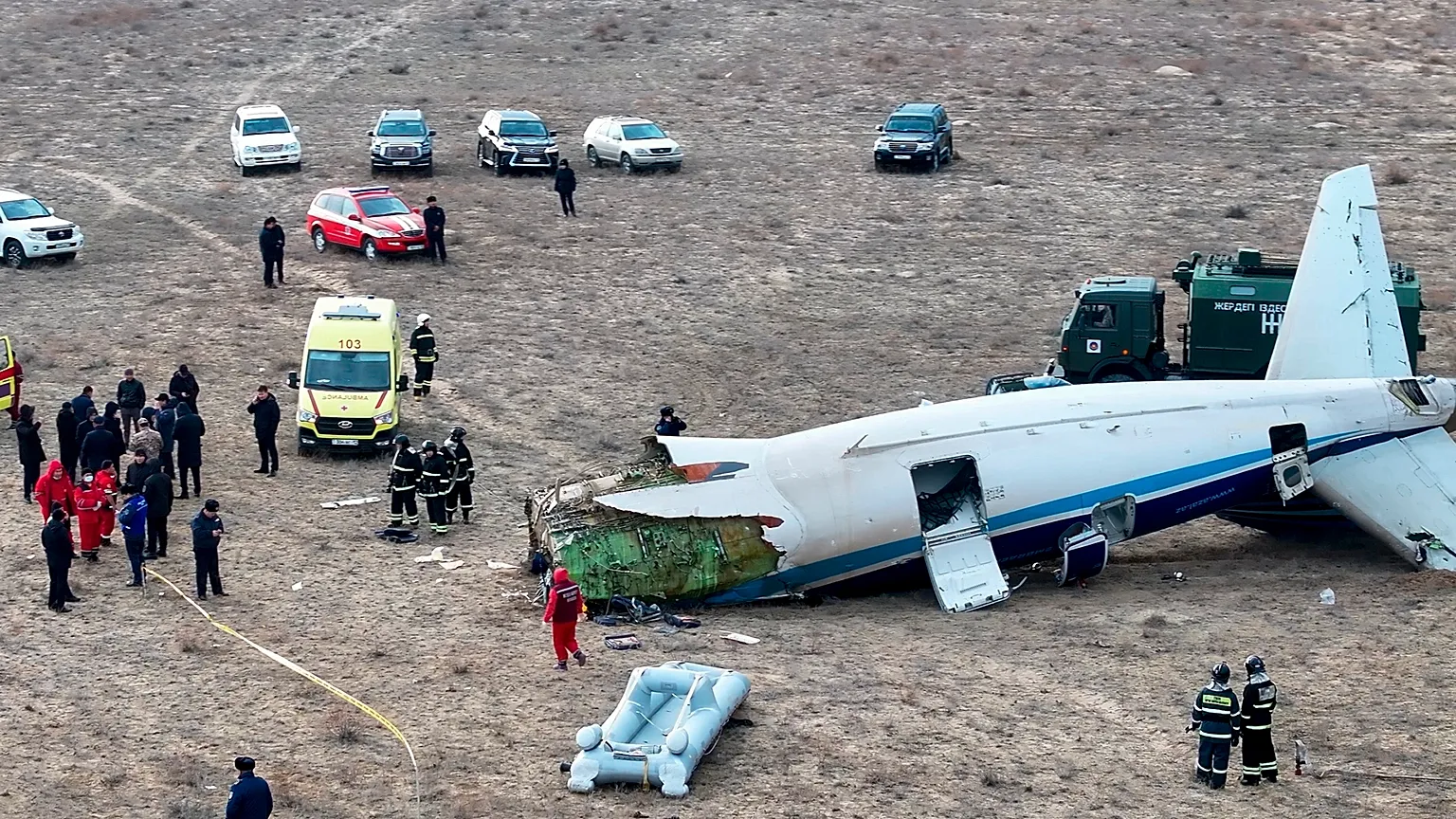
For residents near the crash site, the Azerbaijan drone crash incident transformed an ordinary day into an unexpected emergency situation.
The sudden sound of the crash and the arrival of emergency vehicles quickly drew attention from people living nearby.
While investigators continue examining the cause of the accident, the event has already sparked discussions about drone regulation, aviation safety, and the challenges of managing rapidly evolving technology.
Officials say strengthening monitoring systems and improving safety protocols will remain a priority as authorities work to prevent similar incidents in the future.