Tehran, Iran — March 5, 2026 — Parliament News — Global oil supply risk has surged as explosions were reported across several parts of Iran while Israeli forces confirmed they were conducting additional military operations targeting Tehran. The conflict between Israel and Iran has rapidly expanded, drawing international attention and raising concerns about stability across the Middle East.
Reports indicate that the United States and Israel have intensified military operations in the region. The strikes have resulted in significant casualties, with more than a thousand deaths reported since the escalation began over the weekend. Military activity has also expanded beyond Iran, with Israeli operations targeting locations in Lebanon as part of broader regional security actions.
The widening conflict has increased global oil supply risk because the Middle East remains one of the most important energy producing regions in the world. Any instability affecting transportation routes or production facilities can have major consequences for global energy markets.
Strait of Hormuz Shipping Crisis Raises Global Oil Supply Risk
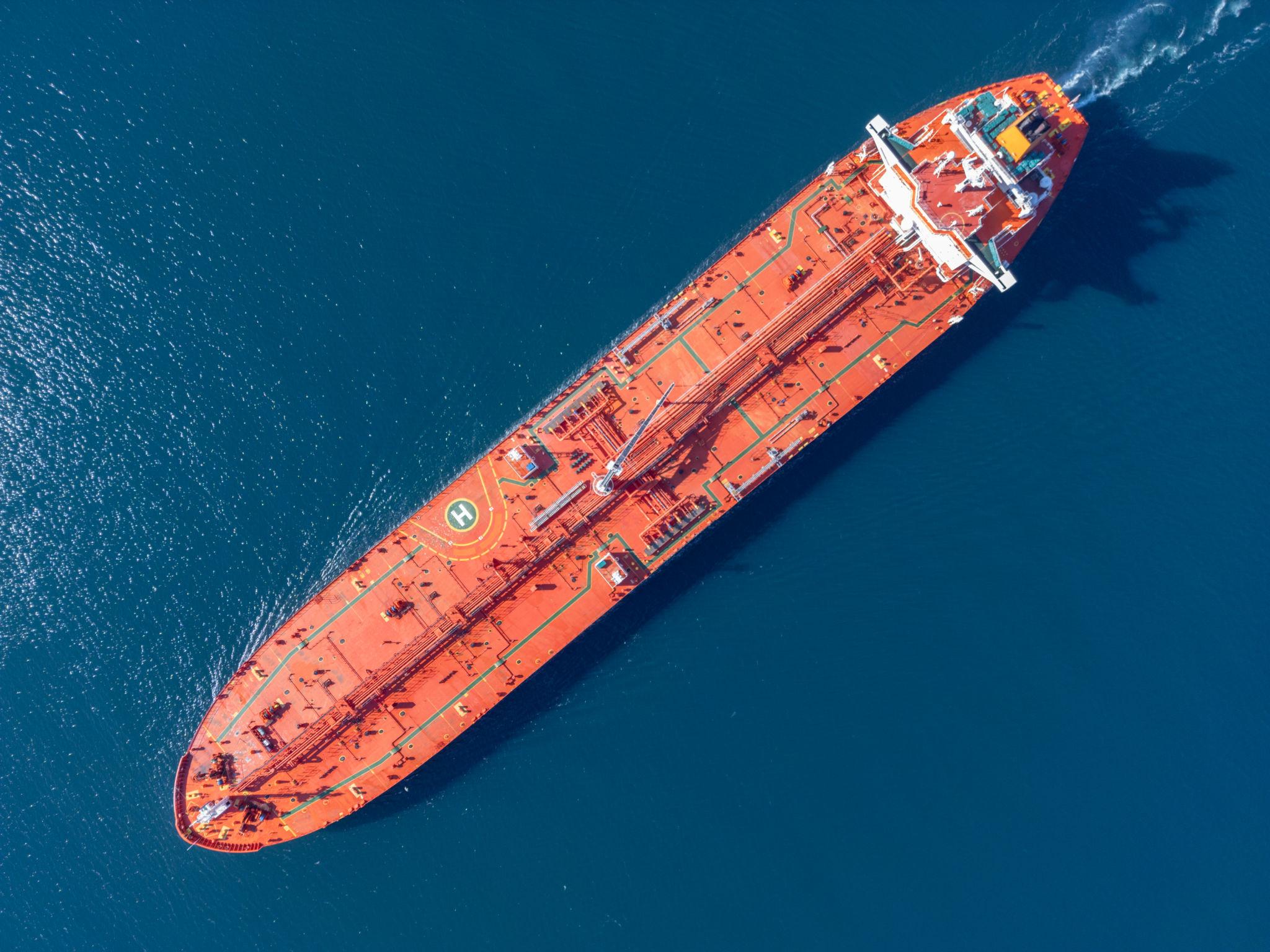
One of the most serious concerns emerging from the conflict is the potential disruption of shipping routes through the Strait of Hormuz. The strategic waterway connects the Persian Gulf with the open ocean and is responsible for transporting a significant portion of the world’s oil supply.
Following the escalation, reports indicated that cargo vessels began avoiding the strait after the Iranian Revolutionary Guard Corps announced plans to close the route. If the waterway were fully blocked, the consequences for energy markets could be severe.
The closure of the strait would dramatically increase global oil supply risk because millions of barrels of crude oil pass through the channel every day. Energy analysts warn that even temporary disruptions could trigger major price increases and economic uncertainty.
Shipping companies have already begun adjusting their routes and security procedures as tensions continue to grow.
Political Debate in Washington Over Military Campaign
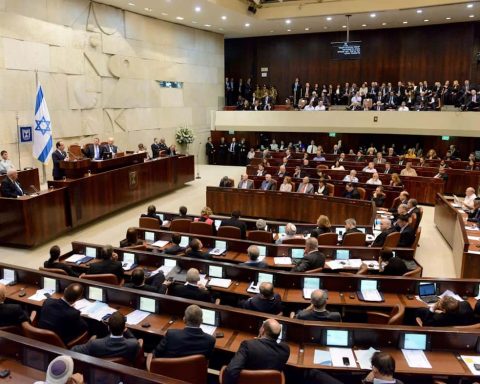
The growing global oil supply risk has also sparked debate within the United States government. The U.S. Senate recently voted on a proposal aimed at limiting President Donald Trump’s military campaign against Iran.
The resolution was blocked after senators voted against the procedural motion by a margin of 53 to 47. Supporters of the resolution argued that Congress should have a greater role in authorizing extended military operations, while opponents said the president needed flexibility to respond to threats in the region.
The vote demonstrated how deeply divided political leaders remain over the direction of American foreign policy during the conflict.
At the same time, the continued military operations have contributed to the rising global oil supply risk as regional instability continues to affect shipping and energy infrastructure.
Iran Warns of Security Threats Near Iraq Border
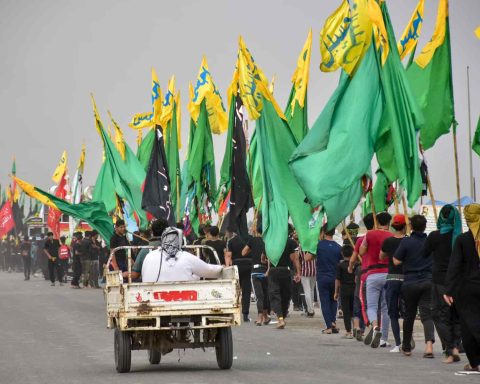
Iranian officials have also raised concerns about security developments along the country’s western border with Iraq. Foreign Minister Abbas Araghchi warned that potential militant activity in the area could create additional security challenges.
Iran has accused foreign powers of attempting to destabilize the country by encouraging armed groups near its borders. Reports have suggested that discussions may be underway involving Kurdish forces that could potentially influence the situation.
Iranian leaders say they are taking steps to strengthen border security and prevent what they describe as outside interference. These developments add another layer of uncertainty to an already volatile situation.
As tensions expand beyond the immediate conflict zones, analysts say the situation could further increase global oil supply risk by widening the geographic scope of instability.
Historic Comparison to Past Middle East Oil Crises
The current increase in global oil supply risk has reminded many analysts of previous crises involving energy transportation in the Middle East. One notable example occurred during the 1973 oil embargo, when political tensions in the region led to a dramatic reduction in oil exports and triggered a global energy crisis.
Another major disruption occurred during the Iran Iraq war in the 1980s when attacks on oil tankers became common in what was known as the Tanker War. These incidents forced international naval forces to escort commercial ships through the Persian Gulf to protect global energy supplies.
Today’s situation echoes those earlier crises because it again highlights how geopolitical conflict in the region can quickly translate into global oil supply risk affecting economies around the world.
Quote Reflecting Global Energy Concerns
One international energy expert summarized the seriousness of the situation by saying,
“Whenever conflicts threaten shipping routes in the Persian Gulf, global oil supply risk immediately becomes a top concern because so much of the world’s energy supply depends on these waters.”
The comment reflects why governments, investors, and energy companies are closely monitoring developments in the region.
Impact on Global Energy Markets
Energy markets have already begun reacting to the growing global oil supply risk created by the conflict. Oil prices often respond quickly to geopolitical instability, especially when major production or transportation hubs are involved.
If the Strait of Hormuz remains unstable or shipping traffic continues to decline, energy traders expect oil prices to remain volatile. This could affect fuel costs, transportation expenses, and inflation levels in many countries.
Governments that depend heavily on imported oil are particularly sensitive to disruptions in the Middle East because they rely on stable shipping routes to maintain their energy supply.
International Calls for De Escalation
Several international leaders have called for restraint and diplomatic engagement to prevent the conflict from spreading further. Diplomatic negotiations are often used to reduce tensions and reopen shipping routes that are vital to global trade.
Because the Middle East plays such a critical role in global energy production, maintaining stability in the region is considered essential for the world economy.
Efforts to protect maritime routes and reduce military escalation are likely to continue as global oil supply risk remains a central concern.
What Happens Next in the Conflict
The coming days will likely determine whether tensions continue to escalate or begin to stabilize. Governments and military leaders across the world are closely monitoring developments in the region.
If shipping routes remain open and diplomatic efforts succeed, the impact on energy markets may be limited. However, if the conflict expands further or additional infrastructure becomes involved, global oil supply risk could increase significantly.
For now, the conflict serves as a reminder that geopolitical instability in key energy producing regions can quickly influence global markets and economic stability.
As military operations and diplomatic negotiations continue, the world will be watching closely to see how the situation unfolds.