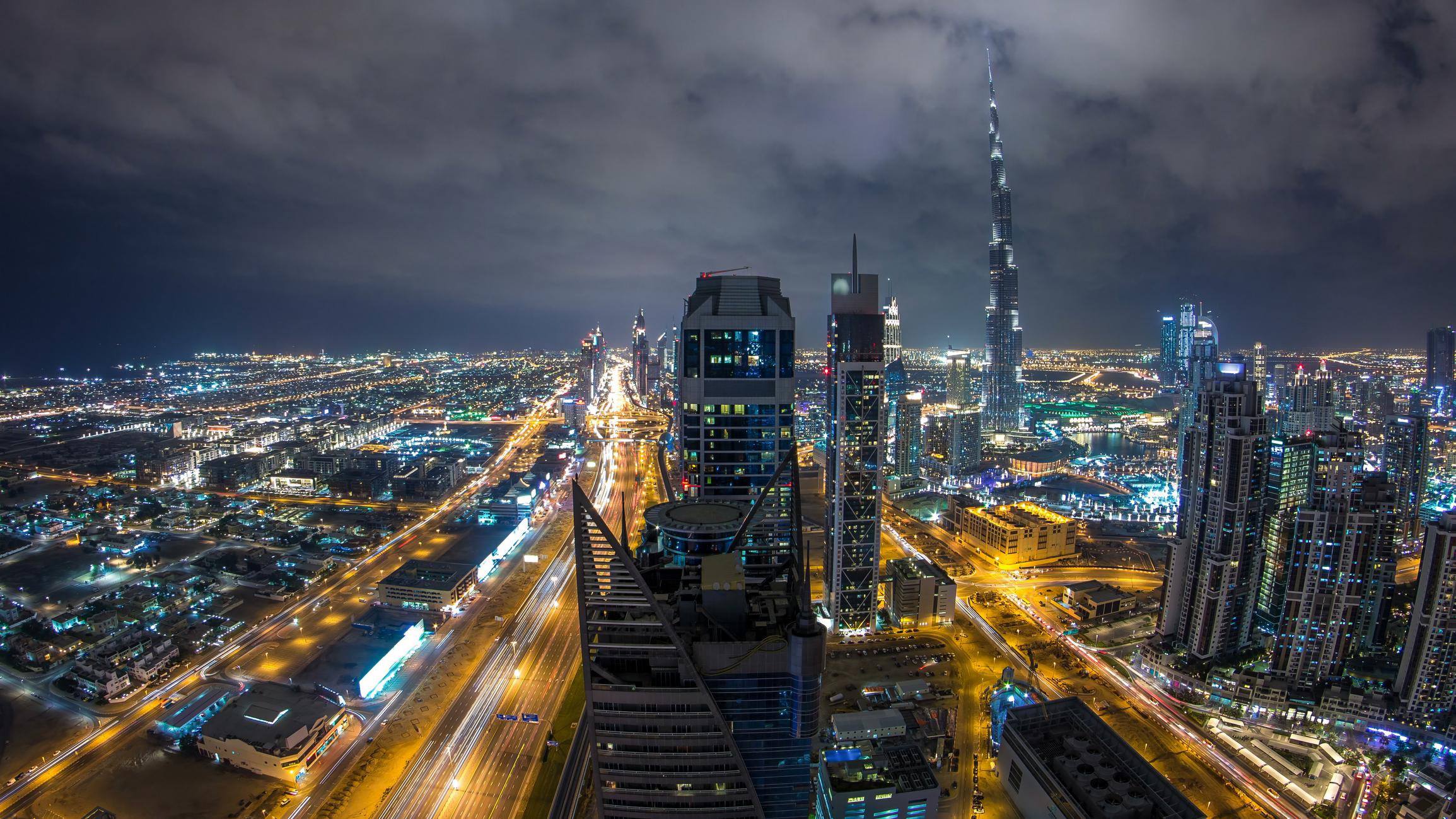
Dubai, United Arab Emirates — March 5, 2026 — Parliament News — For decades, Dubai has built a powerful reputation as one of the world’s most dynamic international cities. Towering, luxury shopping centers, and global financial hubs helped shape an image of prosperity and security. International investors, entrepreneurs, and professionals were often drawn to the city by a consistent message: Dubai offered stability in a region frequently defined by geopolitical tension.
Today, however, the ongoing conflict spreading across parts of the Middle East is forcing many observers to reassess that assumption. Analysts say the Dubai war impact economy is becoming increasingly visible as regional instability begins to influence travel, investment, and corporate decision making.
Although the city itself remains operational and calm, the broader environment is introducing new questions about how insulated Dubai can truly remain from the political dynamics surrounding it.
Dubai’s Image of Stability Faces New Challenges
Dubai has long promoted itself as a neutral gateway connecting East and West. Its world class infrastructure, international airport, and open economic policies helped attract multinational corporations and wealthy expatriates from around the globe.
However, the current regional conflict has begun to highlight the Dubai war impact economy in subtle but noticeable ways.
Financial advisers and relocation specialists report that some expatriate families have begun reviewing contingency plans. Business leaders are also evaluating whether certain operations should temporarily move to other global cities.
These decisions are not necessarily signs of panic. Instead, they reflect a growing awareness that geopolitical developments can influence even the most successful international business hubs.
Quiet Departures Signal Growing Caution
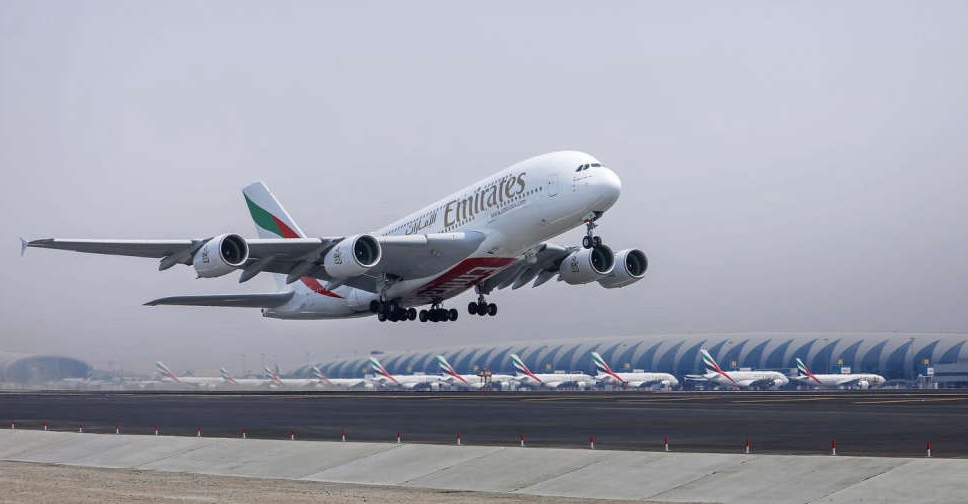
One of the most visible signs of the Dubai war impact economy has been the increase in private aviation bookings. Aviation companies operating in the region have reported a noticeable rise in demand for charter flights to destinations in Europe and Asia.
Wealthy residents and corporate executives are among those arranging travel as they monitor developments in the region.
In some cases, families have chosen to send children abroad for school or extended stays with relatives while assessing the situation.
At the same time, some multinational companies have begun relocating small numbers of staff to offices outside the Middle East. These moves are often described as precautionary rather than permanent.
Still, the trend illustrates how the Dubai war impact economy is beginning to influence personal and corporate planning.
Business Community Watching Closely
Dubai’s role as a global financial center means that international investors are closely watching the situation.
Financial analysts say the Dubai war impact economy could influence investor confidence if tensions continue or expand.
Foreign investment has played a major role in Dubai’s rapid growth over the past two decades. Real estate developments, international banking operations, and tourism projects have all relied heavily on global capital flows.
When geopolitical uncertainty increases, investors often review risk exposure and diversify their holdings.
While there is no evidence of a sudden financial collapse, the discussion around the Dubai war impact economy has become a frequent topic among economists and market analysts.
Tourism Industry Faces Uncertainty
Another sector sensitive to the Dubai war impact economy is tourism.
Dubai has spent years building its reputation as a luxury travel destination with attractions that include the Burj Khalifa, Palm Jumeirah, and massive entertainment complexes.
Millions of tourists visit the city every year, drawn by shopping festivals, sporting events, and business conferences.
However, global tourism is highly responsive to perceptions of safety. Even when conflicts occur outside a destination, international travelers sometimes reconsider their plans.
Travel agencies report that some visitors have begun asking questions about regional stability before booking trips.
Although the city’s hotels, malls, and attractions remain busy, tourism experts say the Dubai war impact economy could influence visitor behavior if tensions escalate.
Surface Calm Masks Strategic Concerns
Visitors walking through Dubai today may see little sign of the challenges being discussed by analysts.
Luxury hotels remain open, shopping malls are crowded, and the skyline continues to shine brightly after sunset.
Yet beneath this calm environment, the conversation about the Dubai war impact economy continues in boardrooms, financial institutions, and diplomatic offices.
Many experts believe the situation highlights the reality that global cities cannot completely isolate themselves from the political forces shaping their region.
Dubai’s success has been built on international connectivity, but that same global integration also means it can be affected by geopolitical shifts.
Historical Comparison With Past Regional Crises
The current Dubai war impact economy discussion is not entirely unprecedented. During earlier regional conflicts such as the Gulf War in the early 1990s and the Iraq conflict in 2003, economic activity across parts of the Middle East experienced temporary disruptions.
At those times, tourism declined and some international businesses paused operations while assessing security risks.
Dubai, however, managed to recover quickly by reinforcing its reputation as a stable commercial hub.
Economic historians note that the city’s resilience has been one of its defining characteristics. Following each crisis, Dubai invested heavily in infrastructure, global partnerships, and financial diversification.
However, analysts say today’s global economy is far more interconnected than it was decades ago. Because international finance, travel, and supply chains are now deeply integrated, geopolitical events can spread economic consequences much faster.
This interconnected environment makes the Dubai war impact economy more visible whenever regional tensions increase.
Expert Quote on the Situation
Economic observers say the current moment highlights an important lesson about global financial centers.
One regional economist recently explained the situation in straightforward terms.
“Dubai has built one of the most impressive economic success stories of the modern era,”
The Analyst Said.
“But the Dubai war impact economy reminds us that even the most advanced international hubs remain influenced by regional geopolitics.”
The comment reflects a growing recognition that global cities must constantly adapt to new economic and political realities.
The Reality of Regional Geography
Dubai’s geographic position has always been both an advantage and a challenge.
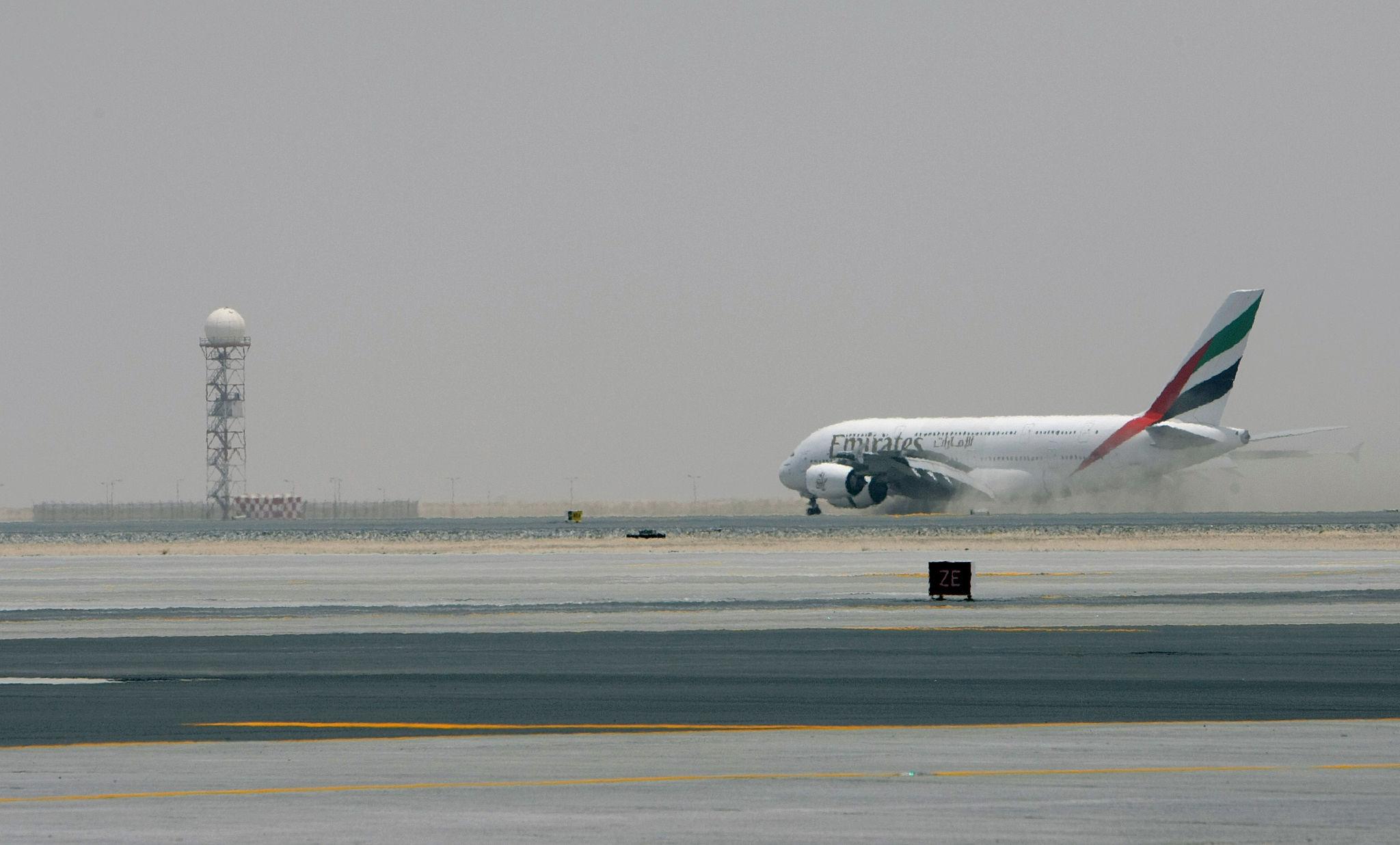
Located between Europe, Asia, and Africa, the city became a powerful logistics and aviation hub connecting international markets.
Yet that same location places it within a region where geopolitical tensions periodically emerge.
The current conversation surrounding the Dubai war impact economy underscores how geography continues to shape economic outcomes even in an era of globalization.
Cities can build infrastructure, attract investment, and diversify industries, but they cannot completely escape regional political dynamics.
Looking Toward the Future
Despite the concerns surrounding the Dubai war impact economy, many analysts remain confident in the city’s long term prospects.
Dubai has repeatedly demonstrated an ability to adapt and recover from economic shocks.
Strong infrastructure, international partnerships, and a diversified economy provide a foundation that has helped the city weather previous crises.
Still, the current conflict is serving as a reminder that economic resilience requires constant preparation.
For investors, businesses, and residents alike, the evolving Dubai war impact economy highlights the importance of planning for uncertainty in a rapidly changing world.
The coming months will likely determine whether the situation stabilizes or creates longer term challenges for one of the world’s most ambitious global cities.