Tehran, Iran — March 7, 2026 — Parliament News — The evolving Iran military response strategy is drawing international attention as regional tensions continue to shape security dynamics across the Middle East. Iranian officials say the country is prepared to defend its sovereignty while attempting to prevent wider military escalation in one of the world’s most volatile regions.
Military analysts say the latest signals from Tehran highlight a strategic posture designed to balance deterrence with restraint. Officials emphasize that Iran seeks to avoid unnecessary conflict but will act decisively if its territory or interests are threatened.
The announcement comes amid rising geopolitical pressure, growing military deployments across the region, and ongoing debates among global powers about how to maintain stability in the Middle East.
Regional Tensions Shape Iran’s Strategic Position
The Middle East remains a complex security environment where competing alliances, proxy groups, and military operations regularly intersect. Governments across the region continue to monitor developments closely as Tehran outlines the direction of its evolving defense doctrine.
Security experts say the Iran military response framework reflects Tehran’s attempt to deter attacks while avoiding actions that could trigger large scale confrontation.
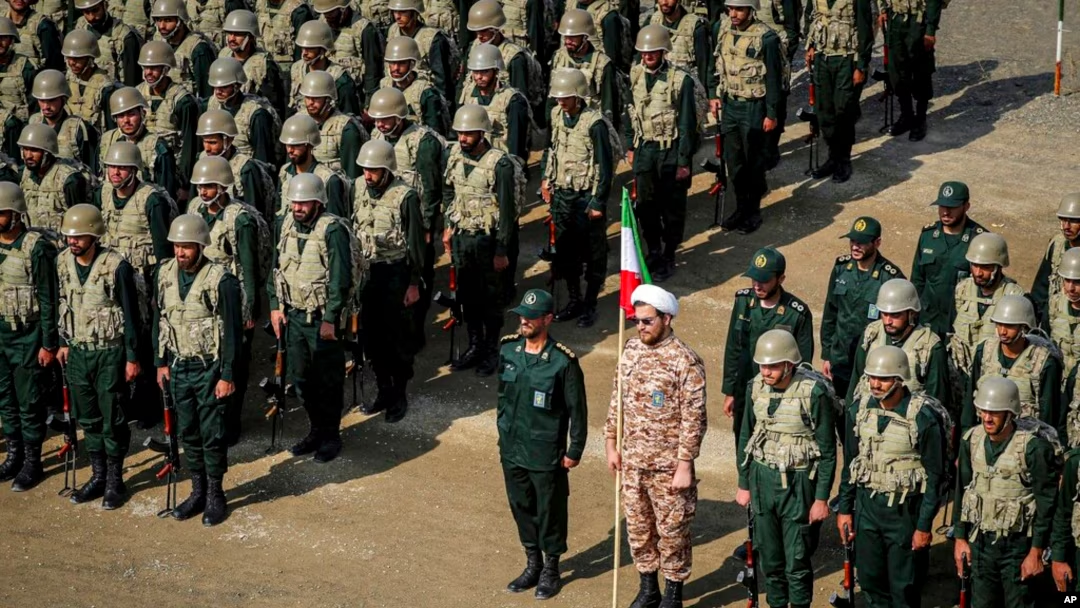
Iran’s leadership has repeatedly emphasized that its armed forces are prepared to defend the nation’s borders and infrastructure. At the same time, officials say strategic restraint remains important to prevent unnecessary escalation.
Regional observers note that military messaging often plays a crucial role in shaping diplomatic outcomes. By clarifying how Iran might respond to threats, Tehran may be attempting to influence the behavior of other governments and armed groups operating nearby.
Military Capabilities Remain Central to Strategy
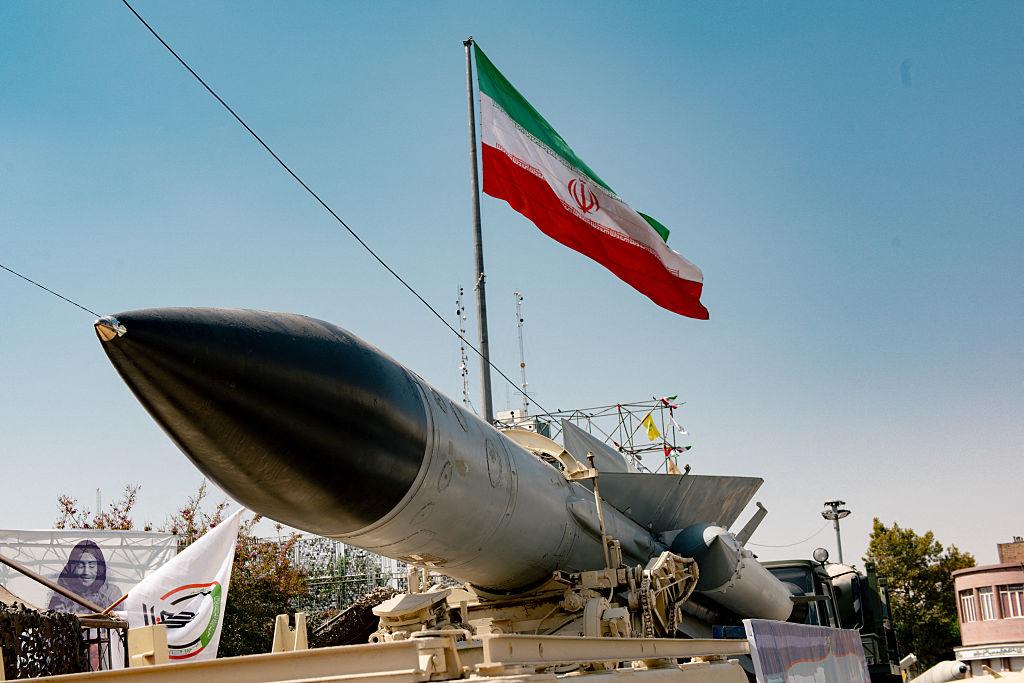
Iran has spent decades building a diverse defense system that includes missile forces, naval assets, and air defense networks. These capabilities form the backbone of the country’s modern deterrence strategy.
Military planners believe that maintaining strong defensive capabilities helps prevent adversaries from launching attacks in the first place. Within this framework, the Iran military response doctrine relies heavily on strategic deterrence rather than immediate offensive operations.
Missile systems, radar installations, and layered air defense platforms are intended to protect key infrastructure and military bases from potential threats. Defense officials say these systems allow Iran to maintain a defensive posture without deploying large numbers of troops beyond its borders.
Analysts also point to Iran’s growing investment in surveillance technology and intelligence networks as part of a broader effort to monitor regional activity and detect emerging threats before they escalate.
International Reactions and Diplomatic Signals
Global reactions to Iran’s evolving strategy have been mixed. Some governments view Tehran’s messaging as an attempt to reduce tensions and encourage dialogue across the region.
Others remain cautious, noting that the Middle East has experienced repeated cycles of escalation despite diplomatic efforts.
Still, the current Iran military response posture may provide opportunities for renewed negotiations on regional security arrangements. Diplomats say that if restraint becomes the dominant approach among regional powers, the risk of accidental confrontation could decline.
International observers are particularly focused on whether Iran’s strategic messaging will lead to tangible reductions in military activity.
If stability improves, it could help protect vital trade routes and energy markets that are essential to the global economy.
Economic and Strategic Considerations
Economic realities often influence military decision making. Long periods of conflict can disrupt energy exports, trade routes, and financial systems across the Middle East.
Some analysts believe the evolving Iran military response doctrine reflects Tehran’s desire to protect national security without triggering costly prolonged conflicts.
By emphasizing deterrence and defensive readiness, Iran may be attempting to safeguard its economic interests while maintaining strategic influence in the region.
Energy markets are particularly sensitive to military developments in the Middle East. Even small escalations can affect oil prices and global supply chains.
For that reason, governments and investors around the world are watching closely to see whether the current strategy will lead to greater stability.
Historical Comparison With Earlier Defense Policies
Iran’s modern military strategy did not emerge overnight. Over the past several decades, the country has gradually reshaped its defense doctrine in response to changing geopolitical realities.
During earlier periods of conflict in the region, Iran relied heavily on large ground forces and conventional warfare tactics. However, technological advancements and shifting alliances led military planners to adopt a more flexible approach.
This transformation helped shape the foundations of the modern Iran military response strategy.
Instead of relying solely on traditional military deployments, Iran developed a layered deterrence system that includes missile capabilities, intelligence networks, and regional partnerships.
Analysts say this historical evolution explains why Tehran emphasizes strategic depth and defensive deterrence rather than direct confrontation.
Quote From a Regional Security Analyst
One regional security analyst summarized the situation by stating:
“In today’s Middle East, deterrence is not only about weapons but about signaling intentions clearly. When countries demonstrate both capability and restraint, it creates space for diplomacy.”
The statement reflects the delicate balance facing policymakers across the region as they attempt to maintain security without triggering wider conflict.
A Region Watching Closely
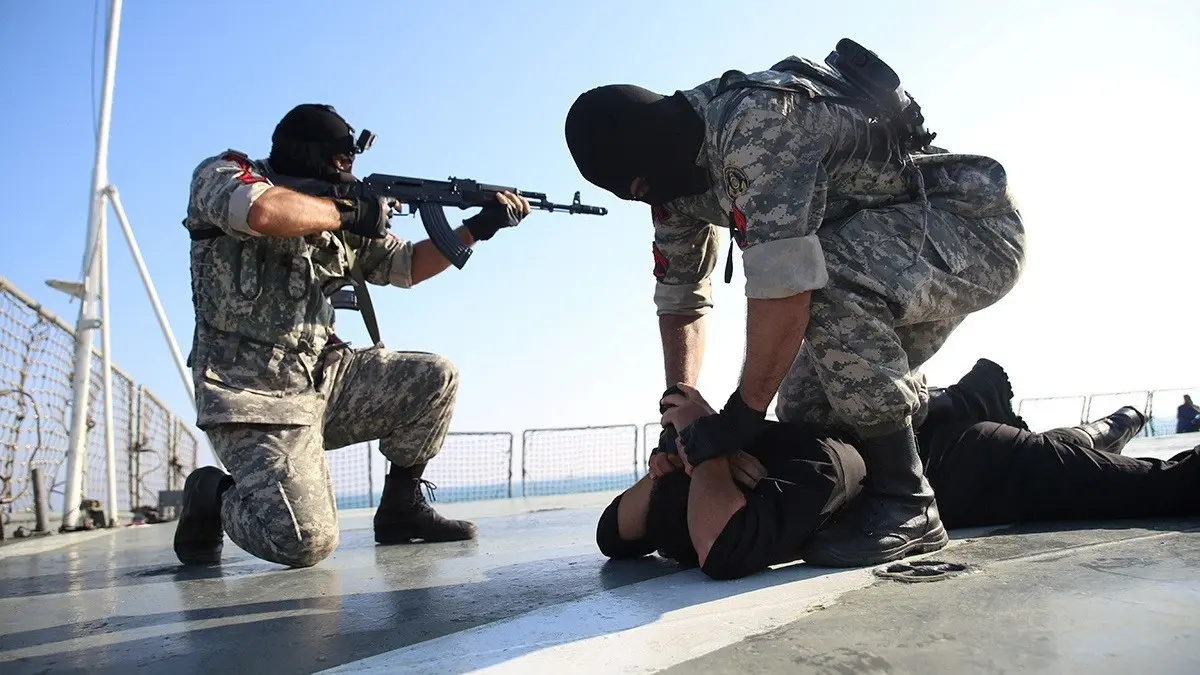
The future impact of the Iran military response strategy will likely depend on how other regional powers react in the coming months.
Security experts say stability in the Middle East often hinges on communication, deterrence, and the willingness of governments to avoid miscalculations.
If diplomatic channels remain open and military restraint continues, the region may experience a period of relative stability.
However, analysts warn that even minor incidents could quickly alter the strategic landscape.
For now, Tehran’s messaging suggests that Iran intends to defend its interests while avoiding actions that could push the region toward broader confrontation.