
BEIRUT, Lebanon — March 7, 2026 — Parliament News — The Iran Lebanon crisis has drawn increasing international attention after Lebanese security sources confirmed that more than 150 Iranian nationals, including diplomats and embassy staff, departed Lebanon in recent days. The individuals reportedly left the country through Beirut–Rafic Hariri International Airport using scheduled commercial flights.
Authorities said the group included members of the Iranian diplomatic mission as well as family members and other citizens residing in Lebanon. Officials emphasized that the departures were organized through normal travel procedures and coordinated with Lebanese authorities responsible for airport security.
Although the situation has raised questions internationally, Lebanese officials stressed that airport operations and diplomatic activity in Beirut remain normal. Still, the movement has prompted regional observers to closely monitor developments surrounding the Iran Lebanon crisis, which continues to influence diplomatic and political discussions across the Middle East.
Lebanese Security Sources Confirm Organized Travel
Lebanese security officials confirmed that the departures occurred gradually over several days rather than through a single evacuation operation. According to the security source, the travelers passed through normal immigration and security checkpoints at the airport.
Airport authorities reported that flights departing Beirut continued according to their regular schedules. There were no disruptions to passenger travel or airport operations.
Despite the routine procedures, analysts say the development has become an important signal within the broader Iran Lebanon crisis. Governments often adjust diplomatic staffing levels when regional tensions rise or when security conditions become uncertain.
Officials emphasized that the departure of Iranian nationals should not be interpreted as a full evacuation. Instead, they described the movement as a precautionary relocation involving diplomatic personnel and citizens who may have been advised to leave temporarily.
Why Diplomatic Missions Reduce Personnel
Diplomatic missions routinely assess security risks in the countries where they operate. When governments believe conditions could become unstable, they sometimes reduce embassy staffing levels as a precaution.
Within the context of the Iran Lebanon crisis, experts say such decisions are often part of contingency planning rather than immediate responses to direct threats.
Foreign ministries around the world maintain protocols designed to protect diplomats and their families during periods of uncertainty. These protocols can include temporary relocations, travel advisories, or reductions in nonessential staff.
Security specialists note that these measures are common in geopolitically sensitive regions such as the Middle East. By relocating some personnel, governments can limit exposure while continuing diplomatic engagement.
For this reason, the departure of diplomats from Beirut may represent a calculated security decision rather than a reaction to a specific incident.
Lebanon’s Strategic Position in the Middle East
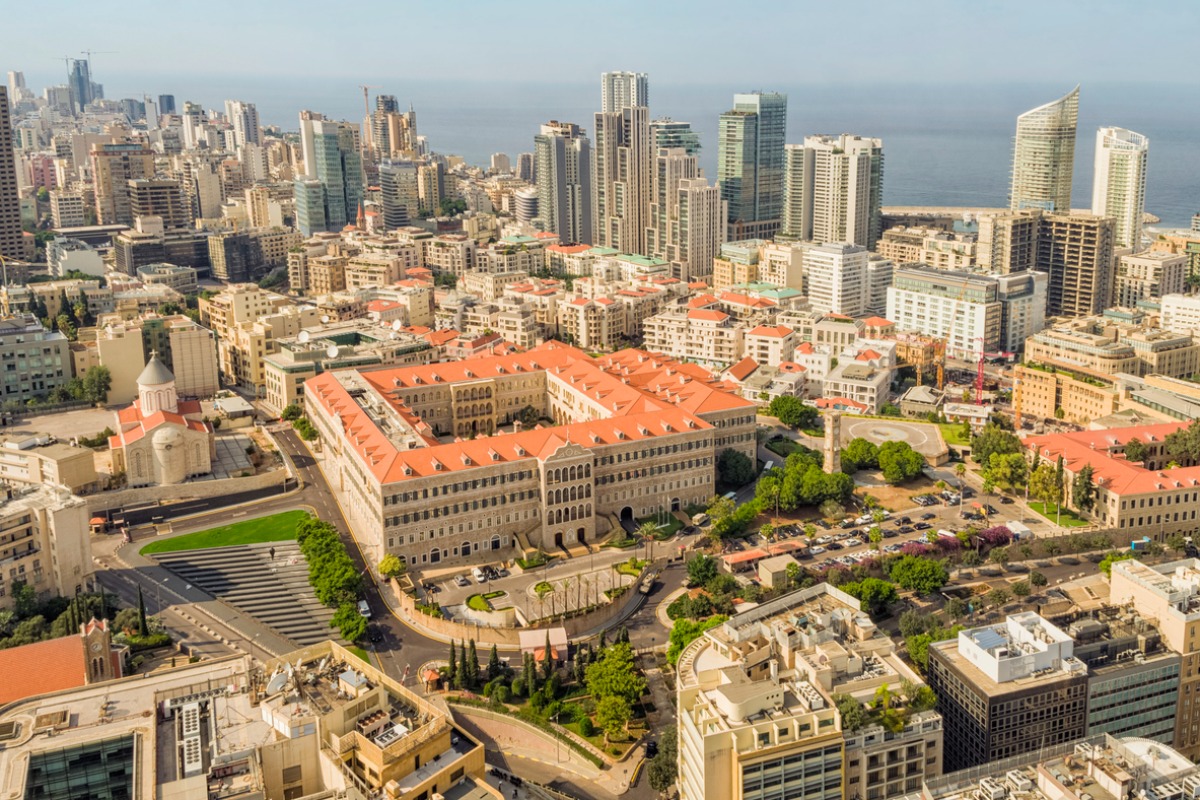
Lebanon has long served as an important diplomatic and political center in the Middle East. The country hosts embassies from numerous nations and frequently acts as a meeting point for regional dialogue.
Because of this strategic role, developments connected to the Iran Lebanon crisis tend to draw international attention quickly.
Beirut’s position along the Mediterranean coast also makes it a key gateway for trade and international travel. The city remains a major hub for diplomacy, business, and humanitarian activity across the region.
Many foreign governments maintain strong diplomatic ties with Lebanon and continue to operate embassies and missions there. This presence reflects Lebanon’s ongoing importance as a center for communication between regional and global actors.
Historical Comparison With Previous Diplomatic Withdrawals
Lebanon has experienced several periods when foreign governments reduced diplomatic staff due to rising regional tensions. During earlier political crises in the Middle East, embassies occasionally relocated personnel or encouraged citizens to leave temporarily until security conditions improved.
Some analysts note that the current Iran Lebanon crisis resembles earlier situations when governments adopted precautionary measures rather than responding to direct conflict. In those cases, diplomatic missions often lowered their presence while continuing to monitor developments closely.
Historical examples show that these actions are frequently preventive in nature. Governments typically maintain contingency plans that allow them to move personnel quickly if conditions change.
Such comparisons suggest that the recent departures may reflect standard diplomatic caution rather than immediate signs of escalation.
Regional Reaction and Security Concerns
Diplomatic observers across Europe, Asia, and the Middle East have been closely following the developments in Beirut. Security analysts say that when governments begin adjusting embassy staffing levels, other nations often review their own security assessments.
The unfolding Iran Lebanon crisis has therefore become a topic of discussion among foreign policy experts who are analyzing potential implications for regional stability.
A regional political analyst commenting on the situation explained:
“Diplomatic withdrawals are often precautionary moves, allowing governments to reduce risk while carefully monitoring rapidly changing geopolitical conditions.”
While such statements reflect general diplomatic practice, officials caution that each situation must be evaluated independently.
At present, Lebanese authorities have not indicated that the country faces an immediate security emergency.
Diplomatic Activity Continues in Beirut
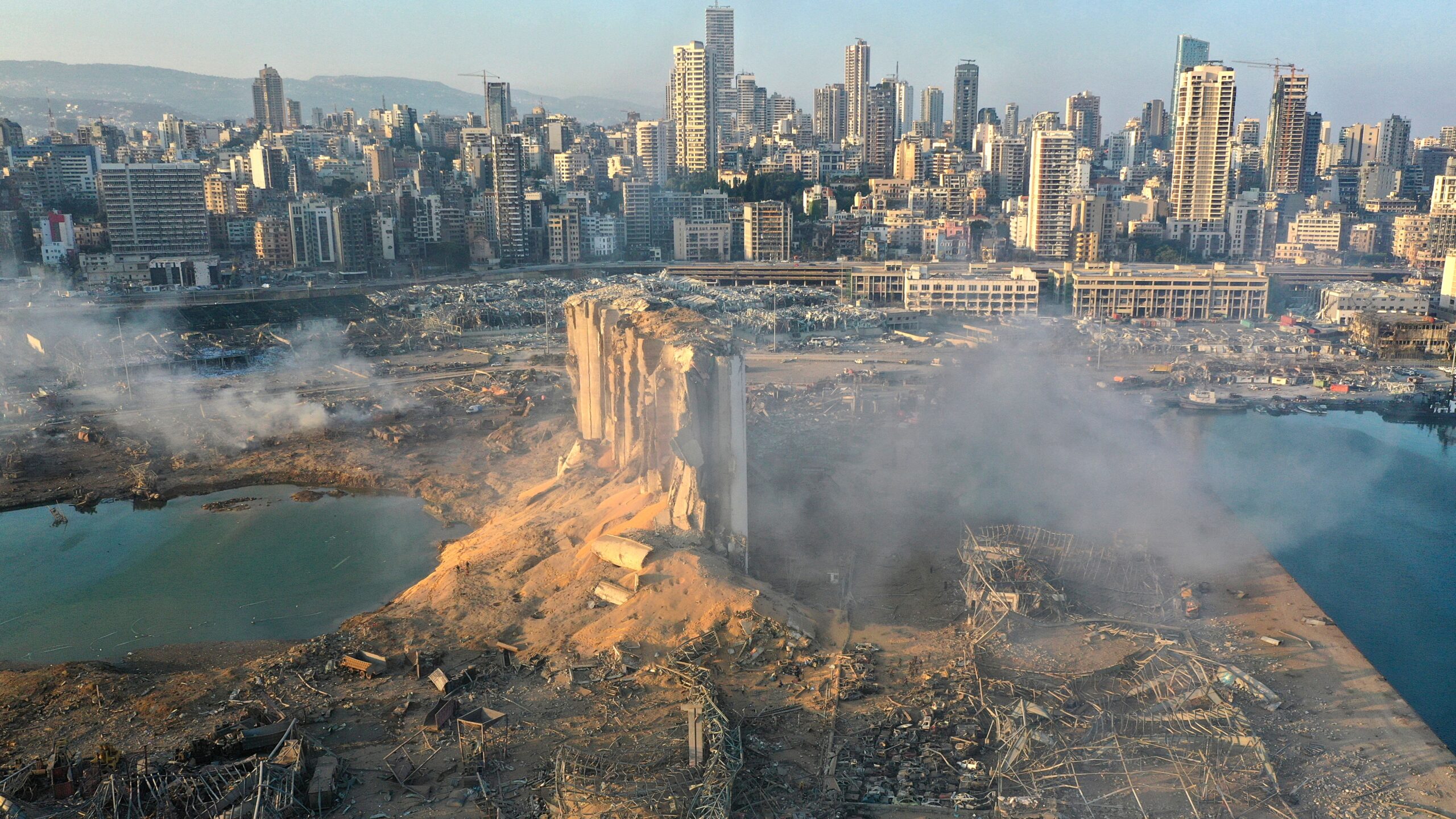
Despite the departure of Iranian nationals and diplomats, Beirut remains an active center of diplomacy and international engagement.
Embassies from many countries continue to operate in the Lebanese capital, and international organizations maintain a strong presence throughout the country.
Even as attention grows around the Iran Lebanon crisis, Lebanese officials say diplomatic relations and cooperation remain stable.
Beirut continues to host political discussions, humanitarian coordination, and economic partnerships involving governments from around the world.
For many observers, the recent departures highlight the cautious nature of diplomacy in regions where geopolitical tensions can shift quickly.
While uncertainty remains, Lebanon’s role as a regional diplomatic hub continues, with international missions maintaining active engagement across the country.