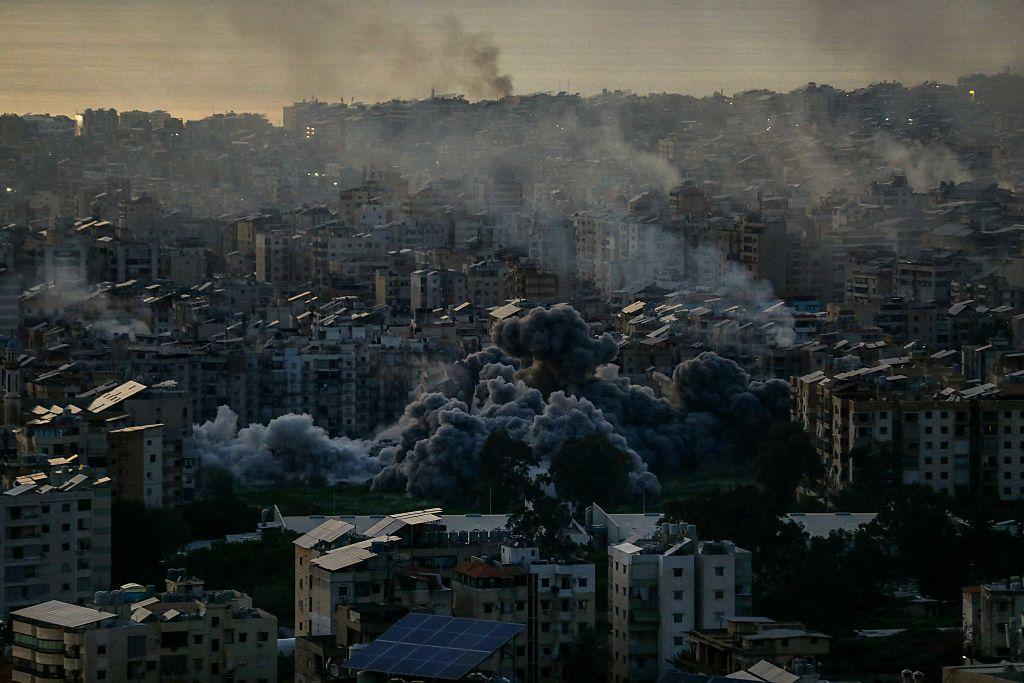
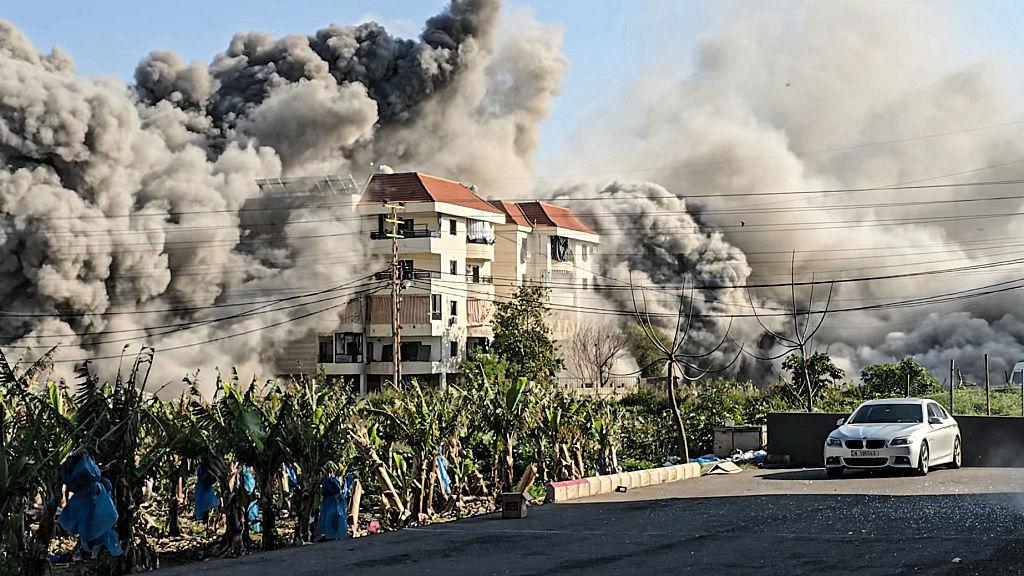
Beirut, Lebanon — March 8, 2026 — Parliament News — The humanitarian situation in Lebanon worsened sharply after a wave of Israeli air raids across southern Lebanon and several urban areas pushed Israeli strikes Lebanon casualties to alarming levels.
According to Lebanon’s Health Ministry, at least 394 people have been killed in the strikes, including 83 children. Hundreds more were injured as explosions damaged residential buildings, roads, and public infrastructure. Rescue workers spent hours digging through rubble to locate survivors trapped under collapsed structures.
Authorities say the death toll could increase as emergency crews continue search operations across bombed neighborhoods. Hospitals in Beirut and surrounding regions reported receiving a constant flow of injured civilians, forcing doctors to work around the clock.
The escalation has drawn international attention as governments and humanitarian groups warn the growing Israeli strikes Lebanon casualties could trigger a severe regional crisis if the violence continues.
Impact on Civilian Communities
Many of the areas hit by airstrikes are densely populated communities where families live close to potential military targets. Residents described powerful explosions that shook buildings and shattered windows across entire districts.
In several towns near the Israel Lebanon border, residents fled their homes overnight fearing additional strikes. Emergency shelters began receiving displaced families seeking safety.
Local officials say the scale of destruction in residential neighborhoods has significantly increased Israeli strikes Lebanon casualties, with many victims discovered in damaged homes or apartment buildings.
Civil defense teams continue working in dangerous conditions as they attempt to rescue survivors and recover victims from collapsed structures.
Hospitals Under Severe Pressure
Medical facilities across Lebanon are struggling to cope with the large number of injured civilians. Emergency rooms in several hospitals reported treating dozens of trauma cases at the same time.
Doctors say many victims arrived with severe burns, shrapnel wounds, and injuries caused by falling debris. Some hospitals also reported shortages of critical medical supplies.
Health workers warn that the surge in Israeli strikes Lebanon casualties could overwhelm the country’s healthcare system, which has already been weakened by years of economic crisis and limited resources.
Ambulance services were stretched thin as rescue crews transported victims from multiple attack sites.
Historical Comparison of Regional Conflict
The latest escalation has reminded many residents of earlier wars between Israel and Lebanon. One of the most devastating conflicts occurred in 2006, when fighting lasted more than a month and caused widespread destruction across southern Lebanon.
During that conflict, thousands of buildings were damaged and hundreds of civilians were killed, while large parts of the population were forced to flee their homes. Analysts say the current surge in Israeli strikes Lebanon casualties is reviving painful memories of that earlier war. The rise in Israeli strikes Lebanon casualties is also increasing fears among residents and regional observers that a similar prolonged conflict could unfold again if tensions continue to escalate.
For decades, the border region has remained one of the most volatile flashpoints in the Middle East, and the growing Israeli strikes Lebanon casualties once again highlight the fragile stability that has long defined relations between the two neighboring countries.
International Reaction to the Escalation
Governments and humanitarian organizations around the world have expressed concern about the growing civilian toll. Diplomatic efforts are underway as international leaders urge both sides to avoid further escalation.
Aid groups warn that continued violence could deepen the humanitarian crisis and create large numbers of displaced civilians.
One humanitarian spokesperson said,
“The loss of civilian lives in this conflict is devastating, and urgent efforts are needed to protect families and prevent further tragedy.”
As the crisis unfolds, the rising Israeli strikes Lebanon casualties continue to highlight the urgent need for diplomatic solutions to prevent additional loss of life and restore stability in the region.