

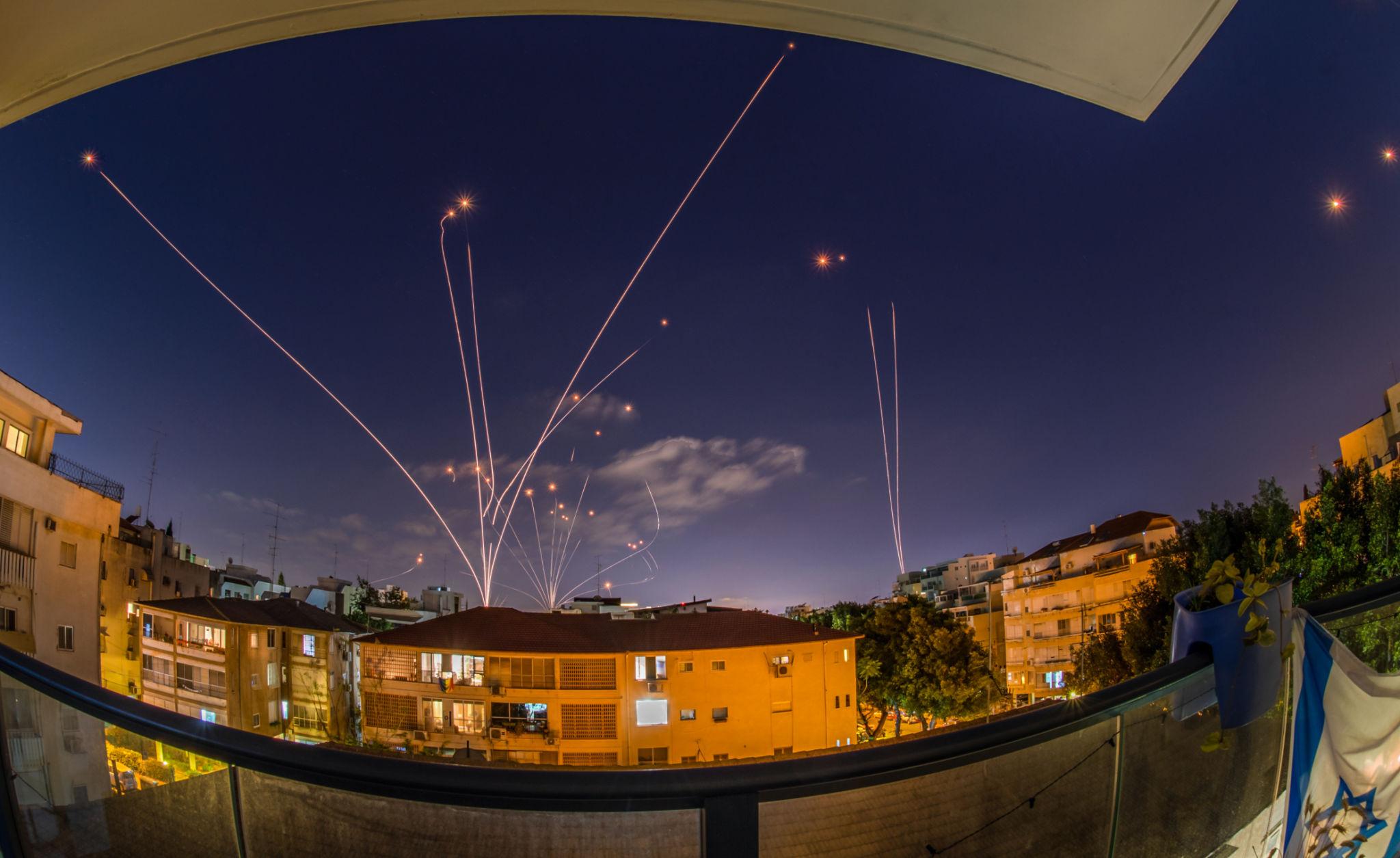
Tel Aviv, Israel — March 8, 2026 — Parliament News — Israeli military officials confirmed that the Israel air defense response was activated after radar systems detected missiles heading toward Israeli territory late Tuesday evening.
Air raid sirens sounded across multiple cities, prompting residents to quickly move toward shelters and reinforced safe rooms. According to the Israeli Defense Forces, early warning systems detected incoming projectiles within seconds, allowing the military to launch interception efforts almost immediately.
Officials said the Israel air defense response involved coordinated operations between radar monitoring units, missile interception systems, and emergency communication networks designed to protect civilian populations.
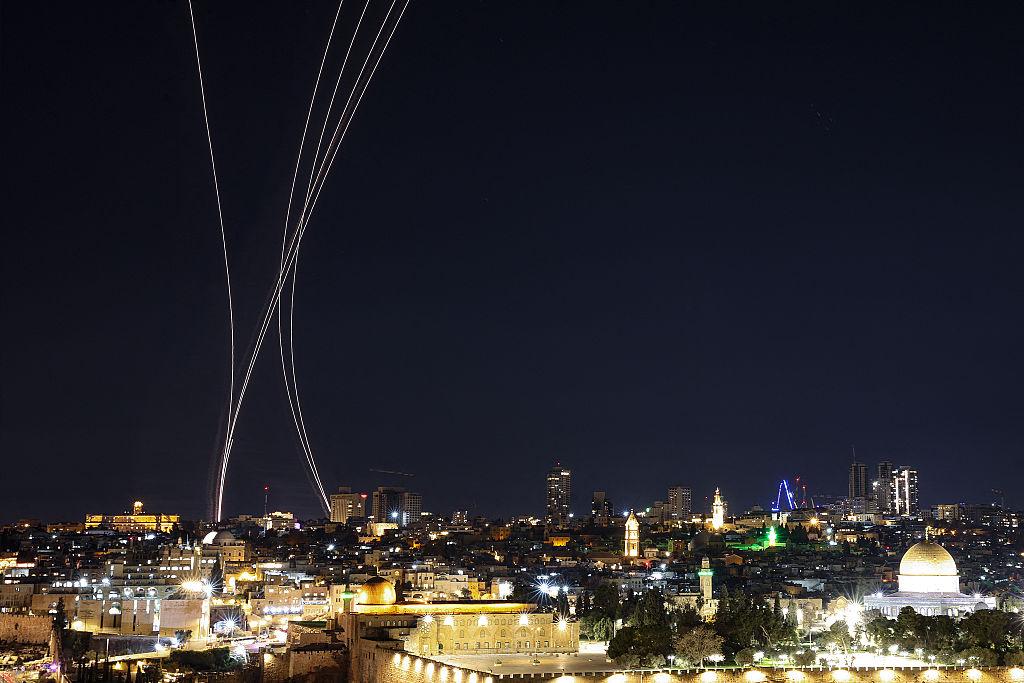
Residents reported hearing loud explosions in the sky as interceptor missiles attempted to destroy incoming threats before they could reach populated areas.
How Israel’s Defense Systems Intercept Missile Threats
Israel operates one of the most advanced missile defense networks in the world. The system is designed with multiple layers capable of intercepting different types of aerial threats, including rockets and ballistic missiles.
During the latest alert, the Israel air defense response relied on radar tracking technology that calculates the trajectory of incoming missiles within seconds of detection. Once identified, interceptor missiles are launched to destroy the threat in midair.
Defense analysts say the speed and accuracy of this system are essential in protecting cities where millions of civilians live. The effectiveness of the Israel air defense response significantly reduces the likelihood that incoming projectiles will reach urban areas.
Military officials said several missiles were successfully intercepted during the incident, preventing potential casualties and damage.
Civilian Safety and Emergency Preparedness
Emergency preparedness measures were quickly activated across the country as the missile alerts spread. Israeli residents are trained to respond immediately to warning sirens by moving to nearby shelters.
Authorities sent emergency alerts through mobile phones and public broadcast systems. Schools, businesses, and transportation hubs also followed national safety procedures designed for missile threats.
The rapid Israel air defense response allowed emergency services, hospitals, and rescue teams to prepare for possible incidents caused by falling debris or missile fragments.
Officials emphasized that public awareness and preparedness play a crucial role in minimizing casualties during security emergencies.
Historical Comparison With Earlier Missile Conflicts
The latest missile alert has reminded many analysts of earlier periods when Israeli cities faced repeated rocket attacks. One of the most significant examples occurred during the 2006 war between Israel and Hezbollah, when thousands of rockets were fired toward northern Israel over several weeks.
At that time, missile defense technology was still developing, and many communities experienced frequent disruptions and evacuations. Security experts say the current Israel air defense response reflects years of technological advancement since those earlier conflicts.
Today’s interception systems are far more sophisticated, allowing defense forces to detect and destroy incoming threats much more effectively than in the past. The comparison highlights how evolving technology has strengthened Israel’s ability to respond to missile threats.
International Concern Over Escalating Tensions
The activation of the Israel air defense response has drawn global attention as international leaders monitor the situation closely.
Diplomatic officials from several countries have urged restraint and called for efforts to prevent further escalation. Analysts warn that missile exchanges can quickly lead to wider military confrontations involving multiple countries in the region.
The Middle East remains one of the world’s most sensitive geopolitical regions, where even limited incidents can affect regional security and international diplomacy.
A senior Israeli defense official addressed the situation, saying,
“Our defense systems are designed to respond instantly to threats, and protecting civilians remains our highest priority.”
The Uncertain Path Toward Regional Stability
Despite the effectiveness of interception systems, security analysts emphasize that military defenses alone cannot guarantee long term stability.
The Israel air defense response demonstrates the country’s ability to defend against aerial threats, but ongoing political tensions continue to shape the region’s security environment.
Diplomats are now working to prevent further escalation while military forces remain on alert for additional threats.
For civilians across Israel, the events serve as a reminder that security preparedness and international diplomacy must work together to prevent future crises and ensure stability in a region that has experienced decades of conflict.