
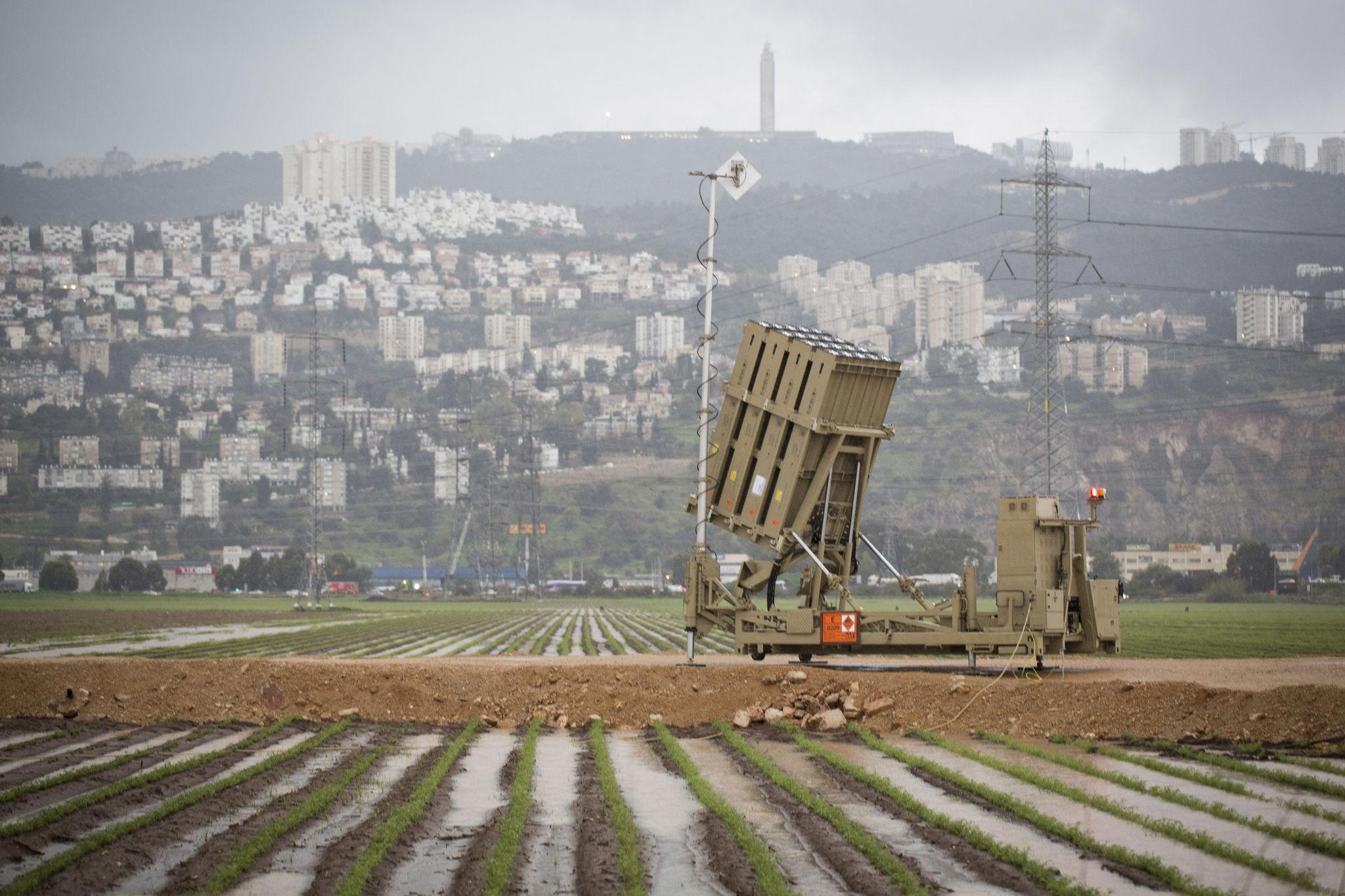
TEL AVIV, Israel — March 9, 2026 — Parliament News — In Tel Aviv on June 2026, defense authorities confirmed that an Iran missile attack Israel incident triggered immediate security alerts across several regions of the country. Radar systems detected incoming projectiles and air defense systems were activated within seconds as emergency sirens sounded across affected areas.
Officials explained that the Iran missile attack Israel development occurred during a period of heightened geopolitical tension across the Middle East. Civil defense authorities urged residents to move quickly to protected shelters while interception systems attempted to neutralize the incoming missiles.
The incident involving Iran missile attack Israel has drawn global attention, prompting reactions from governments, security analysts, and humanitarian organizations concerned about the possibility of further escalation.
Rapid Activation of Israel’s Air Defense Network
Israel operates one of the world’s most sophisticated missile defense systems. Within moments of detecting incoming projectiles, radar systems and interception units were deployed.
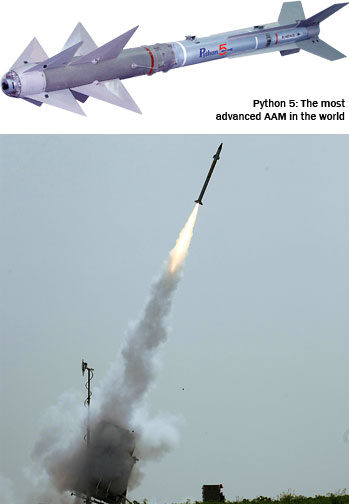
When the Iran missile attack Israel alert was triggered, the Iron Dome and other layered defense systems immediately began tracking the missiles. These systems are designed to intercept threats before they reach populated areas.
Military officials explained that the Iran missile attack Israel incident demonstrated the importance of maintaining advanced detection technologies and rapid response capabilities.
Air defense experts say Israel’s layered system combines radar detection, interception missiles, and command control centers that coordinate defensive responses across the country.
Civilian Preparedness and Emergency Protocols
Public safety procedures were implemented quickly once the Iran missile attack Israel alert was issued.
Emergency sirens activated across several cities while mobile alert systems notified residents to seek shelter. Schools, transportation services, and public facilities followed emergency protocols designed to protect civilians.
The Iran missile attack Israel event highlighted how civil defense planning plays a crucial role in modern urban security.
Local authorities emphasized that community preparedness and public awareness significantly reduce risks during missile alerts.
Residents described the moment sirens sounded and the urgency of moving quickly to safe areas.
One resident explained the experience:
“When the sirens began we immediately moved to the shelter because we know every second matters during missile alerts.”
Regional Leaders React to Security Escalation
Political leaders across the region responded cautiously following the Iran missile attack Israel development.
Diplomatic officials urged restraint while emphasizing the importance of preventing further escalation. Governments in neighboring countries also monitored the situation closely.
The Iran missile attack Israel incident has reinforced concerns that regional tensions could intensify if diplomatic channels fail to reduce hostilities.
One Middle East policy analyst commented:
“Missile incidents are among the most dangerous developments in regional security because they can escalate rapidly.”
This observation reflects the seriousness with which policymakers view the Iran missile attack Israel event.
International Diplomatic Concerns
Governments and international organizations quickly turned their attention to the developments linked to the Iran missile attack Israel situation.
Diplomatic representatives emphasized the need for dialogue and conflict prevention efforts.
Global policymakers understand that stability in the Middle East is critical for international trade, energy markets, and geopolitical security.
The Iran missile attack Israel event therefore carries implications far beyond the immediate military incident.
International observers continue encouraging diplomatic engagement between regional actors.
Economic and Energy Market Implications
Geopolitical tensions in the Middle East often influence global financial markets and energy supplies.
The Iran missile attack Israel incident has therefore drawn attention from investors and economic analysts evaluating potential consequences.
Oil prices and energy supply routes frequently react to security developments in the region.
Experts say the Iran missile attack Israel situation demonstrates how military incidents can have broader economic implications.
Energy analysts note that maintaining stability in the Gulf and Eastern Mediterranean remains essential for global markets.
The Role of Technology in Modern Missile Defense
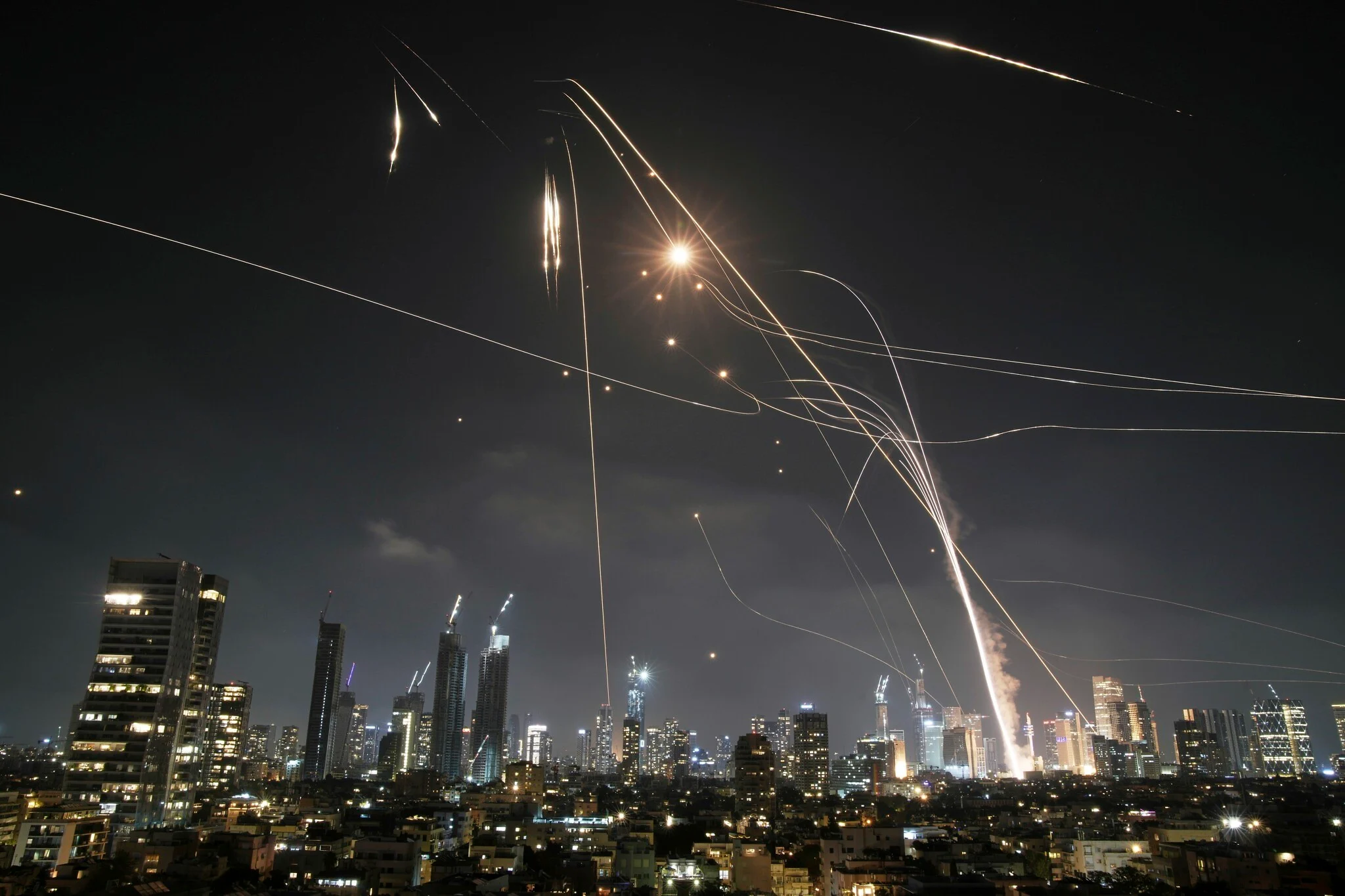
Modern missile defense systems rely heavily on advanced technologies including radar networks, artificial intelligence, and high speed interception systems.
The Iran missile attack Israel event illustrates how technological innovation has transformed national defense strategies.
Engineers and defense researchers continue developing systems capable of detecting threats earlier and intercepting them more effectively.
These innovations help reduce civilian risk during incidents such as the Iran missile attack Israel alert.
Military experts emphasize that continued investment in defense technology remains a priority for countries facing missile threats.
Historical Context of Missile Rivalries in the Middle East
Missile capabilities have shaped security dynamics in the Middle East for decades.
Since the late twentieth century, regional powers have invested heavily in missile technologies designed for both deterrence and defense.
The Iran missile attack Israel situation represents the latest chapter in a long history of strategic competition involving missile technology.
Military historians note that missile defense systems have evolved significantly as governments attempt to counter increasingly sophisticated weapons.
Understanding this history provides important context for interpreting developments like the Iran missile attack Israel incident.
Strategic Security Calculations
Defense analysts say the Iran missile attack Israel development highlights the delicate balance between military deterrence and diplomatic strategy.
Countries across the region are evaluating how to respond to security threats while avoiding actions that could escalate tensions further.
Military planners emphasize that maintaining readiness remains essential as geopolitical dynamics continue shifting.
The Iran missile attack Israel situation has therefore become a focal point in discussions about regional security policy.
Observers believe that careful decision making will be necessary to prevent broader conflict.
Global Implications for Stability
The international community recognizes that developments involving the Iran missile attack Israel incident could influence global stability.
Security experts emphasize that preventing escalation remains a priority for governments and diplomatic organizations.
Regional cooperation and diplomatic engagement continue to play crucial roles in maintaining peace.
The Iran missile attack Israel event demonstrates how quickly military developments can affect geopolitical relationships.
Global leaders continue urging dialogue and restraint.
What the Iran Missile Attack Israel Incident Means Going Forward?
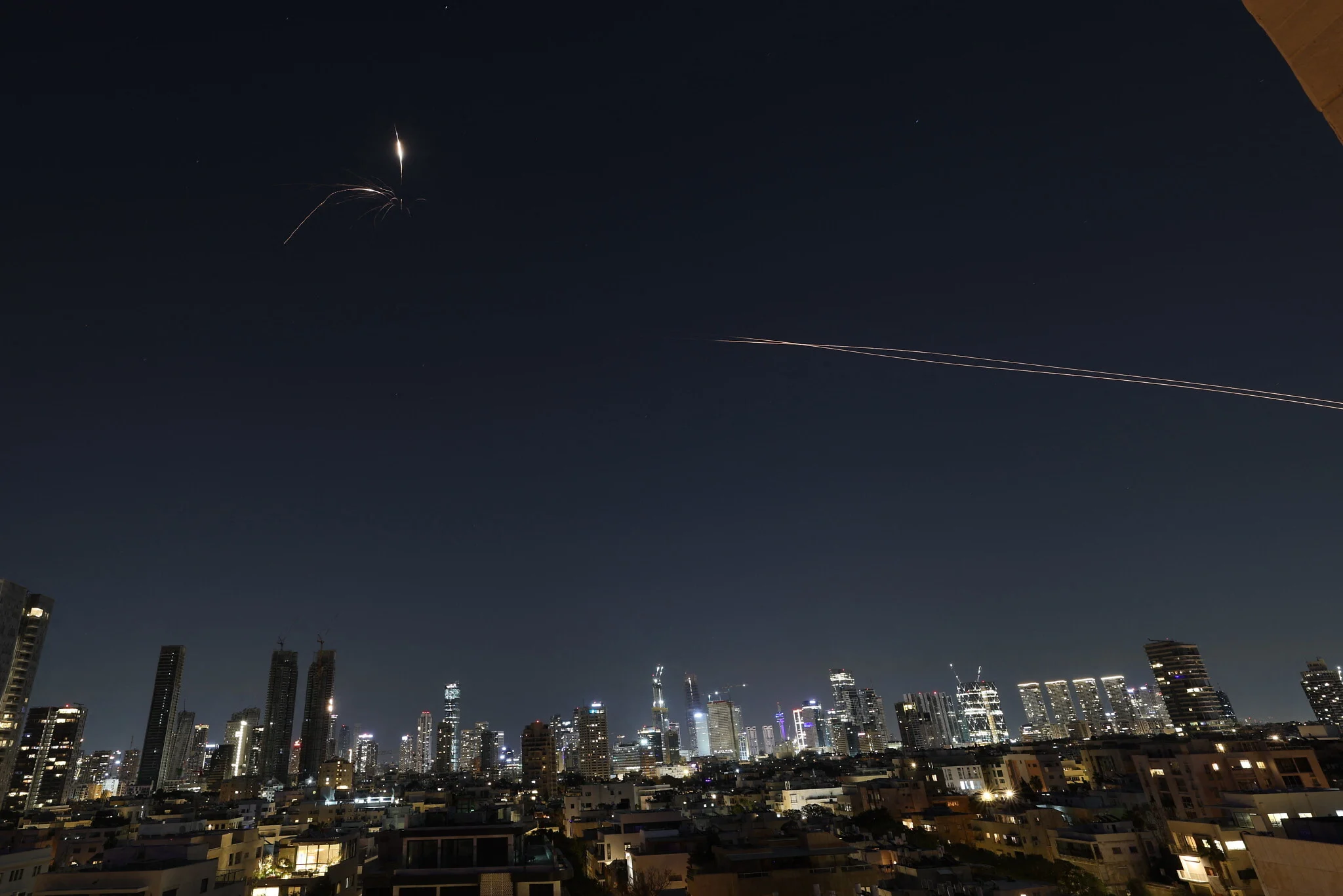
The events surrounding the Iran missile attack Israel alert illustrate the complex challenges facing the Middle East today.
Military readiness, diplomatic communication, and technological innovation all play critical roles in maintaining regional stability.
While defense systems successfully responded to the immediate threat, the broader geopolitical environment remains uncertain.
The Iran missile attack Israel development serves as a reminder of how quickly tensions can escalate in regions where political rivalries and advanced military capabilities intersect.
For policymakers, the priority now is ensuring that diplomatic engagement continues alongside efforts to protect civilian populations.