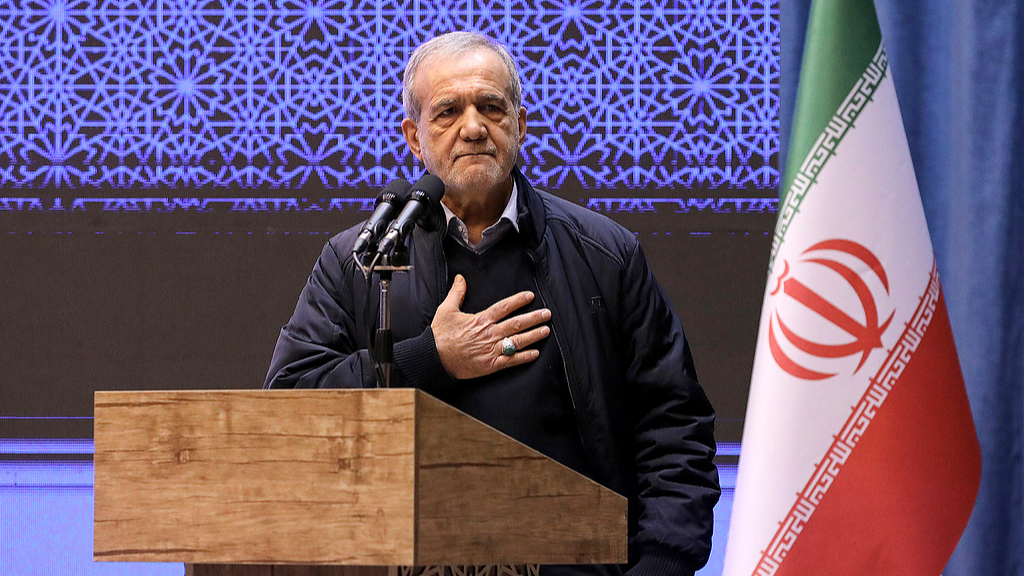
Tehran, Iran — March 9, 2026 — Parliament News — The issue of Iran political leadership change has moved to the center of national and international attention as political figures, scholars, and global observers discuss the future direction of leadership in the Islamic Republic. Recent comments from President Masoud Pezeshkian suggested that decisions about national leadership should reflect the will and expectations of the Iranian people. His remarks triggered renewed debate about how Iran’s political system manages leadership transitions and what such developments could mean for the country’s political future.
The discussion surrounding Iran political leadership change is significant because the Supreme Leader holds the highest authority in the country’s political and military structure. The role oversees strategic decisions related to national security, defense, and foreign policy. Any potential leadership transition therefore carries implications not only for domestic politics but also for Iran’s position within regional and global affairs.
Political analysts say conversations about Iran political leadership change often arise during periods when public expectations, economic conditions, and geopolitical pressures intersect.
Political Institutions and the Leadership Process
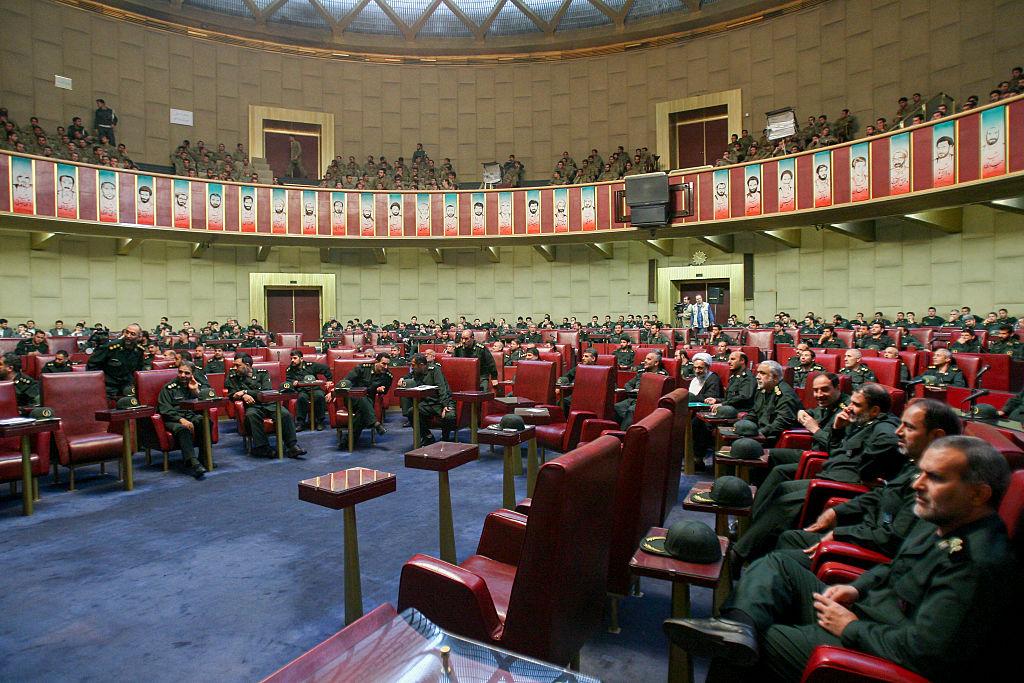
Iran’s political system contains a combination of elected institutions and religious leadership structures. Central to this system is the Assembly of Experts, a body of Islamic scholars responsible for selecting the Supreme Leader.
The Assembly plays a crucial role in any discussion related to Iran political leadership change, as it evaluates candidates based on religious knowledge, leadership ability, and experience in governance. Members of the Assembly are elected by the public, which gives the process a unique mix of democratic participation and religious authority.
Analysts explain that the structure was designed to ensure continuity and stability during leadership transitions. Because the Supreme Leader influences many areas of national policy, the selection process is considered one of the most important institutional responsibilities in the country.
Debate around Iran political leadership change therefore tends to involve legal scholars, political leaders, and religious authorities who interpret the constitutional framework guiding the process.
Historical Comparison With Earlier Transitions
To understand the current conversation about Iran political leadership change, analysts often look back to the leadership transition that followed the death of Ayatollah Ruhollah Khomeini in 1989. At that time, the Assembly of Experts selected Ayatollah Ali Khamenei to succeed the founder of the Islamic Republic.
That transition represented the first major test of the country’s constitutional framework for leadership succession. The process unfolded quickly and demonstrated how Iran’s political institutions were designed to maintain stability during moments of national uncertainty.
Comparisons between that historical moment and today’s discussions about Iran political leadership change highlight how the country’s leadership structure has evolved while still relying on the same institutional mechanisms.
Quote Reflecting Government Perspective
Government officials have attempted to frame the discussion around Iran political leadership change as part of the country’s constitutional process rather than a sign of instability.
During a recent address, President Pezeshkian emphasized the role of national institutions in shaping leadership decisions.
“Our political system is built on institutions that represent the voice and will of the people,”
he said.
His statement suggests that officials want the conversation about Iran political leadership change to be viewed as a natural part of governance rather than a political crisis.
International Attention and Regional Impact
Because Iran plays a significant role in Middle Eastern geopolitics, the debate around Iran political leadership change is being closely monitored by governments and analysts around the world.
Iran influences several regional issues, including energy markets, diplomatic negotiations, and security dynamics in neighboring countries. A leadership transition could therefore affect how Iran approaches international relations and economic cooperation.
Diplomatic observers say the conversation about Iran political leadership change will likely remain an important factor in regional politics as global leaders watch for signals about potential policy shifts.
Key Takeaways From the Leadership Debate
The ongoing debate about Iran political leadership change reflects broader questions about the country’s future direction and political stability. President Pezeshkian’s remarks have highlighted the role of national institutions in shaping leadership decisions, while analysts continue to examine how Iran’s constitutional system manages transitions of power.
Historical precedent shows that Iran has mechanisms in place to guide leadership succession through the Assembly of Experts. As discussions continue, both domestic and international audiences are watching closely to see how the conversation around Iran political leadership change evolves and what it could mean for Iran’s role in regional and global politics.