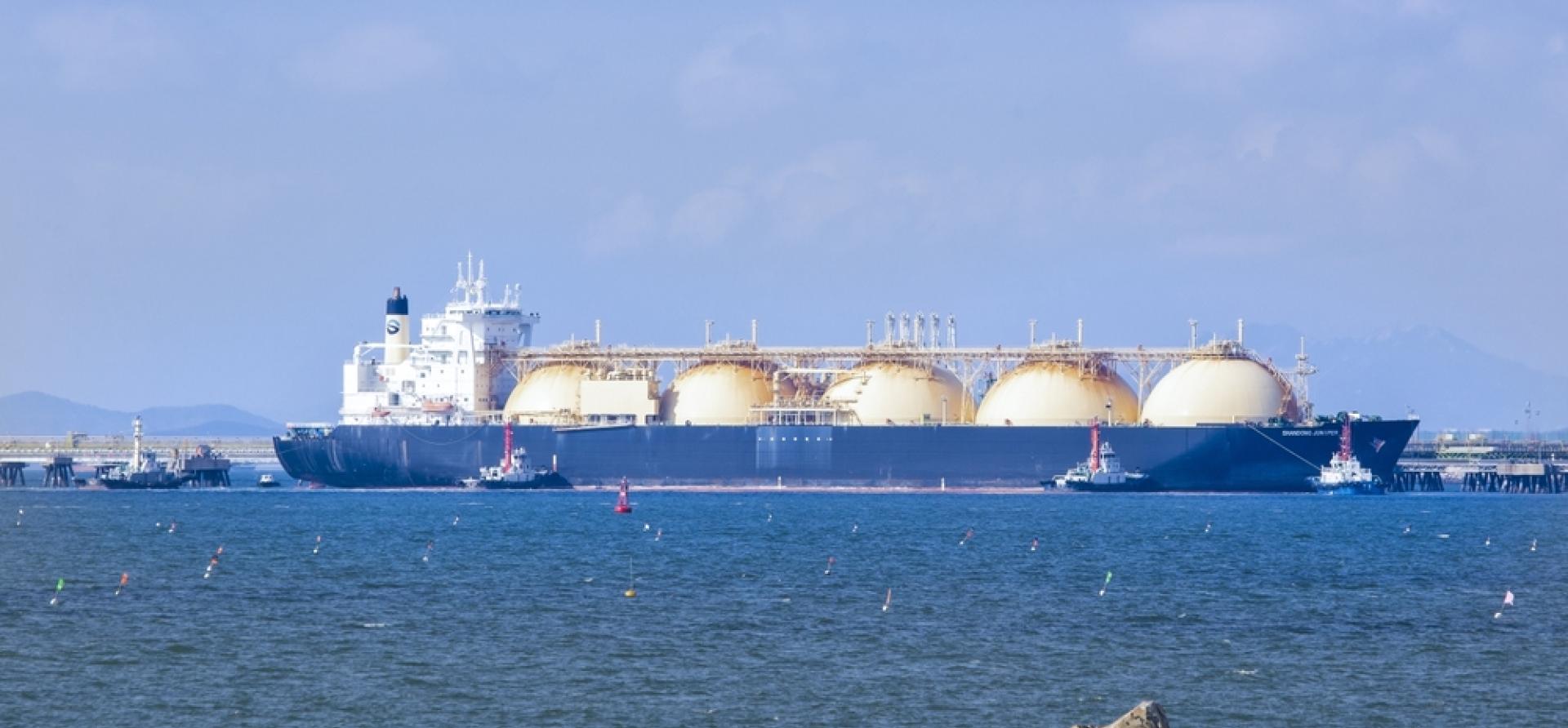
Seoul, South Korea — March 11, 2026 — Parliament News — Global energy markets are watching closely as discussions surrounding South Korea energy policy continue to develop in Seoul. Government officials are reviewing strategic options to protect the nation’s fuel supply amid growing volatility in international oil markets and rising geopolitical tensions. South Korea relies heavily on imported energy, making policy decisions about reserves, imports, and infrastructure critical for maintaining economic stability.
Energy experts say the current debate over South Korea energy policy reflects the country’s ongoing challenge of balancing economic growth with energy security. South Korea imports most of its crude oil from overseas producers, which means global disruptions can quickly influence domestic fuel prices and industrial production.
Officials have emphasized that while no emergency measures have been confirmed, policymakers are carefully studying global conditions to ensure the country is prepared for any potential supply disruptions.
Why Energy Security Matters for South Korea
South Korea is one of the world’s largest manufacturing economies, and stable energy supplies are essential for industries such as shipbuilding, semiconductors, and automotive production. For decades, policymakers have shaped South Korea energy policy around the need to guarantee uninterrupted fuel imports.
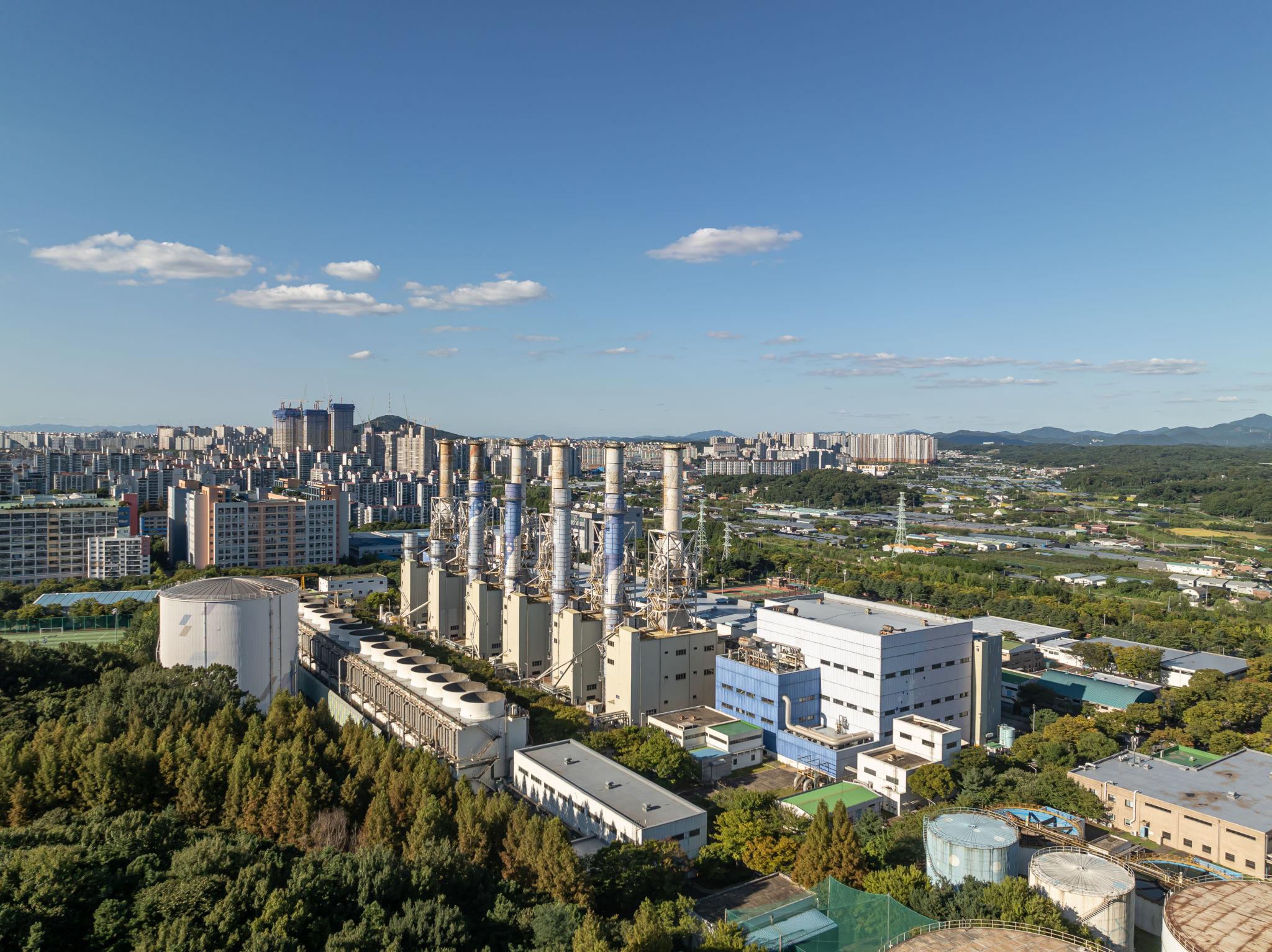
Strategic petroleum reserves have been a central part of this strategy. These reserves are stored in large underground facilities and coastal storage tanks capable of holding millions of barrels of oil. In times of crisis, these reserves can be released into the market to stabilize supply and prevent severe economic disruptions.
Energy planners argue that maintaining adequate reserves is essential because even small interruptions in oil shipments can have immediate economic consequences for a country so dependent on imported fuel.
Global Market Uncertainty Driving Policy Review
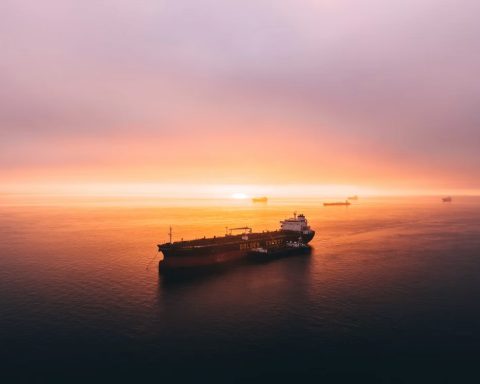
Recent geopolitical developments have contributed to renewed focus on South Korea energy policy. Conflicts in oil producing regions and disruptions to shipping lanes have increased uncertainty across global energy markets.
Oil prices often respond quickly to geopolitical developments. When markets anticipate supply shortages, prices can rise rapidly, placing pressure on importing nations. South Korean officials are closely monitoring these trends to determine whether additional safeguards may be needed.
The government’s review process includes consultations with economists, energy analysts, and international partners to ensure that the country remains prepared for sudden market shifts.
Historical Comparison Shows Similar Energy Concerns
The current debate surrounding South Korea energy policy has historical parallels. During the oil crises of the 1970s, many industrialized nations experienced severe economic disruptions when oil exports from major producing countries were suddenly reduced. At the time, countries around the world began establishing strategic petroleum reserves to protect their economies from future supply shocks.
South Korea adopted similar measures in the decades that followed, building extensive storage infrastructure and expanding partnerships with international energy suppliers. These steps helped the country weather multiple global energy disruptions over the years and remain a stable industrial economy despite limited domestic energy resources.
The lessons learned from past crises continue to shape modern policy discussions.
Officials Emphasize Preparedness
Government representatives involved in the latest discussions say the review of South Korea energy policy is primarily focused on preparedness rather than immediate action.
One energy advisor familiar with the discussions explained the government’s approach.
“South Korea must maintain a flexible strategy that protects our economy from global energy shocks while supporting long term sustainability,”
the advisor said.
Officials say this balanced approach allows policymakers to respond quickly if market conditions deteriorate while continuing to invest in renewable energy and long term energy independence.
The Future Direction of Energy Planning
Looking ahead, experts believe South Korea energy policy will continue evolving as the country invests in new technologies and diversified energy sources. Renewable energy projects, hydrogen development, and improved storage systems are all expected to play larger roles in the national energy strategy.
However, oil and natural gas will likely remain important components of the country’s energy mix for many years. As a result, policymakers must carefully manage both traditional energy supplies and emerging alternatives.
Industry analysts say the coming years could represent a turning point for energy planning as governments adapt to new geopolitical realities and technological change.
What This Means Going Forward
The ongoing review of South Korea energy policy highlights the complex relationship between global markets, national security, and economic stability. Policymakers in Seoul are attempting to ensure that the country remains prepared for sudden disruptions while continuing to support long term energy transition goals.
Although no immediate changes have been announced, the discussions themselves signal how seriously governments are taking the possibility of energy supply shocks.
Key Takeaways From the Energy Policy Debate
The latest developments surrounding South Korea energy policy show how governments must constantly adapt to global energy uncertainty. South Korea’s reliance on imported fuel makes strategic planning essential, and officials are closely monitoring global market conditions to determine whether additional safeguards may be necessary.
By maintaining strong reserves, investing in new energy technologies, and coordinating with international partners, the country aims to protect its economy from potential disruptions while preparing for the energy systems of the future.