Headline: Paralympics Urged to Shift Dates Amid Winter Weather Woes
As the Paralympics face unprecedented slushy weather conditions that have disrupted events, calls for rescheduling are intensifying. The International Paralympic Committee (IPC) is under pressure from athletes, coaches, and officials to consider moving the games to earlier in the year. Held in the picturesque city of Beijing from March 4 to March 13, 2022, the event has thus far been marred by inconsistent weather patterns, raising concerns over athlete safety and competition integrity.
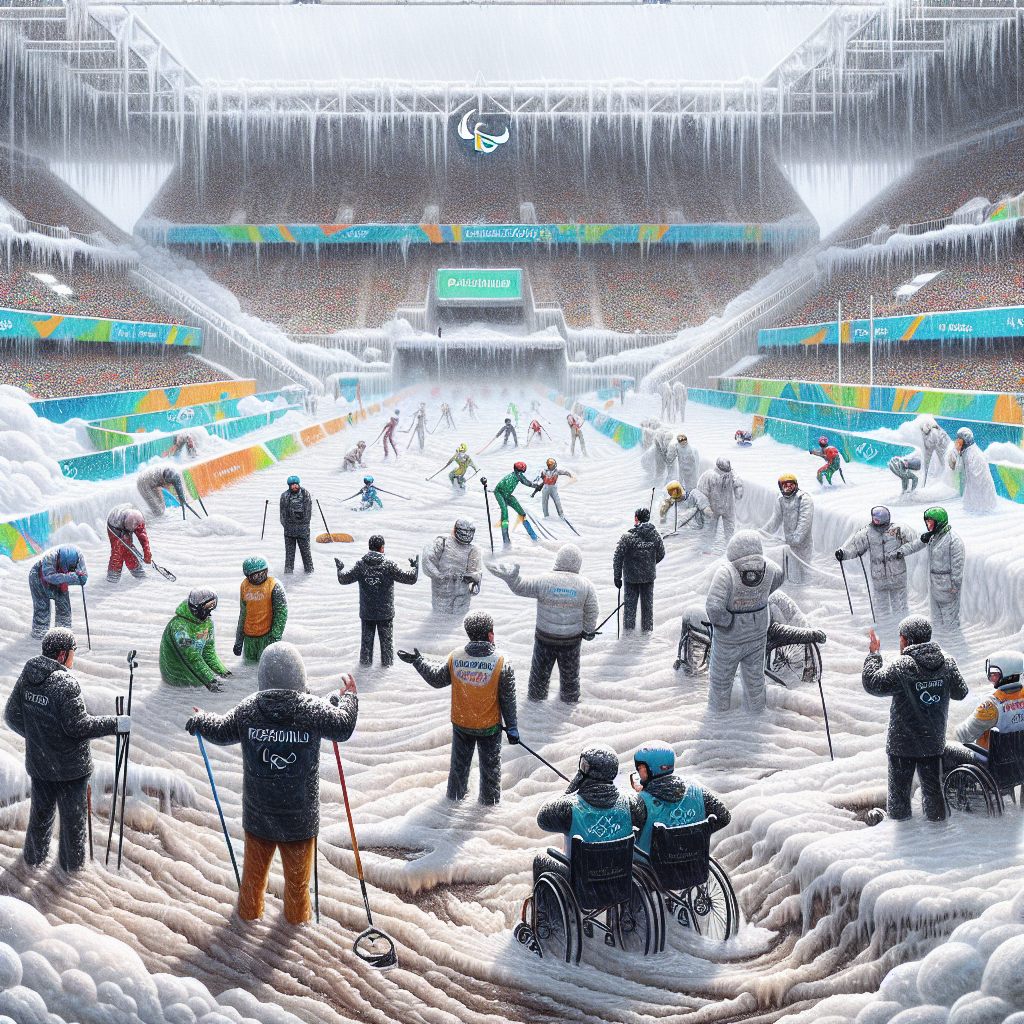
The slushy conditions in Beijing have not only affected the quality of the playing fields but have also resulted in logistical challenges for organization. Heavy rain mixed with unseasonably warm temperatures has created slush rather than snow, causing slippery surfaces that threaten the safety of competitors. Athletes, many of whom are already pushing their limits to excel on an international stage, have expressed their frustrations over having to deal with less than ideal conditions that could potentially undermine their performances.
Calls for a change have resonated particularly among the athletes participating in snow-related events, such as alpine skiing and biathlon. They contend that the unpredictable weather is compromising their training and competitive edge, which is critical in a high-stakes environment. They argue that rescheduling the games to an earlier date in the winter season, when cold weather is more consistent, could help mitigate these issues and ensure a fair competition for all participants.
The IPC has long prided itself on promoting inclusivity and accessibility, but the current weather situation is posing fundamental challenges to those principles. As the organization assesses the feasibility of moving the dates, it must balance the need for athlete safety with logistical considerations and the potential backlash from fans and stakeholders who have already made plans to attend the games.
In an exclusive interview, IPC spokesperson Claire Thompson acknowledged the difficulties presented by the current weather conditions and emphasized the importance of athlete safety. "We are in constant communication with team officials and athletes and are monitoring the situation closely. Our priority has always been to ensure a safe and fair environment for everyone involved," said Thompson.
Several Olympic and Paralympic veterans have expressed their concerns regarding the current conditions. Canadian para-alpine skier Marie-Eve Jeanson highlighted the impact on training routines: "When you’re trying to prepare for the biggest competition of your life, every run counts. Having to deal with these conditions is disheartening. We all love competition, but we need it to be fair and safe."
Aside from the immediate challenges of slush, the unpredictable weather has also forced organizers to rethink contingency plans. With the uncertainty surrounding future weather patterns, scheduling any outdoor event is fraught with risk. Some experts suggest that the IPC should consider more long-term solutions to avoid this situation in future games, including revising the selection process for host cities based on climate trends.
Moreover, discussions about moving the Paralympics forward could spark a wider conversation about climate adaptability within the sporting world. Not just for the Paralympics, but for all winter sports competitions that now face increasing unpredictability due to changing climate conditions, the need for a sustainable model is crucial. Topics like the environmental impact of hosting games and finding alternative venues are rapidly gaining prominence as athletes, fans, and stakeholders alike advocate for a more future-proof approach.
However, changing the dates of such a significant multinational event is not straightforward. Delaying or moving the Paralympics to an earlier date would require careful coordination among various stakeholders, including national Olympic committees, sponsors, and broadcasters. This complexity raises the question of whether the potential benefits will outweigh the logistical hurdles.
At the same time, as the world faces the realities of climate change and its impact on sports, many are calling for a more proactive approach to planning future events. Enhanced weather forecasting systems and a pivot towards more adaptable training environments, including indoor facilities for snow sports, could become essential tools in ensuring safety and performance continuity.
With the already formidable challenge of Covid-19 still looming over international competitions, the Paralympics stand at a crossroads. The weather conditions could serve as a wake-up call not just for organizers, but also for athletes and their support networks. It’s an opportunity to address the bigger picture: how sports can continue to thrive amid the unpredictable variables of climate.
As discussions continue and the games approach, every detail will matter more than ever. The clock is ticking for the IPC and stakeholders involved to make decisions that will not only affect this year’s athletes but could also influence the future direction of the Paralympic movement.
In summary, as the IPC grapples with the logistics of the ongoing Paralympic Games amid unusual weather challenges, the growing call for moving the event to an earlier date reflects a crucial intersection of sport, climate, and athlete welfare. The decisions made now could pave the way for a more adaptable approach to winter sports competitions, ultimately benefiting future generations of athletes.