

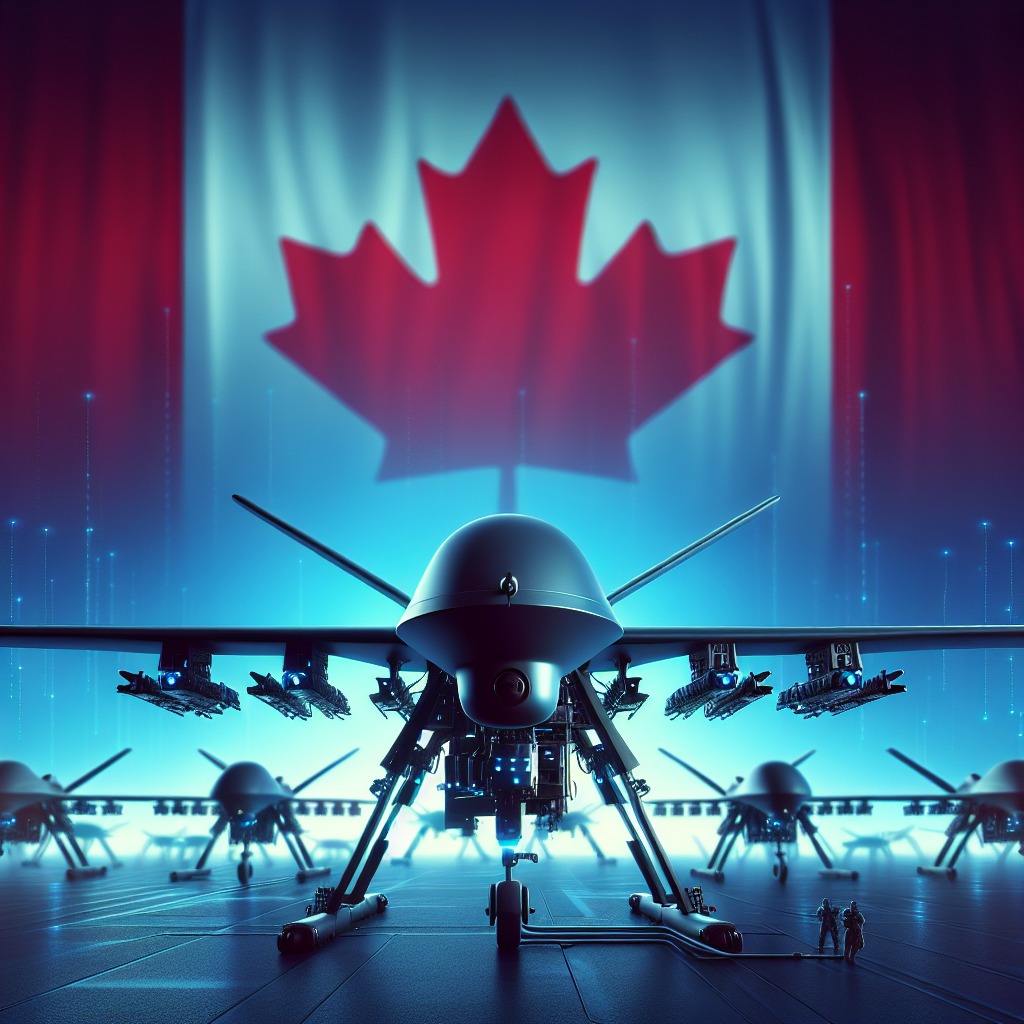
Canada Invests Nearly $1B in Drone and Airborne Defence R&D
In a significant move to bolster national security and defense capabilities, the Canadian government has announced nearly $1 billion in funding dedicated to drone and airborne defense research. This initiative, unveiled last Tuesday at a press conference in Ottawa, aims to enhance military technology and keep pace with global advancements in unmanned systems and aerial combat strategies. The investment not only underscores Canada’s commitment to modernizing its armed forces but also seeks to strengthen international partnerships in defense.
Enhancing National Defense Through Innovation
With growing global threats and the rapid evolution of warfare technology, Canada recognizes the need for advanced surveillance and combat capabilities. This financial commitment is part of a broader strategic imperative to adapt military resources toward emerging technologies. In recent years, the prevalence of drones in warfare, surveillance, and reconnaissance missions has dramatically altered the landscape of military operations. The funding will prioritize research and development (R&D) of advanced drone technology, fostering innovation within Canada’s defense sector.
Strategic Allocation of Funds
The $1 billion investment will be allocated over several years, focusing on various facets of drone and airborne systems. A portion of this funding will be dedicated to partnerships with Canadian academic institutions and private sector companies specializing in aerospace and defense. This collaborative approach is intended to not only enhance technological capabilities but also stimulate local economies through job creation and innovation. Key areas of research will include artificial intelligence integration, drone swarm technology, and improved flight endurance and payload capacity.
A Global Context: Why This Matters
Canada’s commitment to drone and airborne defense technology is not occurring in a vacuum. Countries around the world are rapidly advancing their military capabilities through drone technology. Nations like the United States, China, and Israel have already set high benchmarks in drone warfare, prompting Canada to reassess its capabilities to ensure national security remains robust in the face of changing geopolitical dynamics.
The Canadian government’s initiative also emphasizes the importance of international collaboration in defense. By partnering with allied nations and engaging in joint research initiatives, Canada aims to contribute to a collective defense posture that enhances regional stability. This initiative aligns with Canada’s broader foreign policy goals of strengthening international alliances and maintaining peace and security.
Scientific and Technological Advancement
The funding will enable Canadian researchers and engineers to explore cutting-edge developments in drone technology. For instance, researchers are anticipated to investigate next-generation materials that could improve the durability and stealth of drones, advanced AI algorithms for autonomous navigation, and innovative energy solutions to extend flight times and increase operational ranges.
Furthermore, the government plans to hold a series of workshops and forums to foster collaboration between academia, industry leaders, and government officials. These events will serve as platforms for knowledge exchange, innovation discussions, and identifying future funding opportunities.
Economic Impact and Job Creation
Beyond national security, the investment in drone and airborne defense R&D carries significant economic implications. The Canadian aerospace and defense sector is already a key contributor to the national economy, employing thousands of workers across the country. This new funding initiative is expected to generate additional employment opportunities, particularly in high-tech and specialized fields.
By fostering a vibrant defense innovation ecosystem, Canada is poised to cultivate a new generation of engineers, scientists, and technologists skilled in drone technology and aerial defense systems. The government hopes that this investment will not only strengthen military capabilities but also position Canada as a leader in global defense technology.
Environmental Considerations in Drone Development
As Canada moves forward with this $1 billion investment, environmental sustainability is expected to be a cornerstone of the research initiatives. Emerging drone prototypes are likely to focus on energy efficiency and reduced environmental footprints, addressing growing concerns over the ecological impacts of military operations. Researchers will explore alternatives such as electric propulsion and renewable energy sources to minimize carbon emissions associated with unmanned aerial systems.
Public Response and Stakeholder Engagement
The announcement has garnered mixed reactions from various stakeholders. Military officials have voiced strong support for the investment, emphasizing the need for advanced technologies to maintain a competitive edge. However, some advocacy groups have raised concerns about the ethical implications of drone warfare and the potential for misuse. The government has indicated its commitment to engaging in transparent discussions regarding the ethical use of advanced military technologies.
Future Prospects and Challenges
Looking ahead, Canada’s investment in drone and airborne defense research presents both opportunities and challenges. As technological advancements continue to shift the landscape of modern warfare, staying ahead of adversary capabilities will be essential. Additionally, ensuring that ethical considerations are at the forefront of technological development will be crucial in building public trust.
The upcoming years will be pivotal as Canada embarks on this ambitious journey to innovate and invest in drone and airborne defense systems. The success of this initiative will depend not only on the effective allocation of funds but also on a collaborative approach that involves various stakeholders across the defense and technology sectors.
Conclusion
Canada’s nearly $1 billion commitment to drone and airborne defense research signifies a robust step towards enhancing national security and military capabilities. Through strategic partnerships, innovative research, and a focus on sustainability, Canada seeks to position itself as a leader in defense technology. As the world navigates an increasingly complex geopolitical landscape, investments in advanced military technologies are imperative for maintaining security and fostering international collaboration.
This historic funding initiative exemplifies a proactive stance towards ensuring that Canada’s armed forces remain prepared for the future, capable of addressing emerging threats while also contributing to economic growth and technological advancement.