
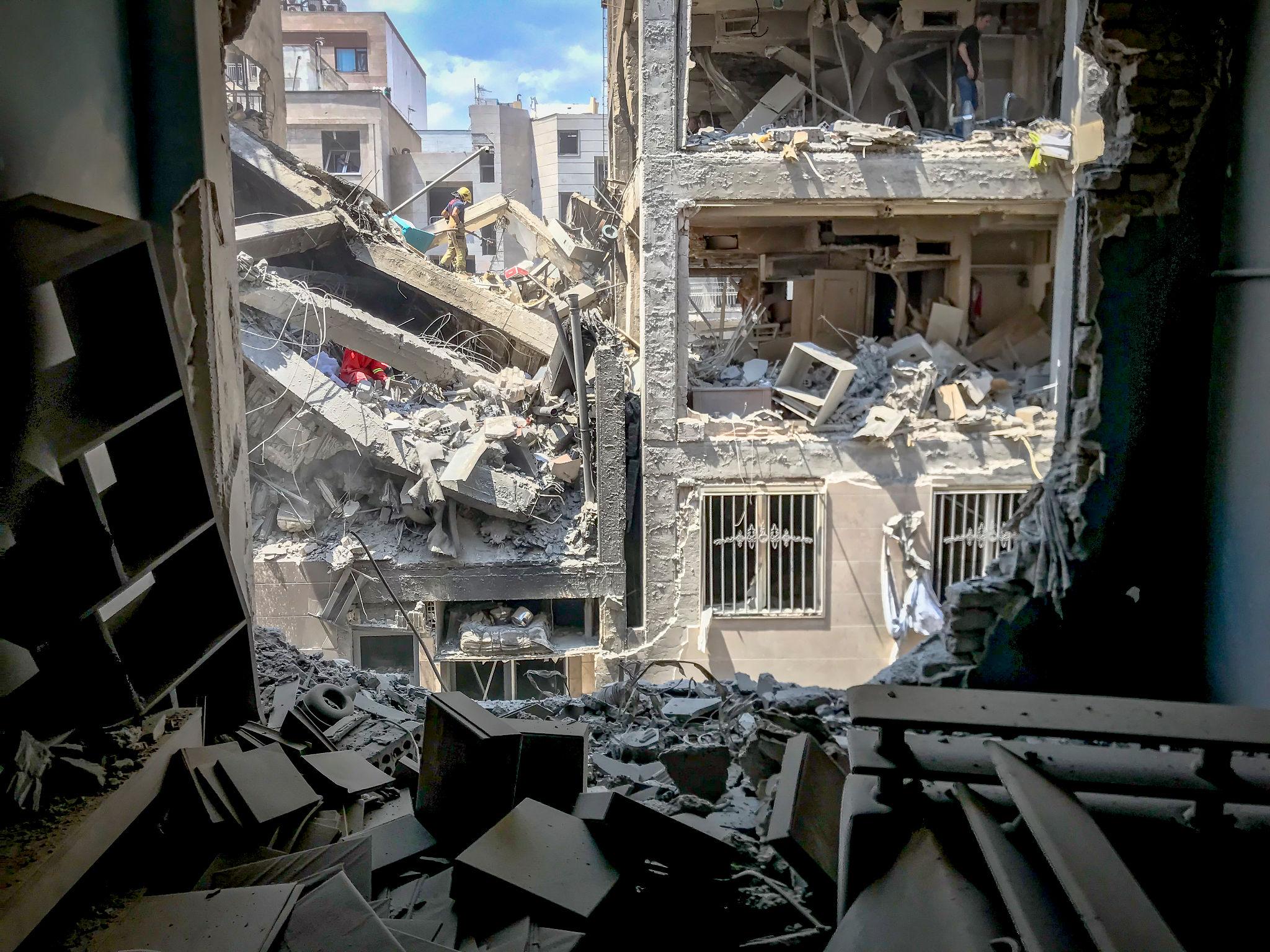
Tehran, Iran — March 11, 2026 — Parliament Politics Magazine — Iran infrastructure damage has become a major concern following recent strikes that affected several urban districts and public facilities. Emergency teams, engineers, and humanitarian organizations are now working across the capital and nearby regions to determine the full extent of the destruction.
Initial inspections suggest that residential buildings, municipal offices, transportation routes, and other essential facilities were impacted during the attacks. Local officials say many structures sustained structural damage ranging from shattered windows and collapsed roofs to weakened foundations.
Authorities have deployed rescue teams and engineering specialists to evaluate which buildings are safe for residents to return to and which may require demolition. Iran infrastructure damage assessments remain ongoing because several neighborhoods are still being cleared of debris and hazardous materials.
Officials say documenting the full scale of the destruction will take time as inspectors continue surveying affected districts.
Communities Facing Displacement and Recovery Challenges
The destruction has displaced thousands of residents who can no longer safely remain in their homes. Temporary shelters have been established in schools, sports facilities, and community centers to house families affected by the crisis.
Humanitarian organizations are distributing food, water, and medical supplies to those staying in temporary shelters. Volunteers and relief workers say the emotional toll has been significant as families return to neighborhoods where homes and businesses were damaged.
Local leaders emphasize that the growing scale of Iran infrastructure damage highlights the importance of coordinated relief efforts. Authorities continue working with humanitarian groups to ensure affected residents receive assistance during the recovery period.
Historical Comparison With Previous Conflicts
Analysts studying the situation have begun comparing the current damage with earlier regional conflicts that affected infrastructure across the Middle East. In several past conflicts, rebuilding damaged cities required years of reconstruction and billions of dollars in investment.
Following earlier wars in the region, transportation systems, energy networks, and residential neighborhoods often required extensive rebuilding before communities could fully recover. Experts say Iran infrastructure damage today could present similar challenges depending on the final assessment of affected areas.
The historical experience shows that infrastructure recovery requires careful planning, strong engineering oversight, and sustained economic support to rebuild cities safely.

Expert Perspective on Reconstruction
Urban planning specialists say rebuilding damaged cities involves far more than repairing individual buildings. Transportation networks, water systems, and communication infrastructure must also be restored to ensure normal daily life can resume.
One regional infrastructure analyst explained the challenge by saying,
“Rebuilding after large scale destruction means restoring not only structures but the systems that allow communities to function safely.”
Experts believe that coordinated planning between engineers, government agencies, and humanitarian organizations will be essential for rebuilding affected districts.
The Road Ahead
As inspections continue across affected areas, authorities are working to understand the full scope of the crisis. The number of damaged buildings and disrupted services may continue to grow as engineers complete detailed assessments.
Officials say their priority remains protecting civilians, restoring utilities, and supporting displaced residents until reconstruction plans can begin.
Rebuilding After the Damage
In summary, Iran infrastructure damage has triggered a significant humanitarian and engineering response as authorities evaluate the destruction and support displaced communities.
Rescue teams continue to inspect buildings, restore essential services, and assist families affected by the crisis. While the long term recovery process may take time, officials say rebuilding efforts will focus on restoring safe housing, transportation systems, and essential public services so communities can gradually return to normal life.