Headline: Caylin Young Clarifies Controversial Bodycam Footage
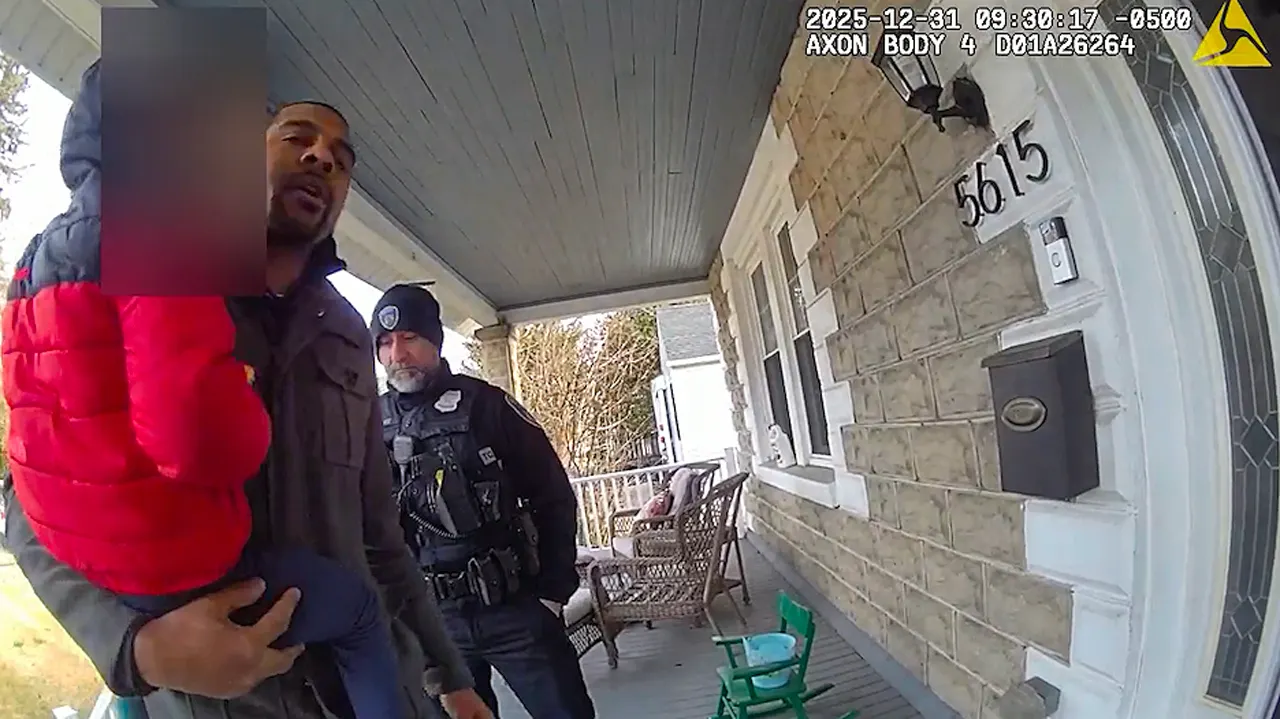
In a recent development surrounding a police encounter, Caylin Young publicly disputed claims made by bodycam footage of an incident that took place on October 12 in downtown Springfield. Young asserts that the footage misrepresents his statements, emphasizing that he declared, "I said I was on time, not on top." This clarification follows growing public interest and debate regarding the implications of the recorded interaction, as community leaders and advocates call for transparency and accountability within law enforcement practices.
On the evening of October 12, officers were dispatched to a reported disturbance in downtown Springfield. Bodycam footage captured by the attending officers shows a confrontation with Young, which has since drawn significant media attention. In the video, Young appears to claim his punctuality in terms of arriving at the scene but contends that the recording mischaracterizes his words when discussing his physical presence at the location.
Young’s comments reflect an ongoing conversation about the impact of bodycam footage on public perceptions of interactions between citizens and law enforcement. The footage, which has been widely circulated on social media, has led to polarized opinions about the conduct of both the officers involved and those they encountered.
Key Clarifications from Young
In interviews conducted shortly after the video gained traction online, Young insisted that his defense is misconstrued. “What I meant to convey is that while I was there on time to help my friends in a playful situation, the narrative that emerged was overblown," he explained. Young further elaborated that he believes the language and tone of the officers contributed to a misunderstanding of his intentions.
The phrase in question—"I said I was on time, not on top"—is emblematic of the miscommunication he claims occurred during the incident. Young aims to clarify that he was not attempting to assert any dominance or aggression, which the footage could be interpreted as suggesting, but rather pointing out that he arrived on schedule to diffuse what he described as a misunderstanding among friends.
Community Response
The incident has ignited discussions within the Springfield community about the interpretations of police bodycam footage and how it is utilized by various parties—media, law enforcement, and the public. Community leader and activist Marcus Lee expressed concern over how bodycam footage can oversimplify complex interactions. "It’s vital that we approach these situations with nuance and care," Lee stated. "The context is everything; people’s words can be twisted depending on how the footage is presented."
Local law enforcement has noted the increasing scrutiny surrounding bodycam videos and how they impact public trust. Police Chief Laura Martinez released a statement emphasizing their commitment to transparency. “We acknowledge the critical role bodycam footage plays in promoting accountability," Martinez said. "However, context is key, and we encourage the community to engage with these events actively, ensuring they have a full understanding of what transpired.”
Analyzing Bodycam Footage and Public Perception
Experts in law enforcement and media communication have weighed in on the implications of such footage. Dr. Emily Richards, a sociologist specializing in police-community relations, stated, “Bodycam footage can be a double-edged sword. On one hand, it provides evidence of interactions; on the other, it can easily be taken out of context.” She emphasized the importance of considering the broader circumstances surrounding any engaged situation rather than making judgments based on isolated snippets of video.
The controversy surrounding Young’s statements raises important questions regarding accountability, communication, and justice in policing. Observers have begun to call for clearer guidelines on how bodycam footage is presented and interpreted, both in the media and by law enforcement.
Implications for Policy and Practice
As the discourse evolves, there are calls within Springfield to develop community forums that educate residents about bodycam usage and the legal ramifications of police encounters. Young himself advocated for a better understanding of the consequences of such footage on individuals. “People can become instantaneously judged based on a single moment caught on camera. It’s no small thing—it affects lives,” he stated during his interview.
Many hope that the discussion surrounding Young’s statements could prompt comprehensive reviews of bodycam policy and usage in Springfield. Lawmakers are reportedly considering legislation that would require all police departments to adopt clearer protocols for handling and releasing bodycam footage, aiming to preserve the integrity of both officers and civilians involved in incidents.
Next Steps for Young and the Community
As Young continues to advocate for clarity regarding his remarks—themes of accountability and effective communication remain central in public discussions. Meanwhile, Springfield residents are increasingly engaged in conversations about their rights and the responsibilities of law enforcement.
As this situation develops, attention will remain fixed on how both Young’s assertions and the broader context influence discussions about policing, transparency, and mutual understanding in communities across the nation. The aftermath may also highlight ways in which cities can navigate emerging technologies while ensuring justice and respect for the individuals they are designed to serve.
Moving forward, both Young and community leaders encourage an open dialogue focused on understanding, interpreting, and appropriately reacting to the complexities inherent in law enforcement interactions. The future may hold significant shifts in policy and practice, driven by ongoing analysis of budgetary, legal, and ethical considerations surrounding bodycam footage.
In an era where public scrutiny of police work is at an all-time high, the ultimate goal remains finding pathways toward improved community relations and restorative justice practices—underscoring the essential need for understanding and collaboration among all parties involved.