Headline: Unraveling Climate’s Impact on Avalanches and Prediction
As climate change continues to alter weather patterns globally, researchers are observing significant shifts in avalanche occurrences and predictability in mountainous regions. Recent studies from experts at the University of Colorado Boulder, published in early October 2023, highlight how rising temperatures and increased precipitation are reshaping traditional avalanche forecasting methods. Understanding these changes is crucial for enhancing safety measures for winter sports enthusiasts and local communities in areas prone to avalanches.
The Changing Dynamics of Avalanches
Avalanches, often a winter sport enthusiast’s worst nightmare, are influenced by various factors, including snowpack stability, temperature, and moisture content. Historically, colder winters provided a stable foundation for robust snowfall, resulting in predictable avalanche conditions. However, as global temperatures rise, the relationship between these factors is becoming increasingly complex.
Temperature fluctuations can lead to more frequent freeze-thaw cycles, destabilizing snowpacks. This creates layers of weak snow susceptible to sliding. Additionally, increased moisture from warmer systems can result in heavier, denser snow, elevating the potential for avalanches even in traditionally stable conditions. Experts are particularly concerned about warmer winters, as they give rise to unpredictable avalanche dynamics.
Enhanced Prediction Techniques Leveraging Technology
To combat these evolving challenges, researchers and meteorologists are leveraging advancements in technology to refine avalanche prediction models. Machine learning algorithms are being integrated into traditional forecasting methods, enhancing accuracy by analyzing vast amounts of historical weather and avalanche data.
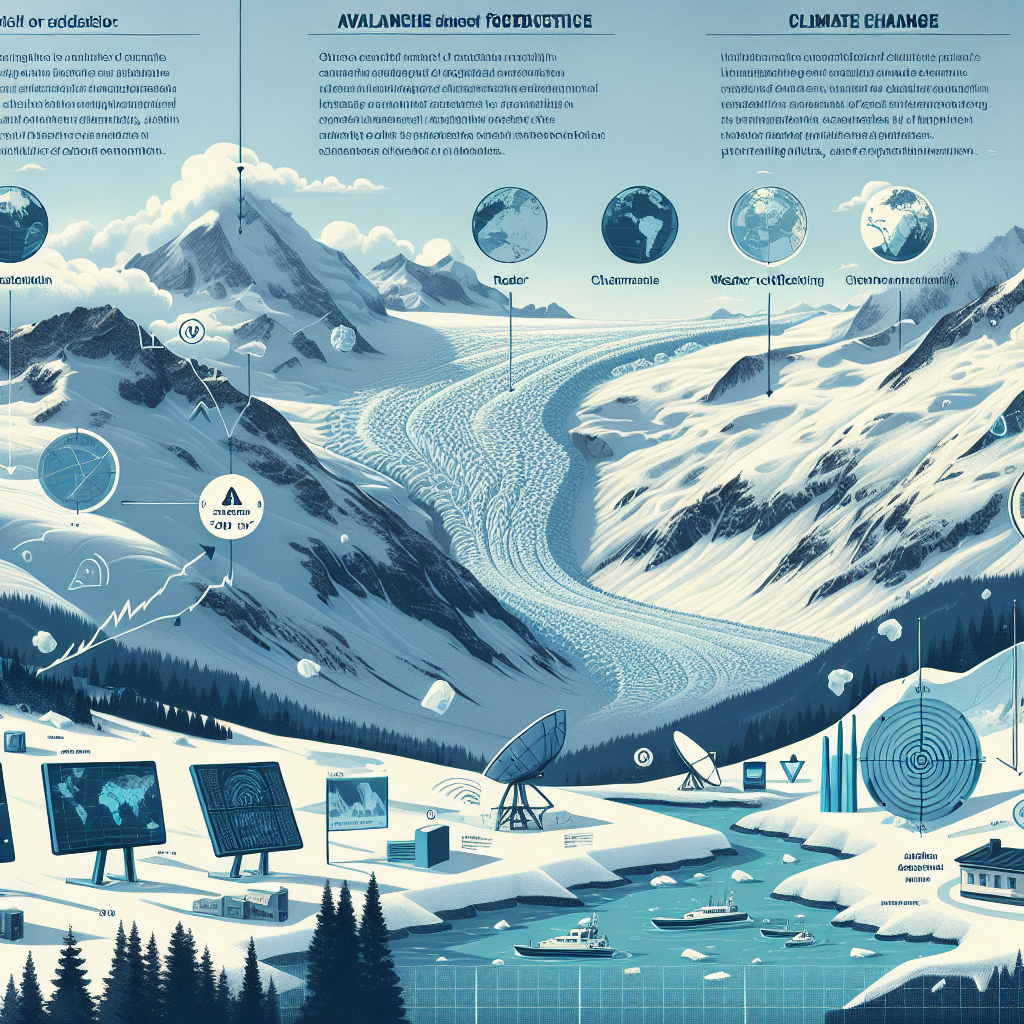
The latest studies indicate that using satellite imagery and remote sensing technology allows researchers to assess real-time snowpack conditions more effectively than ever before. By combining these techniques with traditional ground-based observations, scientists can develop more nuanced models able to predict avalanche risk. These improvements aim to provide early warnings to mountain communities and those partaking in outdoor adventures.
Collaboration Across Fields: The Way Forward
As climate change continues to impact snowpack stability, a multi-disciplinary approach may present the best solution to reducing avalanche-related incidents. Collaboration among climatologists, hydrologists, and avalanche forecasters is becoming essential in building comprehensive predictive models.
Furthermore, local governments and ski resorts are increasingly investing in safety measures informed by these developing models. For instance, some resorts have adopted real-time monitoring systems that provide instant updates on snow conditions, which can be crucial for making timely decisions.
The Role of Public Awareness and Safety Training
In the face of these changes, public awareness and education have never been more critical. Organizations like Avalanche Canada emphasize the importance of avalanche safety training and preparedness for all winter sport participants. Basic education on recognizing avalanche signs and safe travel practices in avalanche terrain can greatly enhance survival rates.
Winter sports enthusiasts are being encouraged to take avalanche safety courses, which equip them with knowledge about real-time conditions and how to respond effectively. Increased emphasis on awareness can ensure that individuals are not merely relying on technology but are also equipped with essential skills for navigating risk.
The Future of Avalanche Research and Prediction
The intersection of climate change and avalanche behavior presents significant research opportunities. Scientists are now investigating how different climate scenarios might alter avalanche patterns in the coming decades. Integrating climate models with avalanche forecasting systems is expected to provide insights into future risks and trends.
By accurately predicting how avalanches might evolve, researchers aim to create better preparatory measures for communities who live in or frequent avalanche-prone areas. As we move into a future where climate change continues to influence our environment, adapting our prediction models and response strategies will be crucial to ensuring safety in mountainous regions.
Conclusion: Facing the Growing Challenge
In conclusion, the interaction of climate change and avalanche dynamics presents increasingly complex challenges. Enhanced prediction models, informed by technological advances and interdisciplinary collaboration, may hold the key to improved safety measures. Public awareness and education are equally vital in addressing the risks associated with changing avalanche conditions.
As winter approaches, it’s essential for adventurers and local communities alike to stay informed and prepared. Balancing the thrill of winter sports with a keen awareness of changing environmental factors is critical in navigating the snowy landscapes while prioritizing safety.
Through ongoing research and collective efforts, we can better understand and predict the implications of climate change on avalanches, fostering a culture of informed and responsible winter recreation that looks towards a safer future.