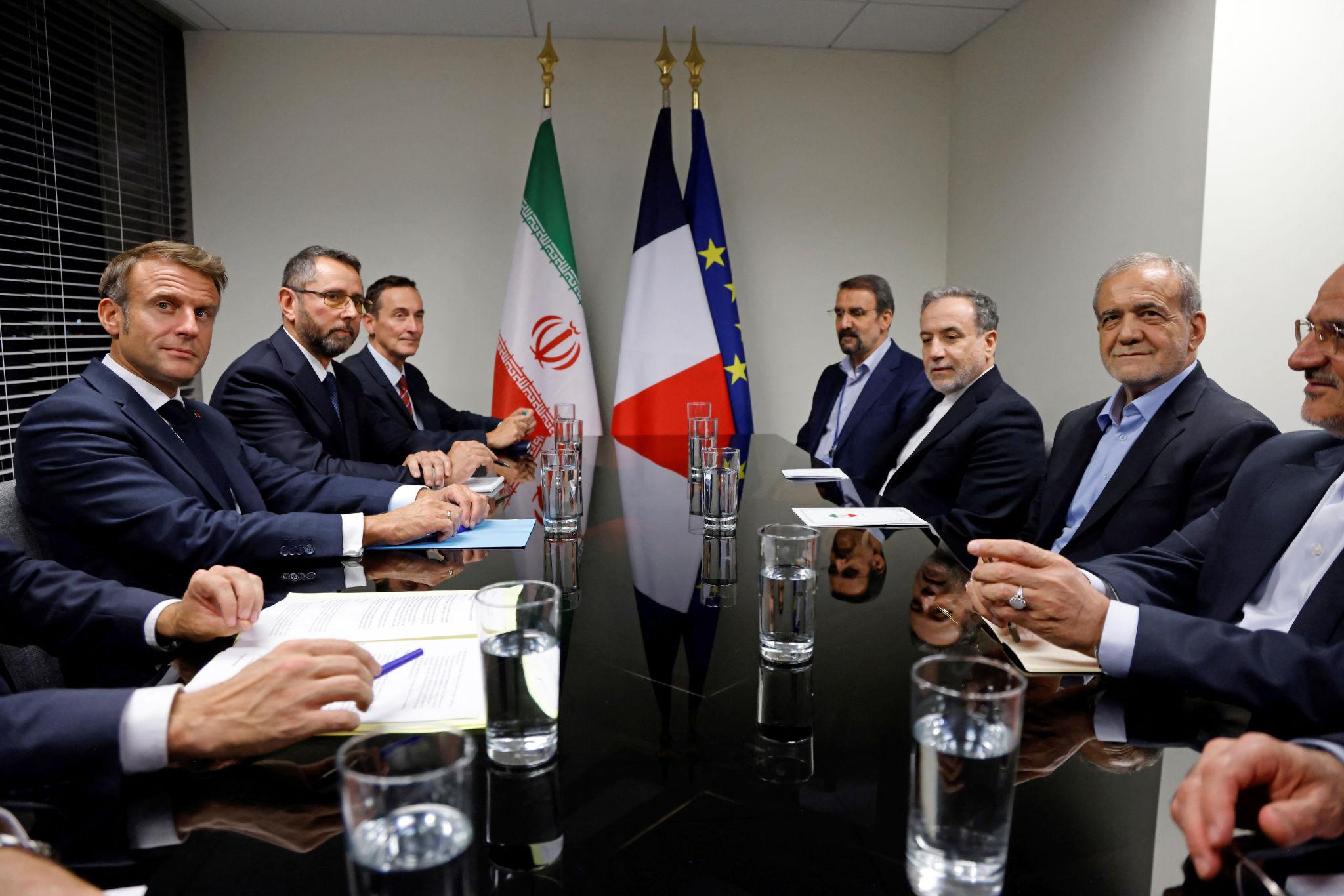
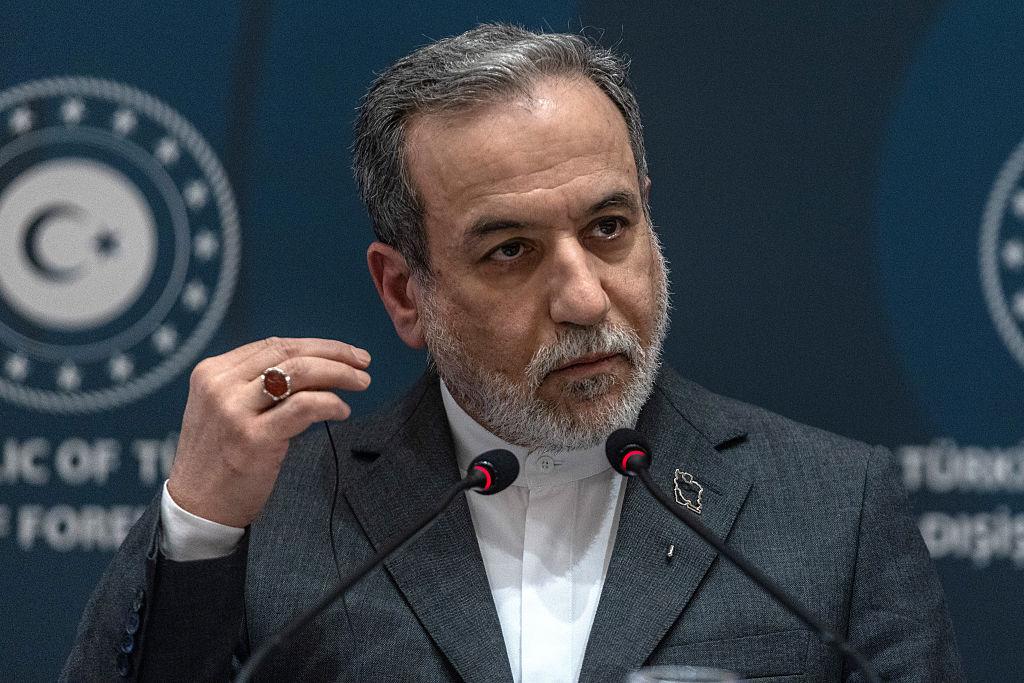
TEHRAN, Iran – March 15, 2026: According to Parliament Politics Magazine, The Iran de escalation message delivered by Iranian Foreign Minister Abbas Araghchi during discussions with France has captured international attention as tensions across the Middle East remain high. Speaking with a senior French diplomat, Araghchi reportedly warned that no country should escalate the conflict and stressed the importance of diplomatic engagement to prevent further instability.
The diplomatic communication comes at a time when geopolitical tensions in the region have raised concerns about the potential for broader confrontation. According to Iranian officials, the Iran de escalation message was intended to encourage restraint and emphasize the importance of dialogue among international actors.
Analysts say the conversation highlights the continuing role of diplomacy as governments seek ways to avoid escalation during a volatile period in regional politics.
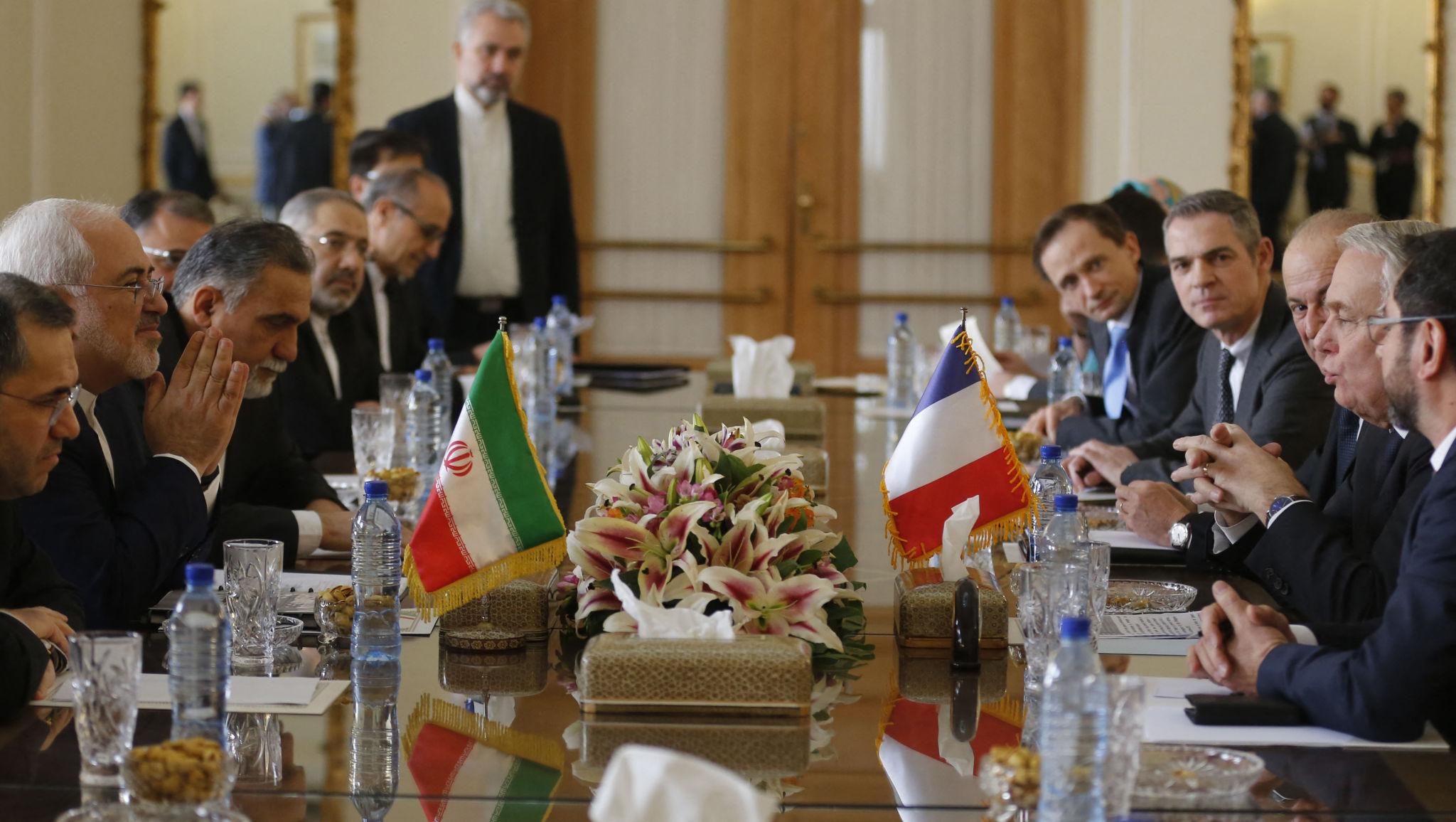
Tehran’s Diplomatic Outreach to France
The recent diplomatic contact between Tehran and Paris reflects ongoing efforts to maintain open communication between governments during times of geopolitical tension. France has historically maintained diplomatic engagement with Iran even during periods of disagreement.
During the exchange, the Iran de escalation message emphasized that further escalation could have serious consequences for regional stability and international security. Iranian officials reportedly encouraged European leaders to support diplomatic initiatives that prioritize negotiation rather than confrontation.
Diplomatic observers note that European governments often play an important role in facilitating dialogue between nations involved in complex geopolitical disputes.
Rising Regional Tensions
The Iran de escalation message arrives amid growing concern that conflicts in the Middle East could expand if diplomatic solutions are not pursued. Regional disputes involving several actors have increased the risk of miscalculation or unintended escalation.
Political analysts believe statements calling for restraint often serve as signals that governments are seeking to avoid wider conflict. Such messages can also help reassure international partners that diplomatic channels remain active.
Many governments across Europe and Asia have emphasized the importance of dialogue and stability in the region due to its strategic and economic importance.
Europe’s Role in Maintaining Dialogue
European diplomacy continues to play a significant role in managing tensions involving Iran and its neighbors. The Iran de escalation message highlights how European governments remain engaged in efforts to reduce geopolitical risks through communication and negotiation.
France has frequently participated in diplomatic initiatives involving Iran, including previous negotiations over nuclear agreements and regional security concerns.
European officials often emphasize that maintaining open channels of communication can help reduce misunderstandings and prevent political disagreements from escalating into larger conflicts.
Historical Comparison With Earlier Diplomatic Appeals
The Iran de escalation message echoes similar diplomatic appeals that have occurred during earlier crises in the Middle East. During the early 2000s nuclear negotiations between Iran and world powers, diplomatic engagement between Tehran and European governments helped prevent tensions from escalating into open confrontation.
Likewise, during earlier regional crises governments often relied on diplomatic messaging to signal restraint while negotiations continued behind the scenes. These historical examples demonstrate how communication between governments can help manage periods of geopolitical uncertainty.
While today’s situation is different in many respects, the continued use of diplomatic dialogue reflects lessons learned from previous conflicts.
Expert Perspective on the Diplomatic Message
One international relations expert highlighted the significance of the situation.
“Diplomatic communication like this Iran de escalation message is essential during moments of rising tension because it signals that governments are still willing to pursue dialogue rather than confrontation.”
Experts say such statements can help stabilize international perceptions and encourage continued negotiation.
Global Reactions to Tehran’s Statement
The Iran de escalation message has been closely monitored by governments around the world. Several international leaders have echoed calls for restraint while encouraging diplomatic engagement between all parties involved.
The United Nations and other international organizations have also urged countries to avoid actions that could intensify regional tensions.
Diplomatic observers note that international reactions can play a critical role in shaping the trajectory of geopolitical crises.
Strategic Importance of Diplomatic Communication
The Iran de escalation message illustrates how communication between governments remains one of the most important tools for preventing escalation during geopolitical crises. Diplomatic engagement allows countries to clarify intentions and avoid misunderstandings that could lead to conflict.
France and other European nations have often served as intermediaries in diplomatic discussions involving Iran and other regional actors.
Maintaining these communication channels may prove essential for ensuring stability during uncertain times.
Implications for Global Politics
The Iran de escalation message also reflects the interconnected nature of international politics. Events in the Middle East often influence diplomatic relations and economic conditions far beyond the region.
Energy markets security alliances and international trade routes all intersect with geopolitical developments in this strategically important area.
Political analysts say messages encouraging restraint can sometimes reduce tensions by signaling openness to negotiation.
However long term outcomes depend on how other governments respond.
Diplomacy in a Time of Rising Tension
The Iran de escalation message demonstrates how diplomacy continues to play a central role in managing global tensions. Through communication and negotiation governments attempt to prevent disagreements from evolving into larger conflicts.
The discussion between Tehran and Paris reflects ongoing international efforts to maintain stability while addressing complex geopolitical challenges.
Diplomats say continued engagement may help create opportunities for dialogue and cooperation even during periods of disagreement.
A Moment for Dialogue and Restraint
The Iran de escalation message underscores the importance of diplomatic communication during a time of heightened regional tensions. By urging countries not to escalate the conflict Tehran has signaled its concern about the potential consequences of further confrontation.
Whether these diplomatic efforts succeed remains uncertain, but the message highlights the role of dialogue as a key mechanism for preventing geopolitical crises from intensifying.
Crisis Brief Key Developments Explained
The Iran de escalation message delivered during discussions with France highlights a diplomatic effort to encourage restraint as tensions remain elevated in the Middle East. Tehran’s leadership has emphasized the need for dialogue rather than escalation while international observers monitor the situation closely.
The statement illustrates how diplomacy continues to shape global responses to regional conflicts. Governments around the world are now watching developments carefully as diplomatic engagement continues to influence the direction of international relations.