
Brussels Belgium — March 15, 2026 — Parliament Politics Magazine — Energy markets around the world are closely monitoring a major development as the International Energy Agency signals that hundreds of millions of barrels from strategic reserves could soon reach the market. Officials say the potential release is intended to support oil price stabilization as supply uncertainty continues to affect global energy markets.
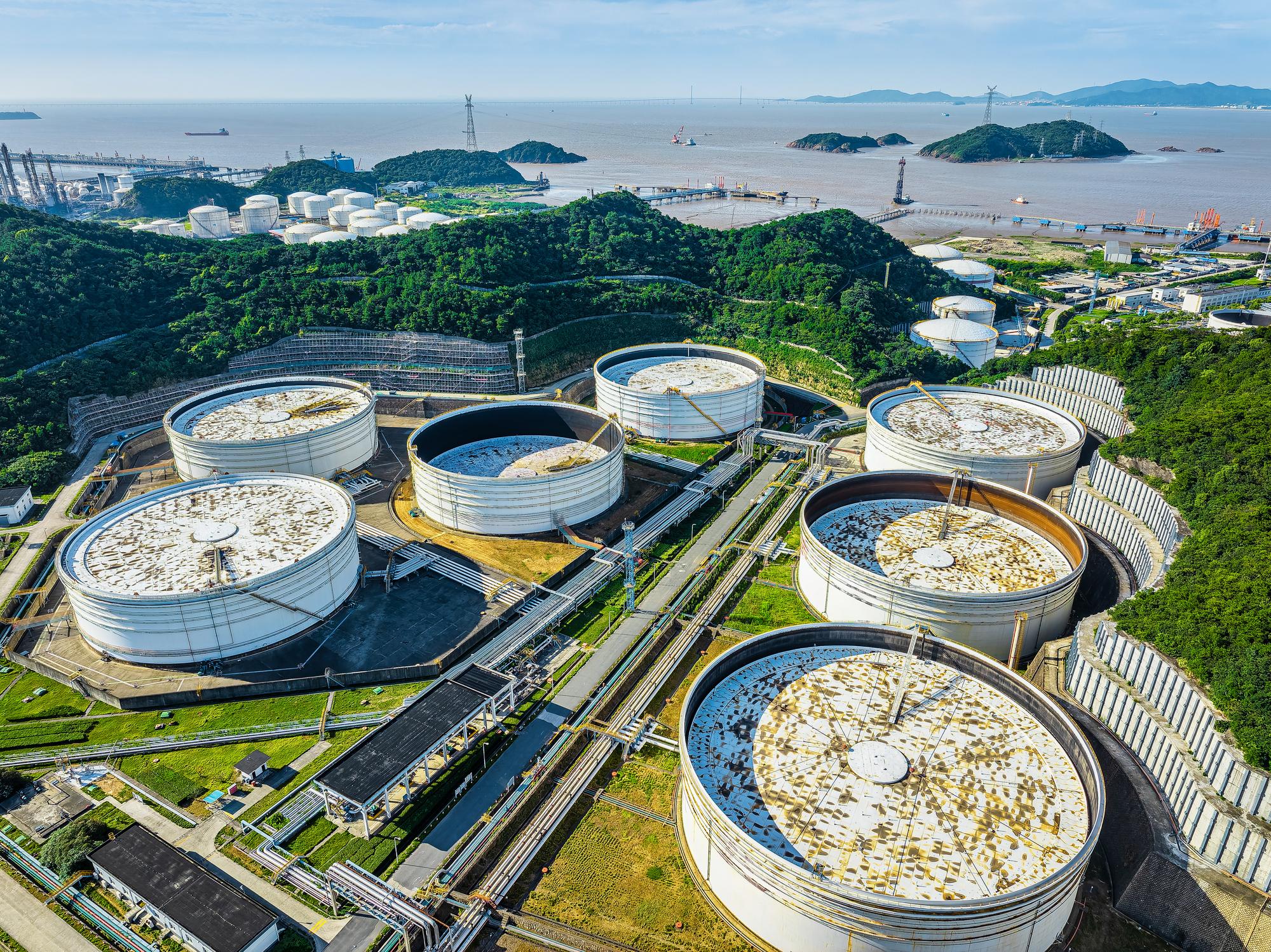
The plan involves a coordinated effort among several major economies that maintain large emergency oil reserves. These reserves were built specifically to respond to global energy disruptions and protect economic stability when supply shortages threaten to drive prices sharply higher.
Market analysts say the announcement alone has already begun influencing expectations across financial markets. Traders and investors are evaluating how quickly the additional supply could be delivered and how much impact it might have on global crude prices.
Why Governments Are Considering a Reserve Release
Energy policymakers say several global developments have increased pressure on oil markets. Rising geopolitical tensions and transportation disruptions have created uncertainty about future supply levels.
Governments often use strategic reserves during moments of crisis to support oil price stabilization and calm market volatility. When prices surge rapidly they can contribute to inflation and increase operating costs across many industries.
Officials believe that releasing oil into global markets can quickly boost supply and reduce panic buying among traders. Even the announcement of a coordinated release can influence expectations about future supply.
The Role of the International Energy Agency
The International Energy Agency coordinates energy policy among many of the world’s largest economies. During energy crises the organization works with member nations to organize joint responses designed to maintain supply stability.
In the current situation policymakers believe that coordinated action may help reinforce oil price stabilization by demonstrating that governments are prepared to intervene when supply disruptions threaten the global economy.
Energy experts say cooperation among countries is essential because individual reserve releases often have limited influence on global markets. Large coordinated actions can send stronger signals to investors and traders.
Economic Impact of Oil Market Stability
Oil prices influence transportation manufacturing shipping and agriculture. Because these industries rely heavily on fuel sudden price increases can ripple throughout the global economy.
Economists say oil price stabilization helps maintain economic confidence by allowing businesses to predict operating costs more accurately. Stable energy prices can also help limit inflation and protect consumer purchasing power.
Airlines shipping companies and logistics providers are particularly sensitive to changes in fuel prices. When markets stabilize these industries often experience improved planning and financial stability.
Historical Comparison With Previous Energy Crises
The current situation has drawn comparisons to past moments when governments used strategic reserves to calm energy markets. One well known example occurred during the early 1990s when military conflict in the Middle East disrupted global oil production.
At that time governments coordinated large scale reserve releases to protect global supply chains and prevent economic shocks. Those actions helped restore confidence in energy markets and contributed to temporary oil price stabilization during a period of intense geopolitical uncertainty.
Energy historians say the strategy has repeatedly proven useful when markets face sudden disruptions that threaten supply security.
Energy Industry Response
Energy companies are watching developments closely because government interventions can influence investment decisions and production planning.
While reserve releases may temporarily increase supply many industry leaders support policies that encourage oil price stabilization because extreme volatility can discourage investment in new energy infrastructure.
Stable market conditions allow producers to plan drilling operations transportation logistics and long term supply contracts more effectively.
Analysts Assess the Possible Market Impact
Commodity analysts say the effectiveness of the potential reserve release will depend on several factors including how quickly the oil can reach refineries and global shipping routes.
If implemented quickly the plan could significantly support oil price stabilization by increasing available supply at a critical moment for global energy markets.
However analysts also note that strategic reserves are designed as temporary tools rather than long term solutions to supply challenges.
A Critical Moment for Global Energy Policy
Energy policymakers face a complex balancing act as they consider releasing strategic reserves. These reserves must remain available for future emergencies while also providing support during current market volatility.
One energy analyst summarized the situation clearly.
“Strategic reserves are designed to protect the global economy during moments of uncertainty and they remain one of the most powerful tools available for maintaining oil price stabilization when supply disruptions occur.”
Global Energy Markets Await the Next Decision
Financial markets and energy companies are now waiting for final confirmation from governments and the International Energy Agency regarding the timing of the possible release.
If the coordinated action proceeds it could represent one of the most significant interventions in global energy markets in recent years.
Investors analysts and policymakers will be watching closely to determine whether the measure successfully supports oil price stabilization during a period of heightened uncertainty.
Why the 2026 Energy Strategy Could Reshape Global Markets
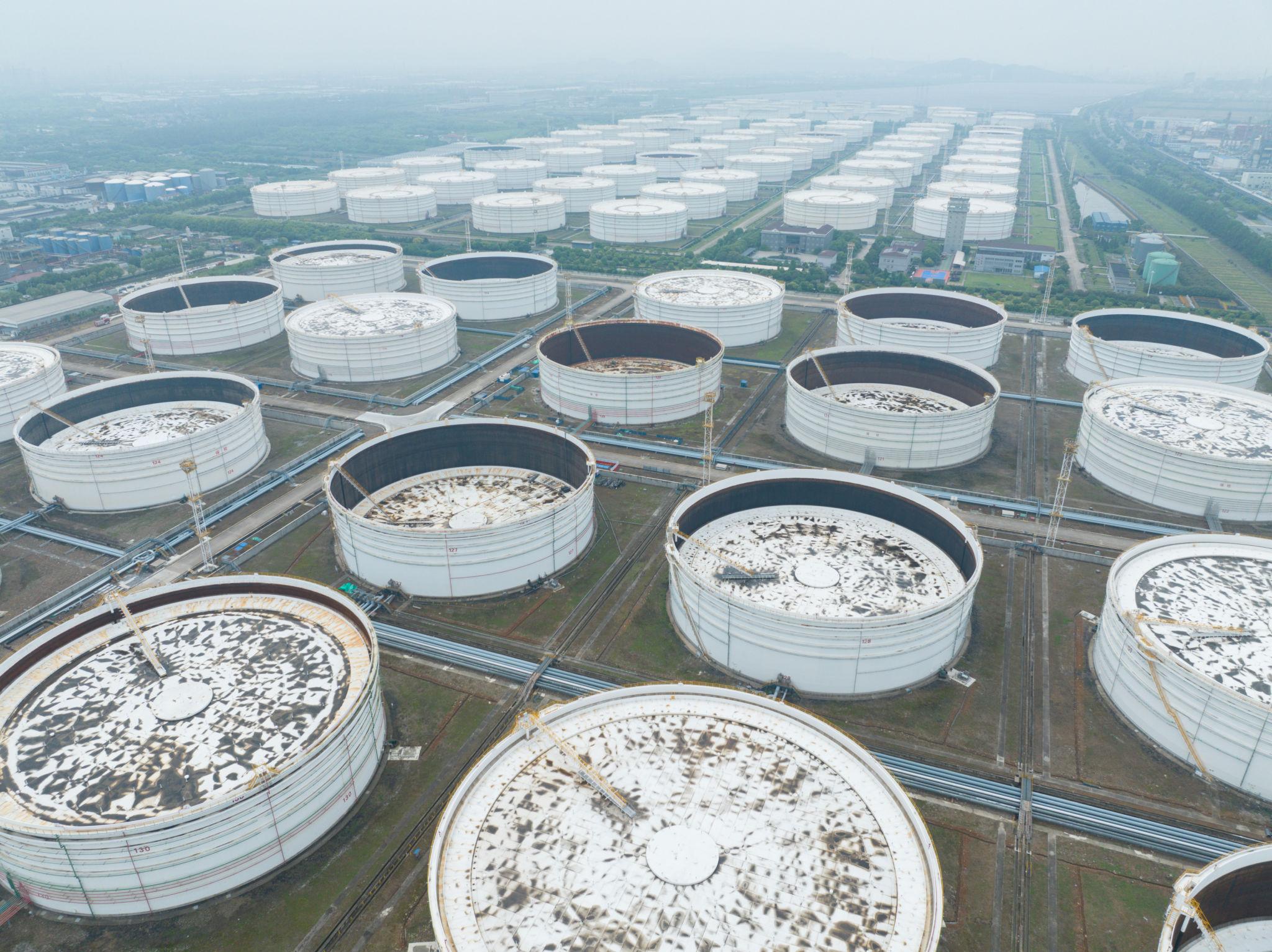
The possible release of hundreds of millions of barrels from strategic reserves highlights the increasing complexity of the modern global energy system. Rising demand geopolitical tensions and infrastructure challenges have created an environment where supply disruptions can rapidly influence prices.
Governments hope that coordinated action will restore confidence and prevent major economic disruptions.
In summary the International Energy Agency’s proposal to release emergency reserves aims to calm volatile markets increase supply and support oil price stabilization across global energy systems. The decision now facing policymakers could influence not only energy prices but also economic stability worldwide in the months ahead.