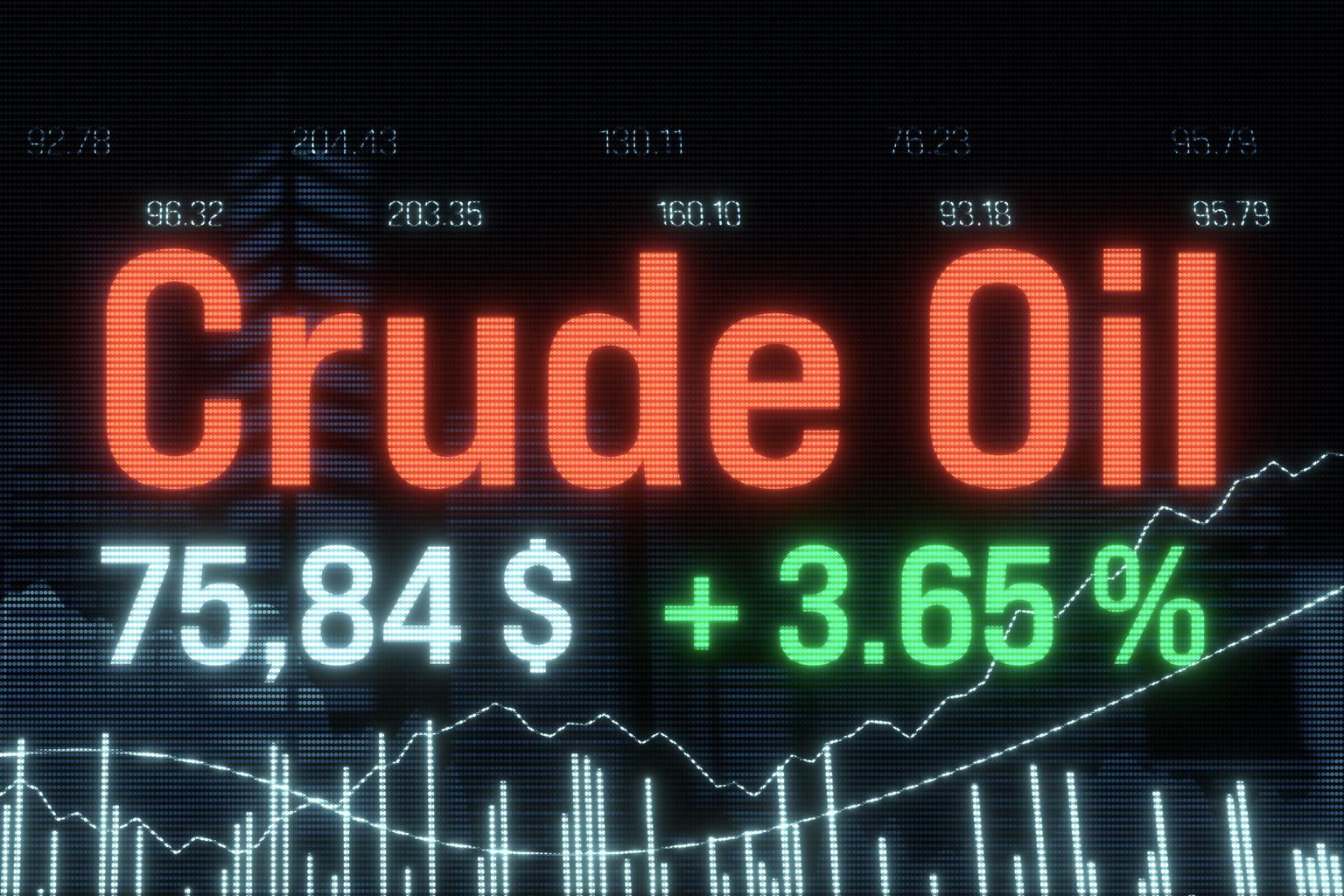
Concerns about Iran oil market risk are once again drawing global attention as analysts evaluate the impact of geopolitical tensions on crude oil prices.
Recent political comments from a former Trump adviser claim decades of uncertainty involving Iran have inflated oil prices worldwide.
Energy markets and policymakers are closely monitoring developments as global supply chains remain sensitive to instability in the Middle East.
WASHINGTON, United States — March 16, 2026 — Parliament Politics Magazine style coverage highlights how Iran oil market risk has returned to the center of global energy discussions as analysts examine the influence of geopolitical tensions on crude oil pricing.
Energy markets frequently respond to instability in major oil producing regions. Iran’s geographic position near key shipping routes makes it one of the most closely watched countries in global energy politics.
As debates continue about whether geopolitical tension has historically added extra cost to crude prices, investors and policymakers are examining how Iran oil market risk may influence both short term price volatility and long term market expectations.
The renewed discussion comes as governments evaluate how political uncertainty in the Middle East could affect the stability of energy supplies flowing to global markets.
Why Global Oil Markets Watch Iran Closely
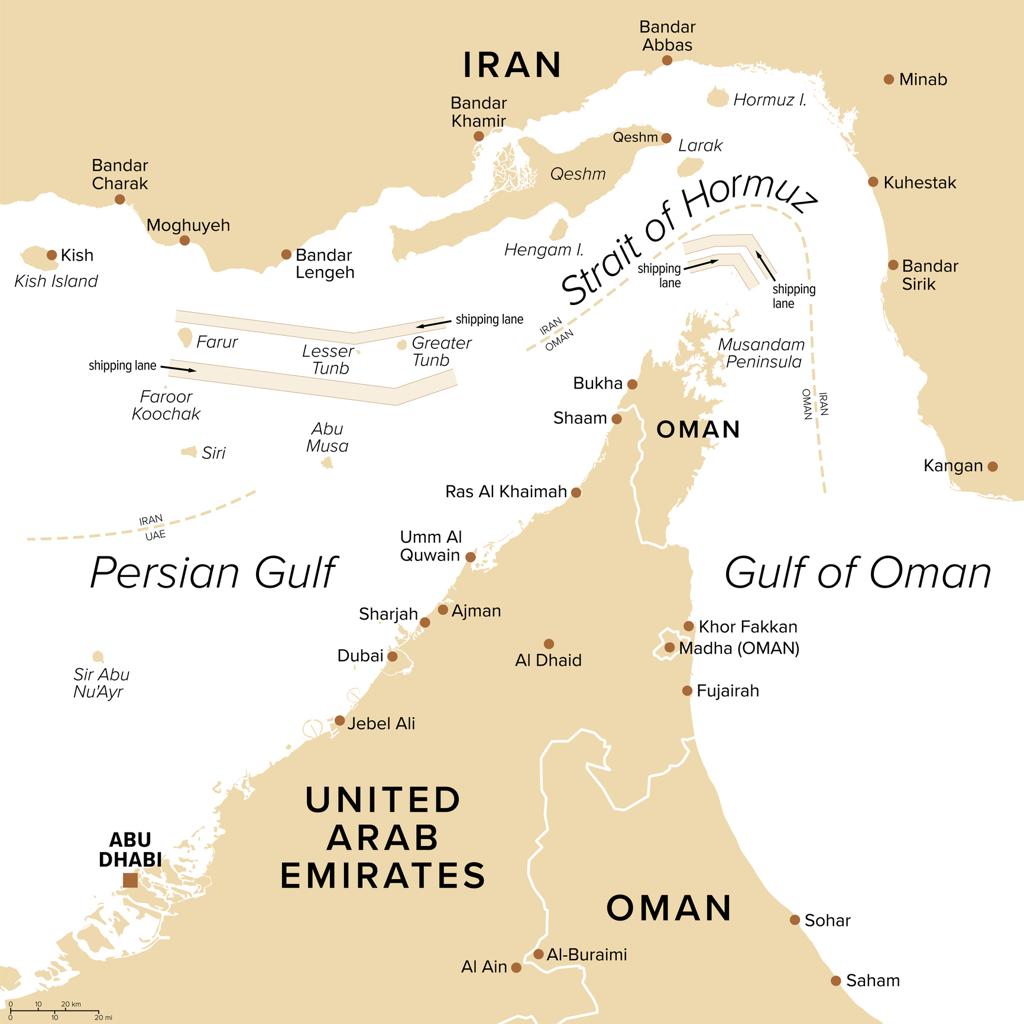
Iran holds one of the world’s largest proven oil reserves and sits in a strategic location near the Persian Gulf’s primary shipping corridors.
Large volumes of crude oil move through nearby maritime routes every day on their way to international buyers. Because of this strategic geography, developments involving Iran quickly capture the attention of global markets.
Analysts say Iran oil market risk often becomes a key factor when traders evaluate potential threats to supply stability. Even if production remains constant, markets tend to react to the possibility that tensions could disrupt exports or shipping routes.
Energy traders closely track political developments in the region because the perception of risk can influence investor behavior.
Geopolitical Premiums and Oil Price Volatility
Commodity markets frequently incorporate geopolitical risk into pricing models. When tensions increase in energy producing regions, traders may adjust prices upward to reflect uncertainty.
In discussions surrounding Iran oil market risk, some analysts believe markets have historically added a geopolitical premium to crude prices due to the possibility of regional instability.
Such premiums are not unusual in global commodity markets. Traders attempt to anticipate potential disruptions before they occur, creating price movements based on expectations rather than actual supply changes.
As a result, geopolitical events can influence oil prices even during periods when production levels remain steady.
Political Commentary Sparks Market Discussion
Energy markets are highly responsive to political commentary that touches on supply stability.
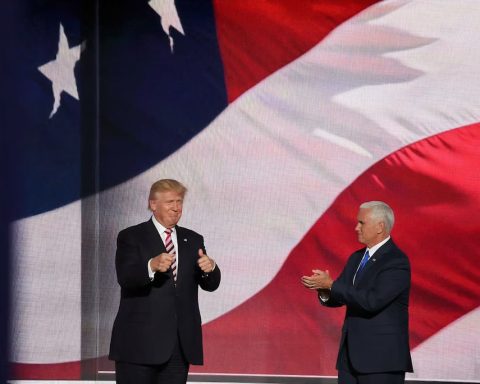
Recent remarks from a former Trump administration adviser suggested that decades of geopolitical tension tied to Iran have inflated oil prices over time.
These comments have reignited debate among economists and policy experts about the role Iran oil market risk plays in shaping long term oil pricing patterns.
Investors often respond quickly to statements involving major energy producing regions, reassessing potential risks to future supply flows.
This dynamic demonstrates how closely financial markets track geopolitical developments.
History of Oil Market Sensitivity in the Persian Gulf
The modern conversation surrounding Iran oil market risk is shaped by a long history of geopolitical tension affecting energy markets.
During the late twentieth century, conflicts in the Persian Gulf repeatedly caused sharp increases in oil prices as markets reacted to potential supply disruptions.
One notable example occurred during the 1980s when attacks on oil tankers operating in the Gulf created widespread concern about shipping safety.
These historical experiences left a lasting impression on global energy markets. Traders remain highly sensitive to political developments in the region because previous disruptions have demonstrated how quickly prices can rise.
Understanding this historical context helps explain why markets still react strongly to signals involving Iran and nearby energy infrastructure.
Economic Consequences of Oil Price Fluctuations
Oil prices influence nearly every sector of the global economy.
Transportation companies, airlines, shipping operations, and manufacturing industries rely heavily on stable fuel costs to maintain predictable operating expenses.
When geopolitical developments introduce uncertainty such as Iran oil market risk, the resulting price fluctuations can ripple through global supply chains.
Consumers may eventually see these effects reflected in fuel prices, shipping costs, and the price of everyday goods.
This economic ripple effect demonstrates how energy markets connect geopolitical events with daily economic activity worldwide.
Analysts Debate Long Term Market Impact
Energy economists remain divided over how much influence geopolitical factors should carry in long term pricing models.
Some analysts believe Iran oil market risk has historically contributed to a measurable premium in global oil prices.
Others argue that supply and demand fundamentals ultimately determine price levels over time.
One energy market strategist explained the complexity of the issue.
“Oil markets are forward looking. Traders price risk into the market because even the possibility of disruption can change expectations.”
Despite differing opinions, most analysts agree that geopolitical developments in the Middle East will continue shaping investor sentiment.
Energy Infrastructure and Global Supply Chains
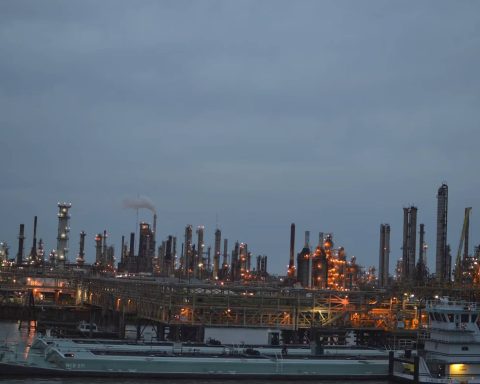
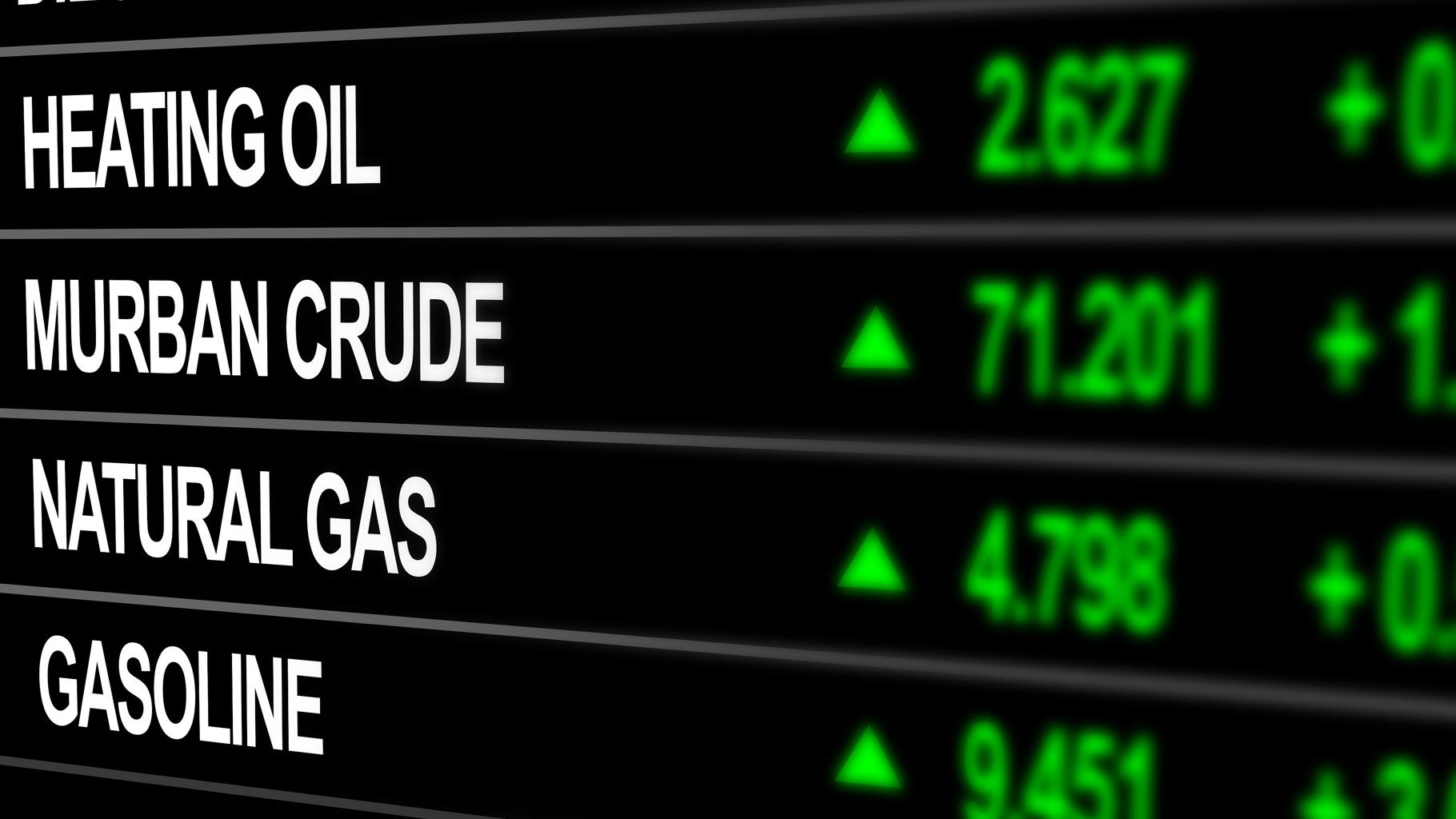
The global oil market depends on extensive infrastructure networks including pipelines, shipping routes, storage facilities, and refineries.
Many of these systems operate within regions where political tensions occasionally emerge.
Because of this, discussions about Iran oil market risk often focus on the safety and reliability of energy infrastructure connecting producers with international markets.
Governments and industry leaders consider infrastructure protection a critical priority for maintaining stable global energy supplies.
Reliable energy networks are essential for economic stability and international trade.
Future Outlook for Energy Market Stability
Looking ahead, geopolitical developments will likely remain a significant factor influencing oil prices.
As global energy demand continues to grow, markets will remain highly sensitive to political signals affecting major producing regions.
Many analysts believe Iran oil market risk will continue appearing in market discussions as investors evaluate potential threats to supply stability.
Energy security strategies adopted by governments may increasingly focus on diversifying supply sources and strengthening international cooperation to protect critical shipping routes.
Such measures could help reduce the impact of geopolitical volatility on global energy markets.
Why the Energy World Continues Watching the Persian Gulf
The Persian Gulf region remains one of the most strategically important areas for global energy production and transportation.
Large volumes of crude oil flow through nearby shipping corridors each day toward markets in Asia, Europe, and North America.
Because of this dependence, Iran oil market risk remains a recurring topic among energy traders and policymakers monitoring global supply stability.
As geopolitical conditions evolve, markets will continue tracking developments in the region to anticipate potential disruptions that could affect oil prices.
The relationship between geopolitics and energy markets remains a defining feature of the global economy.

Final Insight What This Means for Global Energy Markets
The debate surrounding Iran oil market risk reflects the complex relationship between geopolitics and global energy pricing.
While economists may disagree on the exact magnitude of the geopolitical premium embedded in oil prices, few dispute that political stability plays a critical role in maintaining reliable supply chains.
Markets respond not only to production levels but also to expectations about future risks.
For investors, policymakers, and consumers alike, the continued monitoring of geopolitical developments in the Middle East will remain essential to understanding how global energy markets evolve in the years ahead.