

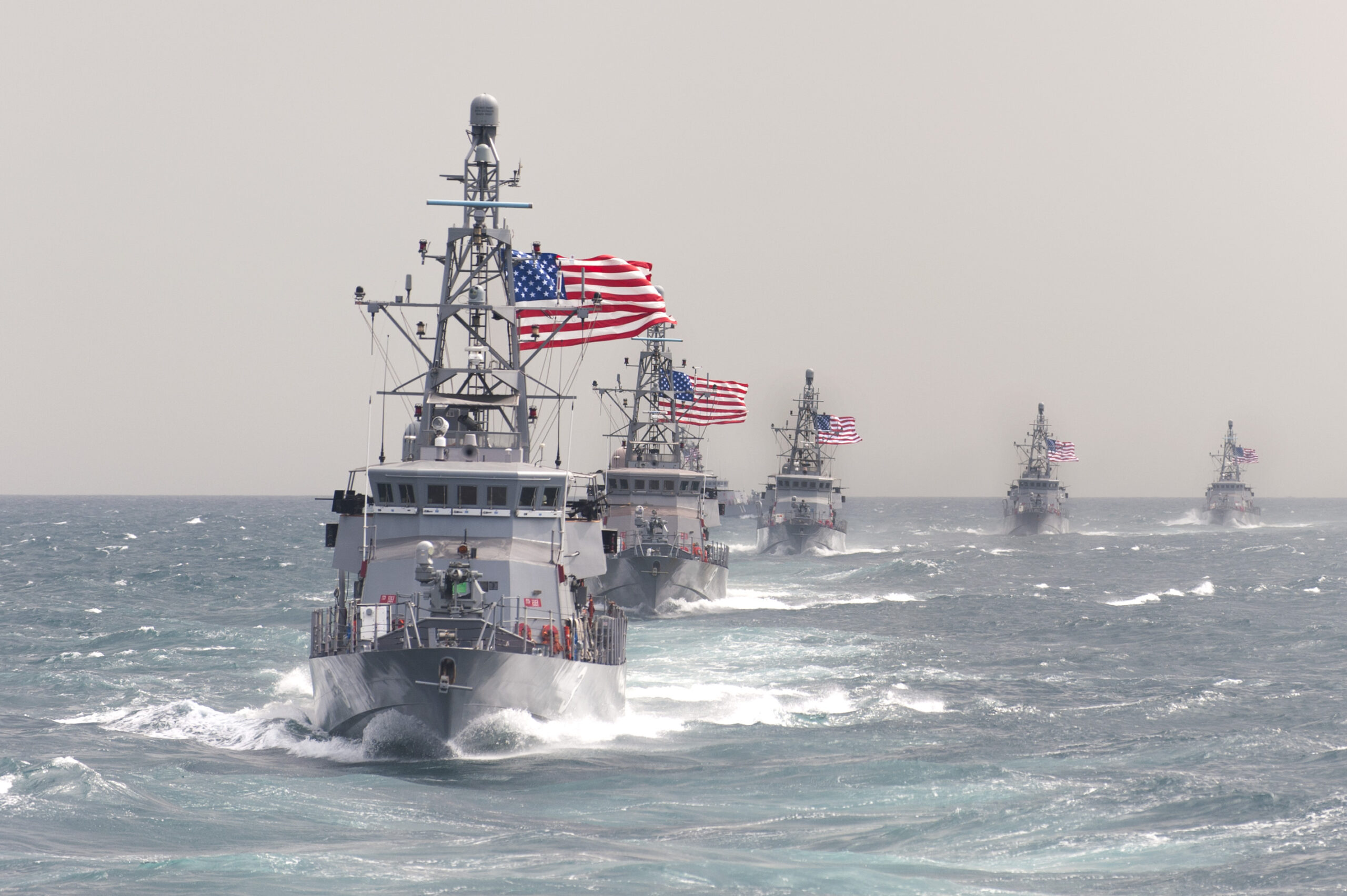
The Strait of Hormuz shipping crisis has become a central geopolitical concern in 2026 as tensions around the Persian Gulf threaten the stability of global oil transportation.
Energy markets, governments, and security experts are closely monitoring developments around the world’s most important oil shipping route.
Analysts warn that any prolonged disruption could affect global fuel prices and international trade.
WASHINGTON, United States — March 16, 2026 — Parliament Politics Magazine style coverage highlights how the Strait of Hormuz shipping crisis has drawn international attention as governments and energy markets evaluate risks surrounding one of the most critical maritime corridors in the world.
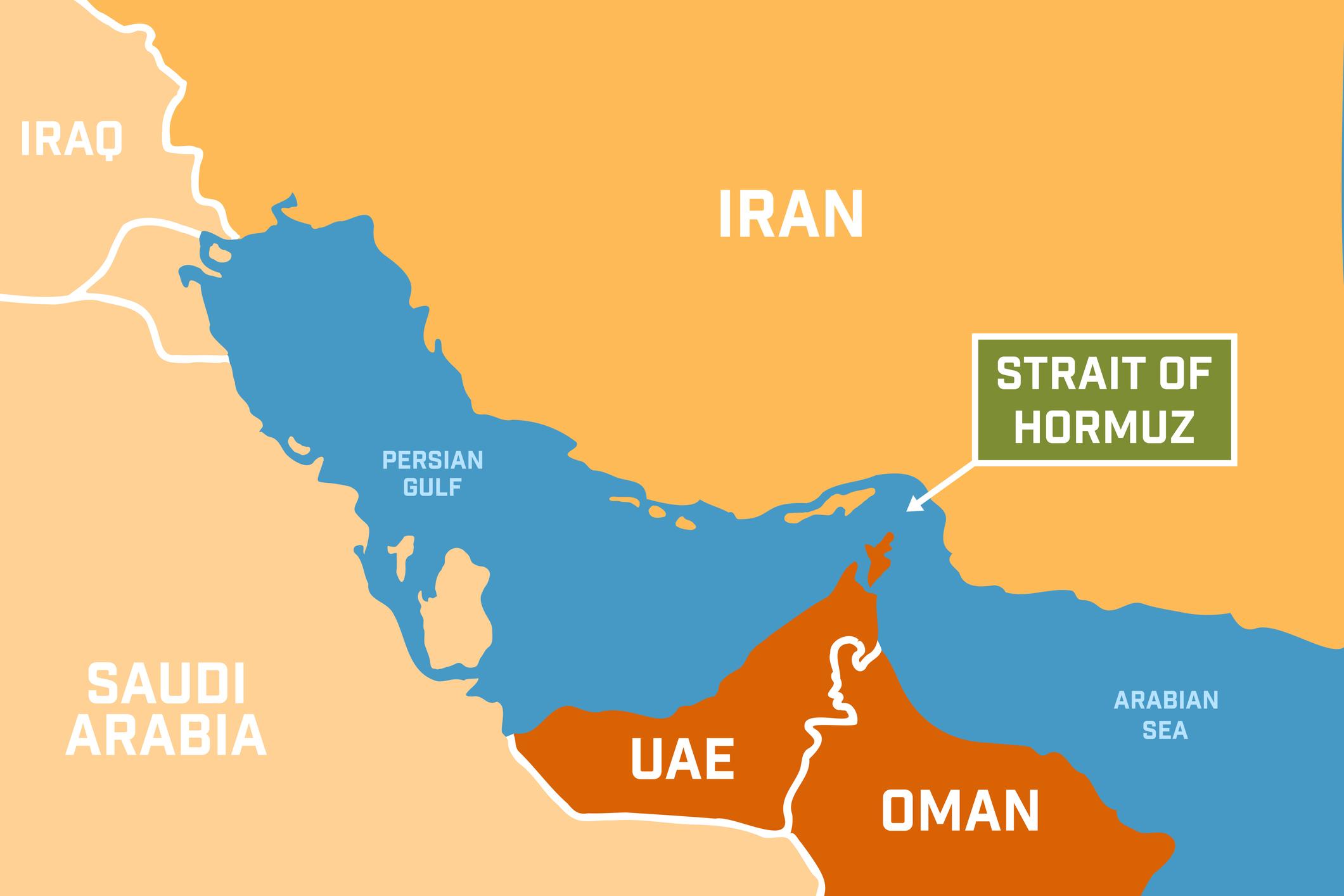
The narrow waterway linking the Persian Gulf to the Gulf of Oman serves as the primary export route for oil produced by several Middle Eastern nations. Each day millions of barrels of crude oil pass through this channel on their way to global markets.
Because of the enormous volume of energy shipments moving through the region, the Strait of Hormuz shipping crisis has become a focal point for policymakers, military planners, and investors.
Even small disruptions in this strategic passage could create ripple effects across global markets, influencing fuel prices, transportation costs, and economic stability worldwide.
Why This Narrow Channel Matters to the Global Economy
The Strait of Hormuz is often described as the most important energy chokepoint on the planet.
At its narrowest point the passage measures just over twenty miles wide, yet it handles a substantial portion of the world’s oil exports. Countries including Saudi Arabia, Iraq, Kuwait, Qatar, and the United Arab Emirates rely on this route to transport crude oil to international buyers.
Because of its critical role in global energy supply, the Strait of Hormuz shipping crisis has become more than a regional security concern.
Energy analysts emphasize that disruptions in this corridor could quickly influence global oil prices and economic conditions. Markets react rapidly whenever tensions threaten shipping lanes.
For governments that rely heavily on imported energy, maintaining stability in the region remains a top strategic priority.
Maritime Security Challenges in the Persian Gulf
Protecting commercial shipping vessels traveling through the Persian Gulf requires extensive international coordination.
The Strait of Hormuz shipping crisis has prompted increased naval activity from several countries seeking to ensure safe navigation through the corridor.
Because tankers must travel through designated lanes in a confined geographic area, ships often have limited maneuverability. This makes them vulnerable to potential attacks or blockades.
Naval forces operating in the region rely on surveillance aircraft, radar systems, and escort missions to monitor vessel movements.
Security experts say maintaining freedom of navigation requires constant vigilance and cooperation among multiple nations.
Energy Markets Respond to Geopolitical Risk
Financial markets closely monitor developments connected to the Strait of Hormuz shipping crisis because the corridor plays such a central role in global energy supply.
Oil traders frequently adjust prices based on geopolitical risk. Even the perception of instability can influence market expectations.
If shipping traffic were significantly disrupted, analysts warn that oil prices could increase rapidly due to fears of supply shortages.
Transportation companies, airlines, and manufacturing industries all depend on predictable fuel costs, making stability in the Persian Gulf essential for global economic health.
Because of this dependence, investors around the world remain attentive to developments in the region.
Diplomatic Efforts Aim to Reduce Tensions
Diplomatic engagement remains a key component in addressing the Strait of Hormuz shipping crisis.
Governments and international organizations continue encouraging dialogue among regional powers in an effort to prevent military escalation.
Diplomatic channels help maintain communication during periods of tension and can reduce the risk of misunderstandings that might lead to conflict.
Many analysts believe cooperation between regional governments and global powers will be necessary to ensure long term maritime stability.
A diplomatic adviser involved in regional discussions noted that maintaining open trade routes is a shared international interest.
Historical Background of Strait Conflicts
The Strait of Hormuz shipping crisis reflects a history of tension in the Persian Gulf that has occasionally disrupted maritime trade.
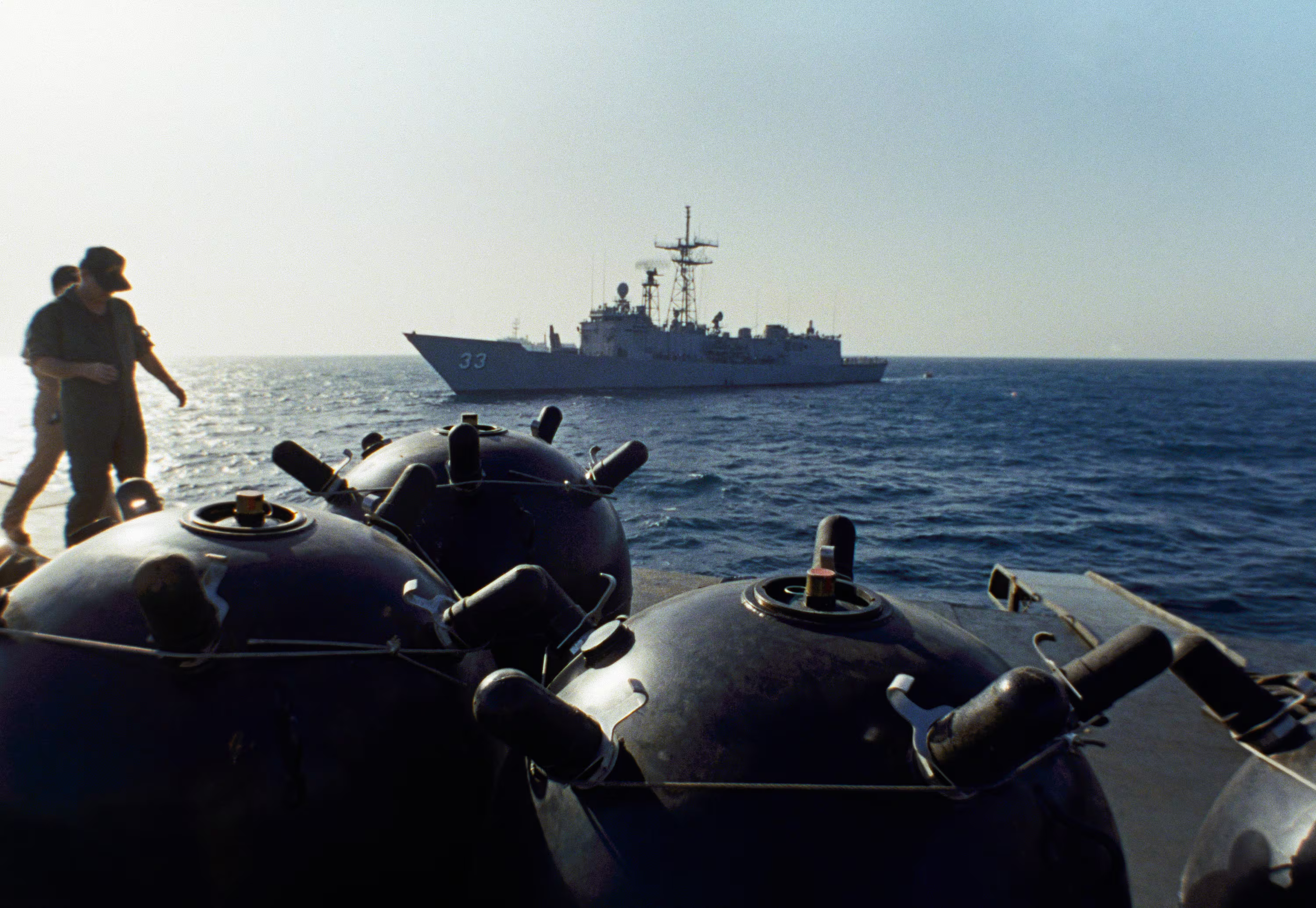
During the 1980s Iran Iraq war, attacks on oil tankers operating in the Gulf triggered what became known as the Tanker War.
Those incidents forced international naval forces to escort commercial vessels through the region to ensure safe passage.
The historical experience demonstrated how vulnerable shipping routes could be during periods of geopolitical conflict.
These past events continue shaping how governments approach maritime security in the Persian Gulf today.
Military Analysts Evaluate Strategic Risks
Security experts say the strategic importance of the region makes the Strait of Hormuz shipping crisis particularly sensitive.
Conflicts involving critical shipping routes can escalate quickly if diplomatic solutions are not found.
Military planners often emphasize the need to balance deterrence with restraint in order to avoid wider confrontation.
One maritime security analyst explained the situation clearly.
“Any disruption in the Strait of Hormuz instantly becomes a global issue because the world economy depends on that route.”
Such assessments highlight how the stability of a single geographic location can influence global markets.
International Cooperation Becomes Essential
The protection of global shipping routes often requires cooperation between multiple countries.
Several nations maintain naval forces in the Persian Gulf specifically to protect maritime trade and monitor potential threats.
Analysts say addressing the Strait of Hormuz shipping crisis will likely depend on continued collaboration between regional governments and international partners.
Joint naval patrols, intelligence sharing, and diplomatic engagement can all contribute to maintaining safe passage through the corridor.
These efforts help reduce the risk of disruptions that could affect the global economy.
Economic Ripple Effects of Shipping Disruption
If tanker traffic were interrupted for an extended period, the consequences could reach far beyond the Middle East.
Oil prices could rise sharply, affecting transportation networks and industrial production worldwide.
The Strait of Hormuz shipping crisis therefore represents not only a regional security challenge but also a global economic concern.
Manufacturers, airlines, and shipping companies depend on stable fuel prices to operate efficiently.
Even short term disruptions could create supply chain challenges affecting markets across the world.
Global Attention Focused on the Persian Gulf
Governments, investors, and security analysts continue monitoring developments surrounding the Strait of Hormuz shipping crisis because of its enormous strategic importance.
The narrow waterway remains one of the most vital energy transportation routes on the planet.
As geopolitical tensions evolve, policymakers are working to maintain stability and ensure that international trade continues flowing through the region.
Maintaining safe navigation through the corridor remains a critical priority for global economic stability.
Key Takeaway The Strategic Passage the World Cannot Ignore
The Strait of Hormuz shipping crisis illustrates how a small geographic corridor can influence global energy markets and international security.
Millions of barrels of oil travel through this route each day, making it a lifeline for the global economy.
While diplomatic efforts and international cooperation aim to prevent escalation, the strategic importance of the waterway ensures that it will remain a focal point in global politics.
For policymakers and market observers alike, developments in the Persian Gulf will continue shaping economic and geopolitical stability in the years ahead.