

Islamabad, Kabul — March 17, 2026 — Parliament Politics Magazine — The Pakistan Afghan Taliban conflict is entering a critical phase in 2026 as tensions rise sharply between the neighboring countries. What was once viewed as a strategic alignment has evolved into a fragile and increasingly confrontational relationship driven by security concerns and border disputes.
The Pakistan Afghan Taliban conflict is now influencing regional stability, with both governments taking stronger positions as mistrust deepens and incidents increase along the border.
Collapse of a Once Strategic Relationship
For years, Pakistan maintained a complex but influential role in Afghanistan’s political and security landscape. The return of the Taliban to power in 2021 initially created expectations of closer coordination.
However, the Pakistan Afghan Taliban conflict reveals how quickly geopolitical relationships can shift. Disagreements over security responsibilities and control of cross border movements have eroded trust.
The relationship has moved from cautious cooperation to open friction, setting the stage for ongoing tensions.
Border Flashpoints Along the Durand Line
The disputed Durand Line remains central to the Pakistan Afghan Taliban conflict.
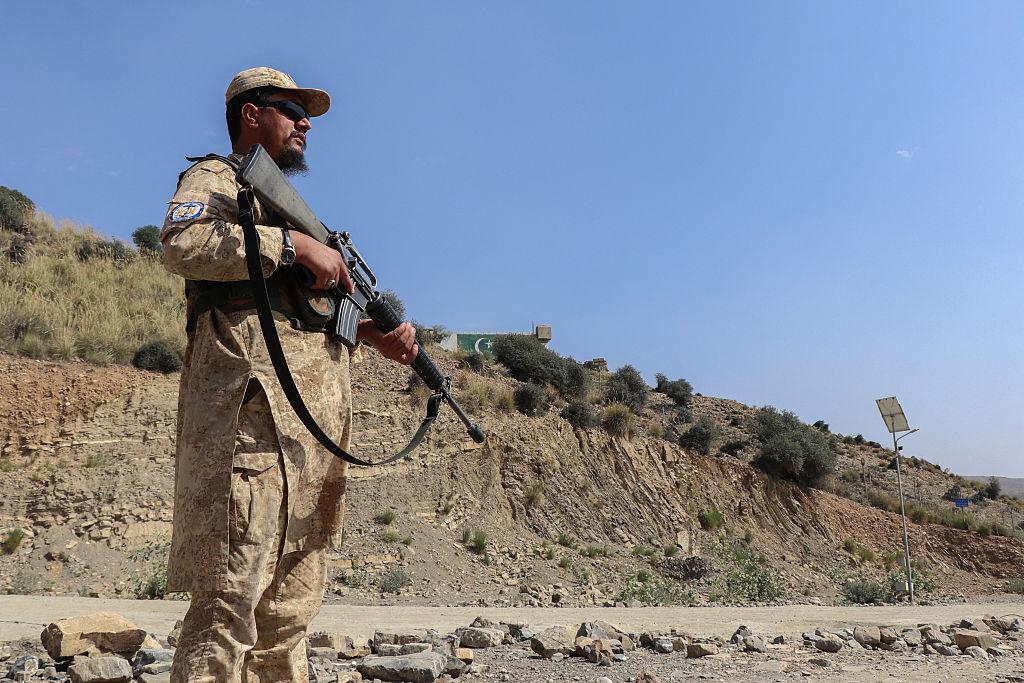
Pakistan has intensified border fencing and increased troop deployments in an effort to strengthen security. Afghan authorities, however, have challenged these measures, arguing that the border remains historically contested.
Frequent skirmishes and rising troop presence have made the border one of the most volatile areas in the region, heightening fears of escalation.
Security Threats and Militant Activity
Security concerns are a major driver of the Pakistan Afghan Taliban conflict.
Pakistan has repeatedly raised concerns about militant groups operating from Afghan territory and carrying out attacks across the border. These incidents have heightened tensions and created a climate of suspicion.
The issue of militant safe havens continues to complicate efforts to stabilize relations between the two sides.
Diplomatic Tensions and Political Strain
Diplomatic engagement between the two countries has become increasingly difficult.
The Pakistan Afghan Taliban conflict has led to strained communication and public disagreements between officials. Efforts to resolve disputes through dialogue have faced significant challenges.
Political pressure within both countries is also influencing decision making, making compromise more difficult.
Economic Disruptions and Trade Pressure
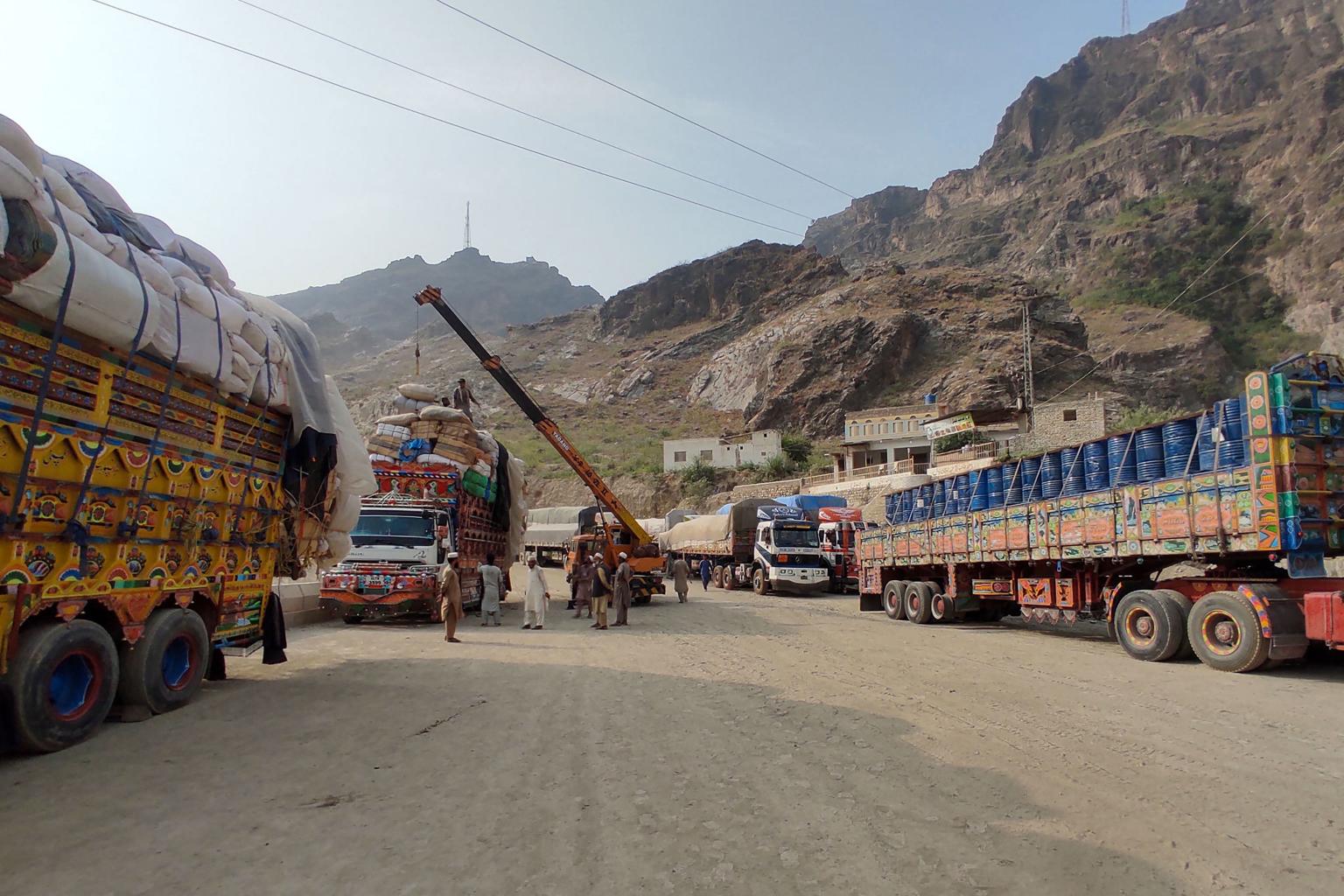
The Pakistan Afghan Taliban conflict is having a direct impact on economic activity.
Cross border trade routes have been disrupted due to increased security measures and periodic closures. Businesses that rely on regional trade are facing delays and rising costs.
Economic uncertainty is growing as the situation continues to evolve, affecting both local and regional markets.
Regional Implications and Global Attention
The Pakistan Afghan Taliban conflict is attracting attention from neighboring countries and global powers.
Regional stability is at risk as tensions increase, with potential consequences for broader geopolitical dynamics. International stakeholders are closely monitoring developments.
The conflict is becoming a key factor in shaping security and policy discussions across South Asia.
Historical Roots of the Conflict
The Pakistan Afghan Taliban conflict is rooted in decades of complex political and security interactions.
Pakistan has historically played a role in Afghanistan’s internal dynamics, particularly during periods of conflict. While relations have shifted over time, underlying tensions have remained unresolved.
These historical factors continue to influence the current situation and contribute to ongoing instability.
Military Posturing and Strategic Signals
Both sides have increased military readiness in response to rising tensions.
The Pakistan Afghan Taliban conflict has led to greater troop deployments and enhanced surveillance along the border. These actions are intended to address security concerns but also raise the risk of further escalation.
Strategic positioning by both sides reflects the seriousness of the situation.
Impact on Civilian Populations
The Pakistan Afghan Taliban conflict is affecting communities living near the border.
Residents are facing disruptions to daily life including restricted movement and economic hardship. Access to essential services has become more difficult in some areas.
Humanitarian concerns are growing as tensions continue.
Expert Insight
A regional security analyst stated
“The situation reflects a dangerous shift where mistrust and security concerns are driving decisions rather than cooperation”
The Road Ahead for Bilateral Relations
Looking ahead the Pakistan Afghan Taliban conflict is expected to remain a central issue in regional politics.
Both countries face pressure to address security challenges while avoiding further escalation. Diplomatic efforts may continue but progress will likely be gradual.
The situation remains uncertain as both sides navigate complex political and security dynamics.
Risks and Possibilities for Resolution
While tensions are high opportunities for dialogue still exist.
The Pakistan Afghan Taliban conflict could lead to renewed diplomatic efforts aimed at addressing border disputes and security concerns. However success will depend on willingness from both sides to cooperate.
Without meaningful engagement the risk of prolonged instability remains significant.
A Changing Landscape in South Asia
The Pakistan Afghan Taliban conflict highlights a broader shift in regional geopolitics.
Countries are reassessing alliances and strategies in response to evolving conditions. The conflict reflects deeper challenges affecting stability across South Asia.
Understanding these changes is essential for anticipating future developments.
Strategic Consequences for the Region
The Pakistan Afghan Taliban conflict is reshaping the strategic environment of South Asia.
Security concerns are influencing policy decisions and military planning, while economic cooperation faces new challenges.
The long term impact of the conflict will depend on how current tensions are managed and resolved.
A Defining Moment in Regional Relations
The Pakistan Afghan Taliban conflict represents a critical moment in the relationship between the two nations.
Border disputes, security challenges, and political disagreements have combined to create a complex and evolving situation.
The outcome will have lasting implications for regional stability and international engagement.
A Clear Snapshot of the Current Situation
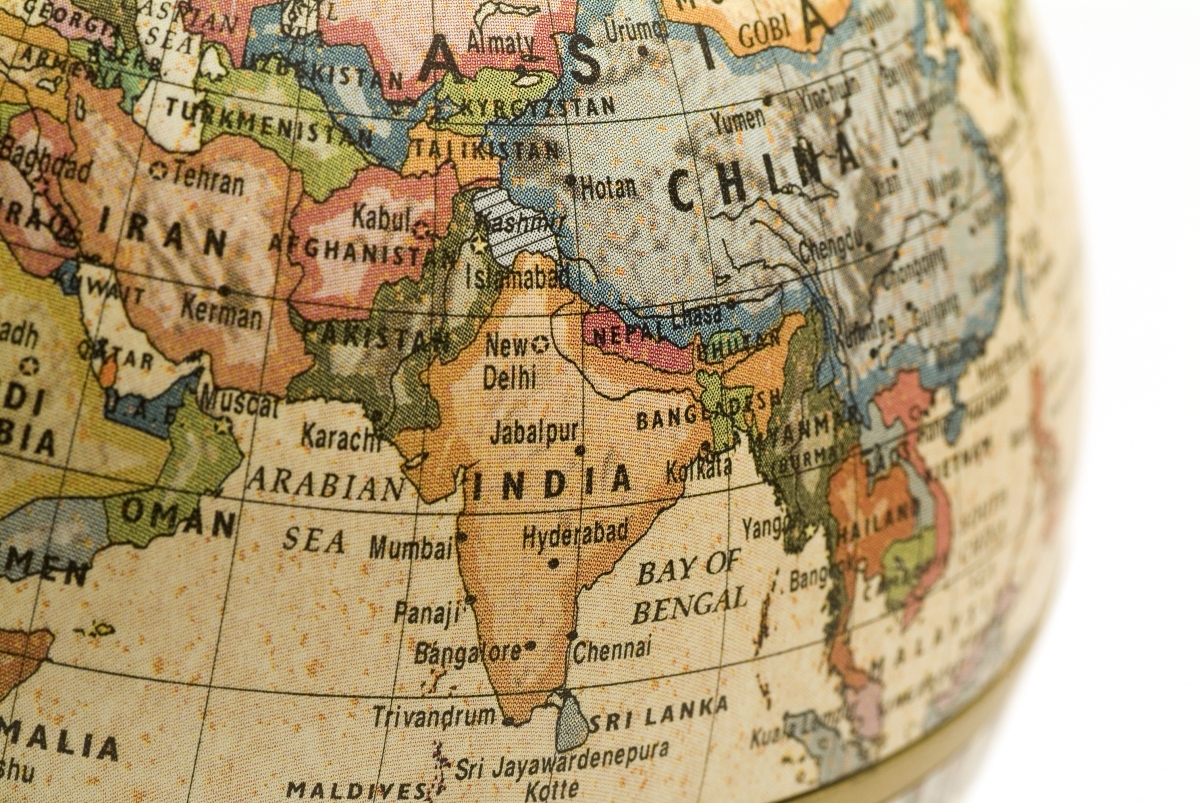
The Pakistan Afghan Taliban conflict has become a defining issue in 2026, influencing security, economic conditions, and political relations across South Asia.
From border tensions and militant activity to trade disruptions and diplomatic challenges, the situation continues to evolve rapidly.
As developments unfold, the Pakistan Afghan Taliban conflict will remain a key factor shaping the region’s future and drawing global attention.