

Middle East – March 17, 2026 – Parliament Politics Magazine – The global oil crisis is rapidly escalating in 2026 as rising tensions across the Middle East threaten critical energy infrastructure and global supply chains. The situation has intensified following renewed military actions and political standoffs, raising fears of a prolonged disruption to oil production and transportation.
As markets react and governments scramble to respond, the global oil crisis is becoming a defining issue shaping international relations and economic outlooks worldwide.
Middle East Tensions Push Energy Markets to the Edge
The global oil crisis is being driven by escalating geopolitical tensions that are directly impacting energy-producing regions. Strategic sites linked to oil production and transport have become focal points of conflict, increasing the risk of supply interruptions.
Military activity near key oil routes has heightened global concern, with analysts warning that even limited disruptions could send shockwaves through international markets. The uncertainty surrounding stability in the region is a major factor contributing to volatility.
The global oil crisis is now closely tied to every development unfolding in the Middle East.
Oil Prices Surge Amid Supply Fears
The global oil crisis has already triggered noticeable increases in oil prices, with markets reacting sharply to the risk of supply shortages. Traders are factoring in potential disruptions to shipping lanes and production facilities, driving price fluctuations.
Higher oil prices are beginning to affect economies worldwide, particularly those heavily dependent on imports. Inflationary pressures are rising, and industries reliant on fuel are facing increased operational costs.
“The speed at which prices are reacting highlights the fragility of global energy markets,”
one analyst noted.
The global oil crisis is proving to be a powerful force influencing economic trends.
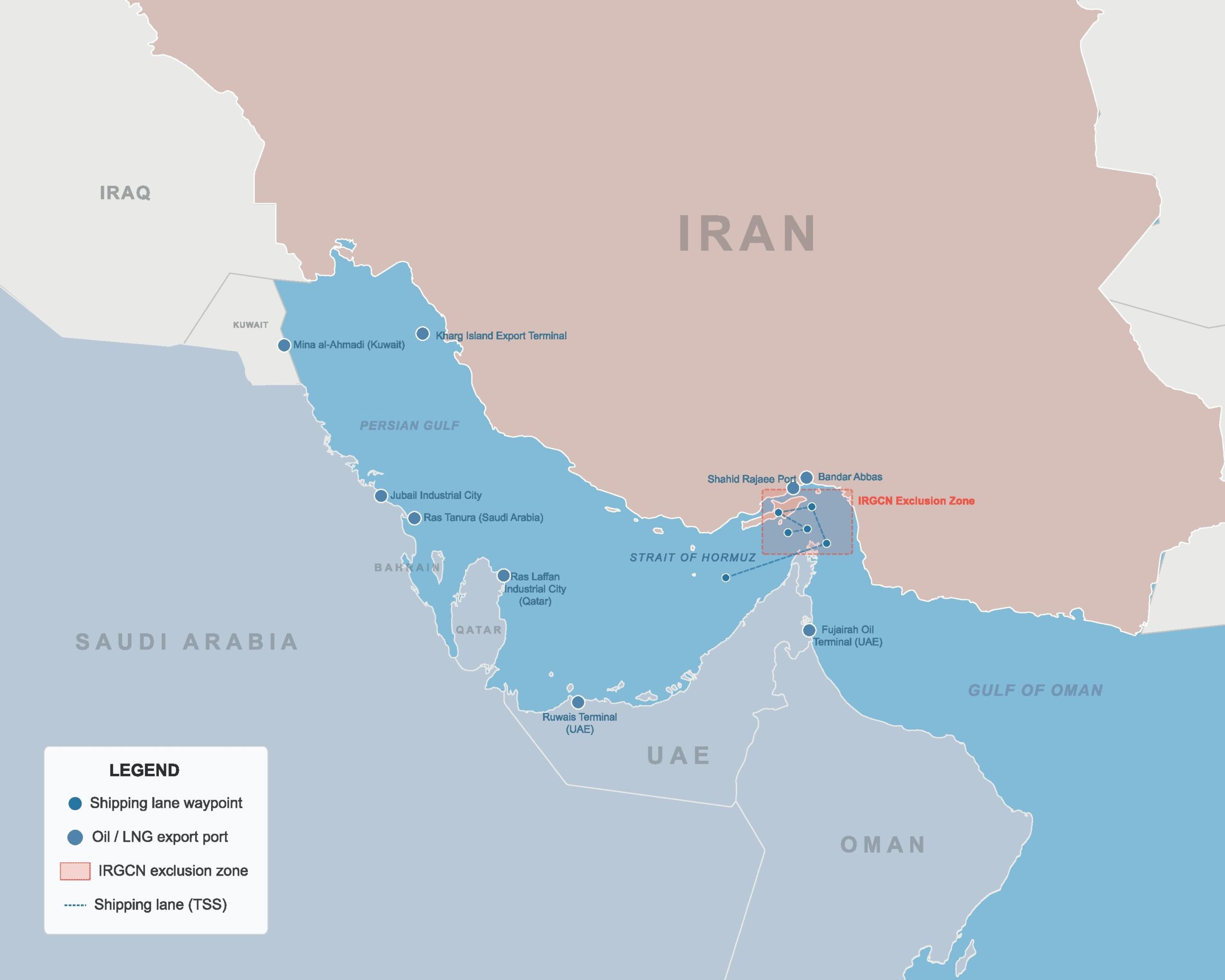
Strategic Importance of Oil Transport Routes
Any disruption in this region could have immediate consequences for global energy availability. Increased military presence underscores the importance of securing these routes, as nations work to prevent further escalation.
The vulnerability of these pathways highlights the interconnected nature of global energy systems and the risks associated with regional conflicts.
Global Economic Consequences Begin to Emerge
The global oil crisis is extending beyond energy markets and into broader economic systems. Rising fuel costs are impacting transportation, manufacturing, and consumer goods pricing across multiple sectors.
Central banks are facing difficult decisions as inflation rises, while businesses struggle to maintain profitability amid increasing expenses. The ripple effects are being felt globally, demonstrating how deeply energy markets are tied to economic stability.
The global oil crisis is becoming a central concern for policymakers worldwide.
Government Actions and Strategic Responses
Governments are responding to the global oil crisis with a range of measures aimed at stabilizing supply and mitigating economic impact. Some countries have begun releasing strategic reserves, while others are accelerating energy diversification efforts.
Diplomatic initiatives are also underway, although progress remains uncertain given the complexity of the situation. Balancing immediate needs with long-term strategies is proving to be a significant challenge.
The global oil crisis is testing the resilience of national energy policies.
Industry Adjustments and Market Adaptation
The private sector is adapting rapidly to the realities of the global oil crisis, with companies implementing strategies to manage rising costs and uncertainty.
Energy firms are adjusting production levels, while transportation and logistics companies are revising pricing structures. These changes reflect the widespread impact of the crisis across industries.
Businesses are being forced to innovate and adapt in order to remain competitive in an increasingly volatile environment.
Historical Perspective on Oil Crises
The global oil crisis of 2026 shares similarities with past energy disruptions, including the oil shocks of the 1970s and more recent geopolitical conflicts.
Historically, such crises have led to significant shifts in energy policy and market behavior. While the current situation is unique in many ways, the lessons from past events provide valuable context for understanding potential outcomes.
The global oil crisis may ultimately drive long-term changes in how energy is produced and consumed worldwide.
Geopolitical Shifts and Strategic Alliances
The global oil crisis is influencing geopolitical relationships, as countries reassess alliances and strategic priorities in response to evolving energy dynamics.
Nations are seeking to secure reliable energy supplies while navigating complex political landscapes. These shifts could have lasting implications for global power structures and international cooperation.
“The geopolitical balance is being reshaped in real time by energy concerns,”
a senior policy expert said.
The global oil crisis is not only an economic issue but also a geopolitical one.
Future Outlook Remains Uncertain
The trajectory of the current energy situation remains uncertain, with multiple factors influencing its potential outcomes. Continued geopolitical tensions, market reactions, and policy decisions will all play a role in shaping what comes next.
Some analysts believe stabilization is possible if diplomatic efforts succeed, while others warn that prolonged conflict could lead to ongoing disruptions across supply chains and pricing structures.
This situation is likely to remain a major global concern in the coming months.
What Comes Next for Global Energy Stability
The current environment is pushing nations to rethink their approach to energy security and long-term sustainability. Investments in alternative energy sources and infrastructure are expected to rise as countries attempt to reduce reliance on volatile regions.
This shift could signal the beginning of a broader transformation in global energy systems, with long-term implications for markets, policy frameworks, and international cooperation.
Final Summary A Crisis Defining the Future
The developments unfolding in 2026 highlight the fragile balance between geopolitical stability and global economic health. Rising tensions in the Middle East have placed immense pressure on energy markets, triggering price volatility and widespread uncertainty.
From supply chain disruptions to shifting alliances, the effects are being felt across nearly every region of the world. As governments, businesses, and consumers adapt to these changing conditions, the importance of strategic planning and international collaboration has become increasingly clear.
The coming months will determine whether this situation escalates further or becomes a turning point toward a more stable and diversified global energy landscape.