

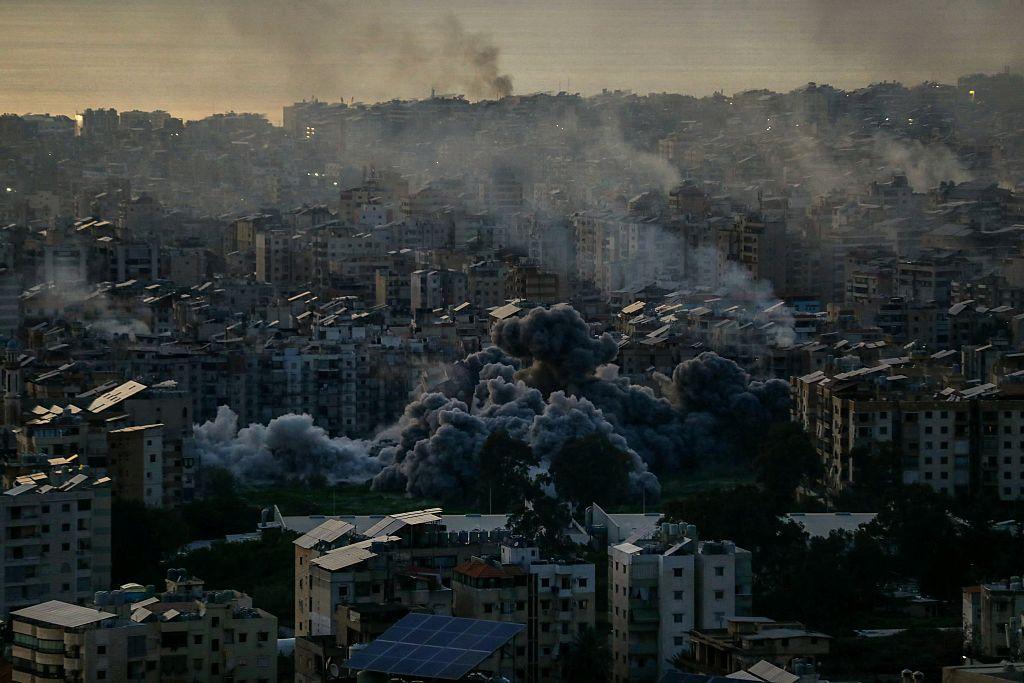
Southern Lebanon — March 18, 2026 — Parliament Politics Magazine — Lebanon humanitarian crisis intensifies after a child was critically injured in an air strike in southern Lebanon, highlighting the growing dangers civilians face amid escalating conflict. The incident has drawn widespread international concern, underscoring the worsening humanitarian situation across the region.
Escalation Fuels Lebanon Humanitarian Crisis
The Lebanon humanitarian crisis continues to worsen as military activity increases along the border. Recent air strikes have impacted residential areas, raising urgent questions about civilian protection and the rules of engagement.
The Lebanon humanitarian crisis is now at a critical stage, with communities facing constant threats and limited access to basic necessities. As tensions rise, the risk to vulnerable populations, particularly children, has become more severe.
Observers warn that continued escalation could push the Lebanon humanitarian crisis into an even more dangerous phase, with long-term consequences for the region.
Civilians Bear the Brunt of the Conflict
The Lebanon humanitarian crisis is most visible in the suffering of civilians caught in the crossfire. Hospitals in southern Lebanon are under pressure as they struggle to treat those injured in recent attacks.
Families have been displaced from their homes, while others remain trapped in areas affected by ongoing violence. The Lebanon humanitarian crisis has disrupted daily life, leaving many without access to food, clean water, or medical care.
Aid organizations are urging immediate intervention to address the Lebanon humanitarian crisis and prevent further deterioration.
Rising Tensions Across the Region
The Lebanon humanitarian crisis is unfolding against a backdrop of increasing regional instability. Cross-border tensions have escalated, raising fears of a wider conflict that could involve multiple actors.
Military analysts note that the current situation is highly volatile, with the potential for rapid escalation. The Lebanon humanitarian crisis is closely tied to these developments, making it difficult to separate humanitarian concerns from broader security issues.
Global Reactions Highlight Urgency
The Lebanon humanitarian crisis has prompted strong reactions from the international community. Leaders and organizations have called for restraint and emphasized the need to protect civilians.
Diplomatic efforts are underway to reduce tensions and create pathways for humanitarian assistance. The Lebanon humanitarian crisis has become a central issue in these discussions, with calls for ceasefires gaining momentum.
France and other global players have stressed the importance of addressing the humanitarian situation alongside political and security concerns.
Voices from the Ground Show Human Cost
Residents in affected areas describe a growing sense of fear and uncertainty as the Lebanon humanitarian crisis deepens. The injury of a child in the recent air strike has become a powerful symbol of the human toll of the conflict.
said a local resident.
“We need safety, not more violence.”
The Lebanon humanitarian crisis is not just a political issue—it is a human tragedy affecting thousands of families.
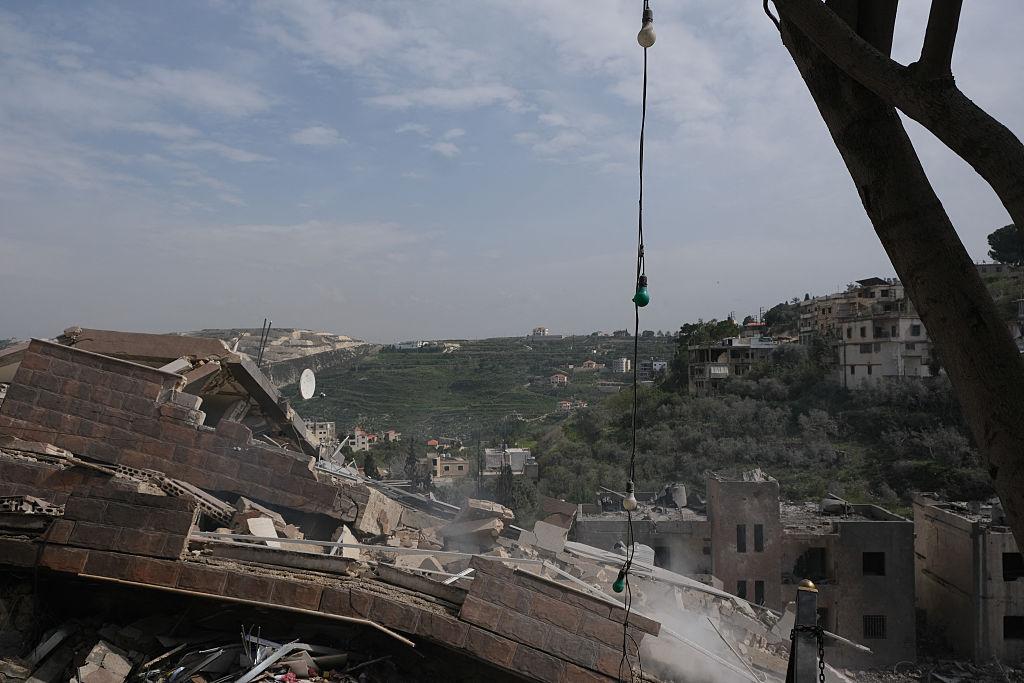
Historical Patterns Add Complexity
The Lebanon humanitarian crisis reflects a long history of conflict in the region, where cycles of violence have repeatedly disrupted civilian life. Past escalations have shown how quickly situations can deteriorate.
The current Lebanon humanitarian crisis mirrors previous events, where humanitarian needs often outpace the ability of aid organizations to respond effectively.
Global Attention Intensifies on Civilian Impact
The ongoing crisis in Lebanon has drawn widespread attention across international media, with powerful images and firsthand accounts revealing the growing toll on civilians. Public awareness is increasing rapidly, placing added pressure on global leaders to respond with meaningful action.
Digital platforms have also played a major role in spreading awareness, as calls for accountability and humanitarian support continue to gain momentum worldwide. The situation has become a focal point for discussions around civilian protection and conflict responsibility.
Urgent Calls for Protection and Immediate Measures
Human rights organizations are calling for swift and decisive steps to protect vulnerable populations. Proposed measures include the establishment of safe zones, improved access to healthcare, and efforts to limit military activity in densely populated areas.
Experts emphasize that coordinated international action is essential to deliver aid effectively and prevent further harm. Without a structured response, the situation could continue to deteriorate.
An Uncertain Path Forward
Despite growing global concern, the crisis remains unresolved with no clear roadmap toward stability. Continued violence poses a serious threat to civilians, many of whom are already living under extreme conditions.
Analysts warn that without immediate intervention, the humanitarian situation could worsen significantly, leading to increased displacement and long-term suffering across affected communities.
Strategic Insight for Higher Engagement
“When humanitarian crises deepen, it signals not just conflict—but a failure to protect the most vulnerable.”
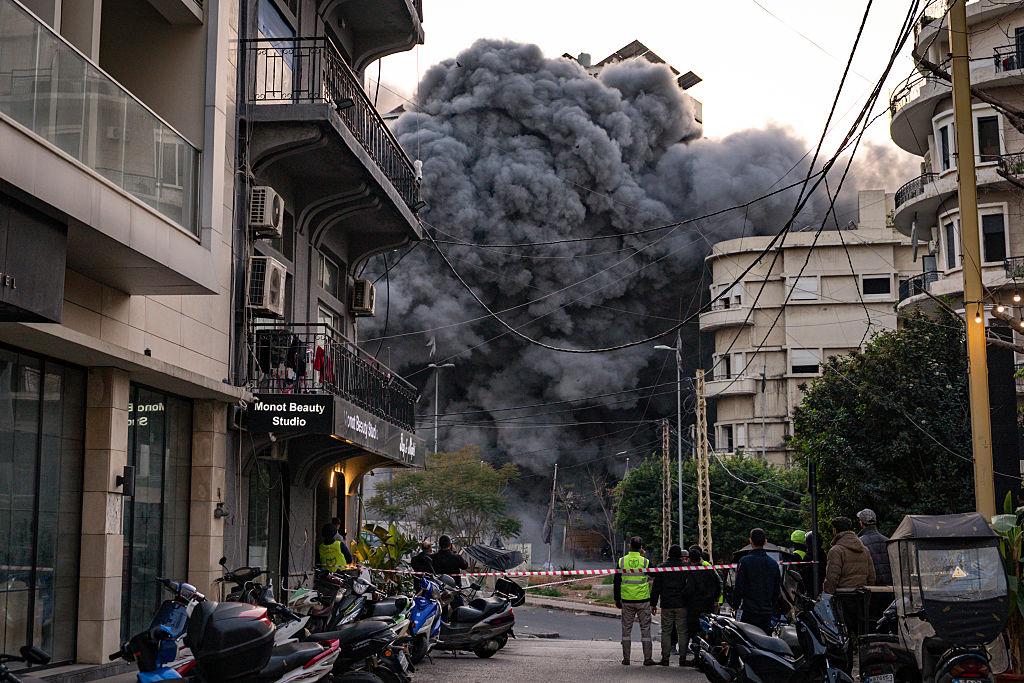
Crisis Impact Snapshot
The Lebanon humanitarian crisis has intensified following an air strike that critically injured a child in southern Lebanon in 2026. Civilians continue to face severe risks amid escalating tensions and ongoing military activity.
International concern is growing, with calls for restraint and humanitarian support increasing. As the situation unfolds, the need for immediate action to protect civilians remains urgent, while the path to stability remains uncertain.