

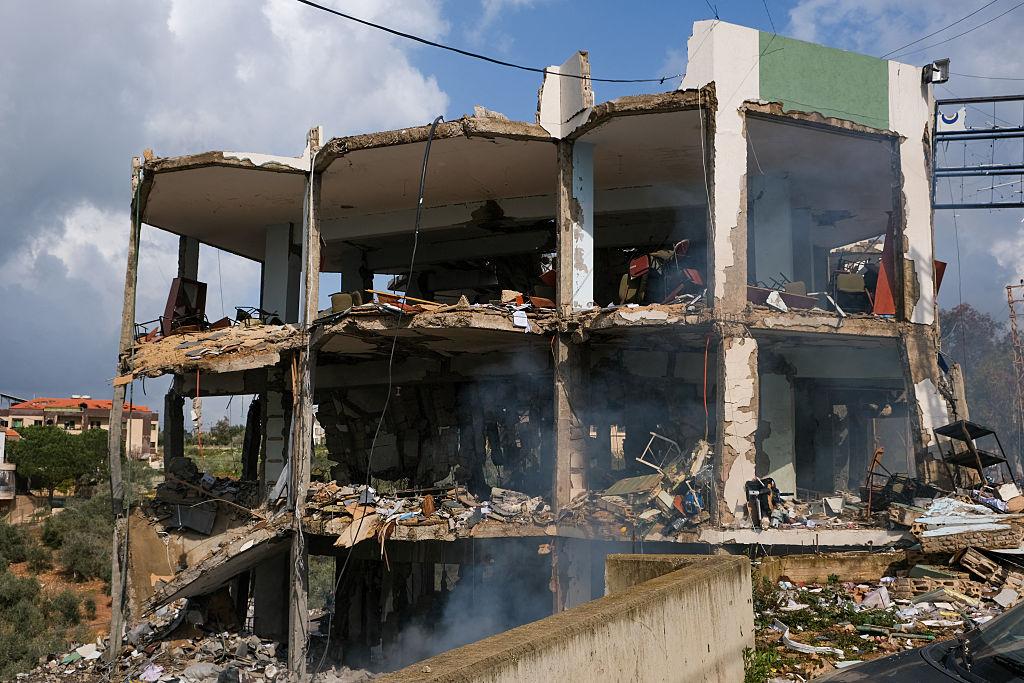
WASHINGTON, BEIRUT — March 19, 2026 — Parliament Politics Magazine — Civilian infrastructure attack concerns are rapidly intensifying after a hospital in southern Lebanon was reportedly damaged in an Israeli airstrike, coinciding with the resignation of a top U.S. counterterrorism official protesting the ongoing war strategy against Iran.
The dual developments are raising serious alarms across diplomatic, humanitarian, and security communities, as the Middle East enters what analysts describe as a dangerously unstable phase.
The resignation signals internal dissent at the highest levels of U.S. national security leadership, while the hospital strike has triggered global debate over the risks of a widening civilian infrastructure attack pattern in active conflict zones.
Resignation Reflects Deepening Strategic Divide
As civilian infrastructure attack fears mount, the resignation of the senior counterterrorism official highlights growing disagreement within Washington over military actions targeting Iran and its regional networks.
Sources close to the matter indicate the official had expressed concerns about escalating operations that could lead to unintended humanitarian consequences and broader geopolitical fallout.
a former policy advisor said.
“When leadership steps away under these conditions, it suggests serious concerns about how the conflict is being managed.”
The official reportedly warned that continued escalation increases the likelihood of incidents that could be classified globally as a civilian infrastructure attack, further damaging international credibility.
Hospital Strike in Lebanon Raises Humanitarian Alarm
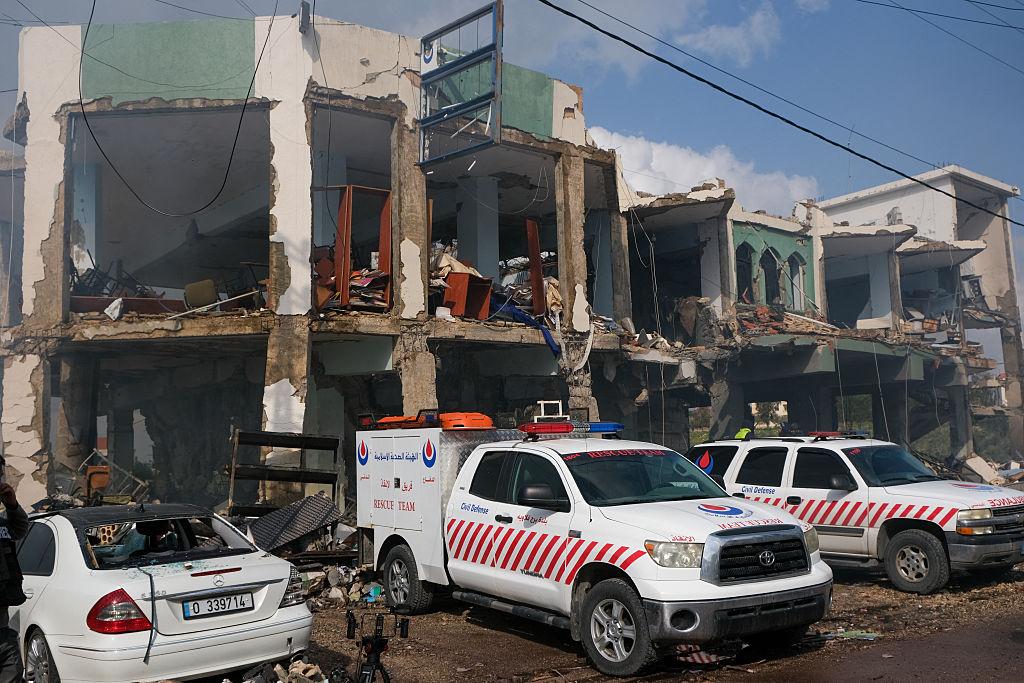
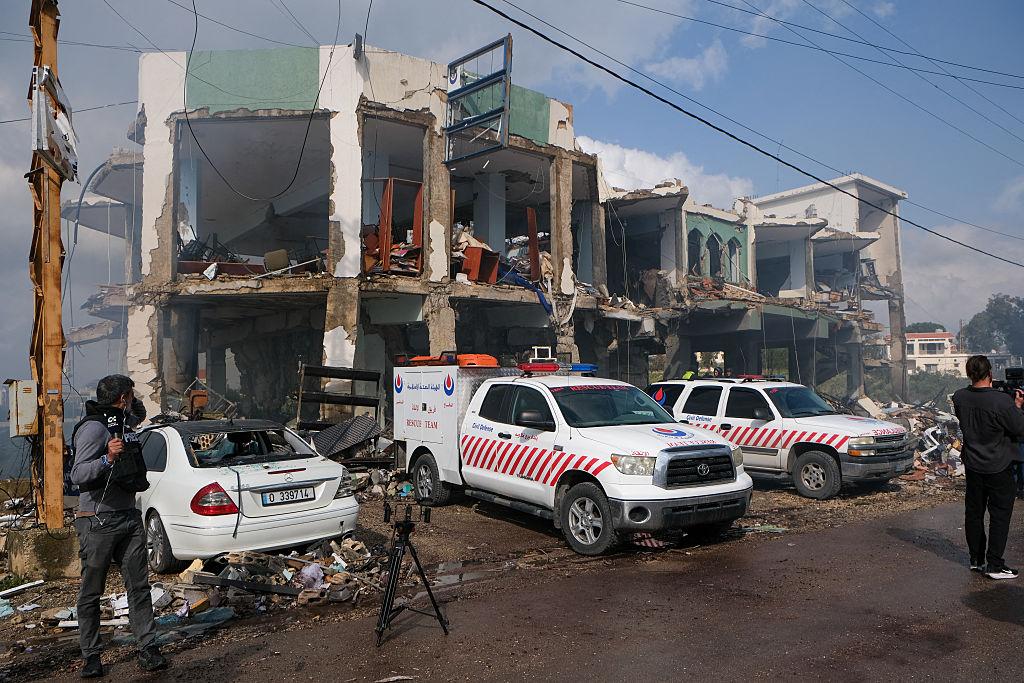
The reported damage to a hospital in southern Lebanon has intensified scrutiny over the conduct of military operations in the region. Aid groups and international observers are closely monitoring the situation, emphasizing that medical facilities are protected under international humanitarian law.
Witnesses described scenes of chaos as patients and medical staff were forced to evacuate after the strike, which disrupted essential healthcare services.
A regional humanitarian worker stated:
“Every civilian infrastructure attack erodes the boundaries of international law and puts innocent lives at greater risk.”
The incident is now being widely cited as a potential example of a civilian infrastructure attack, further fueling calls for accountability and restraint.
US-Iran Conflict Driving Regional Instability
The broader context surrounding the civilian infrastructure attack narrative is the escalating confrontation between the United States and Iran. Military actions have expanded in scope, increasing tensions not only between the two nations but also among their respective allies.
Iran has responded with strong warnings, while regional actors are adjusting their military postures in anticipation of further escalation.
Energy markets, global trade routes, and diplomatic relations are all being affected as uncertainty continues to rise.
Global Leaders Call for Immediate De-escalation
The growing risk of repeated civilian infrastructure attack incidents has prompted urgent responses from global leaders and international organizations.
Calls for restraint are intensifying, with many urging all parties involved to prioritize the protection of civilian lives and critical infrastructure.
Diplomatic channels are reportedly being explored to reduce tensions, though progress remains uncertain as military operations continue.
Mounting Pressure Inside Washington
The resignation has also increased pressure on policymakers within the United States, where debates are intensifying over the direction of foreign policy and military engagement.
Critics argue that continued escalation without clear objectives could lead to more incidents classified as civilian infrastructure attack, further complicating the situation.
Concerns being raised include:
- Increased civilian casualties
- Damage to essential services such as hospitals and utilities
- Long-term regional instability
- Erosion of international alliances
The fact that such concerns coincide with a high-profile resignation adds urgency to the ongoing debate.
Middle East on High Alert
Across the region, governments are raising security levels as fears of additional civilian infrastructure attack incidents grow.
Israel’s involvement, particularly in targeting areas linked to Iranian influence, has added complexity to an already volatile situation.
Military readiness is increasing, and experts warn that the risk of miscalculation is higher than ever.
Impact on Global Security and Policy
The rise in civilian infrastructure attack concerns is prompting a reassessment of global security strategies.
Experts are questioning whether current approaches are effectively addressing threats or inadvertently contributing to broader instability.
Key discussions now focus on:
- Strengthening international humanitarian protections
- Re-evaluating military engagement strategies
- Enhancing diplomatic conflict resolution
- Balancing national security with global responsibility
What Comes Next?
As developments continue, several critical questions remain:
- Will the United States revise its approach following the resignation?
- Can further civilian infrastructure attack incidents be prevented?
- How will Iran and regional actors respond?
- Will international diplomacy succeed in easing tensions?
The answers to these questions will shape the future of the crisis.
A Defining Moment in Global Conflict
The growing threat of a civilian infrastructure attack, combined with the resignation of a top counterterrorism official and the damage to a hospital in southern Lebanon, marks a defining moment in the evolving Middle East crisis.
The situation highlights the fragile balance between military strategy and humanitarian responsibility, as the world watches closely for signs of either escalation or resolution.
Summary:
Civilian infrastructure attack fears rise after Lebanon hospital strike.
Top official resigns over US-Iran war escalation.
Global tensions surge as Middle East crisis deepens in 2026.
