


WASHINGTON, BEIRUT, BEIJING — March 19, 2026 — Parliament Politics Magazine — China Taiwan energy crisis is rapidly emerging as a central global concern as tensions from the US-Iran war intensify, a top counterterrorism official resigns in protest, and a hospital in southern Lebanon is reportedly damaged in an airstrike.
The convergence of these developments highlights a fragile global landscape where military conflict, energy security, and geopolitical strategy are becoming increasingly interconnected.
Top Counterterrorism Official Resigns in Protest
The situation escalated further when a senior U.S. counterterrorism official stepped down, citing serious concerns about the direction of military operations against Iran.
As the China Taiwan energy crisis unfolds, the resignation underscores growing unease within Washington’s national security leadership. Sources suggest the official had repeatedly warned that escalating conflict could destabilize global systems, including energy supply chains.
“This resignation is more than symbolic—it reflects deep internal concerns,”
one policy expert stated.
The departure signals a potential shift in how global conflicts are assessed, particularly as they begin to affect broader economic and strategic frameworks.
Lebanon Hospital Strike Raises Humanitarian Alarm
Simultaneously, reports from southern Lebanon confirm that a hospital has sustained damage following an airstrike, raising urgent humanitarian concerns.
The incident has intensified global scrutiny, especially as conflicts begin to impact civilian infrastructure and essential services. Medical staff were forced to evacuate patients, creating a critical disruption in healthcare delivery.
A humanitarian worker on the ground said:
“When hospitals are affected, the consequences go far beyond the battlefield.”
The situation adds another layer of complexity to an already volatile global environment shaped by the China Taiwan energy crisis and ongoing military tensions.
China Positions Reunification as Energy Solution
China has now entered the spotlight by linking the China Taiwan energy crisis to its broader geopolitical strategy. Officials in Beijing have stated that peaceful reunification with Taiwan could stabilize energy supplies and reduce external vulnerabilities.
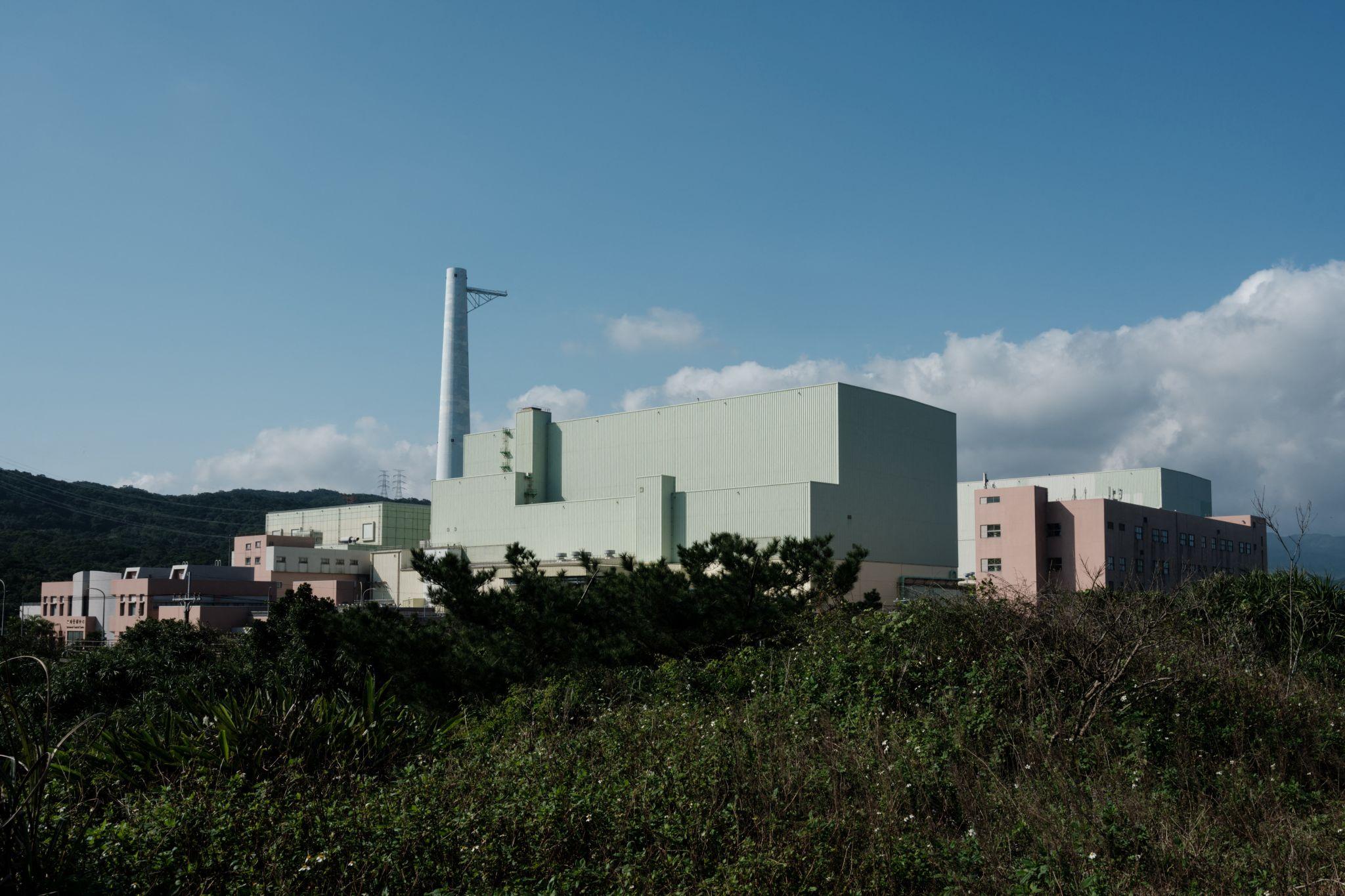
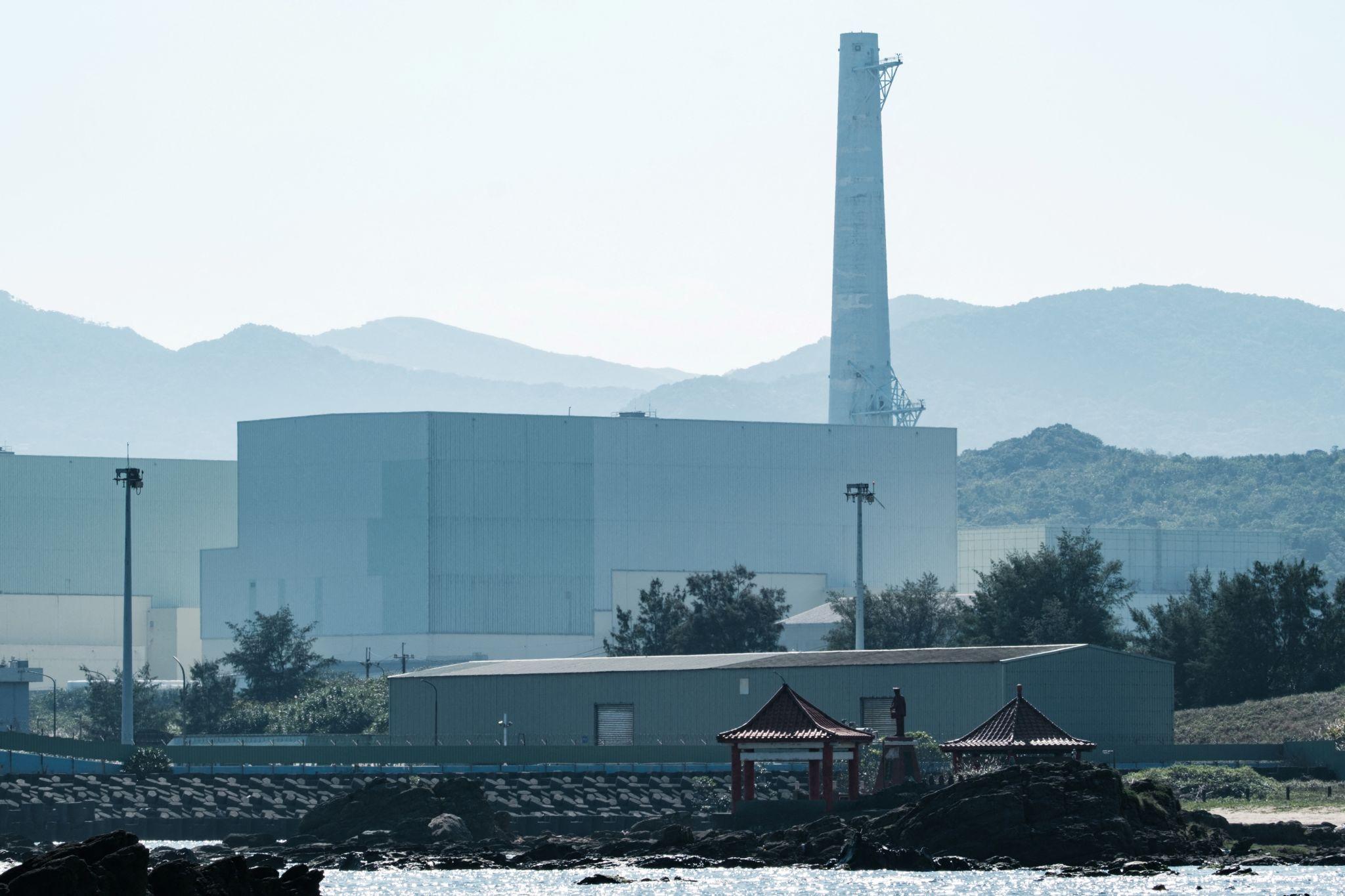
The statement reflects growing concern over Taiwan’s dependence on imported energy, particularly as global supply chains face disruption due to geopolitical conflicts.
Analysts suggest that China’s messaging is designed to position reunification not just as a political objective, but as an economic and energy solution.
US-Iran Conflict Drives Energy Market Volatility
The ongoing US-Iran war is playing a major role in intensifying the China Taiwan energy crisis, as disruptions in global energy markets create ripple effects across regions.
Oil prices have shown increased volatility, while shipping routes and supply chains are facing uncertainty. These developments are placing additional pressure on energy-dependent economies, including Taiwan.
Experts warn that prolonged conflict could lead to sustained disruptions, further complicating the global energy landscape.
Global Leaders Face Mounting Pressure
The intersection of the China Taiwan energy crisis, a high-profile resignation, and a hospital strike in Lebanon has placed global leaders under significant pressure.
Calls for diplomatic intervention are growing louder, with international organizations urging restraint and cooperation to prevent further escalation.
The risk of broader conflict is now a central concern, particularly as multiple regions become interconnected through shared economic and security challenges.
Asia and Middle East Tensions Converge
The crisis is no longer confined to a single region. As the China Taiwan energy crisis unfolds, its impact is being felt across both Asia and the Middle East.
Countries are adjusting their strategies in response to evolving threats, while military readiness is increasing in key areas.
Experts caution that this convergence of tensions could lead to a more complex and prolonged global crisis if not addressed through coordinated efforts.
Reevaluating Global Security and Energy Policies
The rise of the China Taiwan energy crisis is prompting a reassessment of global policies related to security and energy.
Governments are now considering new approaches to:
- Strengthen energy independence
- Protect critical infrastructure
- Enhance diplomatic engagement
- Mitigate risks from geopolitical conflicts
These discussions are shaping the future direction of international relations.
What Comes Next?
As events continue to unfold, key questions remain:
- Will China’s strategy on Taiwan evolve further?
- Can the US-Iran conflict be contained?
- How will global energy markets respond?
- Will diplomatic efforts succeed in stabilizing tensions?
The answers will determine the trajectory of the crisis in the coming months.
A Defining Moment in Global Stability
The China Taiwan energy crisis, combined with escalating conflict in the Middle East and internal divisions within U.S. leadership, marks a defining moment in global stability.
As these events continue to develop, the world faces a critical challenge: balancing geopolitical ambitions with economic security and humanitarian responsibility.
Summary:
China Taiwan energy crisis intensifies amid US-Iran war escalation.
Top official resigns as global tensions rise.
Lebanon hospital strike adds humanitarian urgency to crisis.