


Tehran, Iran — March 19, 2026 — Parliament Politics Magazine — fuel price instability warning signals are intensifying across global markets as a top U.S. counterterrorism official resigns in protest of the escalating war posture toward Iran, while millions of Iranians continue preparing for Nowruz despite ongoing U.S.-Israeli bombardment.
The overlapping developments are creating a powerful mix of geopolitical tension, economic uncertainty, and human resilience. Analysts say the current moment represents a fragile intersection of conflict and global energy vulnerability.
High-Level Resignation Raises Global Concerns
The fuel price instability warning is closely linked to rising uncertainty in Washington, where a senior counterterrorism official has stepped down over disagreements surrounding U.S. military strategy toward Iran.
Sources indicate the official raised concerns about escalation risks and long-term consequences, warning that continued conflict could destabilize not only the region but also global economic systems.
said a former intelligence advisor.
“It reflects serious concern about the direction of policy and its global impact.”
The decision has sparked debate among policymakers, with increasing calls for strategic reassessment.
Nowruz Celebrations Continue Amid Conflict
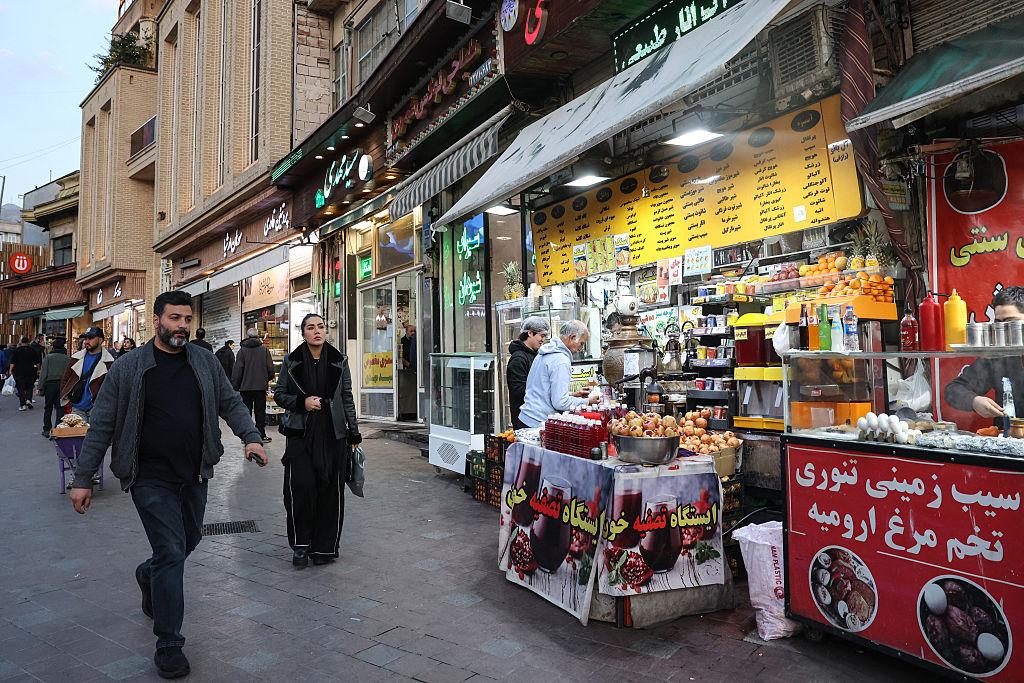
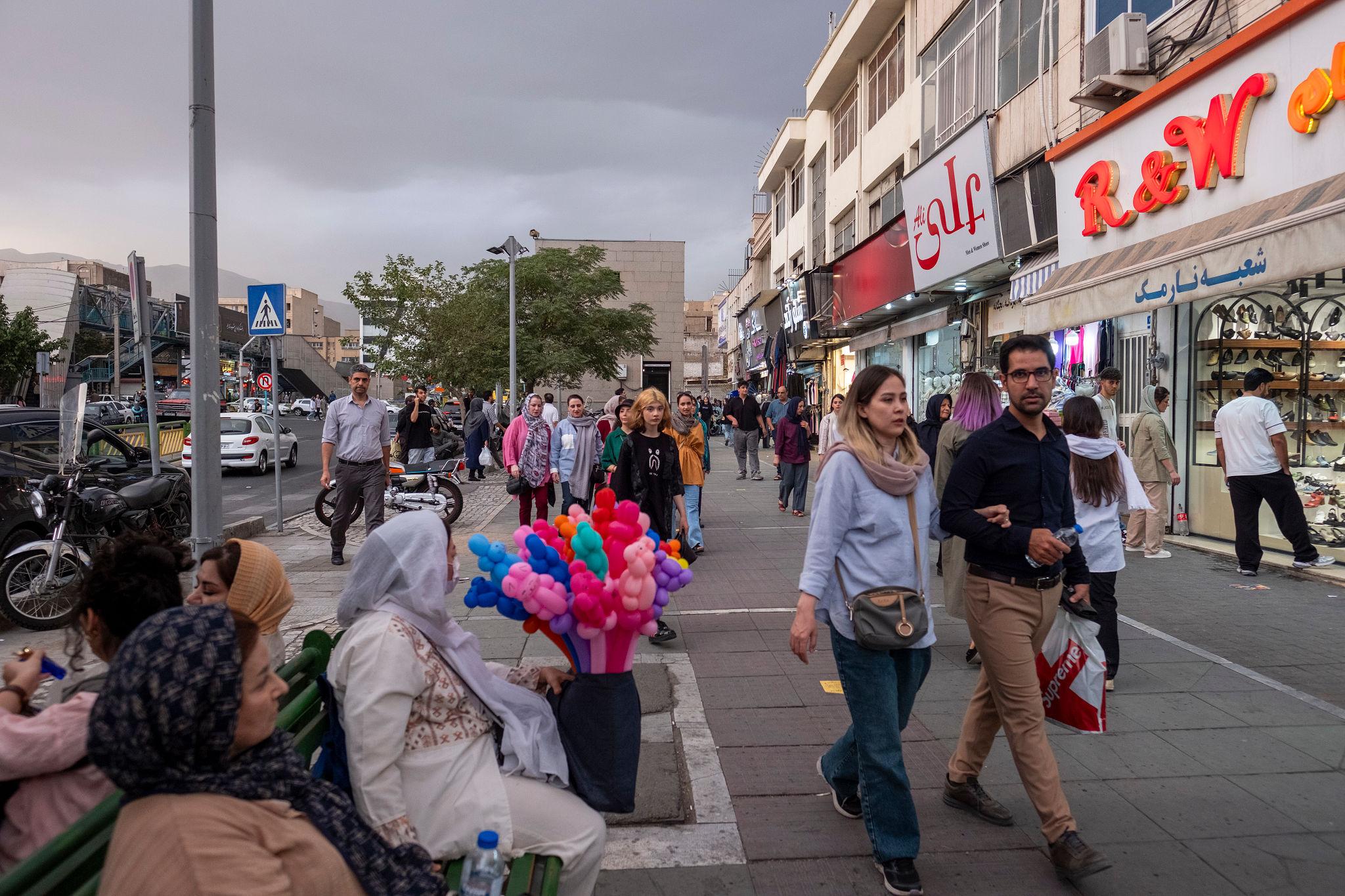
Even as the fuel price instability warning spreads globally, life inside Iran continues with a remarkable sense of resilience. Families are preparing for Nowruz, the Persian New Year, maintaining traditions that date back thousands of years.
Markets are active, homes are decorated with Haft-Seen tables, and communities are gathering — all while airstrikes and military tensions persist in the background.
said a local observer.
“People are determined to celebrate, even under difficult circumstances.”
Energy Markets React to Rising Risks
The fuel price instability warning is becoming more visible in global energy markets, where oil and gas prices are showing signs of volatility. Traders are reacting to the increasing likelihood of supply disruptions linked to Middle East tensions.
Iran’s strategic importance in global energy flows means that any escalation could have immediate consequences.
explained an energy economist.
“The market is already pricing in uncertainty.”
Conflict Drives Energy Uncertainty
The ongoing tensions between the United States and Iran are central to the fuel price instability warning. As military activity increases, concerns over key energy routes and infrastructure have intensified.
Even without direct disruptions, the perception of risk can lead to higher fuel prices and market instability.
said a financial analyst.
“They react to what might happen, not just what has already happened.”
Economic Impact Spreads Globally
The fuel price instability warning is not limited to one region. Rising fuel costs can have widespread economic effects, influencing transportation, manufacturing, and consumer prices.
Countries dependent on energy imports are particularly vulnerable, as increased costs can strain national budgets and impact everyday life.
Economists warn that sustained fuel price increases could contribute to inflation and slow economic growth.
Civilian Challenges and Resilience
For civilians in Iran, the fuel price instability warning is intertwined with daily challenges. Infrastructure disruptions, economic pressures, and security concerns have become part of everyday life.
Yet, the continuation of Nowruz celebrations highlights a deep sense of resilience and cultural strength.
Communities are adapting, finding ways to maintain traditions even in uncertain times.
International Reactions and Diplomatic Pressure
Global leaders are responding to the fuel price instability warning with calls for restraint and renewed diplomatic efforts. European and Asian nations are particularly concerned about energy stability and supply security.
Diplomatic channels remain active, but progress is uncertain as tensions continue to rise.
At the same time, humanitarian concerns are gaining attention, with calls to protect civilians and prevent further escalation.
Quote
said a global energy strategist.
“The fuel price instability warning we’re seeing now could reshape economies and impact billions of people worldwide.”
What Comes Next?
As the situation evolves, the fuel price instability warning remains a central issue for global markets and policymakers. The resignation of a key U.S. official highlights internal concerns, while ongoing conflict underscores the risks facing the region.
Experts believe the coming weeks will be critical in determining whether tensions ease or escalate further.
Summary:
The fuel price instability warning is intensifying as a top U.S. official resigns over the Iran conflict while citizens celebrate Nowruz under bombardment. The combination of political tension, cultural resilience, and energy market volatility signals a critical moment for global stability, with far-reaching implications for economies and everyday life.
