

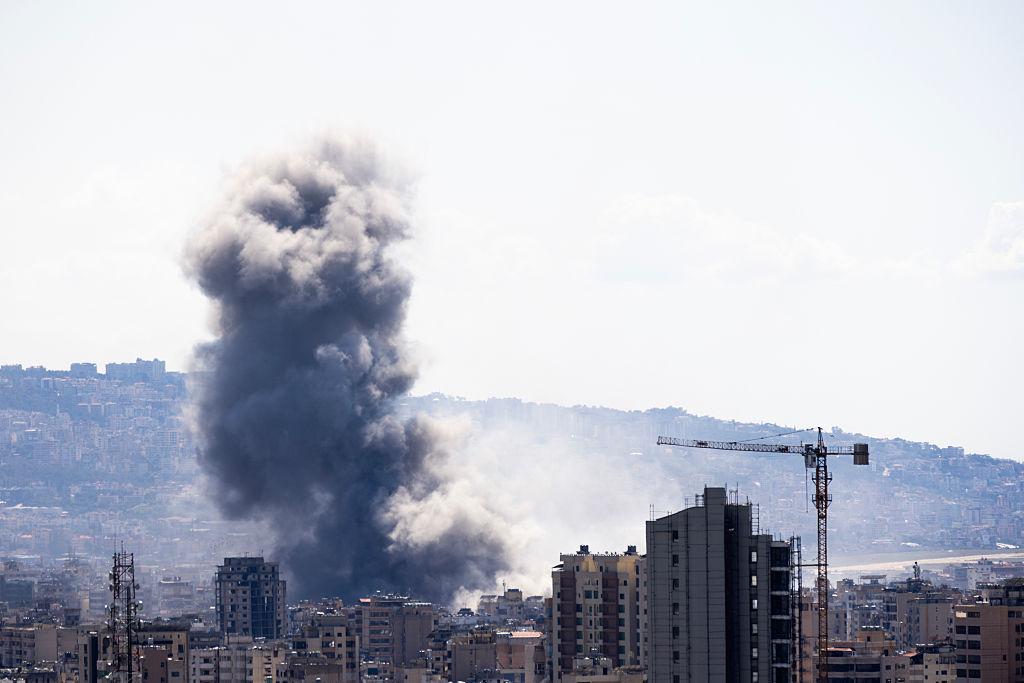
Bint Jbeil, Lebanon — March 19, 2026 — Parliament Politics Magazine — Lebanon power outage crisis intensified dramatically after a major power substation in southern Lebanon was knocked out of service following Israeli airstrikes, plunging entire communities into darkness and raising fears of a broader infrastructure collapse.
The Lebanese state electricity authority confirmed that the primary substation serving Bint Jbeil and nearby towns suffered extensive damage, rendering it completely inoperable. The sudden blackout has disrupted daily life for thousands of residents already facing mounting challenges amid escalating regional conflict.
Strategic infrastructure hit triggers widespread blackout
The strike targeted critical components of the electricity facility, effectively shutting down the flow of power across the region. Officials described the damage as severe, noting that multiple sections of the substation were impacted.
The Lebanon power outage crisis is now affecting not just Bint Jbeil but several surrounding towns, cutting off access to essential services including hospitals, water pumping systems, and communications infrastructure.
A local official described the situation bluntly:
“This is not just a power cut — it is a complete shutdown of civilian life.”
Civilian infrastructure under increasing pressure
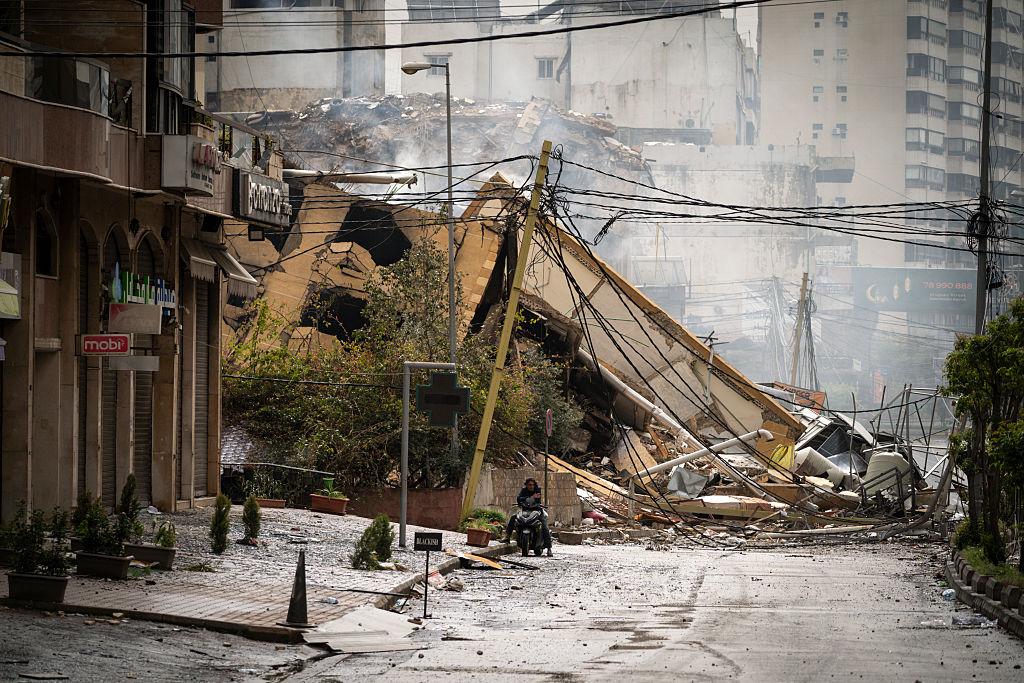
The destruction of a major energy facility marks a significant escalation in the targeting of infrastructure. The Lebanon power outage crisis highlights growing concerns over the vulnerability of civilian systems during prolonged conflict.
Electricity shortages in Lebanon were already severe due to years of economic instability and fuel shortages. This latest strike has compounded an already fragile energy network, pushing the system closer to total failure in affected regions.
Residents reported immediate consequences, including:
- Hospitals switching to emergency generators
- Water shortages due to pump failures
- Communication disruptions across local networks
- Businesses forced to shut down operations
Regional conflict drives humanitarian strain
The Lebanon power outage crisis is unfolding amid one of the most intense periods of conflict in recent years. Since early March 2026, violence in the region has escalated rapidly, leading to mass displacement and significant casualties.
Current estimates indicate:
- Approximately 1 million people displaced
- Over 1,000 casualties reported
- Growing humanitarian pressure on southern Lebanon
The blackout is expected to worsen conditions for displaced populations, many of whom rely heavily on already strained infrastructure.
Cross-border energy disruptions expand crisis
While Lebanon faces a deepening blackout, the conflict’s energy impact is not limited to one side. Reciprocal attacks from Iran-backed groups have also disrupted power systems in northern Israel.
In Haifa, missile debris reportedly struck a power generation facility, causing localized outages. This parallel disruption underscores how the Lebanon power outage crisis is part of a broader regional energy instability.
Energy analysts warn that continued strikes on infrastructure could trigger a cascading effect across multiple countries.
Economic and social consequences intensify
The Lebanon power outage crisis is expected to have lasting economic repercussions. Southern Lebanon’s already fragile economy now faces further setbacks as businesses halt operations and supply chains are disrupted.
Key risks include:
- Increased reliance on costly private generators
- Rising fuel demand and shortages
- Economic paralysis in affected towns
- Escalation of poverty levels
For residents, the blackout represents more than inconvenience — it threatens livelihoods and survival.
Energy system on the brink of collapse
Lebanon’s national grid has long struggled with underinvestment, corruption allegations, and fuel supply issues. The latest damage raises urgent concerns about whether the system can withstand continued attacks.
Experts warn that if additional infrastructure is targeted, the Lebanon power outage crisis could evolve into a nationwide energy collapse.
A regional energy observer stated:
“Lebanon’s grid was already fragile — this strike pushes it dangerously close to systemic failure.”
Humanitarian concerns grow rapidly
The blackout is expected to worsen humanitarian conditions, particularly for vulnerable populations such as children, the elderly, and displaced families.
Immediate concerns include:
- Lack of refrigeration for food and medicine
- Reduced hospital capacity
- Limited access to clean water
- Increased health risks
Aid organizations are reportedly preparing emergency responses, though access remains difficult due to ongoing hostilities.
Geopolitical implications and escalation risks
The Lebanon power outage crisis is likely to intensify international scrutiny as infrastructure targeting raises legal and humanitarian questions.
The strike signals a shift toward broader operational targets, potentially increasing the risk of:
- Regional escalation
- Expanded conflict zones
- Further infrastructure destruction
Global observers warn that energy systems are becoming central to modern warfare, amplifying civilian impact.
Crisis deepens as blackout spreads
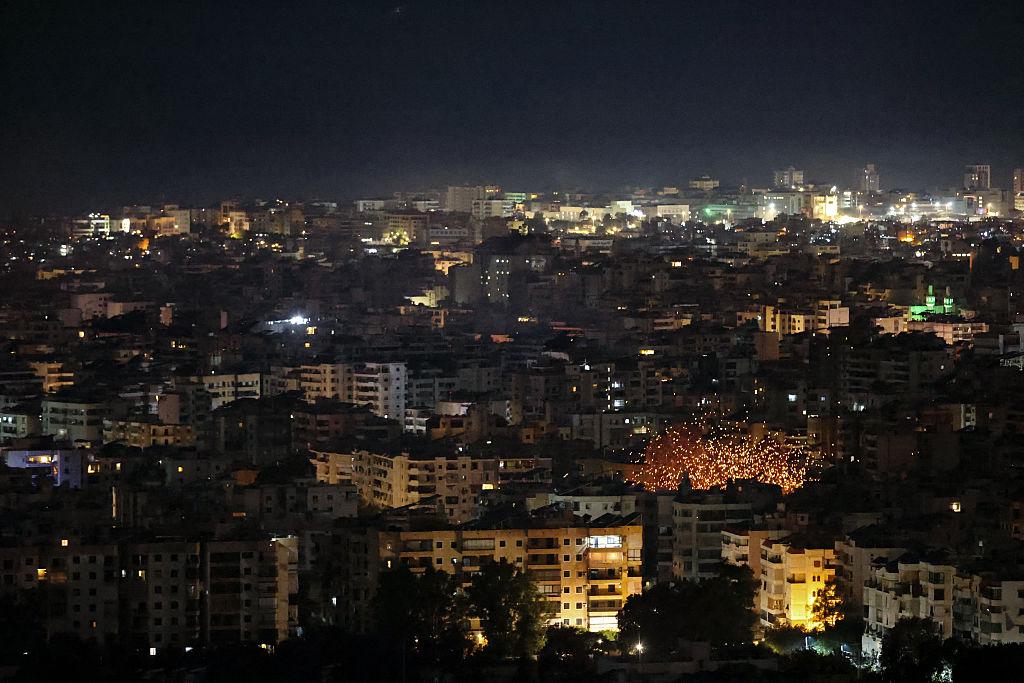
The Lebanon power outage crisis has entered a critical phase following the destruction of a key power substation in Bint Jbeil. Entire communities are now without electricity, compounding an already severe humanitarian and economic situation.
With infrastructure under increasing threat and regional tensions escalating, the risk of prolonged blackouts and wider system collapse continues to grow.
