

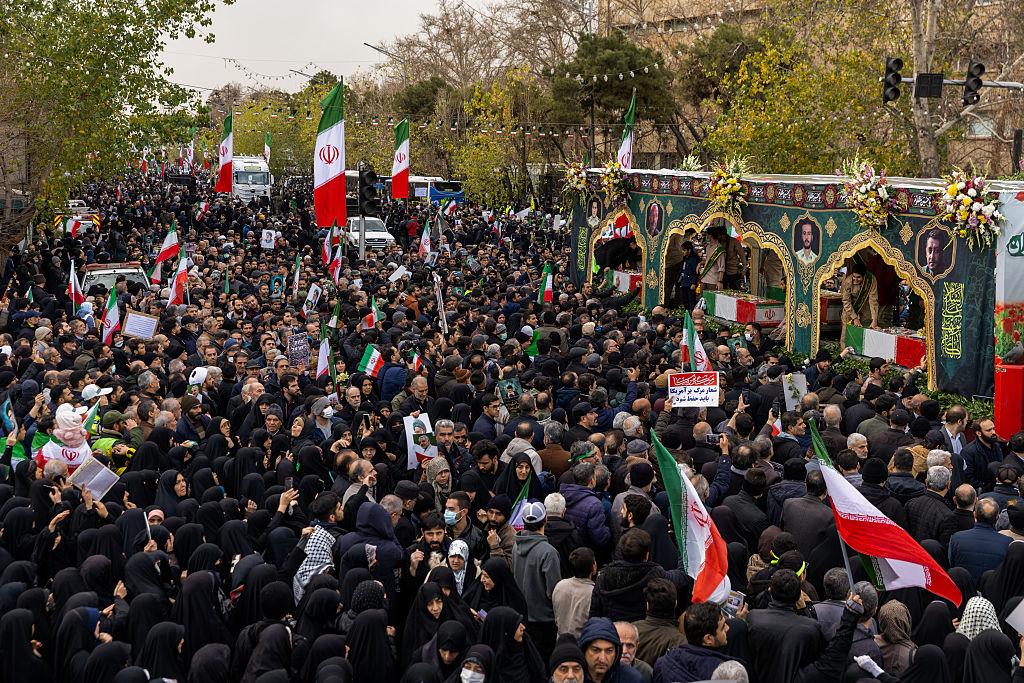
Tehran, Iran — March 20, 2026 — Parliament Politics Magazine — Iran security crackdown has rapidly intensified following the assassination of a senior government minister, an event that has shaken the country’s leadership and heightened fears of broader regional escalation. Iranian officials confirmed the killing amid ongoing conflict conditions, with multiple high-ranking figures targeted in recent strikes.
The assassination, believed to be part of a wider pattern of targeted attacks on Iran’s political and military leadership, has triggered an immediate and forceful response. Authorities are now moving aggressively to tighten internal control, signaling a shift toward stricter enforcement and heightened surveillance nationwide.
National Shock Triggers Immediate Response
The announcement of an expanding Iran security crackdown has dominated headlines as the country mourns yet another high-profile loss. In recent days, several senior officials, including intelligence and security leaders, have reportedly been killed in coordinated strikes, amplifying the sense of vulnerability within Iran’s leadership.
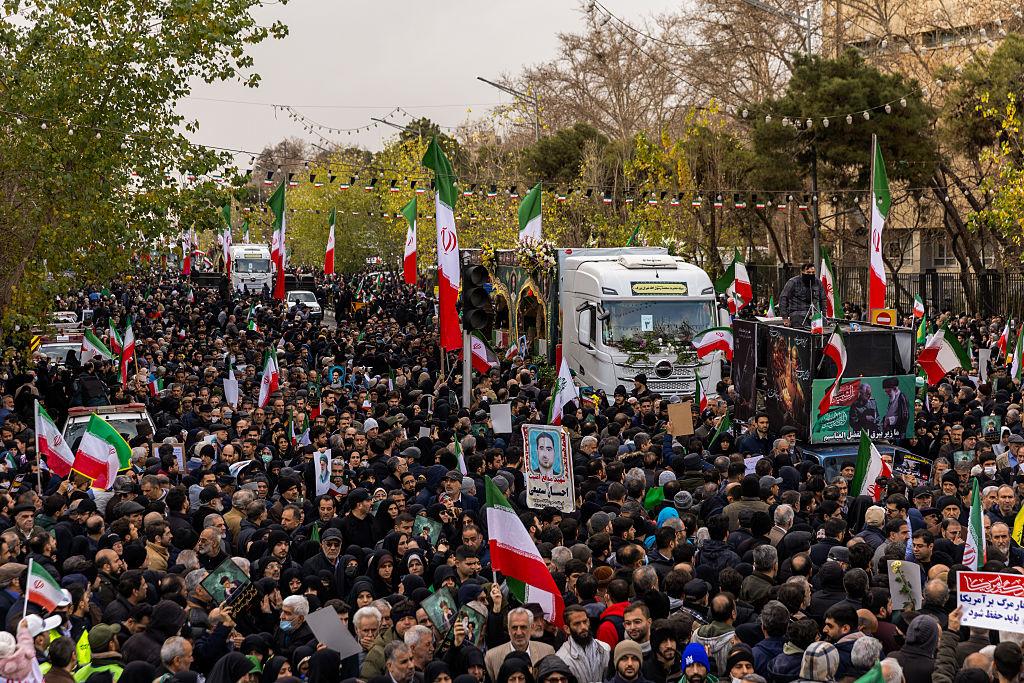
State media has portrayed the assassination as a direct attack on national sovereignty, with officials emphasizing unity and resilience. Public mourning events have taken place across major cities, drawing large crowds and reinforcing government messaging.
A senior government spokesperson stated:
“This crime will not weaken Iran—it will strengthen our resolve to defend the nation at all costs.”
Expansion of Security Measures Nationwide
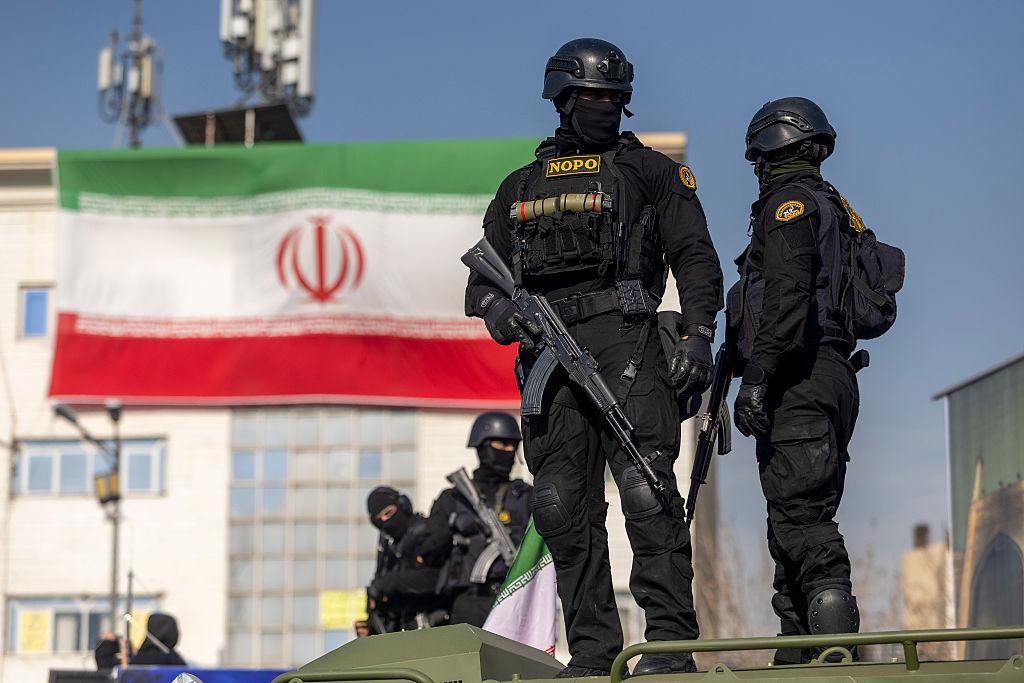
In response, the Iran security crackdown has led to sweeping changes across the country’s internal security apparatus. Authorities have implemented strict measures designed to prevent further attacks and identify potential threats.
Key developments include:
- Increased military presence in major cities and strategic locations
- Expansion of intelligence operations targeting suspected networks
- Tightened border controls and travel restrictions
- Enhanced digital surveillance and monitoring
Reports indicate that hundreds of individuals have been detained for questioning as part of the crackdown, particularly those suspected of links to foreign entities or opposition groups.
Pattern of Targeted Killings Raises Alarm
The latest incident is part of a broader trend that has seen multiple Iranian officials killed within a short time frame. Intelligence Minister Esmaeil Khatib, among others, was reportedly assassinated in recent airstrikes, underscoring the scale of the threat facing Iran’s leadership.
Analysts warn that this pattern is unprecedented and could signal a new phase in the ongoing conflict involving Iran, the United States, and Israel. The Iran security crackdown is therefore being viewed not only as a defensive measure but also as a strategic move to maintain internal stability.
One regional expert noted:
“The leadership losses are significant, and the response we are seeing reflects a government under pressure to maintain control.”
Domestic Crackdown and Civil Impact
As the Iran security crackdown expands, concerns are growing about its impact on ordinary citizens. Increased surveillance, arrests, and enforcement actions have raised fears of restricted freedoms and potential unrest.
Recent developments suggest:
- Expanded checkpoints and patrols in urban areas
- Monitoring of internet activity and communication platforms
- Arrests linked to alleged collaboration with foreign actors
- Intensified enforcement against protests and dissent
According to reports, Iranian authorities have already conducted mass arrests and imposed strict controls in response to earlier protests, and the current situation appears to be escalating further.
Regional Tensions Reach Critical Levels
The escalation of the Iran security crackdown is occurring against a backdrop of intense regional conflict. Ongoing military actions and retaliatory strikes have already resulted in significant casualties across multiple countries.
Recent reports indicate:
- Over 1,000 casualties reported in Iran since the conflict began
- Continued missile exchanges between Iran and Israel
- Growing involvement of international actors
- Increased military deployments in strategic regions
These developments have raised fears that the situation could spiral into a wider regional war, with global implications.
Global Energy Markets React
The tightening Iran security crackdown has also had immediate consequences for global energy markets. Iran’s strategic position in the oil and gas sector means that any instability can quickly affect supply chains and pricing.
Market reactions include:
- Increased volatility in oil prices
- Concerns over potential disruptions in the Strait of Hormuz
- Rising energy costs impacting global economies
Experts warn that prolonged instability could lead to sustained economic pressure worldwide.
Government Signals Potential Retaliation
Iranian leadership has made it clear that the assassination will not go unanswered. As the Iran security crackdown continues, officials have hinted at possible retaliatory actions, though specifics remain undisclosed.
Statements from officials suggest a calculated approach:
“Iran will determine the time and place of its response. Justice will be served.”
This rhetoric has further heightened tensions, with global leaders calling for restraint and diplomatic solutions.
International Community Calls for De-Escalation
The international response to the Iran security crackdown has been cautious but concerned. Governments and organizations worldwide have urged restraint, emphasizing the need to avoid further escalation.
Key points include:
- Diplomatic efforts to prevent broader conflict
- Monitoring of developments by global powers
- Calls for transparency in investigations
However, uncertainty surrounding the perpetrators continues to complicate diplomatic efforts.
Historical Context of Crackdowns
Iran has experienced periods of internal crackdowns in the past, often linked to political unrest or external threats. The current Iran security crackdown reflects a continuation of this pattern but at a significantly heightened level.
Historically, such crackdowns have:
- Strengthened government control in the short term
- Increased tensions between authorities and citizens
- Influenced regional and international relations
Understanding this context is critical in assessing the potential outcomes of the current situation.
What Comes Next?
As investigations continue and the Iran security crackdown intensifies, the future remains uncertain. The combination of internal pressure and external threats creates a volatile environment with multiple possible outcomes.
Key questions include:
- Will the crackdown succeed in preventing further attacks?
- Could retaliation trigger a wider conflict?
- How will the international community respond?
The answers to these questions will shape the trajectory of events in the coming weeks.
Escalation Watch
The rapid expansion of the Iran security crackdown following the assassination of a top minister has pushed the region into a state of heightened alert. With leadership losses mounting, security measures tightening, and global tensions rising, the situation remains highly unstable.
Iran’s vow to respond, combined with ongoing conflict dynamics, suggests that the coming days could prove निर्णता for regional and global stability.
