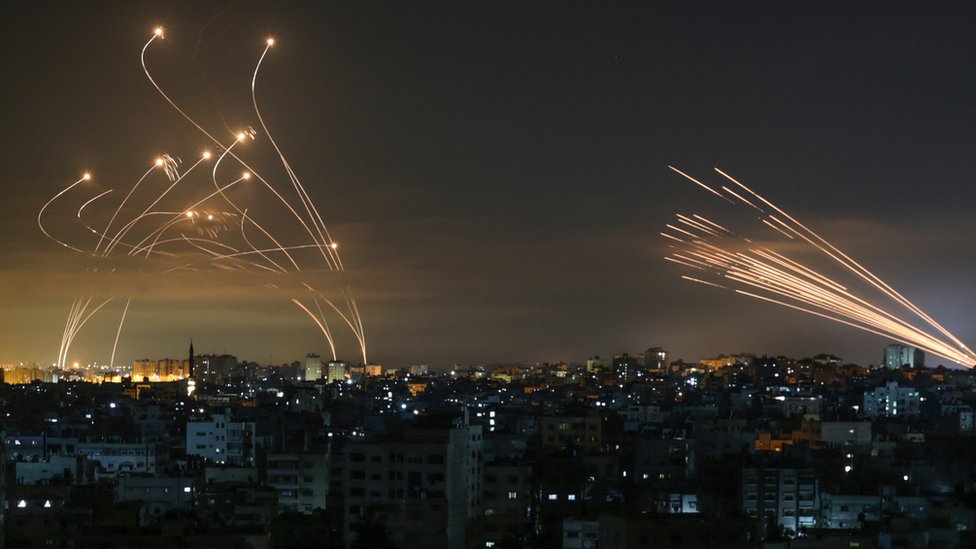
Moscow, Russia — March 20, 2026 — Parliament Politics Magazine — Middle East diplomatic tensions escalated sharply after Russia summoned Israel’s ambassador following a strike near a Russian RT media crew in Lebanon. The move signals growing friction between global powers as the region edges closer to a wider geopolitical crisis.
Russian officials confirmed the ambassador was called in for urgent discussions after a strike reportedly landed dangerously close to journalists affiliated with RT. The incident has raised alarm not only about military escalation but also about the safety of foreign personnel operating in active conflict zones.
Diplomatic Fallout Intensifies
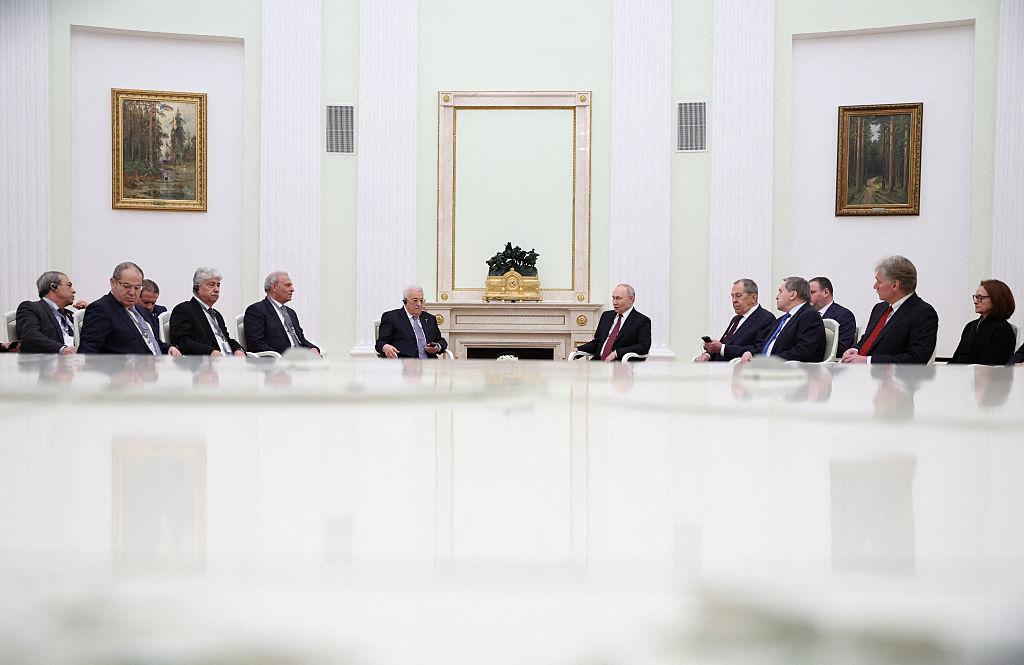
The surge in Middle East diplomatic tensions reflects a deepening divide between Russia and Israel, with Moscow demanding immediate clarification and assurances. The Russian foreign ministry described the situation as “unacceptable,” stressing that the safety of its citizens must be guaranteed.
A senior Russian official stated:
“We will not tolerate risks to our personnel. This situation demands clear answers and immediate accountability.”
The summoning of an ambassador is considered a strong diplomatic signal, often indicating serious dissatisfaction.
Strike Near RT Crew Raises Alarm
The incident fueling Middle East diplomatic tensions occurred in eastern Lebanon, where Israeli military operations have increased in recent weeks. Reports suggest the strike targeted suspected militant positions but landed close to an RT crew on the ground.
Key developments include:
- Strike proximity to media personnel
- No confirmed injuries among journalists
- Ongoing investigation into targeting accuracy
- Rising concerns over operational risks
The situation has highlighted the growing dangers faced by journalists covering volatile regions.
Growing Risks for Media and Civilians
As Middle East diplomatic tensions rise, international organizations are emphasizing the urgent need to protect journalists and civilians. Conflict zones have become increasingly unpredictable, with limited safe areas for reporting.
Media watchdog groups warn:
- Journalists are increasingly exposed to crossfire
- Safety protocols are often difficult to maintain
- Civilian areas are frequently affected by military actions
Calls for stricter adherence to international humanitarian law have intensified.
Broader Regional Context
The escalation in Middle East diplomatic tensions comes amid a wider pattern of instability involving Iran, Israel, and global powers. The region has seen a series of military actions, retaliatory threats, and diplomatic confrontations.
Recent developments include:
- Increased Israeli strikes in Lebanon and Syria
- Rising tensions linked to Iran’s regional role
- Expanded involvement of international actors
Experts warn that the convergence of these factors increases the risk of a broader conflict.
Russia’s Strategic Warning
By taking the step that has intensified Middle East diplomatic tensions, Russia appears to be sending a clear message about the limits of acceptable risk. Analysts suggest Moscow is asserting its position as a key player in the region.
Potential signals include:
- Demand for respect of Russian personnel and interests
- Warning against escalation that could involve global powers
- Reinforcement of Russia’s diplomatic influence
One analyst noted:
“Russia is drawing a line, making it clear that its presence in the region cannot be ignored.”
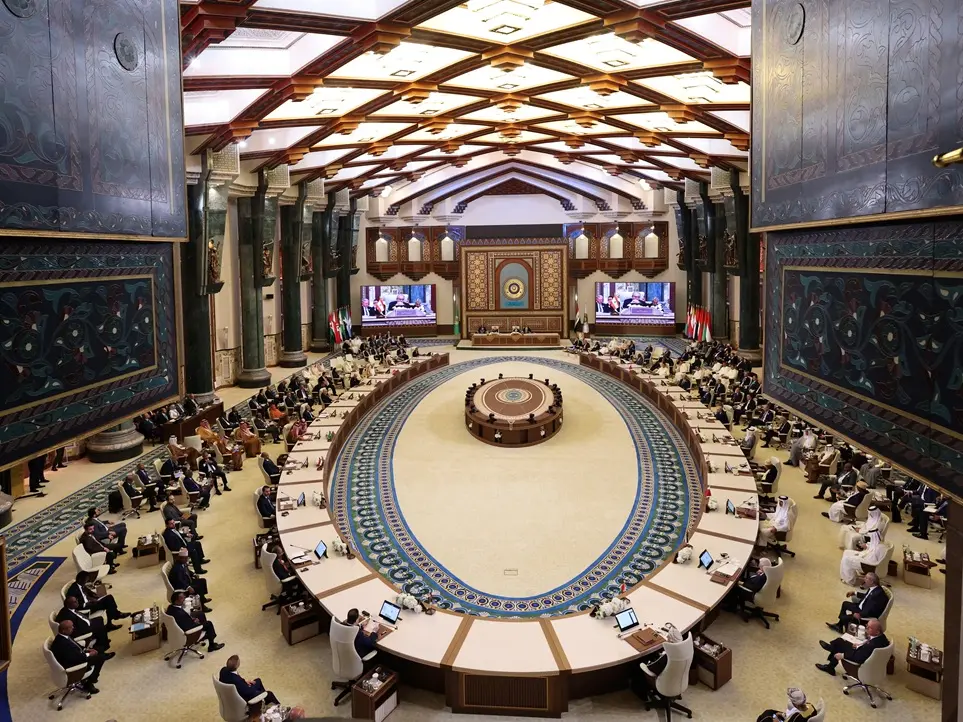
Israel’s Position and Military Objectives
Despite rising Middle East diplomatic tensions, Israel has maintained its focus on security operations. Officials have emphasized that military actions are aimed at countering threats and protecting national interests.
Key points include:
- Continued targeting of strategic positions
- Emphasis on precision and intelligence-driven strikes
- Monitoring of regional security developments
- However, the incident may lead to increased scrutiny of military operations near civilian and media areas.
International Reaction and Pressure
The escalation of Middle East diplomatic tensions has drawn global attention, with international leaders urging restraint and calling for diplomatic solutions.
Global responses include:
- Appeals for de-escalation
- Concerns over journalist safety
- Diplomatic engagement to prevent further conflict
- The situation underscores the fragile balance of power in the region.
Economic and Security Implications
Beyond diplomacy, Middle East diplomatic tensions could have broader implications for global markets and security. Heightened instability often leads to uncertainty in economic and political spheres.
Potential impacts include:
- Increased market volatility
- Disruptions in regional trade
- Rising defense and security concerns
Global investors and policymakers are closely watching developments.
Historical Context of Diplomatic Crises
The current surge in Middle East diplomatic tensions reflects a long history of complex relationships and conflicts in the region. Diplomatic incidents involving major powers have often shaped the course of events.
Historically, such tensions have:
- Led to negotiations or escalation
- Influenced alliances and strategies
- Impacted global political dynamics
What Comes Next?
As Middle East diplomatic tensions continue to rise, the focus now turns to how the situation will evolve. Diplomatic engagement and strategic decisions in the coming days will be critical.
Key questions include:
- Will Israel provide assurances to Russia?
- Could further diplomatic actions follow?
- How will global powers respond?
The answers will determine whether tensions ease or intensify.
Global Tension Alert
The sharp rise in Middle East diplomatic tensions following Russia’s move to summon Israel’s ambassador highlights the fragile state of regional stability. With concerns over journalist safety, military escalation, and global involvement growing, the situation remains highly sensitive.
As diplomatic pressure builds, the coming days could prove decisive in shaping the future of the conflict.