

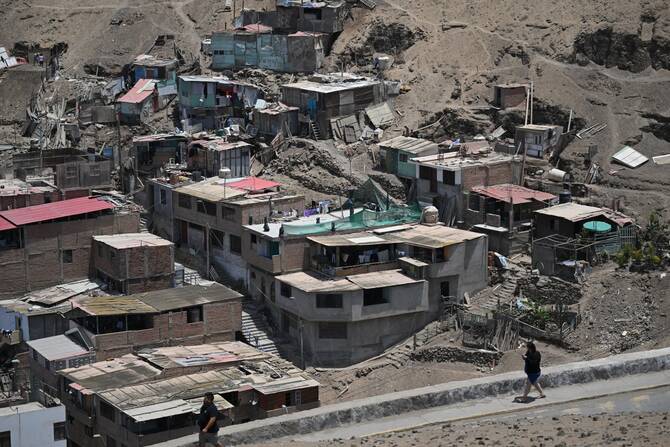
Tehran, Iran — March 20, 2026 — Parliament Politics Magazine — Middle East humanitarian emergency is intensifying rapidly, with aid organizations warning that conditions are deteriorating across multiple regions as conflict pressures, economic strain, and infrastructure breakdowns converge. The Norwegian Refugee Council (NRC) has issued an urgent alert, emphasizing that millions of civilians are facing growing hardship.
The situation reflects a broader regional crisis, where instability is no longer confined to one country but is impacting neighboring populations, supply chains, and humanitarian systems at scale.
Aid Groups Sound the Alarm
The warning that a Middle East humanitarian emergency is unfolding comes as relief organizations report a widening gap between available aid and the number of people in need. The NRC chief stressed that immediate international attention is required to prevent further deterioration.
A senior humanitarian official said:
“We are witnessing a rapidly expanding crisis. Without urgent intervention, the humanitarian situation could spiral beyond control.”
The statement underscores the urgency of coordinated global action.
Key Drivers Behind the Crisis
Several overlapping factors are fueling the Middle East humanitarian emergency, creating a complex and escalating situation.
Economic Collapse and Inflation
Rising inflation and economic instability have reduced purchasing power, making basic necessities increasingly inaccessible for millions.
Conflict and Security Pressures
Ongoing military activity across the region has disrupted essential services, damaged infrastructure, and displaced communities.
Supply Chain Disruptions
Food, fuel, and medical supply chains have been significantly affected, limiting access to critical resources.
Environmental Challenges
Drought conditions and environmental stress are further compounding the crisis, particularly in rural and agricultural areas.
Food Insecurity and Healthcare Strain
The Middle East humanitarian emergency is most visible in food shortages and healthcare system pressures. Families are struggling to secure daily meals, while hospitals face shortages of essential medicines and equipment.
Key challenges include:
- Increasing food insecurity across urban and rural areas
- Rising malnutrition rates among children
- Limited access to healthcare services
- Shortages of medical supplies and staff
Healthcare professionals warn that the system could face collapse if the situation continues to worsen.
Vulnerable Populations at Risk
As the Middle East humanitarian emergency expands, vulnerable populations are experiencing the greatest impact. Displaced families, low-income households, and marginalized communities are particularly affected.
Major concerns include:
- Lack of adequate shelter
- Limited access to clean water and sanitation
- Increased risk of disease outbreaks
- Disruptions to education and social services
Aid groups are calling for targeted support to address these urgent needs.
Challenges Facing Aid Delivery
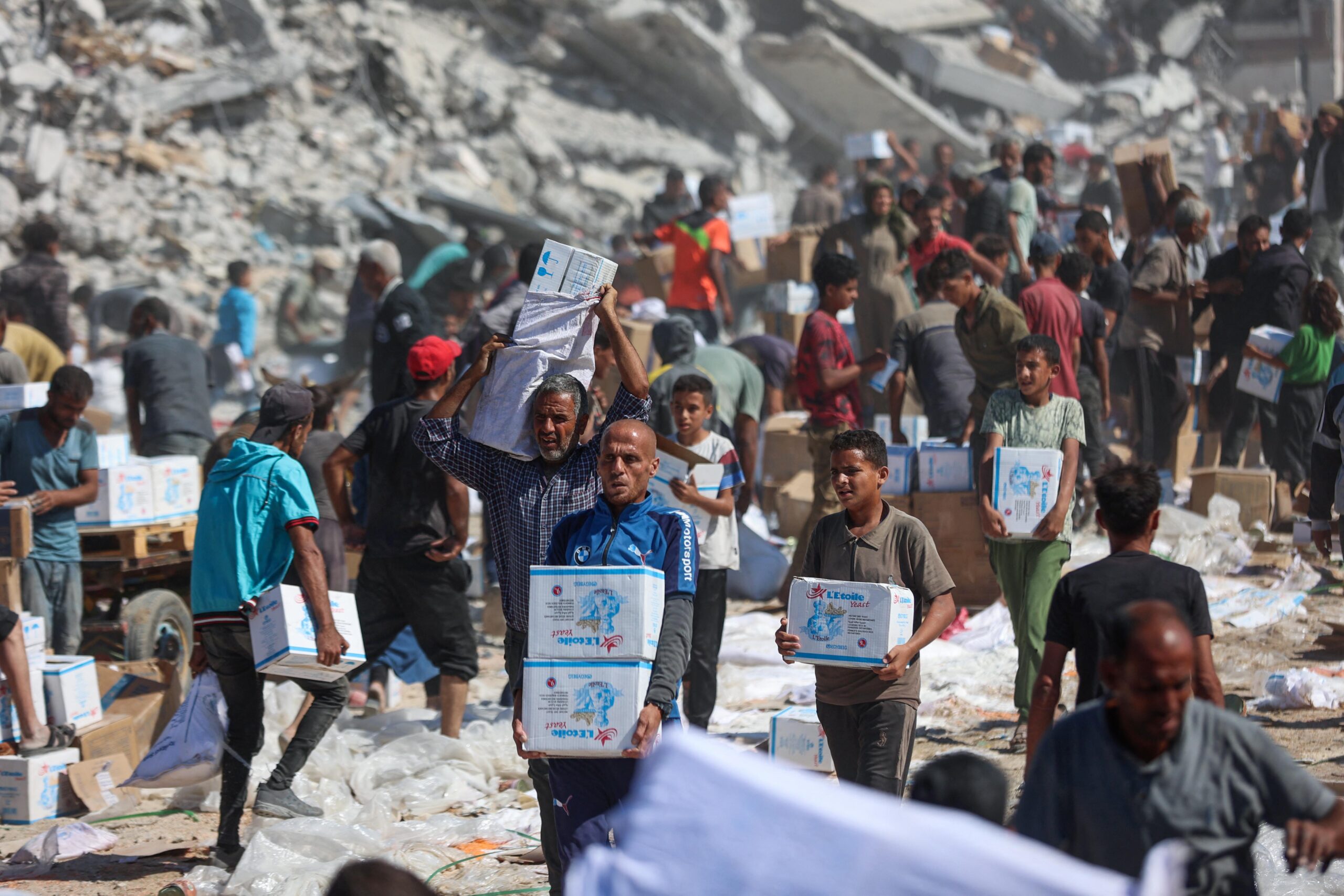
Despite growing awareness of the Middle East humanitarian emergency, delivering aid remains a significant challenge. Political complexities, logistical barriers, and security risks are limiting the effectiveness of humanitarian efforts.
Current obstacles include:
- Restricted access to affected regions
- Insufficient funding for relief programs
- Coordination challenges among organizations
Aid agencies warn that without increased support, the crisis will continue to escalate.
Regional and Global Implications
The rise of the Middle East humanitarian emergency has far-reaching consequences beyond the immediate region. A worsening crisis could contribute to migration pressures, economic instability, and broader geopolitical tensions.
Experts highlight:
- Increased strain on neighboring countries
- Potential for regional humanitarian spillover
- Impact on global economic stability
The situation is being closely monitored by international organizations and governments.
Government Response and Limitations
Governments across the region have acknowledged the growing Middle East humanitarian emergency and are taking steps to address immediate needs. However, the scale of the crisis presents significant challenges.
Efforts include:
-
Stabilizing food and fuel supply chains
-
Supporting healthcare infrastructure
-
Implementing emergency relief measures
Despite these actions, resource constraints and external pressures limit the effectiveness of responses.
Historical Context of Regional Crises
The current Middle East humanitarian emergency reflects patterns seen in previous crises where economic, environmental, and geopolitical factors intersect. Historical experience shows that such situations can escalate rapidly without coordinated intervention.
Key lessons include:
- Early intervention is critical
- International cooperation improves outcomes
- Long-term solutions require systemic reforms
What Comes Next?
As the Middle East humanitarian emergency continues to grow, attention is turning to the next steps. Aid organizations are urging immediate action to prevent further deterioration.
Key questions include:
- Will international funding increase?
- Can infrastructure systems handle ongoing pressure?
- How will regional dynamics influence the crisis?
The coming months will be crucial in determining the outcome.
Crisis Escalation Alert
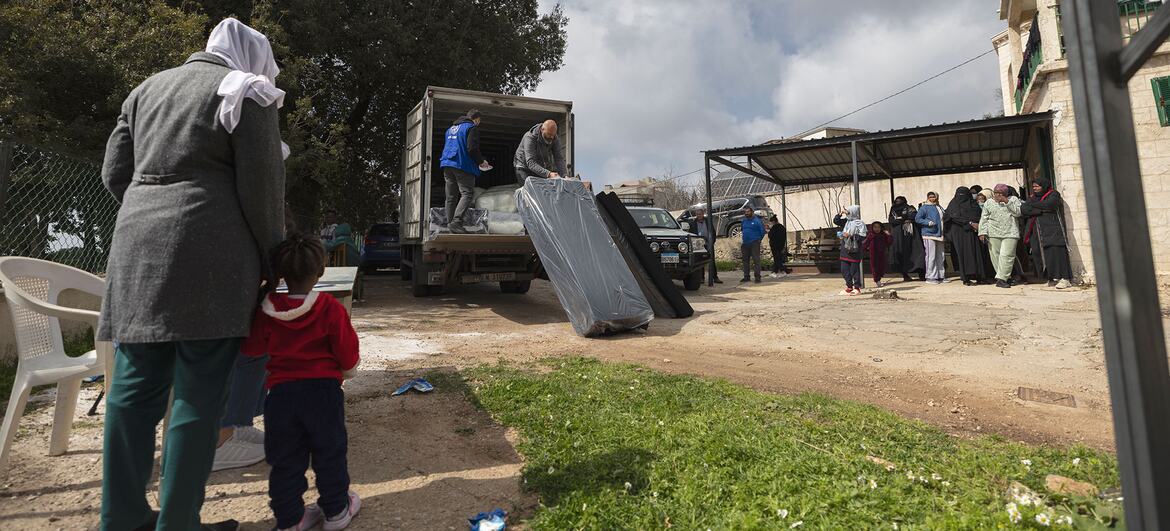
The Middle East humanitarian emergency is deepening rapidly, driven by conflict, economic strain, and infrastructure challenges. With millions facing hardship and aid resources stretched thin, the situation demands urgent global attention.
Without immediate intervention, the crisis could escalate further, impacting not only the region but also global stability.
