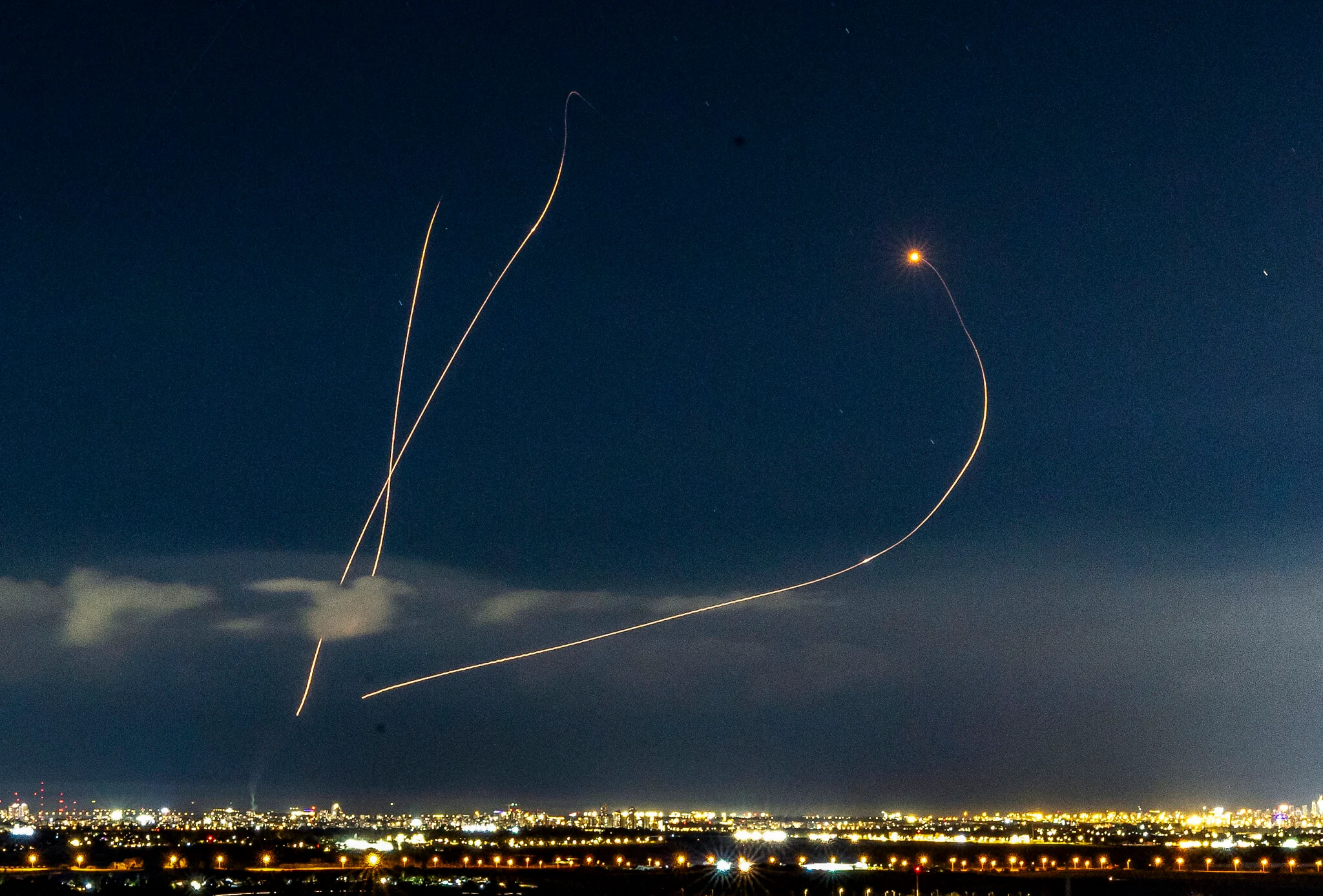
Kyiv, Middle East — March 20, 2026 — Parliament Politics Magazine — Middle East infrastructure attacks are rapidly escalating as Ukraine deploys interceptor units to defend critical facilities, signaling a new phase in global military coordination linked to the ongoing US war against Iran.
The surge in targeted strikes on oil facilities, transport networks, and communication hubs has raised alarm across international markets and security agencies. These attacks are increasingly sophisticated, relying on drones, ballistic missiles, and coordinated cyber-physical strategies that threaten not only regional stability but the global economy.
Ukraine’s decision to intervene reflects growing international concern that Middle East infrastructure attacks could disrupt essential supply chains and trigger wider geopolitical instability.
Why Middle East infrastructure attacks are drawing global response
The rise in Middle East infrastructure attacks is no longer viewed as a regional issue. With energy exports and logistics routes flowing through the region, even minor disruptions can have global consequences.
Ukraine’s interceptor units are specifically designed to counter aerial threats, including drones and missile strikes, which have become the primary tools used in these attacks. By deploying these systems, Ukraine is contributing to a broader defensive shield aimed at preserving stability.
A senior defense strategist noted:
“The scale of Middle East infrastructure attacks we are witnessing today has the potential to destabilize economies far beyond the region.”
This highlights how interconnected global systems have become and why international actors are stepping in to protect key assets.
Connection to US war against Iran reshaping security priorities
The intensification of Middle East infrastructure attacks coincides with the expanding US war against Iran, which has significantly increased regional hostilities. Strategic assets are now prime targets in a conflict that extends beyond traditional battlefields.
The recent resignation of a top counterterrorism official has further intensified debate. The official reportedly stepped down in protest, warning that current strategies could lead to unintended escalation and global instability.
Middle East infrastructure attacks are now central to the broader conflict narrative, reflecting a shift toward economic and logistical warfare rather than purely territorial engagements.
Critical infrastructure remains under constant threat
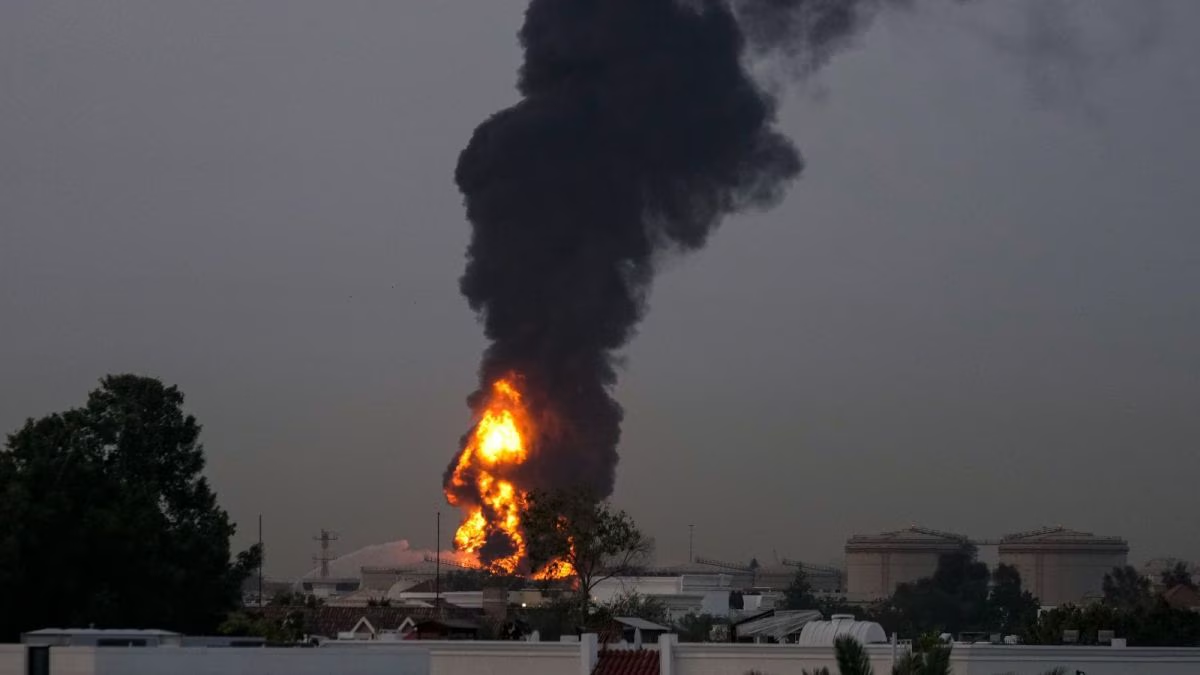
Energy facilities, pipelines, and shipping ports have become frequent targets in Middle East infrastructure attacks. These assets are vital for maintaining global energy flows and economic stability.
Ukraine’s interceptor units provide a technological edge, capable of detecting incoming threats and neutralizing them before impact. These systems are equipped with advanced radar, AI-driven targeting, and rapid-response capabilities.
Experts argue that without such defenses, the frequency and success rate of Middle East infrastructure attacks could increase dramatically, leading to severe consequences for international markets.
Global cooperation emerges as a defense strategy
The growing threat of Middle East infrastructure attacks has prompted a shift toward multinational cooperation. Countries are increasingly pooling resources and intelligence to counter shared threats.
Ukraine’s involvement demonstrates how nations are expanding their roles beyond traditional geographic boundaries. This collaborative approach may serve as a blueprint for future conflict management.
However, there are concerns that increased foreign military presence could escalate tensions further, potentially drawing more countries into the conflict.
Economic impact of Middle East infrastructure attacks
The economic implications of Middle East infrastructure attacks are profound. Disruptions to oil production and transportation can lead to price volatility, affecting industries and consumers worldwide.
Markets have already shown sensitivity to these developments, with fluctuations in energy prices reflecting uncertainty in the region. Investors are closely monitoring the situation, aware that continued instability could have long-term effects.
Ukraine deploys interceptor units as part of a broader effort to mitigate these risks and maintain a level of economic stability in uncertain times.
Humanitarian concerns rise alongside conflict
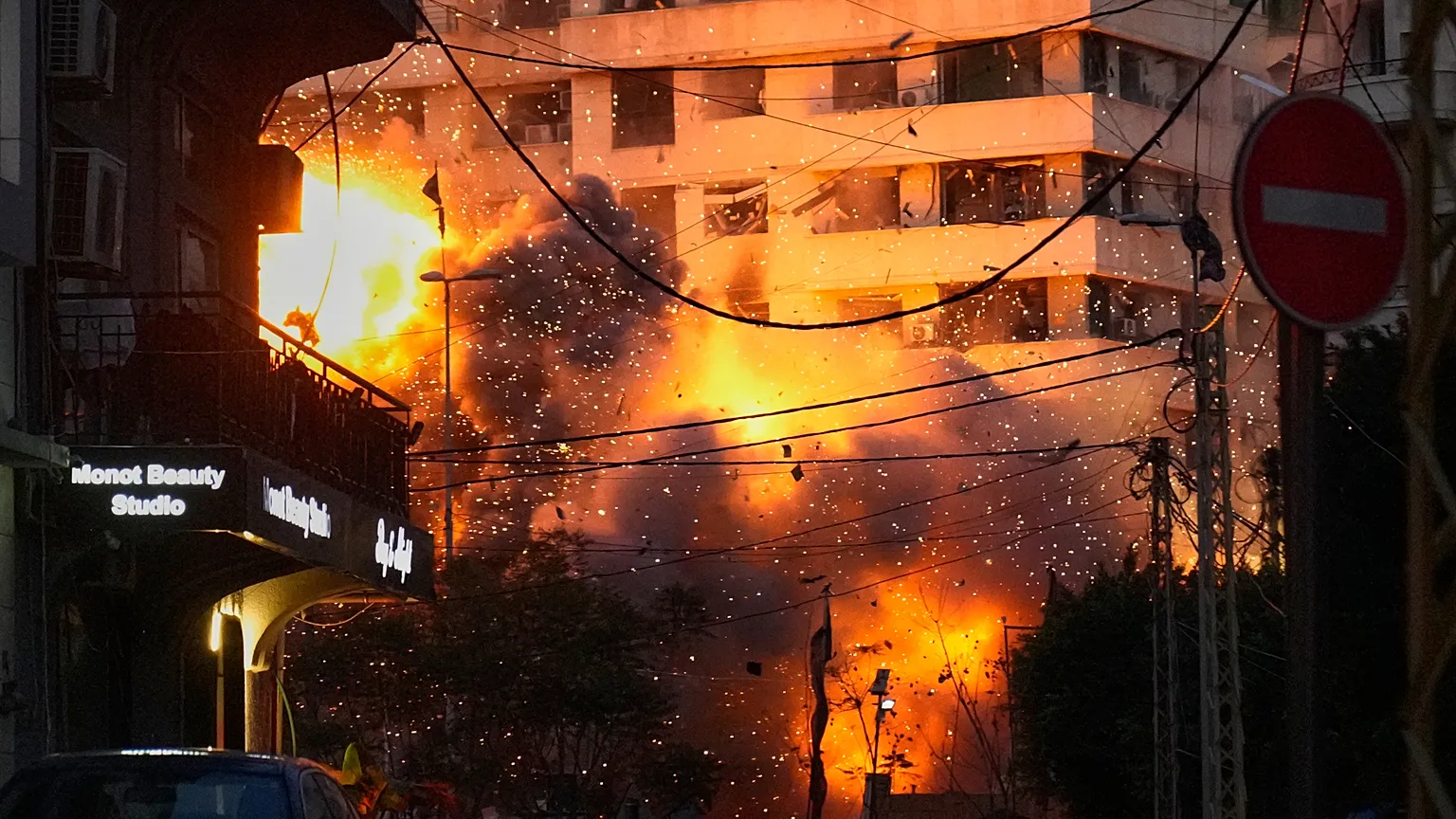
Beyond economic and strategic considerations, Middle East infrastructure attacks have significant humanitarian consequences. Damage to essential services often leaves civilian populations vulnerable.
Electricity outages, water shortages, and disruptions to healthcare systems are common outcomes of such attacks. By enhancing defensive capabilities, efforts are being made to reduce these impacts.
Humanitarian organizations have emphasized the urgent need for protective measures to safeguard civilian infrastructure and prevent further suffering.
International reactions remain divided
The global response to rising Middle East infrastructure attacks and Ukraine’s involvement has been mixed. While some nations support the move as necessary, others caution against potential escalation.
Diplomatic efforts are ongoing, with discussions focusing on balancing security needs with the risk of widening the conflict. Middle East infrastructure attacks have become a focal point in these negotiations.
Future outlook: evolving warfare strategies
The increase in Middle East infrastructure attacks signals a shift in modern warfare. Strategic targets are no longer limited to military installations but include economic and civilian infrastructure.
This evolution requires new defense mechanisms and international cooperation. Ukraine’s deployment may be an early example of how nations adapt to these changing dynamics.
The situation remains fluid, with the potential for further escalation or stabilization depending on diplomatic and military developments.
A defining moment in global security
Middle East infrastructure attacks are reshaping how nations approach defense, economics, and international relations.
Ukraine’s deployment of interceptor units underscores the urgency of protecting critical assets in an increasingly volatile environment. The outcome of these efforts will likely influence global security strategies for years to come.
Why Middle East Infrastructure Attacks Could Reshape Global Stability
Middle East infrastructure attacks are intensifying as Ukraine deploys interceptor units to protect key assets.
The escalation is closely tied to the US war against Iran and rising global tensions.
Experts warn the situation could reshape economic stability and international conflict dynamics.