

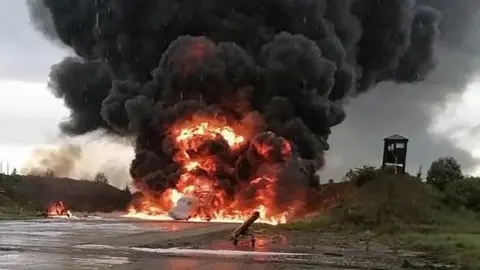
Washington — March 22, 2026 — Parliament Politics Magazine — Bahrain missile interception operations have taken center stage in global headlines as a top counterterrorism official resigns in protest of the escalating US war against Iran, signaling deep concerns within national security leadership.
The resignation comes amid mounting regional tension, with Bahrain confirming it has intercepted 145 missiles and 246 drones since the beginning of the conflict. This surge in Bahrain missile interception activity highlights the growing intensity of hostilities and the expanding scope of modern warfare in the Gulf region.
Resignation Sparks Debate Over War Strategy
The sudden departure of a senior counterterrorism official has raised alarm across Washington. Sources indicate the resignation was driven by ongoing disagreements over military escalation, intelligence interpretation, and long-term geopolitical consequences.
“We are entering a phase of conflict that risks irreversible consequences,”
the official reportedly stated.
This moment underscores a broader concern within policy circles about the direction of the war and the sustainability of current strategies.
Bahrain Missile Interception Reaches Unprecedented Scale
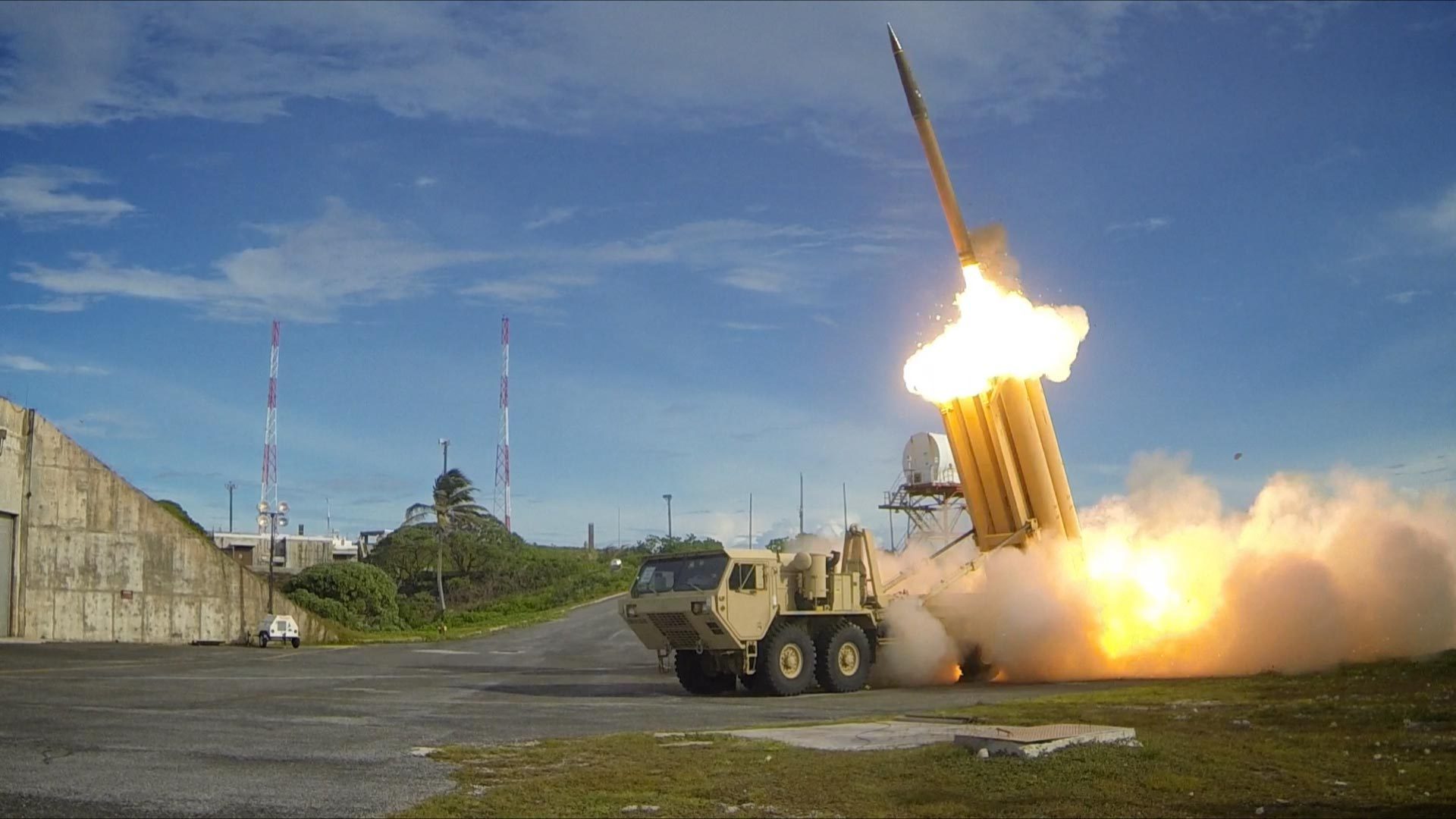
The scale of Bahrain missile interception efforts is unlike anything seen in recent years. Officials confirmed that air defense systems have been actively engaged around the clock, intercepting hundreds of incoming threats.
The combination of missile strikes and drone attacks indicates a highly coordinated offensive campaign.
Military analysts emphasize that Bahrain missile interception is now a key indicator of the conflict’s intensity.
“The volume alone suggests this is not a limited engagement—it is sustained warfare,”
a defense expert explained.
The country’s advanced defense infrastructure has been critical in preventing widespread damage and casualties.
Drone Warfare and Modern Conflict Evolution
The rise in Bahrain missile interception activity also highlights a significant shift in modern warfare tactics. Drone technology, combined with missile strikes, is creating new challenges for defense systems worldwide.
Countries across the globe are studying these developments closely, as the implications extend far beyond the Middle East.
This conflict is rapidly becoming a case study in how future wars may be fought.
Global Security Concerns Grow
As Bahrain missile interception continues at record levels, global security agencies are on heightened alert. Intelligence networks are actively monitoring for signs of escalation or spillover into other regions.
The resignation of a top official adds to concerns about internal stability within key governments managing the crisis.
Experts warn that the situation could evolve into a broader international security challenge.
US Policy Under Scrutiny
The fact that a senior official stepped down during such a critical moment raises questions about unity within US leadership.
Historically, such resignations during active conflict are rare and often signal deeper divisions.
Lawmakers are now calling for increased transparency and strategic clarity.
“We must understand the full scope of this conflict and its long-term implications,”
one policymaker said.
The pressure on leadership is expected to intensify in the coming weeks.
Middle East on High Alert
The entire Middle East region remains on edge as Bahrain missile interception continues to dominate military operations.
Neighboring countries are increasing their defensive measures, reinforcing infrastructure, and preparing for potential escalation.
The fear of a wider regional conflict is growing, with multiple nations closely monitoring developments.
Energy Markets React to Rising Tensions
The surge in Bahrain missile interception operations has also impacted global energy markets. The Gulf region plays a crucial role in oil and gas supply, and any disruption could have widespread economic consequences.
Market volatility has already increased, with traders reacting to the uncertainty.
Shipping routes and energy infrastructure remain under close watch.
Public and Political Reaction Intensifies
Public reaction to both the resignation and the escalating Bahrain missile interception efforts has been immediate and divided.
Some view the resignation as a principled stand, while others see it as a sign of instability during a critical period.
Political debate is intensifying as more details emerge.
The administration has yet to provide a full explanation, fueling speculation.
Is This a Turning Point in the Conflict?
Many analysts believe that the combination of Bahrain missile interception activity and internal dissent could mark a turning point in the war.
The scale of military engagement and rising global concern suggest the conflict is entering a new and more dangerous phase.
Whether this leads to escalation or de-escalation remains uncertain.
Future of Counterterrorism Leadership
With leadership changes occurring at such a critical time, questions remain about the future direction of counterterrorism efforts.
Stability and coordination are essential for effective global security operations.
Experts stress the importance of maintaining continuity during periods of crisis.
The coming weeks will be crucial in determining how the situation evolves.
What This Means Now
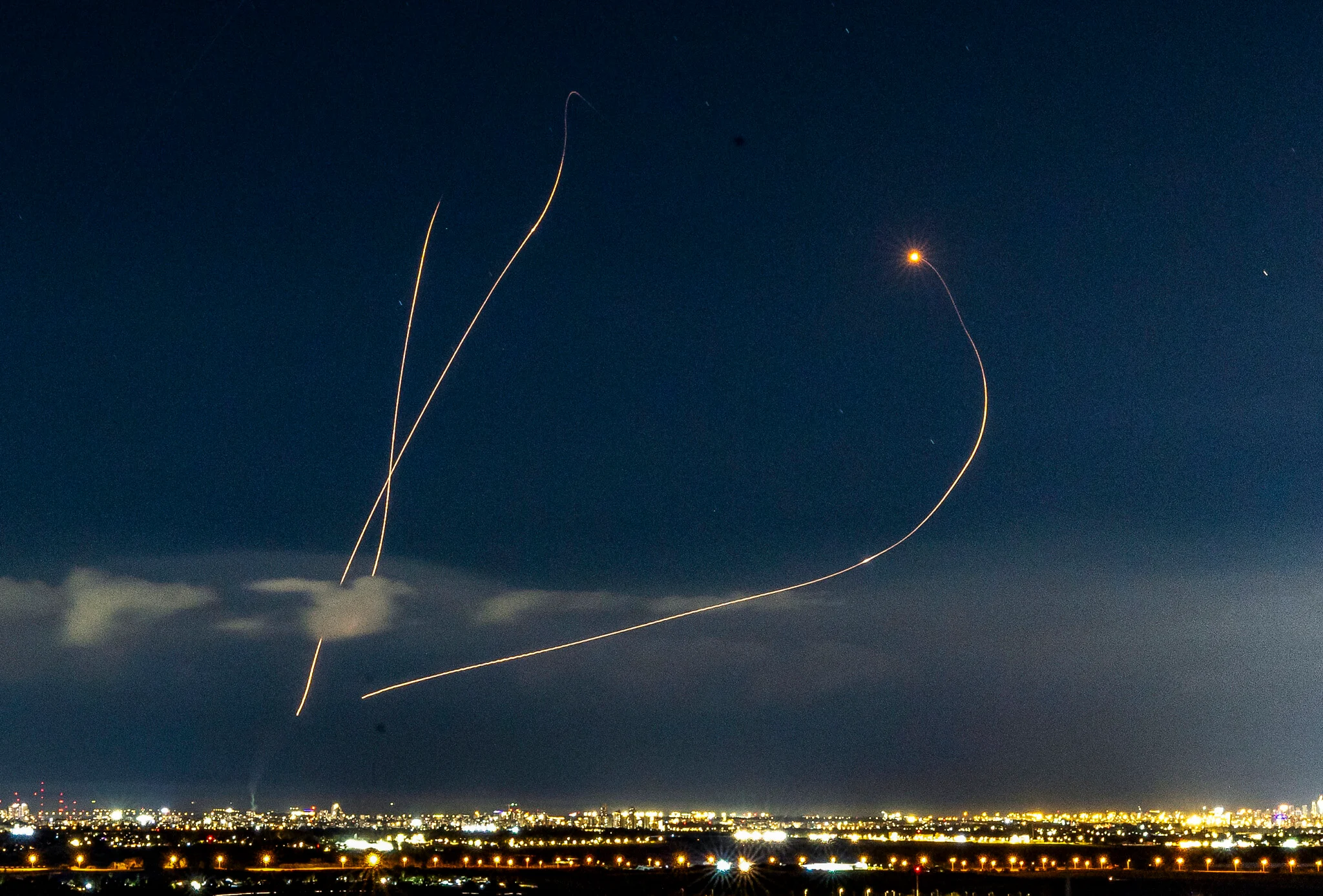
The surge in Bahrain missile interception operations, combined with the resignation of a top counterterrorism official, signals a critical moment in global security. With 391 total threats intercepted, the scale of the conflict is rapidly expanding.
As tensions rise and internal divisions emerge, the world faces increasing uncertainty about the future of the Iran conflict and its global impact.
