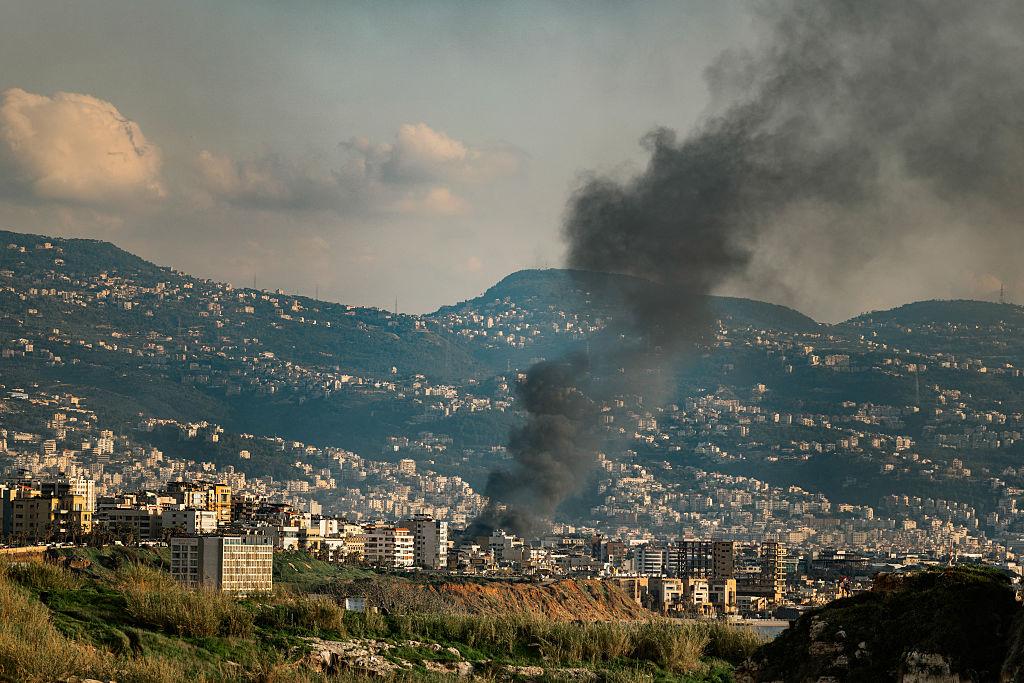
Beirut, Lebanon March 22, 2026, Parliament Politics Magazine, Lebanon infrastructure strike concerns are rapidly intensifying after Israeli military officials issued a warning about a potential attack on a key coastal bridge in southern Lebanon, signaling a dangerous escalation in regional conflict already fueled by the ongoing US war against Iran.
The warning has triggered immediate alarm among civilians and international observers, as the targeted infrastructure plays a vital role in transportation, logistics, and humanitarian access. The Lebanon infrastructure strike threat is now being seen as a turning point that could reshape the scope of the conflict.
Escalation Signals Raise Regional Tensions
The Lebanon infrastructure strike warning has been widely interpreted as a major shift in military strategy. Rather than focusing solely on militant positions, the warning indicates that critical infrastructure could now become direct targets.
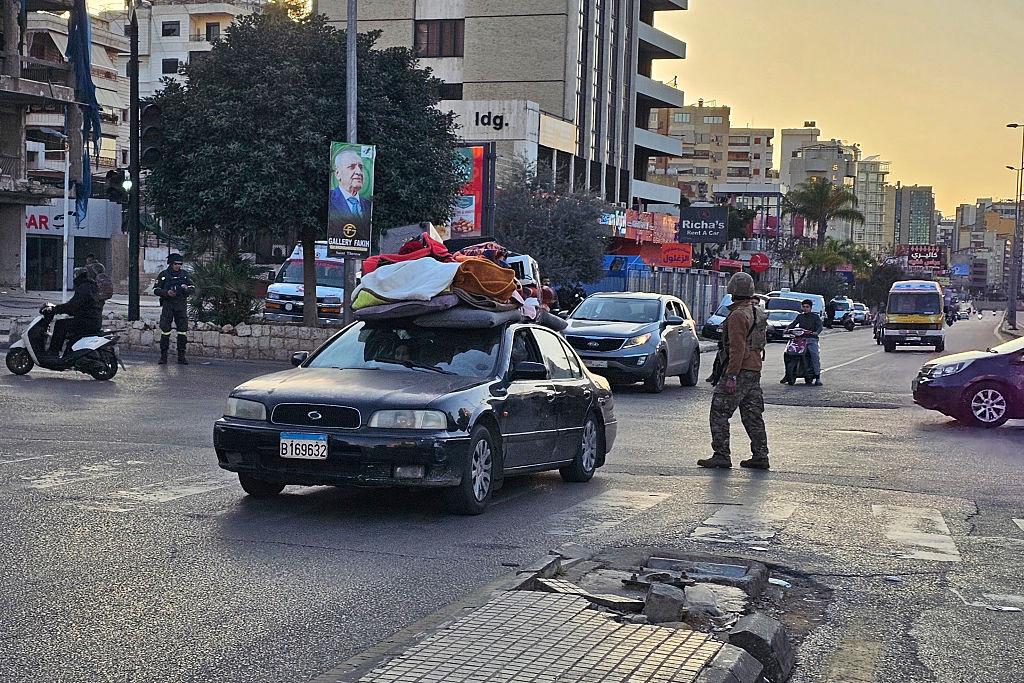
Residents in southern Lebanon began evacuating areas near the identified bridge within hours of the announcement. Local officials confirmed that emergency response teams have been mobilized as a precaution.
A regional security analyst warned:
“When infrastructure becomes a target, it changes the nature of the conflict entirely. It increases both strategic impact and civilian risk.”
This development has heightened fears that the conflict could expand beyond localized engagements into a broader regional confrontation.
US Political Shock Adds to Crisis
As tensions rise in Lebanon, Washington is dealing with its own crisis. A senior US counterterrorism official has resigned in protest of the administration’s handling of the war against Iran.
The resignation has amplified concerns about the direction of US policy, especially as the Lebanon infrastructure strike warning adds pressure to an already volatile situation.
In a powerful statement, the official said:
“We are approaching a level of escalation that could have consequences far beyond the battlefield.”
The timing of the resignation has led analysts to connect internal US disagreements with the rapidly evolving events in the Middle East.
Strategic Importance of Lebanon’s Infrastructure
The bridge highlighted in the Lebanon infrastructure strike warning is more than just a local crossing. It serves as a key logistical artery linking coastal areas with inland regions, making it critical for both civilian and military movement.
Destroying such infrastructure could disrupt supply chains and limit mobility, but it also risks severe humanitarian fallout. Aid delivery, medical transport, and civilian evacuation routes could all be impacted.
A defense expert noted:
“Infrastructure strikes can deliver immediate tactical benefits, but they often create long-term instability and humanitarian crises.”
Regional Reactions Intensify
The Lebanon infrastructure strike warning has drawn strong condemnation from Lebanese officials, who described the move as a violation of international law and a threat to civilian life.
Iranian authorities also responded sharply, warning of retaliation if infrastructure in Lebanon is targeted. This reaction has further escalated fears of a wider conflict involving multiple regional actors.
European and international leaders have urged restraint, emphasizing the need for diplomatic solutions to prevent further escalation.
Humanitarian Risks Continue to Grow
Humanitarian organizations are increasingly concerned about the potential consequences of a Lebanon infrastructure strike. Damage to key transport routes could isolate communities and disrupt essential services.
Aid groups are already preparing for worst-case scenarios, including mass displacement and shortages of food, water, and medical supplies.
A humanitarian official stated:
“If infrastructure is hit, the impact on civilians can be immediate and devastating. Entire regions could become inaccessible overnight.”
Global Economic Implications
The Lebanon infrastructure strike warning also has significant implications for global markets. The Middle East remains a critical hub for energy production and transportation, and any escalation could disrupt supply chains.
Analysts warn that increased instability could lead to rising oil prices and broader economic uncertainty. The ongoing US-Iran conflict has already contributed to market volatility, and further escalation could amplify these effects.
Risk of Multi-Front Conflict Increases
Security experts are increasingly warning that the Lebanon infrastructure strike threat could signal the beginning of a multi-front conflict involving several regional powers.
With tensions already high, any strike on infrastructure could trigger coordinated responses, escalating the situation beyond control.
A geopolitical analyst observed:
“We are entering a phase where a single strike could trigger a chain reaction across the region.”
Diplomatic Efforts Face Challenges
Despite urgent calls for diplomacy, efforts to de-escalate tensions have struggled to gain traction. Negotiations remain stalled, and mistrust between key players continues to hinder progress.
International organizations are urging all sides to prioritize dialogue, warning that continued escalation could have far-reaching consequences.

A Region on the Brink
The Lebanon infrastructure strike warning represents a critical escalation in an already volatile conflict. Combined with the resignation of a top US counterterrorism official, the situation highlights growing instability at both regional and global levels.
With infrastructure at risk, civilians in danger, and economic uncertainty rising, the coming days will be crucial in determining whether the crisis can be contained — or if it will spiral into a wider war.