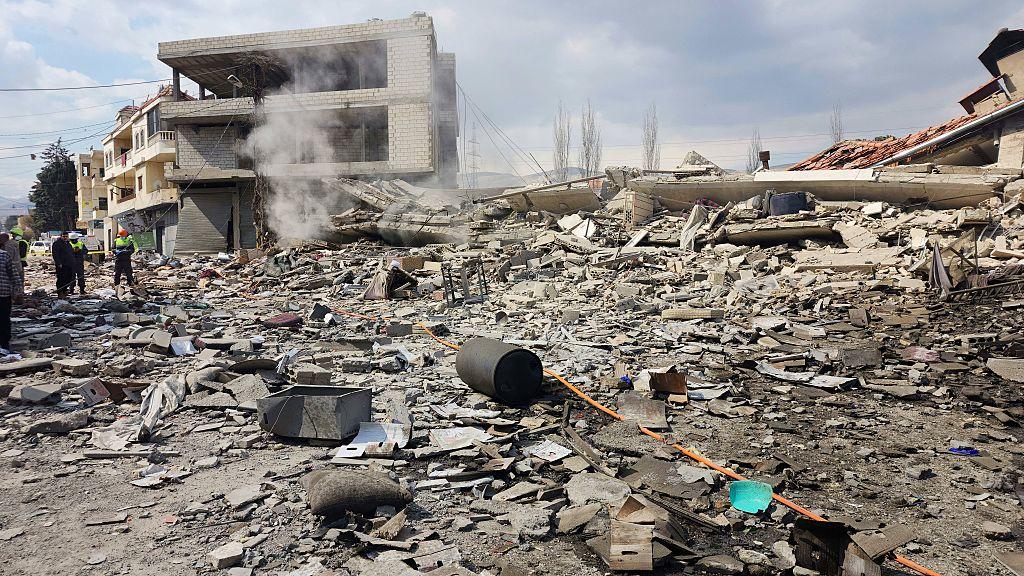
Beirut, Lebanon, March 22, 2026, Parliament Politics Magazine, Lebanon infrastructure destruction is rapidly escalating as Israeli military operations expand in frontline villages, raising fears of a deepening regional conflict tied to the ongoing US war against Iran. The situation has intensified following reports of swift demolitions of homes and critical structures, leaving civilians increasingly vulnerable and uncertain about their future.
The Lebanon infrastructure destruction unfolding across southern regions is being viewed as a major turning point in the conflict. It reflects a shift toward targeting not only strategic positions but also the physical foundations of communities, amplifying both humanitarian and geopolitical risks.
Frontline Villages Face Immediate Impact
The scale of Lebanon infrastructure destruction has become more visible in villages near the border, where residents report seeing heavy machinery and military presence preparing for demolitions. Entire neighborhoods are at risk as operations move forward with little warning.
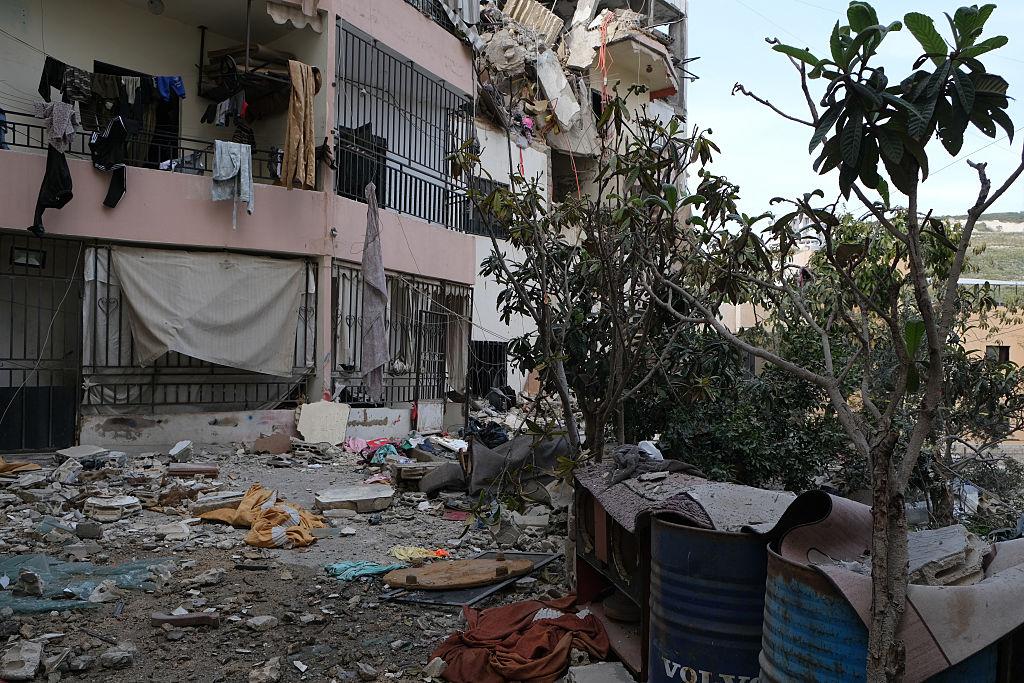
Families are being forced to evacuate quickly, often leaving behind their belongings and livelihoods. For many, the destruction represents not just material loss but the collapse of long-standing community ties.
A resident described the situation:
“We are watching our homes disappear. Everything we built is being taken away in moments.”
The growing Lebanon infrastructure destruction is displacing residents and reshaping entire communities.
US Counterterrorism Official Resigns Amid Escalation
At the same time, political tensions in Washington have intensified. A senior US counterterrorism official has resigned in protest of the administration’s handling of the war against Iran.
The resignation highlights concerns about the broader direction of US policy and its role in escalating regional instability. Analysts note that developments such as Lebanon infrastructure destruction are contributing to growing unease within policy circles.
In a statement that has drawn widespread attention, the official warned:
“We are heading into a conflict with consequences that could extend far beyond current expectations.”
The timing of the resignation underscores the interconnected nature of events unfolding across the region.
Humanitarian Crisis Deepens
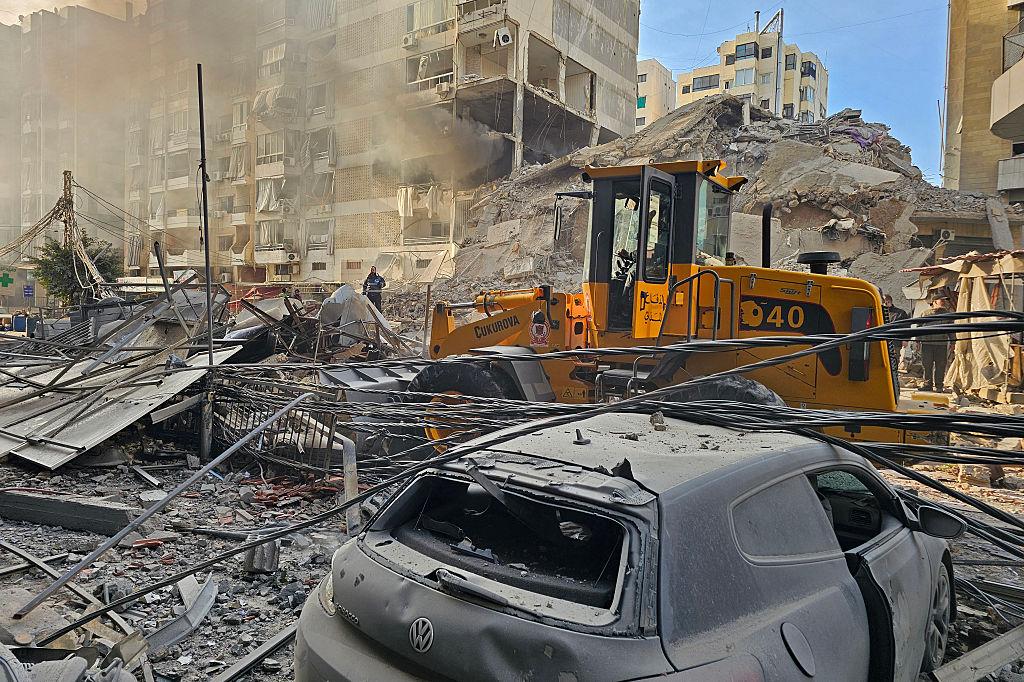
The ongoing Lebanon infrastructure destruction is having immediate humanitarian consequences. As homes, roads, and essential facilities are damaged or destroyed, access to basic services is becoming increasingly limited.
Aid organizations warn that the situation could deteriorate rapidly if the pace of destruction continues. Displacement, shortages of essential supplies, and limited access to healthcare are among the growing concerns.
A humanitarian worker explained:
“Infrastructure destruction doesn’t just affect buildings — it affects lives, access, and survival.”
The Lebanon infrastructure destruction is now at the center of efforts to assess and respond to the unfolding crisis.
Regional Reactions Heighten Tensions
The Lebanon infrastructure destruction has triggered strong reactions from regional actors. Lebanese officials have condemned the actions, calling them a violation of international norms and a threat to civilian populations.
Iran has also issued warnings, suggesting that continued escalation could lead to broader consequences. These developments have increased fears that the conflict could expand into a wider regional confrontation.
International leaders are urging restraint, but the situation remains volatile.
Economic and Global Implications
The impact of Lebanon infrastructure destruction extends beyond immediate humanitarian concerns. The Middle East’s strategic importance in global energy markets means that instability in the region can have far-reaching economic effects.
Analysts warn that continued escalation could disrupt supply chains and increase volatility in global markets. Rising tensions may lead to higher energy prices and broader economic uncertainty.
The Lebanon infrastructure destruction is thus not only a regional issue but also a global concern.
Risk of Wider Conflict Increases
Security experts caution that Lebanon infrastructure destruction could act as a catalyst for broader conflict. The destruction of key assets and displacement of civilians may provoke reactions from multiple actors across the region.
The potential for escalation remains high, particularly as tensions between major players continue to rise.
A geopolitical analyst noted:
“When infrastructure becomes a primary target, it signals a shift toward a more expansive and unpredictable conflict.”
The Lebanon infrastructure destruction is being closely monitored as a potential trigger for further escalation.
Civilians Bear the Greatest Burden
At the heart of the Lebanon infrastructure destruction are the civilians who are directly affected. Many are facing displacement, loss of livelihood, and uncertainty about the future.
Communities that once provided stability are now being dismantled, leaving residents with limited options.
A local aid volunteer said:
“People are losing not just homes, but their sense of security and identity.”
The Lebanon infrastructure destruction highlights the human cost of escalating conflict.
Diplomatic Efforts Struggle to Contain Crisis
Efforts to de-escalate the situation have so far faced significant challenges. Diplomatic channels remain open, but progress is slow.
International organizations continue to call for dialogue and emphasize the importance of protecting civilians and infrastructure.
Despite these efforts, the situation continues to evolve rapidly.
Collapse on the Frontline: What Comes Next?
The Lebanon infrastructure destruction marks a critical escalation in an already volatile conflict, placing civilians and communities at significant risk. As demolitions expand and humanitarian concerns grow, the resignation of a top US counterterrorism official highlights deepening concerns about the broader direction of the war against Iran.
With regional tensions rising and global implications becoming more apparent, the coming days will be crucial in determining whether the crisis can be contained — or if it will escalate into a wider conflict.