

Washington, Jerusalem, Brussels, March 22, 2026, Parliament Politics Magazine, Middle East crisis deepens rapidly as a top counterterrorism official resigns in protest of the escalating US war against Iran, while Israeli Prime Minister Benjamin Netanyahu calls on world leaders to join a growing coalition against Tehran.
The convergence of internal dissent, military escalation, and global political pressure marks a dangerous turning point in the expanding conflict.
Shock Resignation Signals Internal Alarm
The sudden resignation of a senior counterterrorism official has triggered concern across intelligence and diplomatic circles.
Sources indicate the official opposed the widening military campaign, warning of long-term consequences and increased global instability.
“This resignation reflects deep concerns at the highest levels,”
a senior analyst said.
As the Middle East crisis intensifies, such internal divisions highlight growing uncertainty within Western leadership.
Netanyahu Pushes for Global Alignment
At the forefront of the geopolitical shift, Benjamin Netanyahu has called on international leaders to support the United States and Israel in confronting Iran.
Netanyahu’s message frames the conflict as a broader global security issue rather than a regional dispute.
This call has sparked debate across Europe and other regions, where leaders remain divided between supporting military action and advocating restraint.
Middle East Crisis Escalates With Retaliation Threats
Iran has issued increasingly strong warnings, signaling that further attacks could trigger significant retaliation.
Officials suggest that responses may not be limited to military targets, potentially impacting strategic and economic infrastructure.
The Middle East crisis is now characterized by rising threats, retaliatory positioning, and a growing risk of miscalculation.
“Any further escalation will have consequences beyond the region,”
a regional expert warned.
European Leaders Urge Restraint
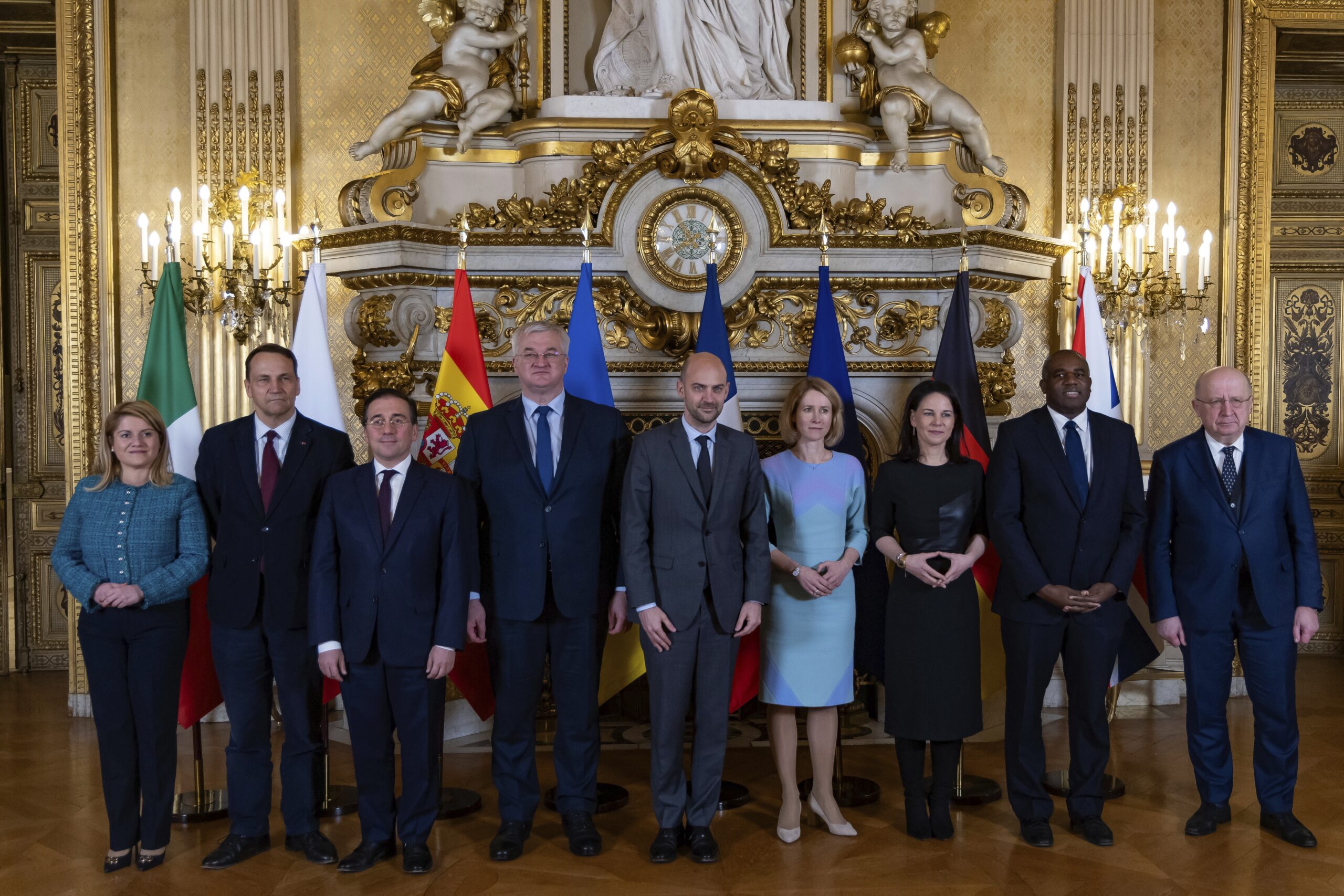
As tensions rise, European officials—particularly in Brussels—are calling for restraint and renewed diplomatic engagement.
Their concerns focus on:
- Preventing civilian casualties
- Avoiding a broader regional war
- Stabilizing global markets
- Preserving diplomatic channels
The European Union continues to advocate for dialogue, even as the Middle East crisis accelerates.
Military Activity Intensifies Across Region
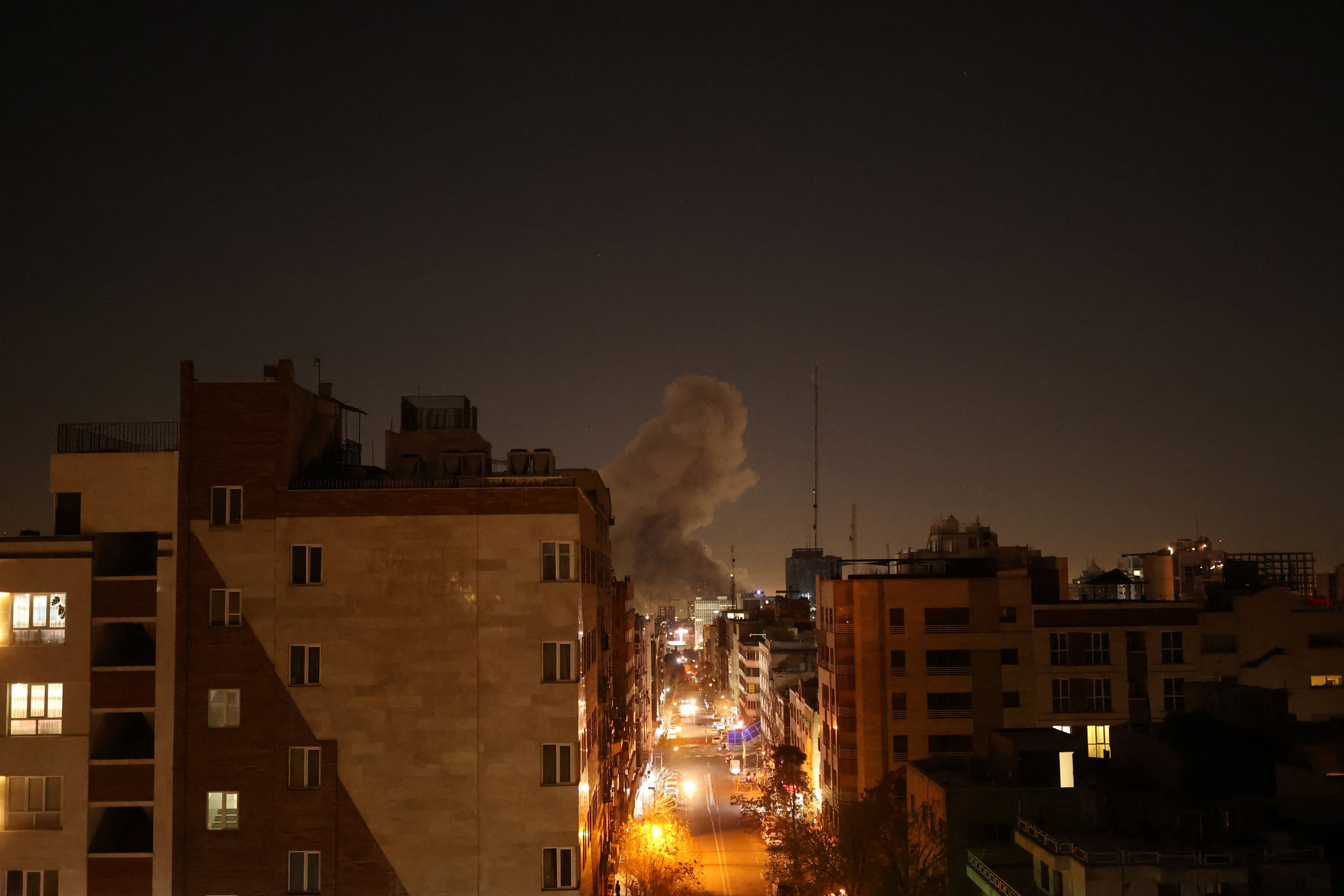
The situation on the ground remains volatile, with continued airstrikes, missile launches, and defensive operations reported across multiple areas.
The Middle East crisis is evolving into a multi-layered conflict involving several actors and strategic interests.
Security experts warn that increased military activity raises the risk of unintended escalation.
Global Energy Markets Under Pressure
One of the most immediate global impacts of the Middle East crisis is being felt in energy markets.
The region plays a critical role in global oil and gas supply, making any disruption potentially significant.
Key concerns include:
- Rising oil prices
- Supply chain disruptions
- Increased shipping risks
- Economic uncertainty
Markets are reacting cautiously, with investors closely monitoring developments.
Strategic Divisions Among Western Allies
The resignation underscores broader disagreements within Western governments regarding the direction of the conflict.
Some leaders support strong military action, while others emphasize the importance of diplomacy.
Issues under debate include:
- Long-term strategic goals
- Risk of global escalation
- Diplomatic alternatives
- Impact on alliances
The Middle East crisis is exposing these divisions at a critical moment.
Diplomatic Efforts Intensify
Despite rising tensions, diplomatic efforts are ongoing.
Governments and international organizations are working to:
- De-escalate military actions
- Facilitate negotiations
- Prevent further attacks
- Maintain regional stability
However, progress remains uncertain as events continue to unfold rapidly.
Public Reaction and Economic Concerns
The Middle East crisis is also influencing public opinion and economic outlooks worldwide.
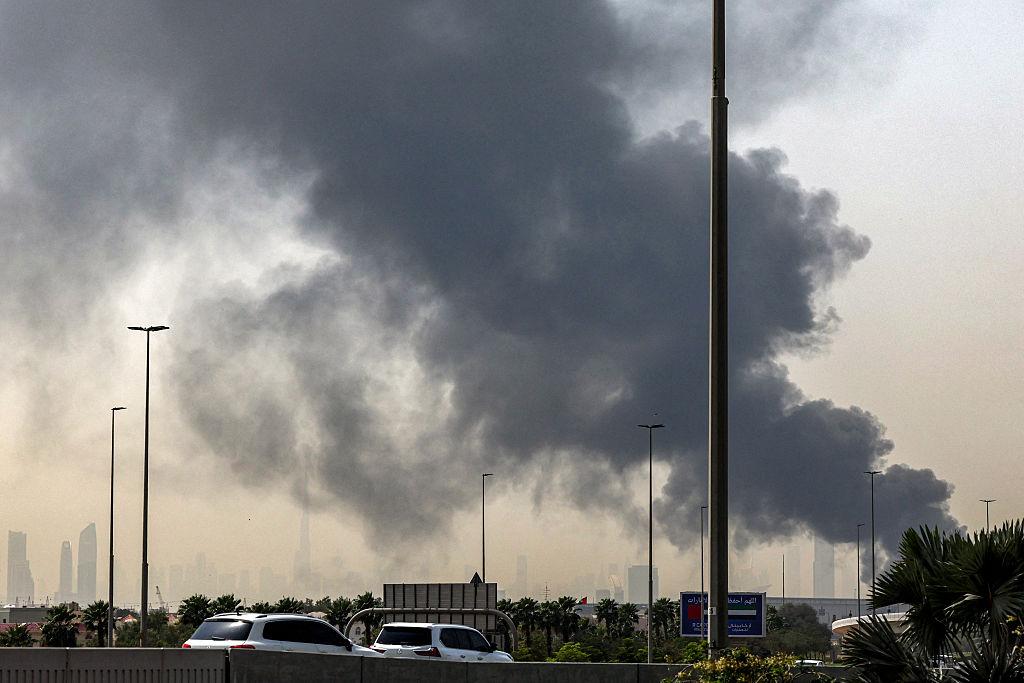
Rising energy costs, market volatility, and geopolitical uncertainty are affecting both businesses and consumers.
Public sentiment remains divided, reflecting the complexity of the situation.
A Defining Moment in Global Politics
The combination of a high-level resignation and escalating tensions suggests that the Middle East crisis may be entering a decisive phase.
Experts warn that decisions made now could shape global stability for years to come.
“We are witnessing a pivotal moment in international relations,”
a geopolitical analyst noted.
The Crisis That Could Reshape the World
The Middle East crisis has intensified into a global concern, marked by a high-profile resignation, growing military escalation, and calls for international involvement.
With Netanyahu urging global support and leaders divided on strategy, the world faces a critical choice between escalation and diplomacy.
The outcome of this moment will likely define the future of global security and economic stability.
