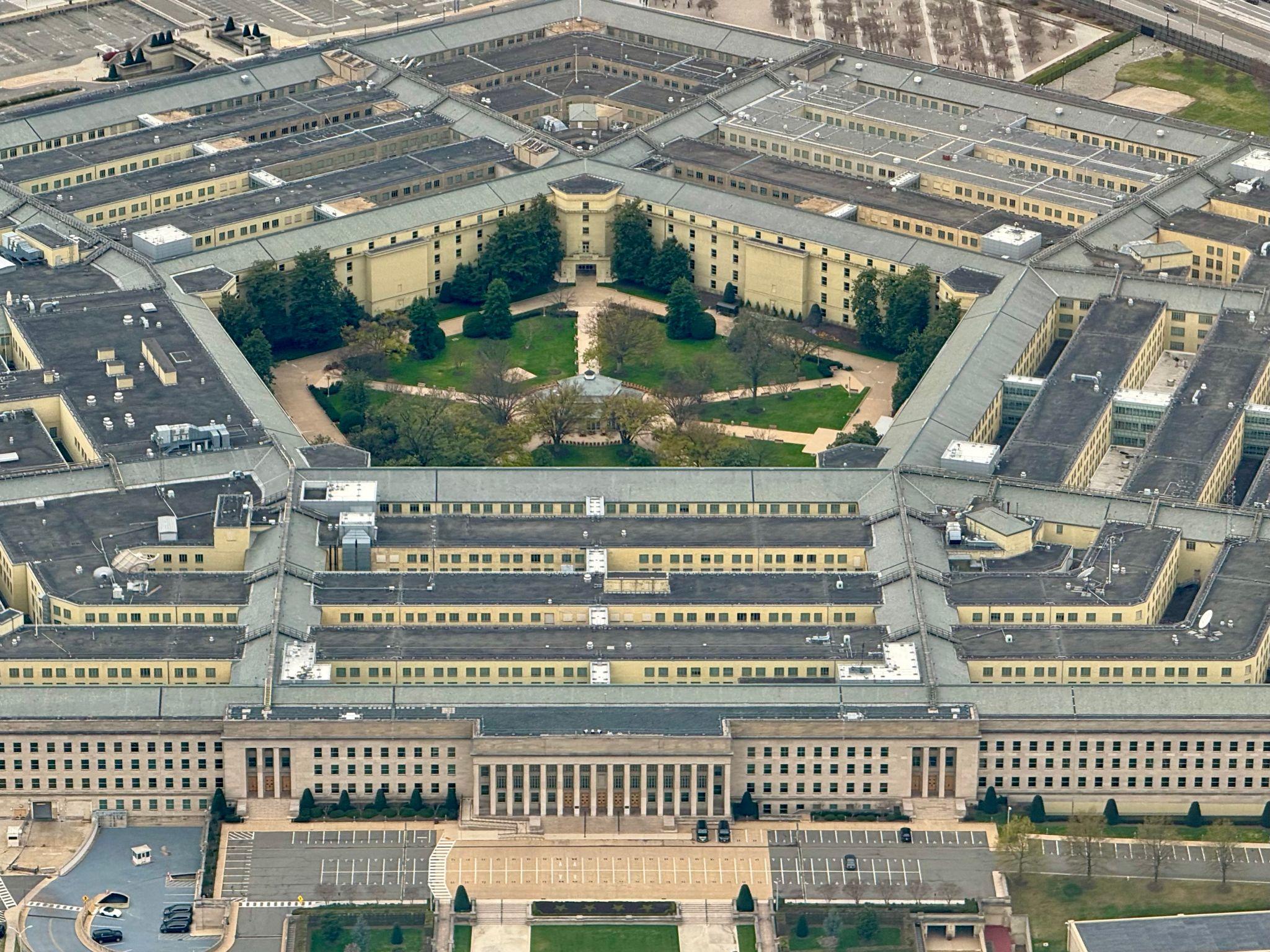
Washington, D.C., March 23, 2026 (Parliament Politics Magazine), US defense strategy debate has reached a critical turning point as a top counterterrorism official resigns in protest of the United States’ escalating posture toward Iran. The decision has sparked urgent questions about military priorities, global alliances, and the long-term consequences of current policy direction.
The resignation coincides with reports that China state refiners are exploring Iran oil deals following a US waiver, further complicating an already volatile geopolitical landscape. Together, these developments are fueling one of the most intense national security discussions in recent years.
A high-level resignation reshapes the US defense strategy debate
The sudden departure of a senior counterterrorism official has added new urgency to the US defense strategy debate. Sources close to the matter indicate that the official stepped down due to deep disagreements over how the United States is handling its conflict posture with Iran.
This resignation is being interpreted not as an isolated event, but as a signal of broader internal tensions. The official reportedly raised concerns about the sustainability of current military operations and the risks of further escalation.
A former defense advisor stated:
“This is a defining moment. The US defense strategy debate is no longer theoretical—it is now playing out in real-time at the highest levels of government.”
Rising tensions with Iran intensify policy disagreements
As the US defense strategy debate unfolds, tensions with Iran continue to escalate. Military deployments, strategic positioning, and diplomatic breakdowns have created an environment of heightened uncertainty.
Supporters of the current approach argue that a strong military stance is necessary to counter perceived threats. However, critics warn that the strategy could lead to unintended consequences, including prolonged conflict and regional instability.
The resignation has amplified these concerns, with many questioning whether the current trajectory aligns with broader national interests.
China’s oil moves add pressure to US policy decisions
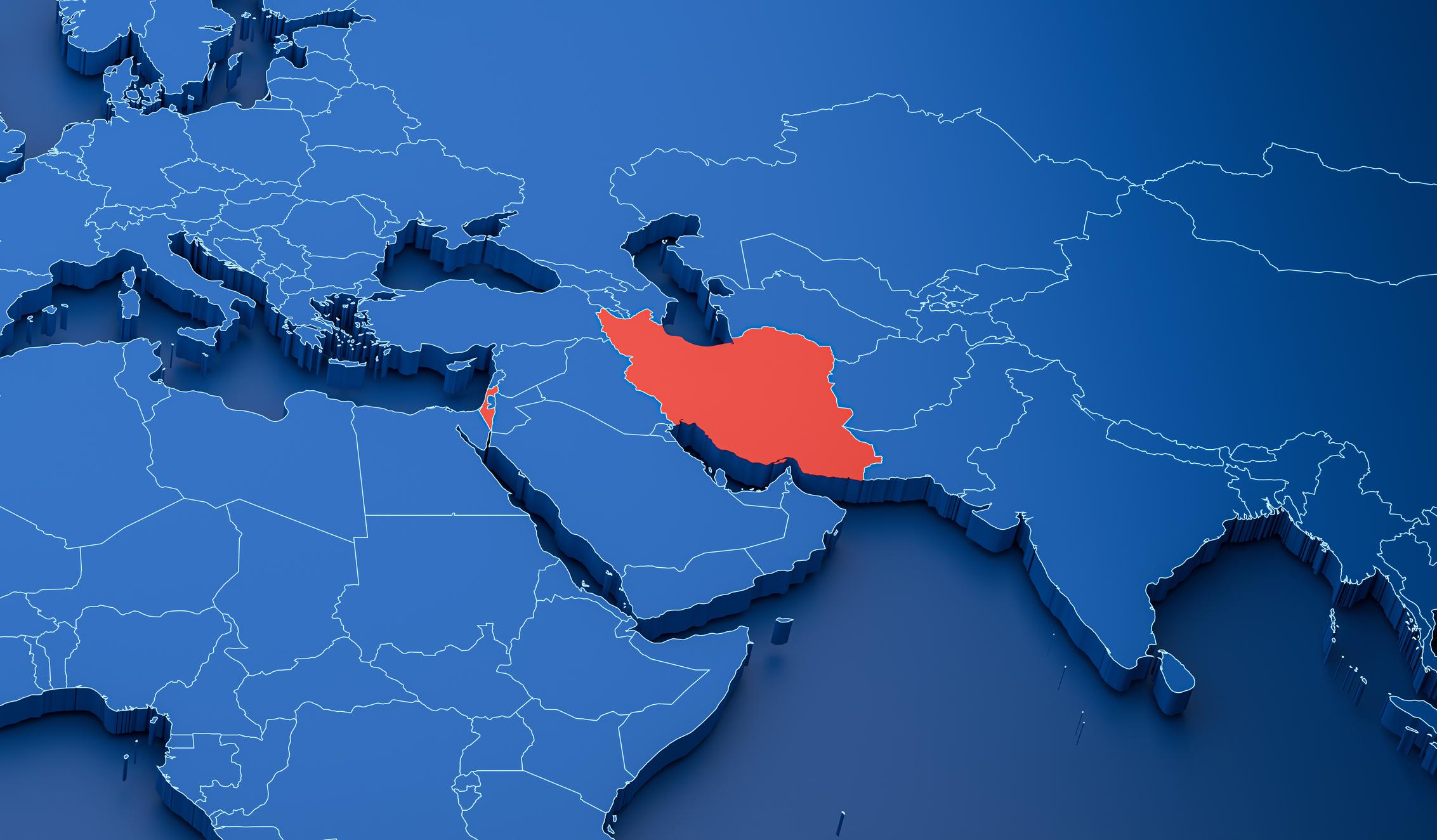
The US defense strategy debate is further complicated by reports that China state refiners are exploring new oil agreements with Iran. This development follows a US waiver that has allowed limited flexibility in energy transactions.
China’s involvement introduces a significant challenge to US sanctions efforts, potentially undermining their effectiveness. It also highlights the interconnected nature of global energy markets and geopolitical strategy.
An international energy expert noted:
“When China steps in to engage with Iran’s oil sector, it changes the strategic balance and forces the US to rethink its approach.”
Political response fuels the national conversation
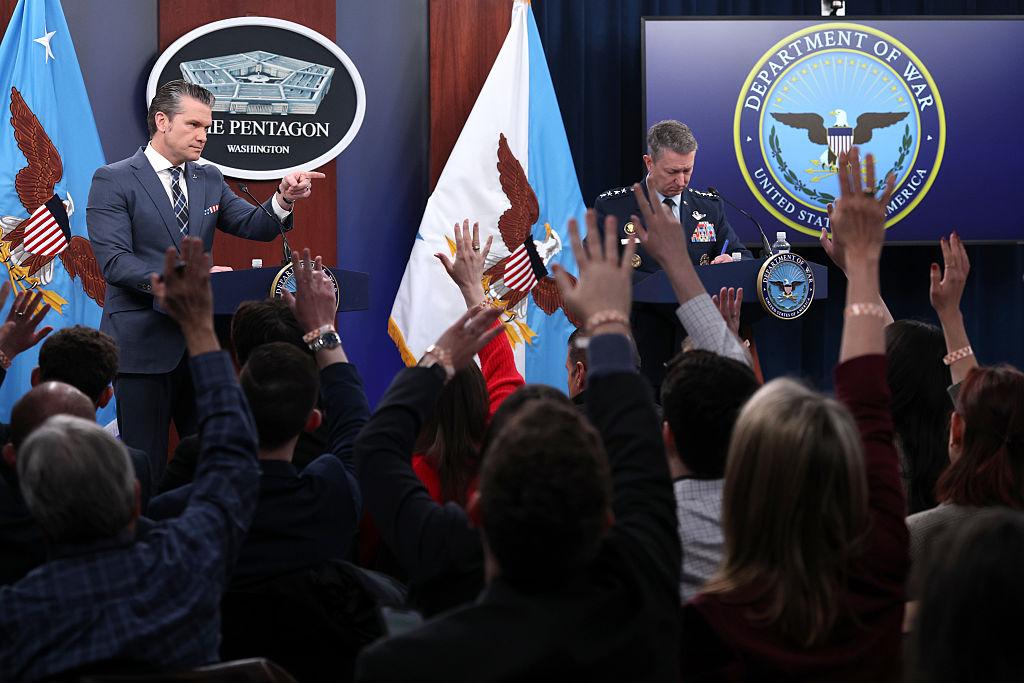
The resignation has triggered immediate reactions from lawmakers, adding momentum to the US defense strategy debate. Congressional leaders are calling for hearings to examine the underlying causes of the resignation and the broader implications for national security.
The issue has also gained traction among the public, with growing interest in how the United States is navigating its role in an increasingly complex global environment.
Political analysts suggest that the debate could influence upcoming policy decisions, particularly as pressure mounts for greater transparency and accountability.
Strategic risks and long-term implications
The US defense strategy debate is not only about current events but also about future consequences. The resignation of a key counterterrorism figure raises concerns about continuity in critical operations and the potential for strategic gaps.
Experts warn that internal divisions could weaken the effectiveness of US responses to emerging threats. At the same time, the situation underscores the importance of aligning military, diplomatic, and economic strategies.
Key issues under discussion include:
- The balance between military action and diplomacy
- The effectiveness of sanctions in a shifting global market
- The role of allies in supporting US objectives
- The long-term sustainability of current defense policies
Historical context of leadership disagreements
Throughout history, moments when the US defense strategy debate becomes highly visible have often coincided with significant policy shifts. High-level resignations have frequently served as indicators of deeper disagreements within government.
In this case, the timing of the resignation—amid rising tensions with Iran and evolving global energy dynamics—adds to its significance. Analysts believe it could mark the beginning of a broader reassessment of US foreign policy.
Global reaction and shifting alliances
The US defense strategy debate is being closely watched by allies and adversaries alike. For allied nations, the resignation raises questions about consistency and reliability in US leadership.
For rival powers, including China and Iran, the situation may present opportunities to adjust their strategies in response to perceived vulnerabilities.
The evolving dynamics underscore the importance of clear communication and coordinated action on the global stage.
Energy markets and economic implications
The intersection of security policy and energy markets is a central theme in the US defense strategy debate. As China explores oil deals with Iran, global markets are responding to the possibility of increased supply and shifting trade patterns.
These changes could have far-reaching economic implications, influencing everything from fuel prices to international trade relationships.
The resignation adds another layer of uncertainty, as it may signal instability within the US policy framework at a critical moment.
What comes next for US leadership
As the US defense strategy debate continues, attention is turning to how leadership will respond. The administration faces the challenge of maintaining stability while addressing internal concerns and external pressures.
The resignation may prompt a reassessment of priorities and strategies, particularly as stakeholders seek to avoid further escalation.
Observers note that the coming weeks will be crucial in determining whether the United States can navigate this complex situation effectively.
A turning point in the US defense strategy debate
The US defense strategy debate has entered a new phase following the resignation of a top counterterrorism official. Combined with China’s engagement in Iran’s oil sector, the situation highlights the interconnected challenges facing policymakers.
In summary:
- A senior official resigned over strategic disagreements
- US-Iran tensions continue to rise
- China’s oil deals with Iran complicate US sanctions
- The debate over US defense strategy is intensifying
This moment may prove to be a defining point, shaping the direction of US policy and its role in global security for years to come.