New York, Washington , March 23, 2026 (Parliament Politics Magazine), US Iran war protests are rapidly intensifying across the United States as thousands gather in major cities, including New York’s Times Square, to oppose escalating military action against Iran. At the same time, a top counterterrorism official has resigned, signaling potential internal divisions within US national security leadership.
The convergence of public unrest and high-level resignation is drawing global attention, raising questions about both domestic stability and international strategy.
Times Square Becomes Center of Protest Movement
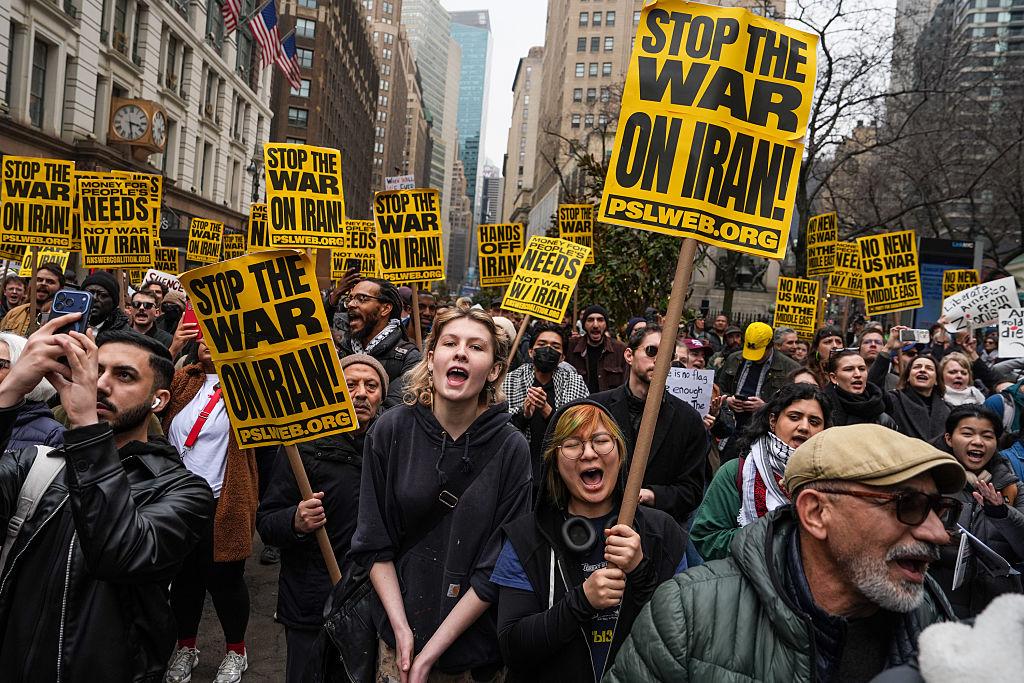
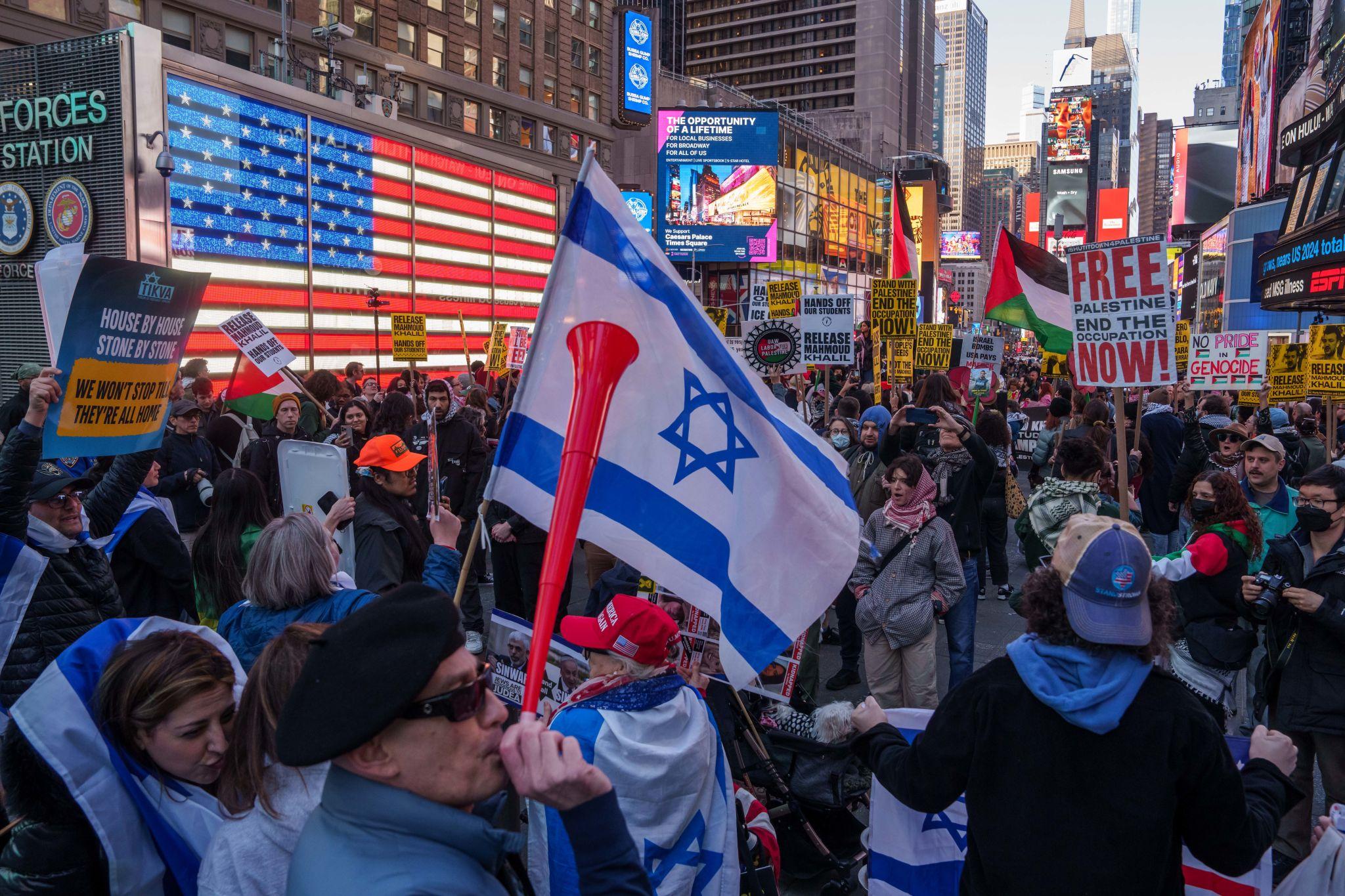
New York’s Times Square has emerged as a focal point for US Iran war protests, with hundreds of demonstrators rallying against the ongoing conflict. Protesters carried signs and chanted slogans demanding an immediate end to military operations.
According to reports, hundreds gathered in Manhattan to express outrage over US and Israeli strikes on Iran, with chants such as “Hands off Iran now” echoing through the streets.
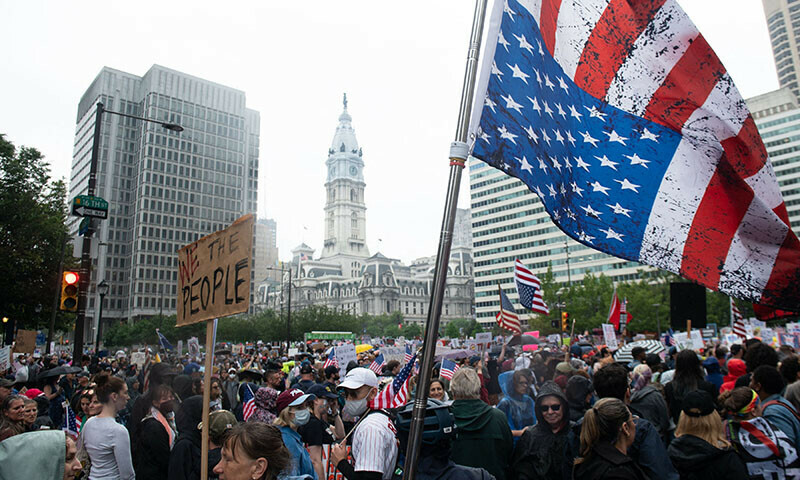
Demonstrations have not been limited to New York. Similar protests have taken place in cities including Washington, Los Angeles, Chicago, and Philadelphia, reflecting a nationwide wave of opposition.
A protest organizer stated:
“People don’t want another prolonged conflict. They are concerned about the human cost and long-term consequences.”
Resignation Raises Serious Questions
The fact that a senior official stepped down as US Iran war protests expand has added a new layer of complexity to the crisis. Sources indicate that the resignation may be tied to disagreements over how the conflict is being handled.
Experts believe that internal divisions within leadership could be growing as the situation escalates.
A national security analyst noted:
“When a top counterterrorism official resigns during a conflict, it often reflects deeper concerns about strategy and execution.”
The resignation is being viewed as a rare public signal of dissent within the US security establishment.
Nationwide Demonstrations Reflect Growing Opposition
The surge in US Iran war protests reflects a broader shift in public opinion. Demonstrations have spread across dozens of cities, with participants expressing concerns about the risks of escalation and the potential for long-term military engagement.
Recent protests have included:
- Large gatherings near the White House
- Rallies in major urban centers across the US
- Organized demonstrations led by advocacy groups
In some cases, opposing groups have also held counter-protests, highlighting the deep divisions within American society over the conflict.
Humanitarian Concerns Drive Public Outrage
One of the key drivers behind the growing US Iran war protests is concern over the humanitarian impact of the conflict.
Reports indicate that civilian casualties and infrastructure damage have increased as the war continues. Global observers warn that prolonged fighting could lead to a significant humanitarian crisis.
Protesters frequently cite the human cost of war as a central reason for their opposition.
A demonstrator in New York said:
“We are seeing the consequences of these decisions, and people are speaking out because they don’t want more suffering.”
Global Context: Escalation Raises Alarm
The protests come amid escalating military activity between the US, Israel, and Iran. Recent reports indicate continued strikes, retaliatory actions, and threats targeting regional infrastructure.
Global leaders have expressed concern about the potential for the conflict to expand further, with calls for de-escalation growing louder.
At the same time, intelligence reports suggest that attacks and counterattacks have increased across the region, contributing to instability and uncertainty.
Impact on US Domestic Politics
The rise of US Iran war protests is also having a significant impact on domestic politics. Lawmakers are facing increased pressure from constituents who are demanding greater oversight and accountability.
Some political leaders have begun questioning the strategy behind the conflict, while others continue to support military action.
The resignation of a senior counterterrorism official has intensified these debates, adding urgency to discussions about national security policy.
Economic and Security Implications
Beyond political considerations, the protests and conflict are influencing economic and security conditions.
Key concerns include:
- Rising energy prices due to instability in the Middle East
- Increased security measures in major US cities
- Potential disruptions to global supply chains
The combination of external conflict and internal unrest is creating a complex environment for policymakers.
Diplomatic Efforts Struggle Amid Rising Tensions
Efforts to de-escalate the conflict have faced significant challenges. While international leaders have called for restraint, progress has been limited.
The growth of US Iran war protests reflects frustration with the lack of diplomatic progress and the continued reliance on military solutions.
Observers note that achieving a resolution will require coordinated international engagement and a willingness to prioritize dialogue over confrontation.
Historical Context: Protests During Wartime
Public protests during periods of military conflict are not new in the United States. From previous wars to modern conflicts, public opposition has often played a role in shaping policy decisions.
The current wave of US Iran war protests follows this historical pattern, highlighting the role of public opinion in influencing national strategy.
However, the scale and speed of the current demonstrations suggest a heightened level of concern among the public.
What Comes Next: Uncertainty Ahead
As protests continue to grow and leadership changes unfold, the future of the conflict remains uncertain.
Key questions include:
- Will protests influence policy decisions?
- How will leadership changes impact strategy?
- Can diplomatic efforts gain momentum?
The answers to these questions will likely shape the next phase of the conflict.
A Critical Turning Point
The rise of US Iran war protests, combined with the resignation of a top counterterrorism official, marks a significant moment in both domestic and global politics.
Demonstrations in Times Square and across the United States reflect growing public concern about the direction of the conflict, while leadership changes signal potential internal challenges.
In summary, the intersection of public opposition, military escalation, and political uncertainty highlights a critical turning point. The coming weeks will be crucial in determining whether tensions escalate further or move toward resolution.