

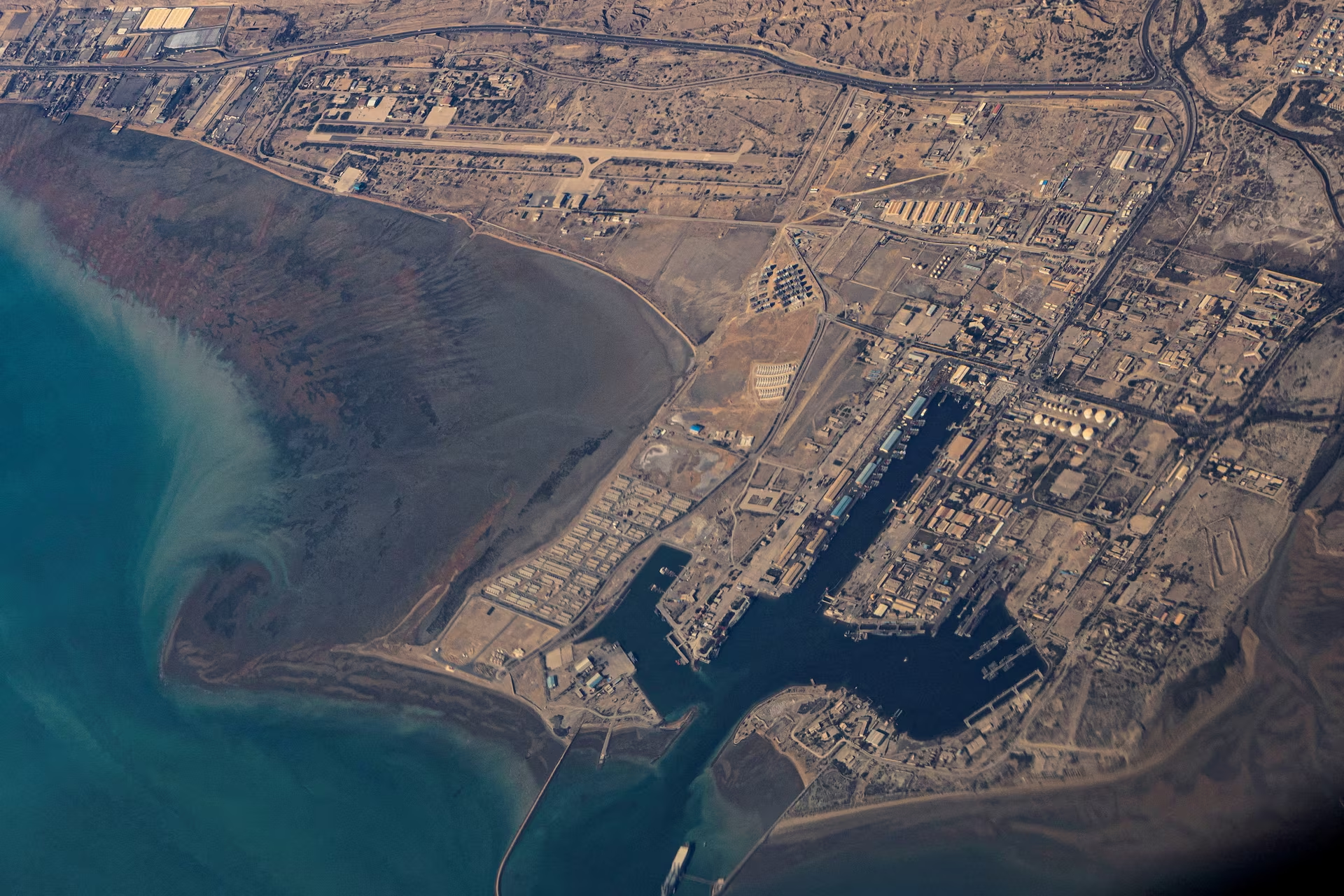
Bandar Abbas, Washington, March 23, 2026 (Parliament Politics Magazine), Middle East war crisis has entered a dangerous new phase following a deadly US-Israeli strike on a broadcast tower in Iran’s southern port city of Bandar Abbas. The escalation comes as a top US counterterrorism official resigns, raising questions about internal disagreements within national security leadership.
The convergence of military escalation and leadership instability is drawing global attention, with analysts warning that the situation could spiral further if not contained.
Strike on Broadcast Tower Raises Strategic Concerns
The attack on the broadcast tower in Bandar Abbas is being viewed as both a tactical and symbolic move. Communication infrastructure plays a crucial role during wartime, and targeting such facilities can disrupt both operations and public messaging.
Initial reports indicate that the strike caused casualties and significant damage to the structure. Local broadcasting services were also disrupted, creating challenges for communication within affected areas.
A regional security observer said:
“Targeting communication systems is not just about infrastructure—it’s about influencing the narrative of the conflict.”
This development highlights the evolving nature of the Middle East war crisis, where information control is becoming as critical as military dominance.
Leadership Shake-Up Signals Deeper Issues
The fact that a senior official stepped down during this escalation has intensified scrutiny of US strategy. The resignation suggests that there may be disagreements over how the conflict is being managed.
As the Middle East war crisis unfolds, leadership stability is becoming a key concern.
A defense policy analyst noted:
“When high-level officials resign in the middle of a conflict, it usually reflects serious concerns about direction and long-term consequences.”
The departure has sparked debate about whether current policies are aligned with broader security objectives.
Civilian Risks and Humanitarian Concerns
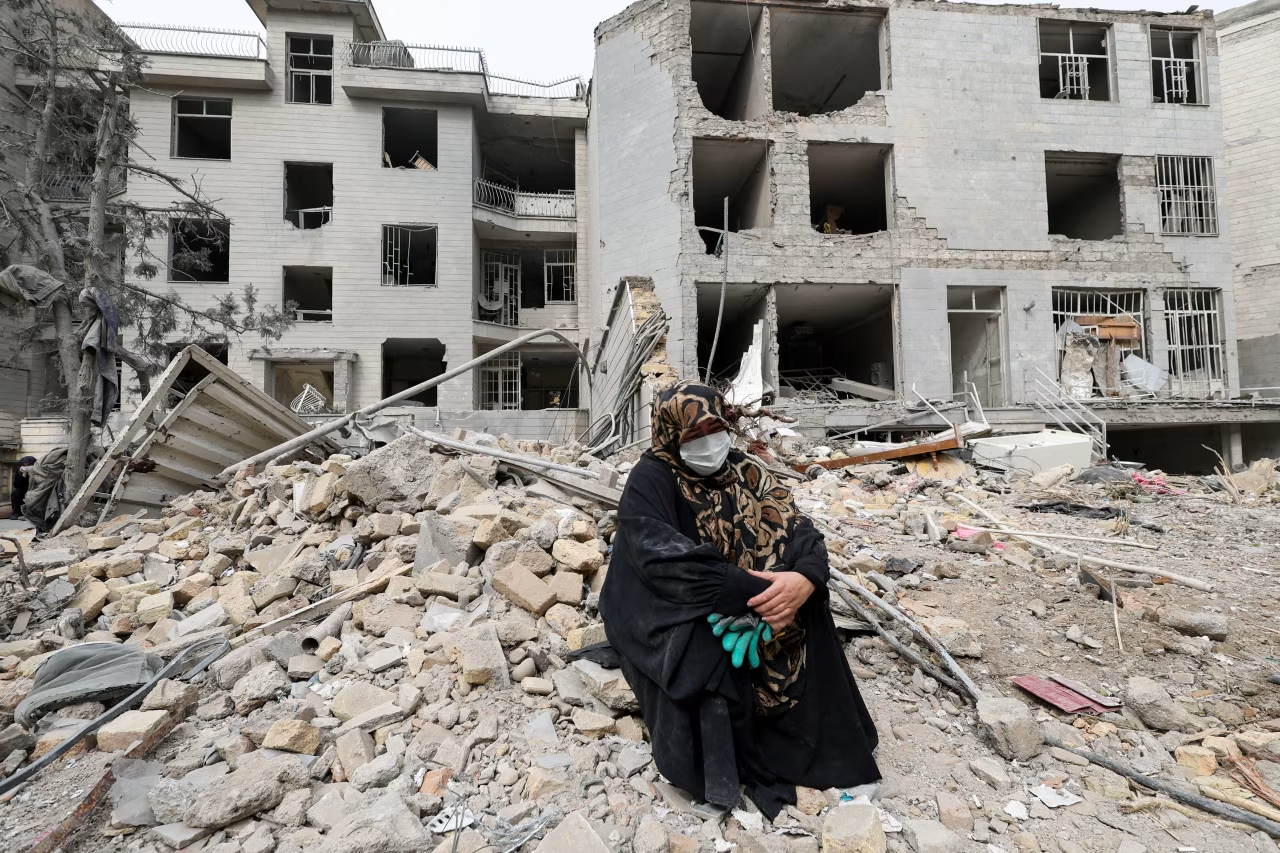
The strike in Bandar Abbas has raised concerns about the potential impact on civilians. While official casualty figures remain limited, reports suggest that nearby areas may have been affected.
Humanitarian organizations warn that continued escalation could lead to increased displacement and infrastructure damage.
The growing intensity of the Middle East war crisis is placing additional strain on already vulnerable populations in the region.
Regional Tensions Continue to Rise
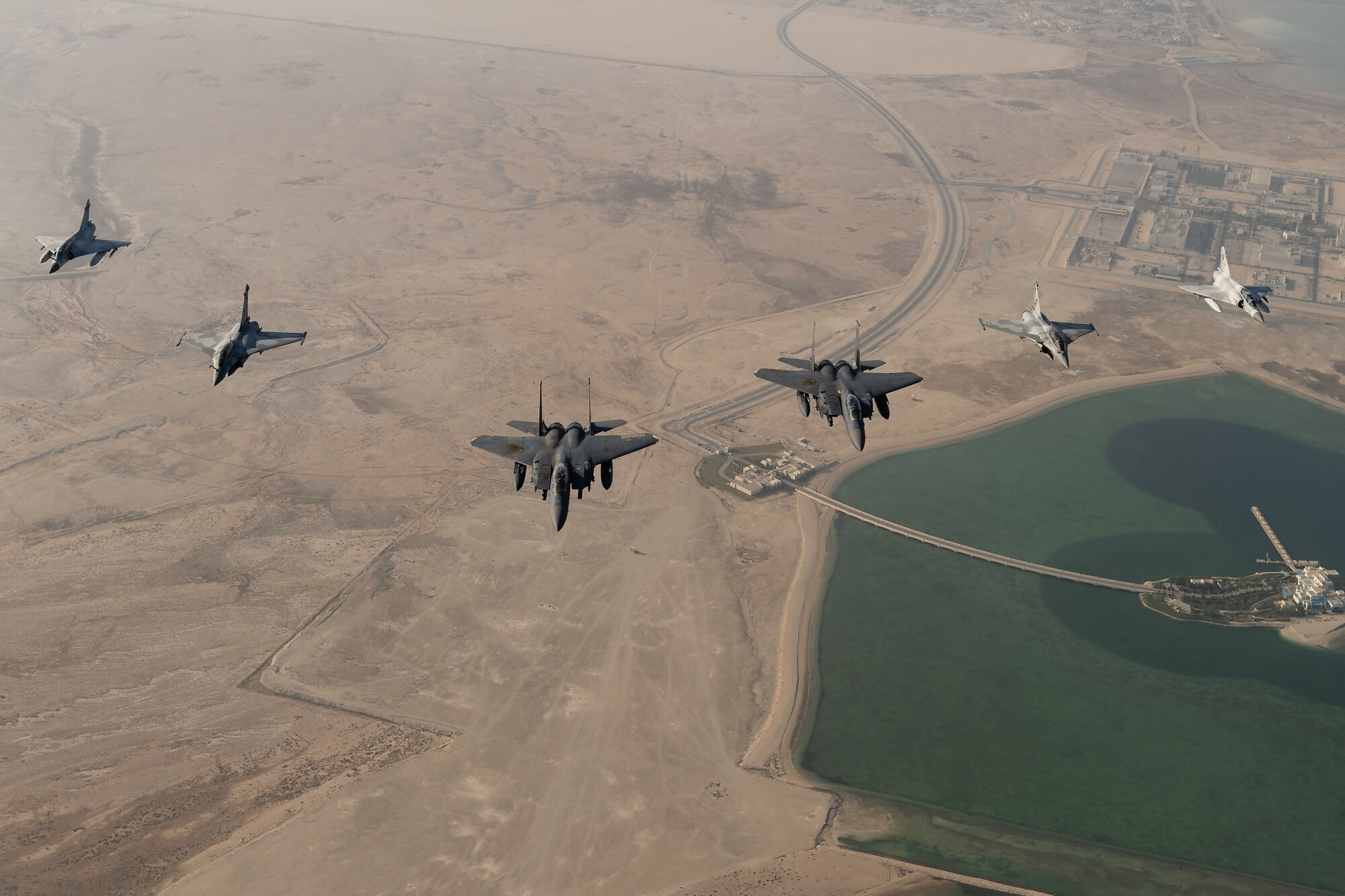
Military activity across the Middle East has intensified in recent weeks. Both sides have increased operations, with threats of further retaliation adding to the uncertainty.
Iran has condemned the strike and warned of potential responses, while US and allied forces remain on high alert.
The expanding scope of the Middle East war crisis is raising fears of a broader regional conflict involving multiple nations.
Global Security Implications
As the Middle East war crisis deepens, its impact is being felt worldwide. Counterterrorism operations, intelligence sharing, and international alliances could all be affected by the current instability.
The resignation of a senior counterterrorism official adds another layer of uncertainty, particularly in maintaining coordinated responses to emerging threats.
A global security expert explained:
“Stability in leadership is essential during crises. Any disruption can weaken international coordination.”
Economic and Energy Market Impact
The Gulf region plays a critical role in global energy supply, and instability can have immediate economic consequences.
The strike in Bandar Abbas, a key port city, has heightened concerns about potential disruptions to shipping routes and trade.
Markets have already shown signs of volatility as the Middle East war crisis continues to unfold.
Energy analysts warn that prolonged conflict could lead to higher prices and broader economic challenges.
Diplomatic Efforts Under Pressure
Efforts to de-escalate the conflict have faced significant obstacles. While global leaders continue to call for restraint, progress has been limited.
The combination of military escalation and leadership changes has made diplomatic negotiations more complex.
Observers note that resolving the Middle East war crisis will require coordinated international efforts and a willingness from all sides to engage in dialogue.
Historical Context of Regional Conflict
The Middle East has long been a region marked by geopolitical tensions and strategic rivalries. However, the current situation stands out due to the scale and intensity of recent developments.
The targeting of infrastructure, combined with leadership changes, signals a new phase in the conflict.
The ongoing Middle East war crisis reflects both historical tensions and evolving strategies in modern warfare.
What Comes Next: A Critical Turning Point
The situation remains highly fluid, with both sides maintaining strong positions.
Key questions moving forward include:
- Will further strikes escalate the conflict?
- Can diplomatic efforts regain momentum?
- How will leadership changes influence strategy?
The answers to these questions will shape the next phase of the Middle East war crisis.
Escalation and Uncertainty Define the Crisis
The latest developments, including the deadly strike in Bandar Abbas and the resignation of a senior counterterrorism official, mark a critical moment in the conflict.
The Middle East war crisis continues to evolve, with rising tensions, humanitarian concerns, and global implications.
In summary, the convergence of military escalation, political uncertainty, and economic risk highlights a turning point. The coming days will be crucial in determining whether the conflict expands further or moves toward resolution.
