

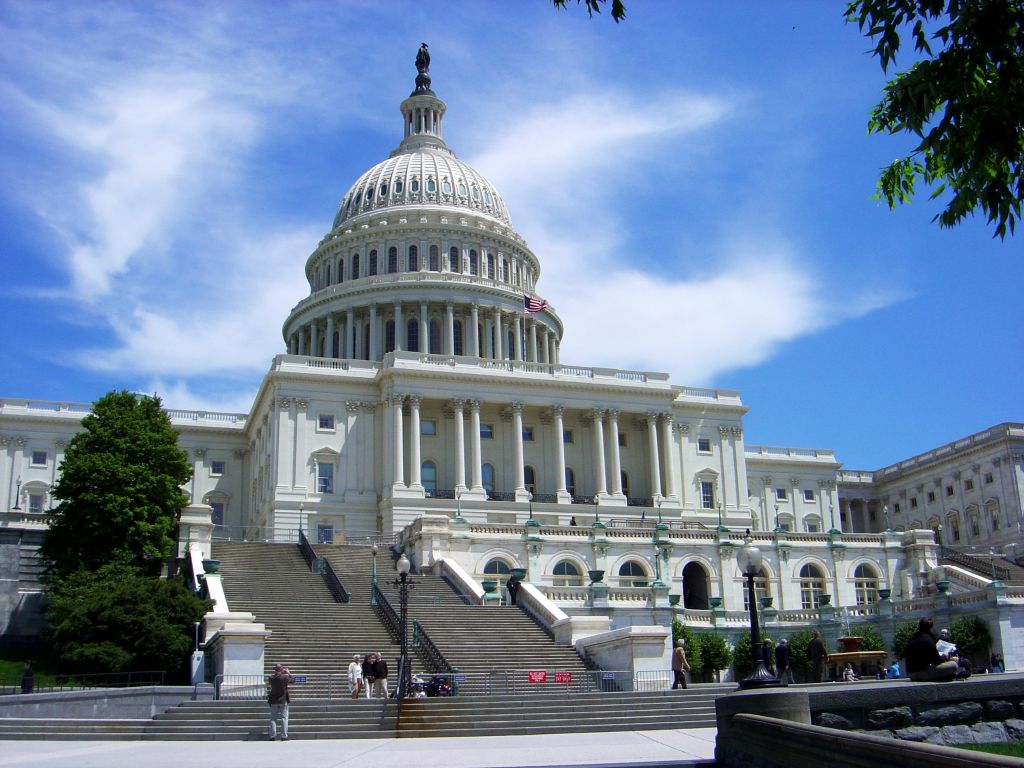
Washington, March 24, 2026 (Parliament Politics Magazine), A dramatic resignation inside the United States national security leadership is intensifying concerns about a growing US foreign policy crisis, as tensions with Iran continue to escalate and ripple across global energy markets.
A senior counterterrorism official has stepped down in protest, signaling deep internal disagreements over how the United States is handling its strategy toward Iran. The move is being interpreted as a rare and powerful warning from within the system—one that could have significant implications for both regional stability and international security.
Resignation Highlights Deepening US Foreign Policy Crisis
The sudden departure of a high-ranking official has placed the spotlight squarely on what many experts are now calling a US foreign policy crisis. Internal disagreements, once kept behind closed doors, are now emerging into public view.
Sources suggest the official had grown increasingly concerned about the direction of military and strategic decisions related to Iran. The resignation reflects a broader unease among some policymakers who fear that current actions may lead to unintended escalation.
One geopolitical analyst stated:
“This is not just a resignation—it’s a signal that the US foreign policy crisis is reaching a point where experienced leaders are no longer willing to stay silent.”
The development underscores growing tensions between aggressive deterrence strategies and calls for diplomatic restraint.
Iran Tensions Fuel Strategic Uncertainty
The US foreign policy crisis is unfolding against the backdrop of heightened tensions between Washington and Tehran. Over recent months, both sides have engaged in a series of actions that have increased the risk of confrontation.
Iran has warned that continued pressure could result in retaliatory measures targeting critical infrastructure. These threats are being taken seriously, particularly by nations in the Gulf region that depend heavily on stable energy systems.
The situation is creating a volatile environment where even small incidents could trigger broader consequences.
How Iran’s Threats Could Impact GCC Cities
A key concern emerging from this US foreign policy crisis is the vulnerability of power and energy infrastructure across GCC countries, including Saudi Arabia, the United Arab Emirates, Kuwait, and Qatar.
Iran has previously demonstrated its ability to disrupt oil and energy operations, either directly or through allied groups. If tensions continue to rise, similar actions could target power grids and supply systems across the region.
Potential Consequences Include:
- Widespread power outages in major urban centers
- Disruptions to oil and gas production affecting global markets
- Economic instability across energy-dependent economies
- Increased security and defense expenditures
Cities such as Riyadh, Dubai, and Doha could face immediate operational challenges if energy systems are compromised during peak demand periods.
Energy Infrastructure at the Center of the Crisis
The US foreign policy crisis is not just about military strategy—it is also about economic stability and energy security. GCC nations are deeply interconnected with global energy markets, making them particularly vulnerable to disruption.
Energy infrastructure has become a strategic target in modern conflicts, offering adversaries a way to exert pressure without engaging in full-scale warfare.
Experts warn that even the threat of disruption can have significant consequences, including price volatility and market uncertainty.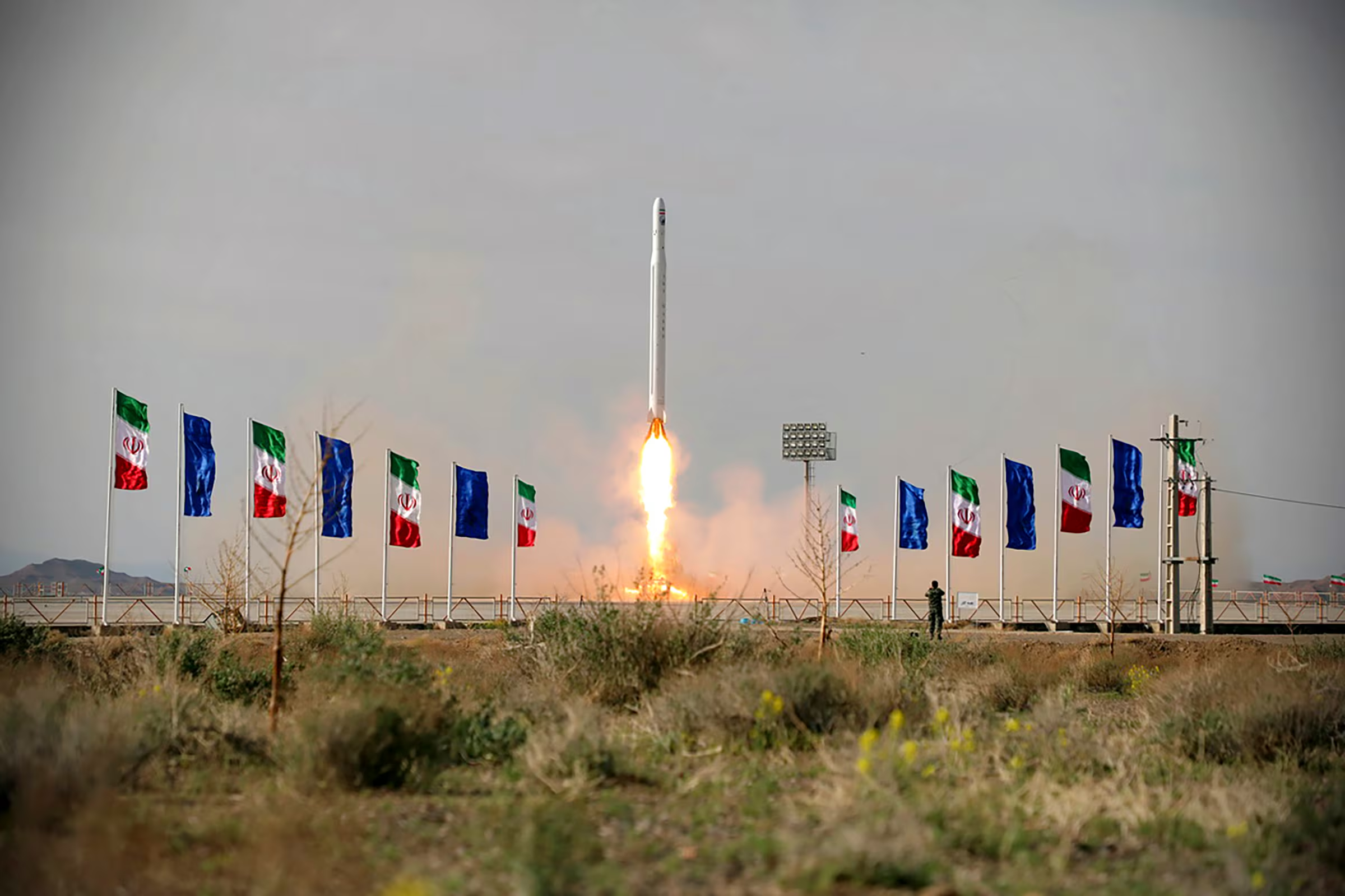
Economic Fallout Could Be Global
As the US foreign policy crisis intensifies, global markets are already reacting to uncertainty. Oil prices are sensitive to geopolitical developments, and any disruption in the Gulf region could send shockwaves through the global economy.
For GCC countries, the risks are substantial:
- Revenue fluctuations due to unstable exports
- Reduced foreign investment confidence
- Higher costs for infrastructure protection
The interconnected nature of modern economies means that regional instability can quickly become a global issue.
Internal US Divisions Become Public
One of the most striking aspects of this US foreign policy crisis is the visibility of internal divisions. The resignation has brought disagreements within the US government into the public spotlight.
Traditionally, such conflicts remain behind closed doors. However, the decision to step down publicly suggests that concerns have reached a critical level.
Some officials argue that a strong stance is necessary to counter Iran’s influence, while others believe that escalating tensions could lead to unintended consequences.
GCC Nations Reassess Their Strategies
As the US foreign policy crisis unfolds, GCC countries are closely evaluating their own positions. These nations rely heavily on US support but are also increasingly aware of their own vulnerabilities.
In response, some are exploring new approaches:
- Strengthening regional cooperation
- Investing in advanced defense technologies
- Expanding diplomatic engagement to reduce tensions
The uncertainty surrounding US policy is prompting a shift toward greater self-reliance among regional allies.
Cyber Threats Add Another Layer of Risk
Beyond physical attacks, the US foreign policy crisis also raises concerns about cyber warfare. Iran has developed capabilities that could target critical infrastructure, including power grids and communication systems.
Cyber attacks can cause widespread disruption without the need for traditional military engagement, making them a key component of modern conflict strategies.
For GCC cities, this represents a significant risk, as even brief disruptions can have far-reaching consequences.
A Defining Moment in Global Strategy
The resignation may ultimately be seen as a defining moment in the US foreign policy crisis—a point at which internal dissent highlighted the risks of current strategies.
It raises important questions about the balance between military action and diplomatic solutions, and whether current policies align with long-term objectives.
History has shown that moments like these can lead to significant shifts in strategy, particularly when internal concerns become impossible to ignore.
What Happens Next?
As the US foreign policy crisis continues to evolve, several critical questions remain:
- Will the United States adjust its approach to Iran?
- How will Iran respond to ongoing pressure?
- Can GCC nations effectively safeguard their energy systems?
- Will diplomatic efforts regain momentum?
The answers to these questions will shape the future of regional and global stability.
A Crisis with Global Implications
The resignation of a top counterterrorism official has brought renewed attention to a growing US foreign policy crisis, highlighting the complex challenges facing policymakers.
From energy security to regional stability, the stakes are high—and the consequences of miscalculation could be far-reaching.
At the same time, the situation presents an opportunity for reassessment and strategic recalibration.
What This US Foreign Policy Crisis Means Next?
A senior US official resigned, exposing deep concerns over a growing US foreign policy crisis tied to Iran tensions.
Iran’s threats to disrupt energy systems could impact GCC cities and global markets.
The crisis signals rising risks of conflict, economic instability, and urgent need for policy change.
